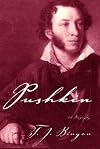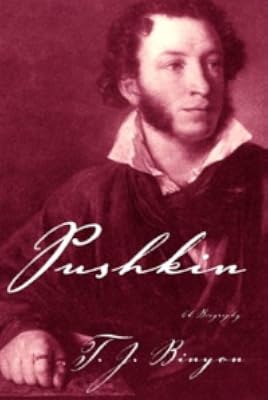
Pushkin: A Biography
by T. J. Binyon
On This Page
Description
Pushkin is Russia’s greatest and best-loved poet: a romantic, enigmatic figure who, during a brief but turbulent life, changed Russian literature forever with his vital and passionate verse. Many of his works—includingThe Bronze Horseman, The Queen of Spades,and his extraordinary novel in verse,Eugene Onegin—have become classics of world literature and are as exhilarating to read today as they were when first published. Now we have the first full biography in sixty years of this show more literary legend. Born in Moscow in 1799, he was descended on one side from an ancient noble family, on the other from a black African slave of Peter the Great. At the age of twenty he was expelled from St. Petersburg for his satirical writings. He remained in internal exile, under the direct supervision of the emperor, for the next seven years, and throughout his life attracted official disapproval for his political and religious beliefs—and for his many love affairs. In 1831, despite mounting debts from gambling and an insecure income, he married the eighteen-year-old Natalya Goncharova, who soon became recognized as one of the most beautiful women of St. Petersburg society. The attentions paid her by a Guards officer, the French émigré d’Anthès, roused Pushkin to fury. In the subsequent duel, fought on January 27, 1837, he was fatally wounded. He died in agony two days later. This superb, authoritative biography—winner of England’s prestigious Samuel Johnson Prize—frees the complex figure of Pushkin the man from the heroic simplicity of Pushkin the myth, making palpable the poet’s rare energy, talents, and spirit. Telling Pushkin’s story with exacting scholarship, elegant wit, and acute insight, T. J. Binyon gives us a revelation of the poet and the man. show lessTags
Recommendations









Member Reviews
Binyon says upfront that his dominant concern was with giving a picture of Pushkin as a man, and his life as it was lived in the moment. A biography of this kind must be a prime necessity when the subject has become a legend and a monument, but for my purposes I'd have preferred something different, with emphasis on the works, not private life. This is not a criticism, it's an interesting book in its own right, only I don't feel I have much to say except make notes of a few points that struck me especially.
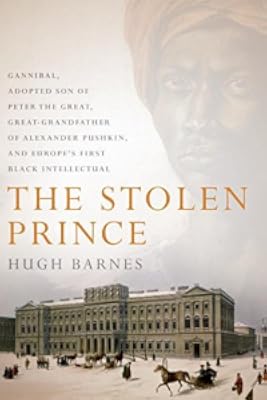
To begin with, there's Pushkin's extraordinary African ancestor, maternal great-grandfather Abram Gannibal (Hannibal in Russian transliteration), sold to Peter the Great by a Serbian trader who procured the boy and his older brother show more from the Turks. The older boy's traces lose themselves after his entering military service, but the younger one, Peter the Great's favourite, ascended to a long and brilliant career. Peter the Great had him educated in military arts in France, and when the tsar died two years later, Peter's wife Catherine employed him as teacher to the tsar's grandson. On her death Abram (having acquired/taken the surname Gannibal in the meantime) at first had some trouble at the court, but the new empress, Peter's daughter Elizabeth, continued to show favour and promote him. He was granted lands and eventually set in charge of military engineering in all Russia, with the rank of a general.
It was with his second, Swedish wife, that he had the son who would become Pushkin's grandfather.
Pushkin started versifying in childhood, writing plays in French and performing them for his sister. The following incident is too cute: after one play was hissed off the stage, ten year old Pushkin wrote a self-critical epigram about the event:
"Tell me, why was The Filcher
Hissed by the pit?"
"Alas! it's because the poor author
Filched it from Molière."
He read a lot all his life, was influenced especially by the French and later, Lord Byron; spent more on books than he could afford.
He was constantly in love. For someone of unprepossessing physical appearance--short, ungainly, and (ugh, something rather repulsive, I'd think) nurturing for some reason astonishingly long fingernails--he seems to have had a lot of success with women. At any rate, he pursued them relentlessly, often in parallel (hedging the bets, one might say) and with a certain aggression and cynicism that sometimes make it difficult to rejoice in his conquests. "Conquering" and sleeping with other men's wives (and/or their mothers, sisters, friends and underlings) was a general occupation in his society.
For all the sex he was having, and maintaining a constant state of flirtation with dozens of women, Pushkin seems to have had few significant romantic attachments, or maybe it appears that way because he claimed to be in love with so many. The impression one gets is that he was basically ever-ready for a dalliance, whatever his declared emotional status--all it took was opportunity.
He had a very good friend who was homosexual--modern Russia could stand to take cue from its beloved Pushkin's attitude to homosexuality.
He was atheist.
He loved bawdiness and obscenity--another reason, along with his premature death and lyrical genius, that I kept thinking of Mozart.
In fact, Binyon tells a funny story when Adam Mickiewicz, great Polish poet and apparently far more of a gentleman than Pushkin, upbraided him for saying things in company that a decent man wouldn't even tell to himself.
Fucking Tolstoy might have caused Pushkin to duel at 21, and mayhap die at 21!! I love it when people I hate turn out to be bastards.
Finally, the circumstances around Pushkin's fatal duel are analysed in detail and received wisdom on several points questioned. It is clear that Natalya Pushkin, of all involved, had least guilt to bear for the affair. The main "problem" with her was that she was a beautiful society woman who had attracted the attention of a vain, enormously silly man. After this initial event, nothing that happened was fully in her power, if at all. The complications grew (over a couple YEARS!), with other people and interests getting involved. Once before a duel had been avoided, then peace seemed to be at hand with Natalya's "suitor" unexpectedly marrying a sister of hers (the marriage engineered by baron Heeckeren, the young man's protector, and--possibly--lover, of all things).
But Pushkin was still seething. The annoyance had lasted too long, cost too much in self-regard and, beset as he was by serious financial troubles, it aggravated his shaken confidence and mood in general. People now gossiped about Natalya's sister's marriage--still, in effect, gossiping about Natalya and Pushkin. It got on his nerves.
And then came the straw and landed on the camel's back: jeering anonymous letters sent to Pushkin's friends and acquaintances, mockingly inducting him in the pantheon of cuckolds. Binyon makes what to me seems a very reasonable case that it wasn't van Heeckeren who sent the letters (the most widely accepted theory; Akhmatova believed it), but rather a circle of rascally ne'er-do-wells headed by Prince Dolgoruky, renowned for such pranks.
Some of his friends sent the letters unopened to Pushkin or destroyed them, but he couldn't or wouldn't ignore this.
For the second time since the affair began he issued a challenge, and this time it wasn't avoided. Pushkin's wound was fatal and he died after a night of agony, aged thirty-seven. The man who killed Pushkin died of old age in 1895. show less
To begin with, there's Pushkin's extraordinary African ancestor, maternal great-grandfather Abram Gannibal (Hannibal in Russian transliteration), sold to Peter the Great by a Serbian trader who procured the boy and his older brother show more from the Turks. The older boy's traces lose themselves after his entering military service, but the younger one, Peter the Great's favourite, ascended to a long and brilliant career. Peter the Great had him educated in military arts in France, and when the tsar died two years later, Peter's wife Catherine employed him as teacher to the tsar's grandson. On her death Abram (having acquired/taken the surname Gannibal in the meantime) at first had some trouble at the court, but the new empress, Peter's daughter Elizabeth, continued to show favour and promote him. He was granted lands and eventually set in charge of military engineering in all Russia, with the rank of a general.
It was with his second, Swedish wife, that he had the son who would become Pushkin's grandfather.
Pushkin started versifying in childhood, writing plays in French and performing them for his sister. The following incident is too cute: after one play was hissed off the stage, ten year old Pushkin wrote a self-critical epigram about the event:
"Tell me, why was The Filcher
Hissed by the pit?"
"Alas! it's because the poor author
Filched it from Molière."
He read a lot all his life, was influenced especially by the French and later, Lord Byron; spent more on books than he could afford.
He was constantly in love. For someone of unprepossessing physical appearance--short, ungainly, and (ugh, something rather repulsive, I'd think) nurturing for some reason astonishingly long fingernails--he seems to have had a lot of success with women. At any rate, he pursued them relentlessly, often in parallel (hedging the bets, one might say) and with a certain aggression and cynicism that sometimes make it difficult to rejoice in his conquests. "Conquering" and sleeping with other men's wives (and/or their mothers, sisters, friends and underlings) was a general occupation in his society.
For all the sex he was having, and maintaining a constant state of flirtation with dozens of women, Pushkin seems to have had few significant romantic attachments, or maybe it appears that way because he claimed to be in love with so many. The impression one gets is that he was basically ever-ready for a dalliance, whatever his declared emotional status--all it took was opportunity.
He had a very good friend who was homosexual--modern Russia could stand to take cue from its beloved Pushkin's attitude to homosexuality.
He was atheist.
He loved bawdiness and obscenity--another reason, along with his premature death and lyrical genius, that I kept thinking of Mozart.
In fact, Binyon tells a funny story when Adam Mickiewicz, great Polish poet and apparently far more of a gentleman than Pushkin, upbraided him for saying things in company that a decent man wouldn't even tell to himself.
Fucking Tolstoy might have caused Pushkin to duel at 21, and mayhap die at 21!! I love it when people I hate turn out to be bastards.
Finally, the circumstances around Pushkin's fatal duel are analysed in detail and received wisdom on several points questioned. It is clear that Natalya Pushkin, of all involved, had least guilt to bear for the affair. The main "problem" with her was that she was a beautiful society woman who had attracted the attention of a vain, enormously silly man. After this initial event, nothing that happened was fully in her power, if at all. The complications grew (over a couple YEARS!), with other people and interests getting involved. Once before a duel had been avoided, then peace seemed to be at hand with Natalya's "suitor" unexpectedly marrying a sister of hers (the marriage engineered by baron Heeckeren, the young man's protector, and--possibly--lover, of all things).
But Pushkin was still seething. The annoyance had lasted too long, cost too much in self-regard and, beset as he was by serious financial troubles, it aggravated his shaken confidence and mood in general. People now gossiped about Natalya's sister's marriage--still, in effect, gossiping about Natalya and Pushkin. It got on his nerves.
And then came the straw and landed on the camel's back: jeering anonymous letters sent to Pushkin's friends and acquaintances, mockingly inducting him in the pantheon of cuckolds. Binyon makes what to me seems a very reasonable case that it wasn't van Heeckeren who sent the letters (the most widely accepted theory; Akhmatova believed it), but rather a circle of rascally ne'er-do-wells headed by Prince Dolgoruky, renowned for such pranks.
Some of his friends sent the letters unopened to Pushkin or destroyed them, but he couldn't or wouldn't ignore this.
For the second time since the affair began he issued a challenge, and this time it wasn't avoided. Pushkin's wound was fatal and he died after a night of agony, aged thirty-seven. The man who killed Pushkin died of old age in 1895. show less
'Only a biographer of the first rank could show how the poet's brilliant spirit was extinguished, not just by a regime, but by elements in that regime that to some extent reflected his own personality. That is true tragedy, and that is Russia.' George Walden, Sunday Telegraph *'A weighty biography in every sense, Binyon's book is poignant, brisk and at times downright funny: the best possible tribute to the changeable and elusively fascinating character of its subject.' Catriona Kelly, Guardian *'A grippingly entertaining and magnificently authoritative account of the poet's life, which is, almost unbelievably, the first to appear in any language since 1937.' Alan Marshall, Daily Telegraph *'In T.J Binyon [Pushkin] has finally found the show more biographer he deserves. Here in all its splendour is his rebellious, flamboyant personality and his world of tenuous finance, imperial balls and sexual adventure... Pushkin remains immortal and he certainly lives again in this book.' Simon Sebag Montefiore, Mail on Sunday *'Binyon's Life gives a marvellously clear sense of the man Pushkin might have been to meet: alternately belligerent and sweet, physically small. On the matter of Pushkin's politics, Binyon is excellent.' Ian Thomson, Independent on Sunday *'Scrupulously researched, lucidly and ojectively written, with an admirable lightness of touch and a good dose of dry humour'. (Economist) *'Readable, perceptive and witty... a valuable achievement.' Jonathan Sumption, Spectator show less
Ratings
Members
- Recently Added By
Lists

Russian Literature
184 works; 35 members

The Complete Rory Gilmore Reading List
506 works; 5 members

In Our Time books
4,934 works; 2 members
Author Information

8+ Works 317 Members
Awards and Honors
Awards
Distinctions
Common Knowledge
- Original publication date
- 2002
- People/Characters
- Alexander Pushkin
- Important places
- Russia
- Epigraph
- What business is it of the critics or reader whether I am handsome or ugly, come from an ancient nobility or am not of gentle birth, whether I am good or wicked, crawl at the feet of the mighty or do not even exchange bows wi... (show all)th them, whether I gamble at cards and so on. My future biographer, if God sends me a biographer, will concern himself with this.
-Pushkin, 1830 - Dedication
- For Helen and in memory of my father Denis Binyon
- First words
- Pushkin is our all," declared the critic an poet Apollon Grigorev in 1854.
- Last words
- (Click to show. Warning: May contain spoilers.)She is buried in the Alexander Nevsky Monastery in St. Petersburg, under the same stone as Lanskoy, who followed her to the grave on 6 May 1877.
Classifications
- Genres
- Biography & Memoir, Literature Studies and Criticism
- DDC/MDS
- 891.713 — Literature & rhetoric Literatures of other languages East Indo-European and Celtic literatures Russian and East Slavic languages Russian poetry 1800–1917
- LCC
- PG3350 .B55 — Language and Literature Slavic languages and literatures. Baltic languages. Albanian language Slavic. Baltic. Albanian Russian literature Individual authors and works 1800-1870 Pushkin
- BISAC
Statistics
- Members
- 244
- Popularity
- 133,126
- Reviews
- 2
- Rating
- (3.53)
- Languages
- English
- Media
- Paper, Ebook
- ISBNs
- 6
- ASINs
- 4