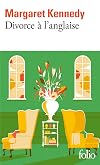
Together and Apart
by Margaret Kennedy
On This Page
Description
Betsy Canning is dissatisfied with life. She has always taken pains to be healthy, popular and well-treated, but despite her wealth, her comfortable homes and beautiful children, happiness eludes her. The problem must lie, she thinks, in her marriage to Alec, and a neat, civilised divorce seems the perfect solution. But talk of divorce sparks interference from family and friends, and soon public opinion tears into the fragile fabric of family life and private desire. Alec and Betsy's show more marriage will not be the only casualty, and in this newly complicated world, happiness is more elusive than ever. show lessTags
Recommendations










Member Reviews
Betsy Canning has decided she and her husband Alec should no longer be married. In 1936, this decision was unusual, difficult to accomplish, and bound to result in scandal and stigma. Alec understands Betsy’s point of view and while not as headstrong, supports the idea. The two waffle back and forth but some maternal meddling catalyzes their plan. Betsy naively believes this is a simple matter between her and Alec, blithely assuring their three children that life will go on as normal for them.
But of course it doesn’t, and Margaret Kennedy expertly shows the ripple effects of a. divorce as seen through the eyes of Betsy, Alec, their teenage children Kenneth and Eliza, and others in their extended family. It wasn’t preachy or show more dramatic, and the characters were all “normal” people with strengths and flaws. It was as if Kennedy was saying, see this can happen to anyone, perhaps even you, and you’d better think it through first. The strong message, expertly delivered in a gentle “show, don’t tell” style, made for an excellent reading experience. show less
But of course it doesn’t, and Margaret Kennedy expertly shows the ripple effects of a. divorce as seen through the eyes of Betsy, Alec, their teenage children Kenneth and Eliza, and others in their extended family. It wasn’t preachy or show more dramatic, and the characters were all “normal” people with strengths and flaws. It was as if Kennedy was saying, see this can happen to anyone, perhaps even you, and you’d better think it through first. The strong message, expertly delivered in a gentle “show, don’t tell” style, made for an excellent reading experience. show less
I love Margaret Kennedy’s writing, but I didn’t rush to pick up this book because I wasn’t that taken with the subject matter. The disintegration of a marriage, and all of the fallout from that, in upper middle-class England between the wars ….
When I finally picked the book up – thinking of Margaret Kennedy Day, which is only a couple of weeks away – I was hooked from the first page. It is a wonderfully engaging human drama; beautifully written and rich with understanding and insight.
It all begins with a letter.
Betsy Canning wrote a long letter to her mother, explaining why her marriage was much less happy than it appeared, why her husband’s rise from suburban civil servant to successful librettist and the changes that it show more brought to their lives hadn’t suited her; and why, therefore, they had agreed to divorce.
She hoped that her mother would understand and support her; but Mrs Hewitt was terribly shocked and rushed back from her holiday in Switzerland, pausing only to send a telegram:
” … horrified … ‘do nothing irrevocable till I see you …”
Mrs Hewitt went immediately to Mrs Canning, her ‘fellow mother-in-law’, so that they could work together to set things right. But by the time she arrived she was in a state of nervous collapse, and the formidable Mrs Canning set out for her son’s Welsh holiday home without any real understanding of the crisis she was going to have to resolve.
Alec had persuaded Betsy to think again about divorce, they had agreed to go away for a while alone to talk it over, but Mrs Canning’s arrival and her efforts to reconcile the couple didn’t help at all. The peace talks collapsed, there were bitter arguments, and the mood of the house changed.
Alec decided that he had to go away.
Joy, his wife’s mother’s help, followed him. She was infatuated, he was charmed, and so they left together.
And so the stage was set for a terrible scandal and an acrimonious divorce.
Margaret Kennedy managed all of this drama beautifully. She drew her characters and relationships quite simply but so well that it was easy to understand why events played out as they did. I saw that Betsy and Alec could have been happy together, that their relationship could have been beautifully balances; but I could also see that it so easily unbalance and break.
The stories of what Betsy and Alec do next are fascinating. His career is damaged by the scandal surrounding is divorce and when he learns that Joy is expecting a child he realises that they are irrevocably bound together. She had liked the idea of independence but she is flattered by the attentions of Lord St Mullins and finds the lifestyle that marriage to a peer could bring her rather appealing.
The stories of the effects on their elder two children are more profound. Kenneth sides with his mother, and says that he will never speak with his father again; but he is troubled and that makes him easy prey for school bullies who will lead him into a great deal of trouble. Eliza would rather go to her father, but she fears losing touch with her siblings, and she is disturbed when she finds that there is a new baby in her fathers home.
Margaret Kennedy weaves a wonderful plot from these and other threads; drawing in enough to give a clear picture of the world around the different members of the Canning family as they spilled out of the family home.
She spoke clearly about how quickly events can run out of control, about how decisions can have so many repercussions, and about how vulnerable children are, even – and maybe particularly -when they are very nearly grown up.
Her characters are not always likeable, but they are real, fallible human beings, and their stories are full of real and varied emotions.
Everything rings true.
Some characters learn and grow; some characters don’t.
I loved the use of letters in this book, and this passage from a letter written by a family friend really struck me:
“I don’t see how any of them can ever be happy again. You say it is love gone bad. Do you think that is because they are all denying the truth? Love doesn’t go bad, however unhappy it makes you, unless you poison it yourself. It isn’t the injuries and wrongs that they can’t forgive; it’s because they know, Alec and Betsy know, and Joy does too, that in spite of everything, in spite of all they’ve done and said to hurt each other, they can’t bear to be apart.”
I loved that while this book is very much of its time there is a great deal about it that is timeless.
There were interesting details and points to ponder. I wondered if Joy, who became rather down-trodden, was suffering from post-natal depression. I noticed that she and Lord St Mullins had many shared interests and concerns. I wondered what would happen to the family of German refugees granted a home on the Cannings’ estate in Wales,
I’m inclined to agree with Margaret Kennedy’s daughter, Julia Birley, who writes into the introduction to the Virago edition of this book that this was one of her mother’s best half dozen.
It’s not my favourite, but it is a very good book, I’m very glad that I finally picked it up, and I think that Margaret Kennedy did what she set out to do very well indeed. show less
When I finally picked the book up – thinking of Margaret Kennedy Day, which is only a couple of weeks away – I was hooked from the first page. It is a wonderfully engaging human drama; beautifully written and rich with understanding and insight.
It all begins with a letter.
Betsy Canning wrote a long letter to her mother, explaining why her marriage was much less happy than it appeared, why her husband’s rise from suburban civil servant to successful librettist and the changes that it show more brought to their lives hadn’t suited her; and why, therefore, they had agreed to divorce.
She hoped that her mother would understand and support her; but Mrs Hewitt was terribly shocked and rushed back from her holiday in Switzerland, pausing only to send a telegram:
” … horrified … ‘do nothing irrevocable till I see you …”
Mrs Hewitt went immediately to Mrs Canning, her ‘fellow mother-in-law’, so that they could work together to set things right. But by the time she arrived she was in a state of nervous collapse, and the formidable Mrs Canning set out for her son’s Welsh holiday home without any real understanding of the crisis she was going to have to resolve.
Alec had persuaded Betsy to think again about divorce, they had agreed to go away for a while alone to talk it over, but Mrs Canning’s arrival and her efforts to reconcile the couple didn’t help at all. The peace talks collapsed, there were bitter arguments, and the mood of the house changed.
Alec decided that he had to go away.
Joy, his wife’s mother’s help, followed him. She was infatuated, he was charmed, and so they left together.
And so the stage was set for a terrible scandal and an acrimonious divorce.
Margaret Kennedy managed all of this drama beautifully. She drew her characters and relationships quite simply but so well that it was easy to understand why events played out as they did. I saw that Betsy and Alec could have been happy together, that their relationship could have been beautifully balances; but I could also see that it so easily unbalance and break.
The stories of what Betsy and Alec do next are fascinating. His career is damaged by the scandal surrounding is divorce and when he learns that Joy is expecting a child he realises that they are irrevocably bound together. She had liked the idea of independence but she is flattered by the attentions of Lord St Mullins and finds the lifestyle that marriage to a peer could bring her rather appealing.
The stories of the effects on their elder two children are more profound. Kenneth sides with his mother, and says that he will never speak with his father again; but he is troubled and that makes him easy prey for school bullies who will lead him into a great deal of trouble. Eliza would rather go to her father, but she fears losing touch with her siblings, and she is disturbed when she finds that there is a new baby in her fathers home.
Margaret Kennedy weaves a wonderful plot from these and other threads; drawing in enough to give a clear picture of the world around the different members of the Canning family as they spilled out of the family home.
She spoke clearly about how quickly events can run out of control, about how decisions can have so many repercussions, and about how vulnerable children are, even – and maybe particularly -when they are very nearly grown up.
Her characters are not always likeable, but they are real, fallible human beings, and their stories are full of real and varied emotions.
Everything rings true.
Some characters learn and grow; some characters don’t.
I loved the use of letters in this book, and this passage from a letter written by a family friend really struck me:
“I don’t see how any of them can ever be happy again. You say it is love gone bad. Do you think that is because they are all denying the truth? Love doesn’t go bad, however unhappy it makes you, unless you poison it yourself. It isn’t the injuries and wrongs that they can’t forgive; it’s because they know, Alec and Betsy know, and Joy does too, that in spite of everything, in spite of all they’ve done and said to hurt each other, they can’t bear to be apart.”
I loved that while this book is very much of its time there is a great deal about it that is timeless.
There were interesting details and points to ponder. I wondered if Joy, who became rather down-trodden, was suffering from post-natal depression. I noticed that she and Lord St Mullins had many shared interests and concerns. I wondered what would happen to the family of German refugees granted a home on the Cannings’ estate in Wales,
I’m inclined to agree with Margaret Kennedy’s daughter, Julia Birley, who writes into the introduction to the Virago edition of this book that this was one of her mother’s best half dozen.
It’s not my favourite, but it is a very good book, I’m very glad that I finally picked it up, and I think that Margaret Kennedy did what she set out to do very well indeed. show less
Together and Apart is the story of a marriage—or rather, the breakup of a marriage. Betsy Canning decides to get a divorce from her husband Alec, a famous lyricist. Although she had tired of married life long before, she has all the more reason for divorce when Alec runs off with a much younger women. Thus begins the breakup of a family, as their three teenage children have to choose sides.
Many of Margaret Kennedy’s novels were placed in a historical setting (such as Troy Chimneys) or were timeless (The Constant Nymph). This novel is clearly rooted in the 1930s, when to get a divorce was to put yourself in disgrace. Of the novels I’ve read my Margaret Kennedy, this novel seems much more authentic. The divorce seems to have the show more greatest impact on the Canning children: Eliza, who’s making the transition from childhood to adulthood; Kenneth, a boarding school student who eventually falls in with the wrong crowd; and Daphne.
Witness to the family’s destruction are the Blochs, a family of German refuges who live on the grounds of the Canning family estate, Pandy Madoch; Mark Hannay, Kenneth’s friend from school; Max St. Mullins, who Betsy marries afterwards; and, of course, the Other Woman, Joy, who starts out as a kind of governess to the children. Some of these characters are likeable; others are detestable (I for one couldn’t stand Betsy; she’s very selfish and completely unaware of how her actions have ruined the lives of her family). I particularly enjoyed the escalator scene in the London Tube, when Alec and Betsy accidentally pass each other by; apparently Margaret Kennedy got the idea for this novel from a nearly identical chance encounter that she witnessed between two strangers. The tension in that scene is almost palpable. In all, this is a fantastic novel; very realistic and sometimes unpleasant, but the author does a wonderful job of conveying emotion. show less
Many of Margaret Kennedy’s novels were placed in a historical setting (such as Troy Chimneys) or were timeless (The Constant Nymph). This novel is clearly rooted in the 1930s, when to get a divorce was to put yourself in disgrace. Of the novels I’ve read my Margaret Kennedy, this novel seems much more authentic. The divorce seems to have the show more greatest impact on the Canning children: Eliza, who’s making the transition from childhood to adulthood; Kenneth, a boarding school student who eventually falls in with the wrong crowd; and Daphne.
Witness to the family’s destruction are the Blochs, a family of German refuges who live on the grounds of the Canning family estate, Pandy Madoch; Mark Hannay, Kenneth’s friend from school; Max St. Mullins, who Betsy marries afterwards; and, of course, the Other Woman, Joy, who starts out as a kind of governess to the children. Some of these characters are likeable; others are detestable (I for one couldn’t stand Betsy; she’s very selfish and completely unaware of how her actions have ruined the lives of her family). I particularly enjoyed the escalator scene in the London Tube, when Alec and Betsy accidentally pass each other by; apparently Margaret Kennedy got the idea for this novel from a nearly identical chance encounter that she witnessed between two strangers. The tension in that scene is almost palpable. In all, this is a fantastic novel; very realistic and sometimes unpleasant, but the author does a wonderful job of conveying emotion. show less
I especially liked the second part, Wrath, written in epistolary style with short letters. It gave me a humorous sense of the different views various family friends had of the divorce, almost like the legendary blind men describing the elephant by touch. My one criticism would be of her treatment of Kenneth, which I thought was a little too didactically cautionary.
The title aptly exemplifies the book’s depiction of a divorce in the 1930s and its impact. The divorce is strangely arbitrary as are its effects. Characters exist in their own orbits, occasionally and uncomfortable clashing up against each other and resuming their courses, sometimes wobbling, sometimes exactly the same. Kennedy draws characters that are ambivalent, difficult to pin down, making decisions out of instinct rather than thought.
Though this novel still has something of the oddly flat affect of the other two Kennedy novels I've read, it seemed more focused and had more intensity. It tells the story of the separation and divorce of a pretty ordinary middle-class couple and traces the effects of this breaking up of the family particularly on them and their son and daughter. It's all realistically messy and uneven and equivocal, from the reasons the wife initiates the separation to the new relationships she and her husband fall into, and the selfishly confused responses of their children. Kennedy shifts around to different points of view to capture the range of consequences and feelings that follow on the initial upheaval. There's a particularly nice little section show more of letters from friends and family that shed some ironic light on the protagonists. show less
mm et bien c'est vrai que c'est bien écrit
j'aime bien comment elle différencie ce que pensent et disent les persos, elle donne les deux versions et parfois elles se rejoignent
sinon histoire + triste que "le festin" ça finit moins bien mais ça va.. c sad
on sait pas trop ce qu'il s'est passé avec la mère et le fils..
j'aime bien comment elle différencie ce que pensent et disent les persos, elle donne les deux versions et parfois elles se rejoignent
sinon histoire + triste que "le festin" ça finit moins bien mais ça va.. c sad
on sait pas trop ce qu'il s'est passé avec la mère et le fils..
Members
- Recently Added By
Lists

Books referenced in A Very Great Profession: The Woman's Novel 1914-39
199 works; 6 members
Author Information

26+ Works 1,819 Members
Some Editions
Series
Belongs to Publisher Series
Common Knowledge
- Canonical title
- Together and Apart
- Original title
- Together and Apart
- Original publication date
- 1936
- Important places
- Pandy Madoc, Wales, UK (fictional); Campden Hill, London, England, UK
- Epigraph
- Alas! They had been friends in youth;
But whispering tongues can poison truth;
And constancy lives in realms above;
And life is thorny; and youth is vain;
And to be wroth with one we love;
Doth work like m... (show all)adness in the brain.
****
Each spake words of high disdain
And insult to his heart's best brother:
They parted - ne'er to meet again!
But never either found another
To free the hollow heart from paining-
They stood aloof, the scars remaining,
Like cliffs which had been rent asunder;
A dreary sea now flows between;
But neither heat, nor frost, nor thunder,
Shall wholly do away, I ween,
With marks of that which once hath been.
COLERIDGE (from Christabel ) - Dedication
- To
ROSE MACAULAY - First words
- Dearest Mother, I'm sorry the Engadine isn't being a success, but I'm not surprised.
- Last words
- (Click to show. Warning: May contain spoilers.)A frog, in the reeds by the river, set up a dry little croaking like an echo.
- Original language
- English
Classifications
Statistics
- Members
- 149
- Popularity
- 219,897
- Reviews
- 8
- Rating
- (4.21)
- Languages
- 5 — English, French, Italian, Spanish, Swedish
- Media
- Paper, Ebook
- ISBNs
- 6
- ASINs
- 6