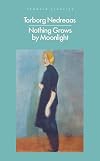
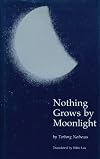
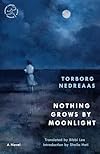
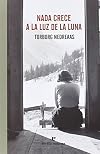
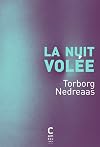
Nothing Grows by Moonlight
by Torborg Nedreaas
On This Page
Description
'It's fantastic, it's incredible' Pedro Almodóvar A hauntingly beautiful, unforgettable Norwegian classic, ripe for discovery In the blue dusk of a spring evening, a man is drawn to a lonely, beautiful stranger across a station platform. She follows him home, and over one heady night of wine and cigarettes, recounts to him the devastating story of her life . . . First published in 1947, Nothing Grows by Moonlight tells the haunting tale of one woman's soul-shattering love affair. When an show more obsessive passion for her high school teacher consumes a small-town seventeen-year-old, her life spirals out of control, giving way to pregnancy, poverty and alienation. Here, darkness and light converge, and unrequited love blooms against the shadows of societal injustices, as she fights for autonomy: over her life, her mind and her body. Captivating, visceral and brimming with emotion, Nothing Grows by Moonlight is a feminist classic of Scandinavian literature, and an uncompromising ode to female desire. show lessTags
Recommendations



















Member Reviews
The book's title is suggestive of the half life the narrator lives, bound by an obsessional love to an older man utterly unworthy of her devotion, & trapped by the hypocritical mores of patriarchal religious values.
80 years since publication, Nedreaas's exploration of "pro-life" misogynistic shaming of pregnancy & abortion that also punishes unmarried mothers and stigmatises and willfully neglects their children is, sadly, still relevant.
There are also themes of depression and mental illness, class struggle, capitalism, infidelity, and suicide, and some graphic descriptions of self-induced abortion, all couched in a brittly beautiful prose.
The narrative structure of compulsive reminiscence lends a dark foreboding to both the past and show more present circumstances of the narrator's life: Nedreaas is honest and doesn't play any cheap tricks on the reader. A plangently melancholy 4.5⭐ show less
80 years since publication, Nedreaas's exploration of "pro-life" misogynistic shaming of pregnancy & abortion that also punishes unmarried mothers and stigmatises and willfully neglects their children is, sadly, still relevant.
There are also themes of depression and mental illness, class struggle, capitalism, infidelity, and suicide, and some graphic descriptions of self-induced abortion, all couched in a brittly beautiful prose.
The narrative structure of compulsive reminiscence lends a dark foreboding to both the past and show more present circumstances of the narrator's life: Nedreaas is honest and doesn't play any cheap tricks on the reader. A plangently melancholy 4.5⭐ show less
This stark, psychologically intense novel centers on a single, devastating experience in a young woman’s life and examines how that collides with her judgment and society’s ostracism. The novel is impactful more for its emotional atmosphere than for its narrative breadth or resolution. The action—such as it is—takes place over one interminable night when she confesses to an unnamed male narrator who picked her up in a Norwegian train station.
The story this woman tells this man touches on multiple feminist themes, including sexual vulnerability, gender hypocrisy, class constraint, and the burdens women bear with respect to their bodies and choices. Nedreaas’ title itself signals her belief that such elements stunt women’s show more moral, emotional and social growth.
The mood is unrelentingly bleak and claustrophobic. Repeated narrative breaks highlight the male companion’s observations and serve to remind the reader that this is a confession taking place in a hotel room in the middle of the night. Nedreaas adopts an unforgiving and sober tone characterized by understatement and careful observation. The narrative’s unrelenting severity can make for demanding reading along with a repetitive feel.
Nedreaas is less interested in plot development than in forcing the reader (and the male companion) to witness the psychological aftermath of this young woman’s trauma and its social consequences. Character development is narrowly focused on the young woman. Nedreaas renders her with psychological precision. We experience her inner life and how it is shaped by fear, resilience and a slowly dawning understanding of her disadvantaged place in society. The secondary characters seem to function more as representatives of societal indifference than fully realized people.
This austere novel carries a powerful message. Yet its persistent bleakness makes for a less than satisfying reading experience. show less
The story this woman tells this man touches on multiple feminist themes, including sexual vulnerability, gender hypocrisy, class constraint, and the burdens women bear with respect to their bodies and choices. Nedreaas’ title itself signals her belief that such elements stunt women’s show more moral, emotional and social growth.
The mood is unrelentingly bleak and claustrophobic. Repeated narrative breaks highlight the male companion’s observations and serve to remind the reader that this is a confession taking place in a hotel room in the middle of the night. Nedreaas adopts an unforgiving and sober tone characterized by understatement and careful observation. The narrative’s unrelenting severity can make for demanding reading along with a repetitive feel.
Nedreaas is less interested in plot development than in forcing the reader (and the male companion) to witness the psychological aftermath of this young woman’s trauma and its social consequences. Character development is narrowly focused on the young woman. Nedreaas renders her with psychological precision. We experience her inner life and how it is shaped by fear, resilience and a slowly dawning understanding of her disadvantaged place in society. The secondary characters seem to function more as representatives of societal indifference than fully realized people.
This austere novel carries a powerful message. Yet its persistent bleakness makes for a less than satisfying reading experience. show less
This is a short but unrelentingly bleak book. I have to say that it was a bit hard to take and took much longer than would be expected to read it. However, this may be because I was reading it alongside some other depressing books. The framing narrative is annoying and sometimes the translation is awkward. The story has the potential to be didactic – possibly too blatantly feminist in the story of a woman who has a relationship with a former teacher and is shunned and scorned while he marries another woman and retains his respectable standing. However, none of the characters are all good or bad and every option leads to some sort of misery. Other social issues are broached but there are no solutions. Well, maybe suicide.
The narrator show more meets a woman on the street and she tells him her story. This device really did seem unnecessary especially as there are frequent interruptions. The woman describes her unhappy and poor family – her drunken but occasionally loving father, her bitter and self-sacrificing mother and her sister, who convinces the father of her child to marry her with unhappy results. The narrator has an affair with Johannes, her former teacher, which at first is wildly happy but soon turns sour. She’s always going back to him though and thinks occasional bursts of affection or interest mean he wants an actual relationship. They are on and off for the whole book but she has to endure the gossip and judgment of the townspeople as well as the grinding poverty while he is much better off. Still, Johannes’ marriage is also conflicted. At times, the narrator addresses abortion (another means to make women disposable in her view), labor issues (strikes lead to nothing but misery) and conventional morality (just more hypocrisy). She meets a kindred spirit in the church organ player but he also has a checkered past. Otherwise, all her relationships are horribly unhappy. There’s enough in here to make it worth reading but it’s quite unpleasant. show less
The narrator show more meets a woman on the street and she tells him her story. This device really did seem unnecessary especially as there are frequent interruptions. The woman describes her unhappy and poor family – her drunken but occasionally loving father, her bitter and self-sacrificing mother and her sister, who convinces the father of her child to marry her with unhappy results. The narrator has an affair with Johannes, her former teacher, which at first is wildly happy but soon turns sour. She’s always going back to him though and thinks occasional bursts of affection or interest mean he wants an actual relationship. They are on and off for the whole book but she has to endure the gossip and judgment of the townspeople as well as the grinding poverty while he is much better off. Still, Johannes’ marriage is also conflicted. At times, the narrator addresses abortion (another means to make women disposable in her view), labor issues (strikes lead to nothing but misery) and conventional morality (just more hypocrisy). She meets a kindred spirit in the church organ player but he also has a checkered past. Otherwise, all her relationships are horribly unhappy. There’s enough in here to make it worth reading but it’s quite unpleasant. show less
A love story, translated from Norwegian to English, of a woman telling a man her life’s story, and the interactions of one night between them. I get what the author was trying to do, and the point of view was beyond unique, but it was a rather maniacal narrative, with fits and starts, and I became rather dizzy, lost in the writing rather than looking in. Unfortunately I did not care for this one at all, but someone else who prefers a harried, raving story pace might. 2⭐
*I was invited to read by the publisher, through NetGalley for an honest review.
*I was invited to read by the publisher, through NetGalley for an honest review.
Fortellingen går over en natt som fortellingstid mens handlingen bare peker bakover, i retrospeksjon. En kvinne treffer en mann, blir med ham hjem og sitter oppe hele natten og forteller sitt liv. Hennes oppvekst skjer i gruveby i fattigdom der hun som ung jente forelsker seg i læreren og naturligvis må forholdet holdes skjult, han finner en annen - apotekerdatteren. Hovedpersonen blir gravid, tar abort, men vender alltid hun tilbake til Johannes om enn via andre forhold, via et ekteskap og via aborter. Hennes lengsler, oppgjør med seg selv, to steg fram og tre tilbake med iakttagelser av ekteskapet, kjærlighetene, fattigdommen, status, det å føde barn, det å være fagorganisert, det å streike,
Ratings
Members
- Recently Added By
Lists

Books Read in 2025
4,090 works; 97 members
Author Information

23+ Works 336 Members
Some Editions
Series
Belongs to Publisher Series
Common Knowledge
- Canonical title
- Nothing Grows by Moonlight
- Original title
- Av måneskinn gror det ingenting
- Alternate titles*
- Im Mondschein wächst nichts; La nuit volée; Nada crece a la luz de la luna; Nothing Grows by Moonlight
- Original publication date
- 1947
- People/Characters
- Narrator; Johannes; Morck; Mohn; Mrs. Nilsen; Amund (show all 11); Narrator's sister; Narrator's mother; Narrator's father; Carl Andersen; Listener
- Important places
- Norway
- Dedication
- For Åse
- First words
- I am looking for someone.
[Bibbi Lee translation] - Last words
- (Click to show. Warning: May contain spoilers.)Not yet.
- Original language
- Norwegian
*Some information comes from Common Knowledge in other languages. Click "Edit" for more information.
Classifications
- Genres
- Fiction and Literature, General Fiction
- DDC/MDS
- 839.823 — Literature & rhetoric German & related literatures Other Germanic literatures Danish and Norwegian literatures Norwegian literature Norwegian Bokmål fiction
- LCC
- PT8950 .N35 .A913 — Language and Literature German, Dutch and Scandinavian literatures Norwegian literature Individual authors or works 1900-1960
- BISAC
Statistics
- Members
- 131
- Popularity
- 248,219
- Reviews
- 5
- Rating
- (3.71)
- Languages
- 7 — Danish, English, French, Norwegian (Bokmål), Norwegian, Spanish, Swedish
- Media
- Paper, Ebook
- ISBNs
- 16
- ASINs
- 3