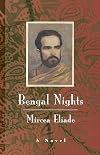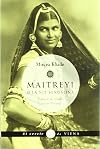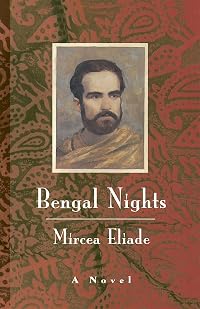
Bengal Nights
by Mircéa Eliade
On This Page
Description
Set in 1930s Calcutta, this is a roman à clef of remarkable intimacy. Originally published in Romanian in 1933, this semiautobiographical novel by the world renowned scholar Mircea Eliade details the passionate awakenings of Alain, an ambitious young French engineer flush with colonial pride and prejudice and full of a European fascination with the mysterious subcontinent. Offered the hospitality of a senior Indian colleague, Alain grasps at the chance to discover the authentic India show more firsthand. He soon finds himself enchanted by his host's daughter, the lovely and inscrutable Maitreyi, a precocious young poet and former student of Tagore. What follows is a charming, tentative flirtation that soon, against all the proprieties and precepts of Indian society, blossoms into a love affair both impossible and ultimately tragic. This erotic passion plays itself out in Alain's thoughts long after its bitter conclusion. In hindsight he sets down the story, quoting from the diaries of his disordered days, and trying to make sense of the sad affair. A vibrantly poetic love story, Bengal Nights is also a cruel account of the wreckage left in the wake of a young man's self discovery. At once horrifying and deeply moving, Eliade's story repeats the patterns of European engagement with India even as it exposes and condemns them. Invaluable for the insight it offers into Eliade's life and thought, it is a work of great intellectual and emotional power. Translated into French in 1950, Bengal Nights was an immediate critical success. The film, Les Nuits Bengali, appeared in 1987. show lessTags
Recommendations

















Member Recommendations
Member Reviews
Ha a nyugati szerző foglalkozik Indiával, az mindig az idegenségről szól. Kiplingtől Indiana Jonesig igaz ez a képlet. Két kultúra kosként koppan egymás fejének, európai racionalitás kontra bengáli misztikum, előbbit izgatja az utóbbi veszettül, de közben világos: valójában nem ismerhetik meg egymást. Megkísérelheti persze Európa kontroll alatt tartani Indiát (ez volt a kiplingi álom, a "fehér ember terhe"), vagy mondjuk úgy: megmenteni önmagától, de hát ez kudarcra ítélt vállalkozás. Akárhogy is: gazdag téma, ami Eliade fantáziáját is megragadta. Merthogy a vallástörténészek doyenje is volt ifjú kiskakas, aki huszonévesen oly komolytalan dolgokkal foglalkozott, mint a regényírás, és show more hát ő is úgy gondolta, hogy van mondanivalója Indiával kapcsolatban. Mondanivalóját pedig egy szerelmi történetbe csomagolta, amelyben elbeszélője bonyolult "húzd meg, ereszd el"-be bonyolódik a hindu szépséggel, Maitreyivel. No most - attól félek - Maitreyi a szerző szerint maga Bengália, egyetlen női testbe szublimálva: titokzatos, mély, lenyűgöző, egyszerre szűz és céda, sérülékeny és veszélyes, meghódítandó rengeteg, amiben mindazonáltal el szokott tévedni az emberfia. Különösebben nem kell amellett érvelnem, miért veszedelmes konstrukció ez az elbeszélő mentális egészsége szempontjából.
No most a baj csak az, hogy Eliade ebből nem tud egy komplett regényt csinálni, csak mondjuk egyharmadnyit. Mert az eleje tetszett, egy kellemesen intellektuális, angolszász típusú szövegnek tűnt, ami ügyesen használja ki az egzotikus körülmények adta lehetőségeket. Csak aztán a harmada után mintha kifulladna a dolog. A szereplők szenvednek persze, ahogy az ilyen esetekben elő van nekik írva, iszonytatóan vágyakoznak, és hol küzdenek a vágyakozás ellen, hol megadják magukat neki. Csak hát ez az erotikus birkózás önmagában nem áll össze markáns regénytestté. Pedig Eliade mindent megpróbál, becsületére legyen mondva: naplójegyzeteket told be, és elbeszélője folyamatosan reagál is rájuk, megjelenítve saját ifjúkori önmagának idősebb, érettebb ellenpontját. De ez csak időlegesen leplezi, hogy maga a cselekmény karcsú, és Eliade nem annyira professzionális író, hogy tartsa magát a kezdeti lendülethez, és egyben tartsa az egészet. Nem érdektelen könyv, ezzel együtt: vannak erős jelenetei, de összességében örülök, hogy Eliade a vallástörténész-szakma mellett kötelezte el magát, regényíróként valószínűleg csak a megbízható középszert célozhatta volna be. show less
No most a baj csak az, hogy Eliade ebből nem tud egy komplett regényt csinálni, csak mondjuk egyharmadnyit. Mert az eleje tetszett, egy kellemesen intellektuális, angolszász típusú szövegnek tűnt, ami ügyesen használja ki az egzotikus körülmények adta lehetőségeket. Csak aztán a harmada után mintha kifulladna a dolog. A szereplők szenvednek persze, ahogy az ilyen esetekben elő van nekik írva, iszonytatóan vágyakoznak, és hol küzdenek a vágyakozás ellen, hol megadják magukat neki. Csak hát ez az erotikus birkózás önmagában nem áll össze markáns regénytestté. Pedig Eliade mindent megpróbál, becsületére legyen mondva: naplójegyzeteket told be, és elbeszélője folyamatosan reagál is rájuk, megjelenítve saját ifjúkori önmagának idősebb, érettebb ellenpontját. De ez csak időlegesen leplezi, hogy maga a cselekmény karcsú, és Eliade nem annyira professzionális író, hogy tartsa magát a kezdeti lendülethez, és egyben tartsa az egészet. Nem érdektelen könyv, ezzel együtt: vannak erős jelenetei, de összességében örülök, hogy Eliade a vallástörténész-szakma mellett kötelezte el magát, regényíróként valószínűleg csak a megbízható középszert célozhatta volna be. show less
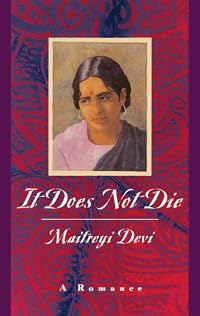
I have not yet read Devi's "It Does Not Die" but I have read what I could find on the Eliade/Devi romance. Much of this book is Orientalist nonsense, vacillating between utter worship of all things Indian and condescension towards the same. Maitreyi is portrayed rather unflatteringly; she is obviously an accomplished and gifted young woman, yet all Alain sees is a fetishized brown goddess. More oddly still, his last line is a hope to see Maitreyi again, and yet he rejects even her attempts to speak to him via telephone. All in all, an engaging read, but repulsive on several levels.
Supposedly fiction but is actually an autobiography of his affari with Maitreyi Devi - see "It does not die" in which she tears him to pieces.
Mircea Eliade is always a great to read.
Calcuta, 1930. Un ambicioso ingeniero francés llega a la India lleno de orgullo y prepotencia coloniales, abrigado por las costumbres y las ideas preconcebidas de los europeos. Habiendo aceptado la invitación de su patrón a alojarse en su casa, conoce a Maitreyi, la hermosa hija de su anfitrión, quien parece encarnar todo el encanto y la singularidad de este nuevo mundo. Hechizado por su belleza y su poder, se enamora y, violando todos los tabúes, comienza entre ellos una relación amorosa que no puede trascender las reglas de la sociedad hindú y que, inevitablemente, conducirá a un final trágico. La novela esta basada en las experiencias personales de Mircea Eliade, quien construye a partir de un diario «los momentos más show more dramáticos de su vida»: su apasionado amor por la hija de su maestro, Surendranath Dasgupta. El, occidental, y ella, hindú, mantienen una relación ardiente e imposible, prohibida y sublime, trágica e inmortal como la que solo puede existir entre los verdaderos amantes: Tristan e Isolda, Romeo y Julieta, Radha y Krishna, Rama y Sita, Orfeo y Euricide... show less
Nov 23, 2010Spanish
Mircea Eliade, cuando joven, viaja a la Inda y se enamora de la hija de su mentor. Para el un romance apasionado donde las diferencias religiosas y culturales son evidentes, pero no imposibles.
Apr 28, 2009Spanish
Cartea „Maitreyi” de Mircea Eliade explorează iubirea imposibilă și confruntarea culturilor diferite, fiind un roman autobiografic inspirat din experiențele autorului în India și din relația sa cu Maitreyi Devi.
📖 Despre autor
a) Mircea Eliade – scriitor, filosof și istoric al religiilor român, cunoscut pentru studiile despre mit, simbol și religie.
b) A scris romane, nuvele și lucrări științifice despre istoria religiilor și culturile orientale.
c) A influențat literatura română și studiul comparativ al religiilor la nivel internațional.
📚 Despre volum
a) Povestea se bazează pe experiența personală a autorului în India.
b) Explorează diferențele culturale și obstacolele în iubirea interzisă.
c) show more Dezvăluie frumusețea și complexitatea relațiilor umane într-un cadru exotic.
d) Include reflecții asupra destinului, pasiunii și autocunoașterii.
🔎 Teme principale
a) Dragoste imposibilă și diferențe culturale.
b) Tensiunea între rațiune și pasiune.
c) Impactul societății și al tradițiilor asupra vieții personale.
e) Descoperirea de sine și maturizarea emoțională.
f) Confruntarea dintre valori occidentale și orientale.
⚖️ Semnificație
a) O lucrare reprezentativă pentru literatura autobiografică și de călătorie.
b) Oferă perspective asupra relațiilor interculturale și psihologiei iubirii.
c) Contribuie la înțelegerea influenței culturii și tradițiilor asupra vieții individuale. show less
📖 Despre autor
a) Mircea Eliade – scriitor, filosof și istoric al religiilor român, cunoscut pentru studiile despre mit, simbol și religie.
b) A scris romane, nuvele și lucrări științifice despre istoria religiilor și culturile orientale.
c) A influențat literatura română și studiul comparativ al religiilor la nivel internațional.
📚 Despre volum
a) Povestea se bazează pe experiența personală a autorului în India.
b) Explorează diferențele culturale și obstacolele în iubirea interzisă.
c) show more Dezvăluie frumusețea și complexitatea relațiilor umane într-un cadru exotic.
d) Include reflecții asupra destinului, pasiunii și autocunoașterii.
🔎 Teme principale
a) Dragoste imposibilă și diferențe culturale.
b) Tensiunea între rațiune și pasiune.
c) Impactul societății și al tradițiilor asupra vieții personale.
e) Descoperirea de sine și maturizarea emoțională.
f) Confruntarea dintre valori occidentale și orientale.
⚖️ Semnificație
a) O lucrare reprezentativă pentru literatura autobiografică și de călătorie.
b) Oferă perspective asupra relațiilor interculturale și psihologiei iubirii.
c) Contribuie la înțelegerea influenței culturii și tradițiilor asupra vieții individuale. show less
Sep 19, 2025Romanian
Members
- Recently Added By
Author Information

Born in Bucharest, Rumania, Mircea Eliade studied at the University of Bucharest and, from 1928 to 1932, at the University of Calcutta with Surendranath Dasgupta. After taking his doctorate in 1933 with a dissertation on yoga, he taught at the University of Bucharest and, after the war, at the Sorbonne in Paris. From 1957, Eliade was a professor show more of the history of religions at the University of Chicago. He was at the same time a writer of fiction, known and appreciated especially in Western Europe, where several of his novels and volumes of short stories appeared in French, German, Spanish, and Portuguese. Two Tales of the Occult "to relate some yogic techniques, and particularly yogic folklore, to a series of events narrated in the genre of a mystery story." Both Nights of Serampore and The Secret of Dr. Honigberger evoke the mythical geography and time of India. Mythology, fantasy, and autobiography are skillfully combined in Eliade's tales. (Bowker Author Biography) show less
Some Editions
Awards and Honors
Notable Lists
Series
Belongs to Publisher Series
Work Relationships
Is replied to in
Common Knowledge
- Canonical title
- Bengal Nights
- Original title
- La nuit bengali
- Alternate titles
- Maitreya
- Original publication date
- 1950
- People/Characters
- Mircea Eliade; Maitreyi Devi; Surendranath Dasgupta
- Related movies
- La nuit Bengali (1988 | IMDb)
Classifications
- Genres
- Fiction and Literature, General Fiction
- DDC/MDS
- 859.334 — Literature & rhetoric Italian, Romanian & related literatures Literatures of Romanian, Rhaetian, Sardinian, Corsican languages Romanian fiction 1900– 1945–
- LCC
- PC839 .E38 .M3 — Language and Literature Romanic languages Romance Romanian
- BISAC
Statistics
- Members
- 322
- Popularity
- 99,477
- Reviews
- 8
- Rating
- (3.76)
- Languages
- 12 — Catalan, Czech, English, Esperanto, Estonian, French, German, Hungarian, Japanese, Polish, Romanian, Spanish
- Media
- Paper, Ebook
- ISBNs
- 26
- UPCs
- 1
- ASINs
- 4