The Big Brag
by Dr. Seuss
On This Page
Description
A rhyming story in which a rabbit and a bear argue about which one of them is the best, until a worm reveals the truth.Tags
Recommendations
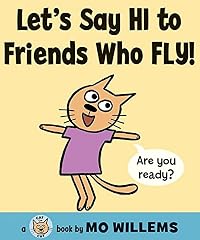
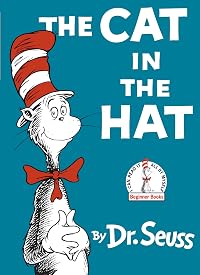
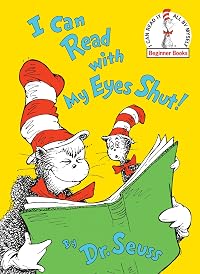
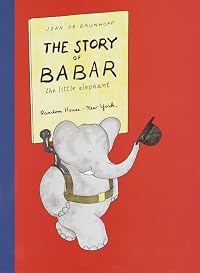
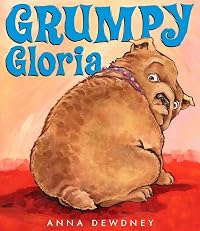
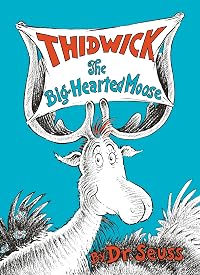

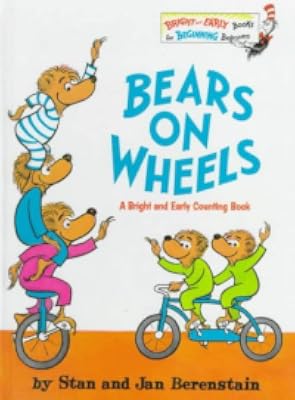
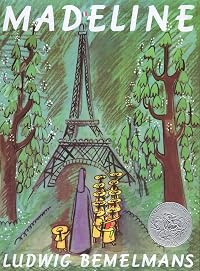
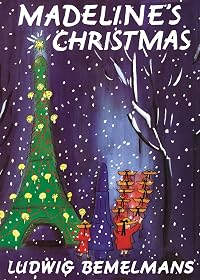

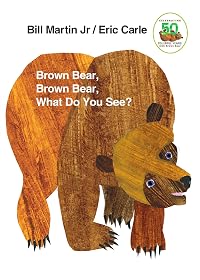
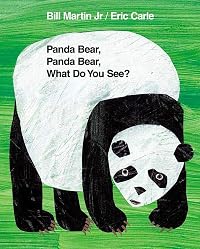
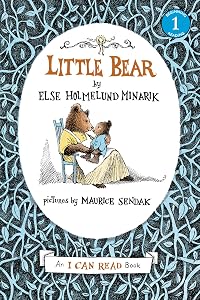
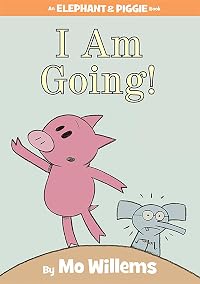



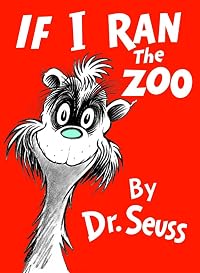
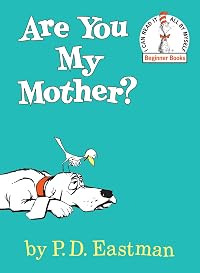
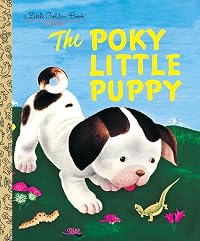
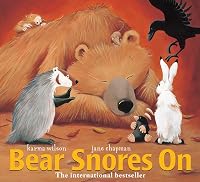
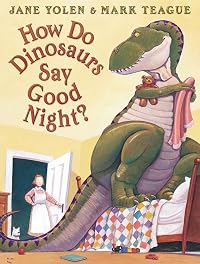
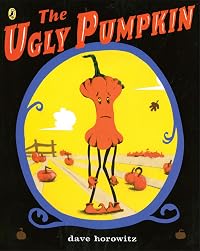
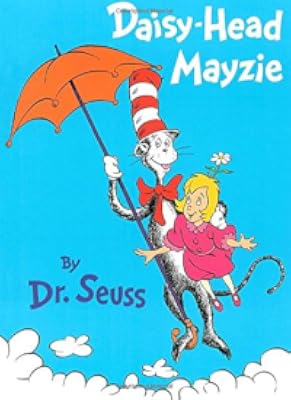
Member Recommendations
sweetiegherkin A more recent exploration in a children's picture book of how boasting/showing off is ultimately futile, although in The Legend of Ninja Cowboy Bear, the moral is stated a bit more obviously than in The Big Brag. In addition, The Legend of Ninja Cowoby Bear provides opportunity for the three formerly bragging characters to use their differences to help one another.
Member Reviews
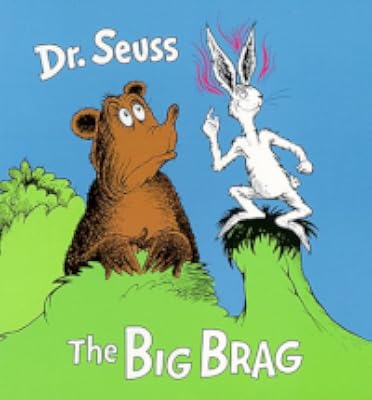
A rabbit and a bear begin boasting to one another about who is better, the rabbit noting his keen sense of hearing while the bear emphasizes his ability to smell across far distances. At the end, a worm pops up to say he can see so well that he can see the two fools in front of him arguing about nonsense.
This short book from Dr. Seuss is well written, with lots of rhyme and some hyperbole. The characters are lively and the tale has the air of Aesopian fable, although it falls short of specifically stating a moral of the story. The illustrations are rather typical of Dr. Seuss's animal caricatures and thus have the element of familiarity. It's an entertaining enough read, although I can't say it grabbed me as well as some other Seussical show more titles. show less
This short book from Dr. Seuss is well written, with lots of rhyme and some hyperbole. The characters are lively and the tale has the air of Aesopian fable, although it falls short of specifically stating a moral of the story. The illustrations are rather typical of Dr. Seuss's animal caricatures and thus have the element of familiarity. It's an entertaining enough read, although I can't say it grabbed me as well as some other Seussical show more titles. show less
The Big Brag is book by Dr. Seuss that tells the story of a rabbit and bear who compare one another’s capabilities to determine who is better, before being told by a worm on the ground that they are both fools for trying to say they are the best of the best. In my opinion, this was a very creative and entertaining story. One reason as to why I enjoyed this book so much was because of the iconic rhyme scheme that Dr. Seuss develops throughout the passage. Rhyming books seem to make things peppier and fun to read and listen to. For example, when the bear in the story attempts to show off his incredible sense of smell Seuss depicts it as “He wiggled that nose and he sniffed and he snuffed. He waggled that nose and he whiffed and he show more whuffed.” Another reason I enjoyed this book so much was the big idea or moral of the story- we all have unique abilities, but our ability to do something better than someone else does not make us a better person than them. This is a message that is ideal to convey to children whom may feel as though they need to compare themselves to others. This is illustrated in the words of the worm who calls out the rabbit and bear on their foolishness; after saying he has the best sight the worm states, “And the fools that I saw were none other than you, who seem to have nothing else better to do than sit here and argue who’s better than who.” And my last remark in regards to my opinion would be that the illustrations do a tremendous job at captivating audiences and portraying the creative story line. While Seuss only used red, blue, white, and green to color his illustrations, they were still imaginative and signature to the Seuss style. show less
The bear and the rabbit try to outdo one another. The rabbit says it can hear very far, while the bear argues that he can see further than the rabbit can hear. In the end, both the rabbit and the bear look like immature creatures. Trying to outdo someone is ultimately a waste of time and energy.
This book is great way to teach children that bragging just makes you look like a fool not better than you are.
All students love Dr. Seuss. This book has a good use of rhyming words. It also teaches students that bragging is not good. http://www.seussville.com/lb/home.html
Ratings
Members
- Recently Added By
Author Information

795+ Works 357,965 Members
Theodor Seuss Geisel was born in Springfield, Massachusetts on March 2, 1904. He wrote and illustrated more than 45 picture books under the pseudonym Dr. Seuss. His first picture book, And to Think That I Saw It on Mulberry Street, was published in 1937. His other books included The Cat in the Hat, The Butter-Battle Book, The Lorax, The Bippolo show more Seed and Other Lost Stories, Fox in Socks: Dr. Seuss's Book of Tongue Tanglers, What Pet Should I Get?, and Oh, the Places You'll Go. In 1984, he received a Pulitzer Prize for his contributions to children's literature. He died of oral cancer on September 24, 1991 at the age of 87. (Bowker Author Biography) show less
Series
Belongs to Publisher Series
Work Relationships
Is contained in
Common Knowledge
- Canonical title
- The Big Brag
- Disambiguation notice
- also published in Yertle the Turtle and other Stories
Classifications
Statistics
- Members
- 68
- Popularity
- 458,482
- Reviews
- 5
- Rating
- (3.82)
- Languages
- English
- Media
- Paper
- ISBNs
- 2
- ASINs
- 1