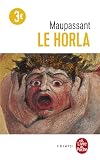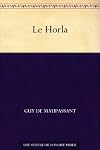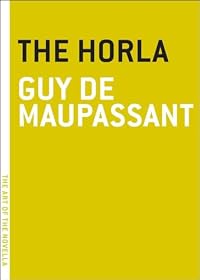
The Horla [short story]
by Guy de Maupassant, F. Rachmuhl
On This Page
Description
"This chilling tale of one man's descent into madness was published shortly before the author was institutionalized for insanity, and so, The Horla has inevitably been seen as informed by Guy de Maupassant's mental illness. While such speculation is murky, it is clear that de Maupassant hailed alongside Chekhov as father of the short story was at the peak of his powers in this innovative precursor of first-person psychological fiction. Indeed, he worked for years on The Horla's themes and show more form, first drafting it as Letter from a Madman, then telling it from a doctor's point of view, before finally releasing the terrified protagonist to speak for himself in its devastating final version. In a brilliant new translation, all three versions appear here as a single volume for the first time." show lessTags
Recommendations





















Member Reviews
YEY otra reseña que nadie va a leer, de una novella que nadie conoce, de un escritor frances pesismita y que cuando la lea de vuelta en una semana me va a producir cringe.
El horla es uno de mis cuentos favoritos de todos los tiempos porque trata de temas que tanto hace 200 años como ahora son actuales. La locura, el fin de nuestra era y el miedo de lo que no conocemos.
La historia es simple, a un noble frances le empiezan a ocurrir cosas raras y se lo atribuye a una criatura invisible llamada "el horla" hasta que se vuelve medio loco por ella y quema su casa supuestamente matando a la criatura pero tambien a todos los criados. Un resumen de mierda pero sirve, la sucesion de eventos no es lo importante si no los temas tratados.
Vemos show more todo a través de los ojos de lo que nuestro narrador decide escribir en su diario y su narracion empieza normal pero para el final de la historia termina siendo la de un loco. Y creo que eso encapsula un terror que todos tenemos en cierta medida o que habremos tenido. Que hay algo mal con nosotros pero no nos damos cuenta, que todo es una alucinacion, que estamos mal de la cabeza y ni nos enteramos. Y la forma en la que es retratada la caida a la locura de nuestro personaje es aterradora. Empieza lucido pero le empiezan a pasar cosas. Al principio pequeñas, casi insignificantes,como si fuera un pie de pagina en su dia pero se vuelven mas y mas grandes hasta que nuestro prota tiene su primera caida y decide viajar para intentar mejorarse. Pero cuando vuelve todo comienza de vuelta hasta que termina en su locura final donde quema la casa.
El antagonista,si se lo puede llamar asi, es el horla.Una criatura a la que con los años e interpretaciones de la historia le han dado un millon y un interpretaciones pero que basicamente es : una criatura inteligente,posiblemente humanoide, inperceptible a la vista y una especie de "sucersor" a la hegemonia humana. Tambien puede ser un alien o un reflejo de la persona pero nunca es dicho explicitamente. Creo que es de verdad un concepto que da miedo pero no el miedo comun que te puede dar un mounstruo, un asesino serial o un insecto. Es miedo de refrigerador,porque a primera vista no es algo muy aterrador pero cuando uno esta solo y se abre una puerta, algo misteriosamente no esta donde lo dejaste o escuchas un ruido cuando estas a punto de dormirte. Ese es el miedo del horla. Porque no solo es un mounstruo mas, es nuestro sucesor,el individuo que cuando nosotros seamos polvo va a ser dominante... y ni si quiera somos capaz de verlo.
A veces cuando voy a tomar agua en medio de la noche y escucho un ruido y me asusto incluso sabiendo que no hay nada. Y cuando salgo de ese miedo tonto y vuelvo a la realidad me pregunto que es peor¿que el horla exista y no podamos verlo o que un hombre sano se vuelva loco por la soledad e inabilidad a comprender los fenomos a su alrededor? y ese,es el miedo del horla
Bueno,escribi una reseña enorme que solo mis 5 amigos en goodreads van a leer pero me alegra poder dejar mis pensamientos en algun lado aunque vayan a caer en la irelevancia y eventualmente a la obscuridad por el paso del tiempo y la entropia de informacion. Y si leiste mi reseña completa... ¿porque? anda a hacer algo productivo show less
El horla es uno de mis cuentos favoritos de todos los tiempos porque trata de temas que tanto hace 200 años como ahora son actuales. La locura, el fin de nuestra era y el miedo de lo que no conocemos.
La historia es simple, a un noble frances le empiezan a ocurrir cosas raras y se lo atribuye a una criatura invisible llamada "el horla" hasta que se vuelve medio loco por ella y quema su casa supuestamente matando a la criatura pero tambien a todos los criados. Un resumen de mierda pero sirve, la sucesion de eventos no es lo importante si no los temas tratados.
Vemos show more todo a través de los ojos de lo que nuestro narrador decide escribir en su diario y su narracion empieza normal pero para el final de la historia termina siendo la de un loco. Y creo que eso encapsula un terror que todos tenemos en cierta medida o que habremos tenido. Que hay algo mal con nosotros pero no nos damos cuenta, que todo es una alucinacion, que estamos mal de la cabeza y ni nos enteramos. Y la forma en la que es retratada la caida a la locura de nuestro personaje es aterradora. Empieza lucido pero le empiezan a pasar cosas. Al principio pequeñas, casi insignificantes,como si fuera un pie de pagina en su dia pero se vuelven mas y mas grandes hasta que nuestro prota tiene su primera caida y decide viajar para intentar mejorarse. Pero cuando vuelve todo comienza de vuelta hasta que termina en su locura final donde quema la casa.
El antagonista,si se lo puede llamar asi, es el horla.Una criatura a la que con los años e interpretaciones de la historia le han dado un millon y un interpretaciones pero que basicamente es : una criatura inteligente,posiblemente humanoide, inperceptible a la vista y una especie de "sucersor" a la hegemonia humana. Tambien puede ser un alien o un reflejo de la persona pero nunca es dicho explicitamente. Creo que es de verdad un concepto que da miedo pero no el miedo comun que te puede dar un mounstruo, un asesino serial o un insecto. Es miedo de refrigerador,porque a primera vista no es algo muy aterrador pero cuando uno esta solo y se abre una puerta, algo misteriosamente no esta donde lo dejaste o escuchas un ruido cuando estas a punto de dormirte. Ese es el miedo del horla. Porque no solo es un mounstruo mas, es nuestro sucesor,el individuo que cuando nosotros seamos polvo va a ser dominante... y ni si quiera somos capaz de verlo.
A veces cuando voy a tomar agua en medio de la noche y escucho un ruido y me asusto incluso sabiendo que no hay nada. Y cuando salgo de ese miedo tonto y vuelvo a la realidad me pregunto que es peor¿que el horla exista y no podamos verlo o que un hombre sano se vuelva loco por la soledad e inabilidad a comprender los fenomos a su alrededor? y ese,es el miedo del horla
Bueno,escribi una reseña enorme que solo mis 5 amigos en goodreads van a leer pero me alegra poder dejar mis pensamientos en algun lado aunque vayan a caer en la irelevancia y eventualmente a la obscuridad por el paso del tiempo y la entropia de informacion. Y si leiste mi reseña completa... ¿porque? anda a hacer algo productivo show less
One of the first books that I read in French was a collection of short stories by Guy de Maupassant, and I recently found a copy of Le Horla at the used bookstore, and decided to revisit them about a year later. I remember that the first time, I recounted the plots of a few of them to my girlfriend because I thought they were rather humorous and ingenious in their depiction of situations and moments in French life. Reading them for a second time, I was once again taken by these short and straightforward stories: the detachment of troops who find an abandoned house filled with provisions and throw a feast, and the surprising manner in which the local priest fulfills their request for female accompaniment; the woman overtaken by curiosity show more as she looks out of her balcony window and sees another woman signaling her services to passers-by on the street; a confrontation between fishermen and their wives over a prime fishing spot; and an interrogation by a local authority of two elderly people caught in the midst of an improper act in the middle of the forest. I enjoy Maupassant´s development of unique yet everyday situations, and the stories that make up the bulk of my edition of Le Horla were a lot of fun to read again, because I was familiar with them and began each story with the recognition of having read it before, but without fully remembering the details or even some of the major twists in each one.
I read in the introduction to my edition that Maupassant was influenced by Poe, and his examination of madness in two of the stories, L´Auberge and the title story, was where I thought this influence was most apparent (although it´s been many years since I read Poe´s stories). L´Auberge was neat because its story, that of two men wintering in a resort hotel in the mountains, trapped by snow and isolated from the rest of the world, has been depicted (albeit in a different fashion) in the movie The Shining. It was easy to compare the younger man´s descent into madness with that of Jack Nicholson in the movie, and I enjoyed thinking how the scenario presented in Maupassant´s movie passed through the generations and was reintroduced in cinematic form so many years later. Le Horla is also a story of madness and one man´s quest to discover a being that haunts him, drinking his water at night and making him feel possessed and ill at ease in his own home. There are two versions, and the earlier, shorter one was included in the appendix of my book. The earlier version is the narration of the man´s account of his madness (or perception of an alien being come to earth to supplant mankind) to a group of psychiatrists. The second version is in diary form, and expands his story to more fully examine his journey from sanity to madness. The narrator views a hypnotism and relates his experiences with the invisible being that haunts him to the hypnosis of his cousin, which I thought added an interesting parallel to his story. Apparently hypnotism was en vogue in Paris around the time that Maupassant wrote Le Horla, and it´s interesting to think about the effect that its inclusion in the story would have on his contemporaries as they read it.
I´m glad to have read this book for a second time, and I´m thinking about passing it along to a friend of mine who studied French as a kid. His stories remind me of those of Chekhov in their realism and depiction of 19th century life, and I´m glad to have learned about French life from him as I learned about Russian life from Chekhov. I also am glad to be familiar with his work as I continue to read Latin American short fiction, because I have read of his influence on the early generations of short story writers in Latin America. I’m also curious to read more of his work, and to see how his novels compare to his short fiction. show less
I read in the introduction to my edition that Maupassant was influenced by Poe, and his examination of madness in two of the stories, L´Auberge and the title story, was where I thought this influence was most apparent (although it´s been many years since I read Poe´s stories). L´Auberge was neat because its story, that of two men wintering in a resort hotel in the mountains, trapped by snow and isolated from the rest of the world, has been depicted (albeit in a different fashion) in the movie The Shining. It was easy to compare the younger man´s descent into madness with that of Jack Nicholson in the movie, and I enjoyed thinking how the scenario presented in Maupassant´s movie passed through the generations and was reintroduced in cinematic form so many years later. Le Horla is also a story of madness and one man´s quest to discover a being that haunts him, drinking his water at night and making him feel possessed and ill at ease in his own home. There are two versions, and the earlier, shorter one was included in the appendix of my book. The earlier version is the narration of the man´s account of his madness (or perception of an alien being come to earth to supplant mankind) to a group of psychiatrists. The second version is in diary form, and expands his story to more fully examine his journey from sanity to madness. The narrator views a hypnotism and relates his experiences with the invisible being that haunts him to the hypnosis of his cousin, which I thought added an interesting parallel to his story. Apparently hypnotism was en vogue in Paris around the time that Maupassant wrote Le Horla, and it´s interesting to think about the effect that its inclusion in the story would have on his contemporaries as they read it.
I´m glad to have read this book for a second time, and I´m thinking about passing it along to a friend of mine who studied French as a kid. His stories remind me of those of Chekhov in their realism and depiction of 19th century life, and I´m glad to have learned about French life from him as I learned about Russian life from Chekhov. I also am glad to be familiar with his work as I continue to read Latin American short fiction, because I have read of his influence on the early generations of short story writers in Latin America. I’m also curious to read more of his work, and to see how his novels compare to his short fiction. show less
"Después del hombre, el Horla".
Esta frase del autor resume, desde mi punto de vista distorsionado de la realidad, valga siempre realizar dicha aclaración, que por cierto es una característica común de cada ser humano que habita sobre la faz de este mundo, no se vaya a creer que uno es especial o un alienado o cualquier cosa fuera de lo regular, esta frase resume, decía, la fuerza y narración de este cuento impresionante, de esos que juegan con los límites entre lo verídico e inverosímil, entre el asombro del desarrollo científico y la insignificancia de este punto flotante en el cosmos. Pero también es un cuento con tintes de horror, cuya intensidad crece exponencial a medida que los hechos son revelados en el apunte diario show more de notas del personaje principal. Fascinante el cómo transforma el descubrimiento de un ser invisible, que deambula e inquieta la normalidad de una casa acomodada, en el heraldo de una nueva raza de seres que conquistarán a la humanidad, tal como esta última lo ha realizado, con total desfachatez, justificando e invocando la naturaleza humana, ante otros seres y civilizaciones que le parecieron inferiores. Creo que por un par de noches será pertinente dejar dispuestos, en la cercanía de mi recámara, los refrescos necesarios ante una eventual visita de tan respetable espectro. show less
Esta frase del autor resume, desde mi punto de vista distorsionado de la realidad, valga siempre realizar dicha aclaración, que por cierto es una característica común de cada ser humano que habita sobre la faz de este mundo, no se vaya a creer que uno es especial o un alienado o cualquier cosa fuera de lo regular, esta frase resume, decía, la fuerza y narración de este cuento impresionante, de esos que juegan con los límites entre lo verídico e inverosímil, entre el asombro del desarrollo científico y la insignificancia de este punto flotante en el cosmos. Pero también es un cuento con tintes de horror, cuya intensidad crece exponencial a medida que los hechos son revelados en el apunte diario show more de notas del personaje principal. Fascinante el cómo transforma el descubrimiento de un ser invisible, que deambula e inquieta la normalidad de una casa acomodada, en el heraldo de una nueva raza de seres que conquistarán a la humanidad, tal como esta última lo ha realizado, con total desfachatez, justificando e invocando la naturaleza humana, ante otros seres y civilizaciones que le parecieron inferiores. Creo que por un par de noches será pertinente dejar dispuestos, en la cercanía de mi recámara, los refrescos necesarios ante una eventual visita de tan respetable espectro. show less
An interesting short story, presented as a novella length book by including three different versions. Each version has a different approach to the narrative: first person narration, as a "Letter from a Madman", and in a frame story in which an alienist (psychiatrist) introduces a patient, who then tells the story. All versions include the basic ideas: our perceptions are limited, so how can we judge the reality of what lies beyond them? Is possession by an invisible being very different from the effects of hypnotic suggestion? The rationality of the madman, a well-informed, French country gentleman in the late 19th century, is what makes this story of unexplained events entertaining. The first, and final, version would've been enough show more for me, but add a star if you're interested in the alternative narrative techniques. show less
A man thinks there is something haunting him in his home, something he can't see. Is it for real or just in his mind?
A fascinating short story. Eerie and atmospheric.I wasn't happy about what happened to the servants in the house though.
A fascinating short story. Eerie and atmospheric.
Old-school horror story. It reminds me of 'The Double' by Dostoevsky.
2022-07-03
Members
- Recently Added By
Lists

Dishonourable Mentions of 2013
189 works; 62 members

Lovecraft's 'Supernatural Horror in Literature' Reading List
216 works; 8 members

Authors from France
23 works; 2 members

Speculative Fiction from around the World
610 works; 17 members

Books Read By artturnerjr - 2015
27 works; 1 member

Books I recommend to everyone
29 works; 1 member
Author Information

2,536+ Works 26,548 Members
Henry-René-Albert-Guy de Maupassant was born on August 5, 1850 in France. He was schooled at a seminary in Yvetot and Le Harve. He fought in the Franco-German War, then held civil service posts with the Ministry of the Navy and the Ministry of Public Instruction. He also worked with Gustave Flaubert, who helped him develop his writing talent and show more introduced him to many literary greats. During his lifetime, he wrote six novels, three travel books, one book of verse, and over 300 short stories. He is considered one of the fathers of the modern short story. His works include The Necklace, A Piece of String, Mademoiselle Fifi, Miss Harriet, My Uncle Jules, Found on a Drowned Man, and The Wreck. He suffered from mental illness in his later years and attempted suicide on January 2, 1892. He was committed to a private asylum in Paris, where he died on July 6, 1893. (Bowker Author Biography) show less
1 Work 746 Members
Some Editions
Awards and Honors
Awards
Notable Lists
Series
Belongs to Publisher Series
Work Relationships
Is contained in
Demons of the Night: Tales of the Fantastic, Madness, and the Supernatural from Nineteenth-Century France by Joan C. Kessler
The Horla and Others: Guy de Maupassant's Best Weird Fiction and Ghost Stories: Tales of Mystery, Murder, Fantasy & Horror (Oldstyle Tales' Horror Authors) by Guy de Maupassant
Has the adaptation
Reference guide/companion to
Common Knowledge
- Canonical title
- The Horla [short story]
- Original title
- Le Horla
- Alternate titles
- Letter from a Madman
- Original publication date
- 1885 (Letter from a Madman) (Letter from a Madman); 1886 (1st ed Horla) (1st ed Horla); 1887 (final version) (final version)
- People/Characters
- Madame Sablé; Doctor Parent
- Important places
- Tourville-sur-Arques, Normandy, France; France; Rouen, Seine-Maritime, Normandy, France; Roumare Forest, Normandy, France; Avranches, Manche, Normandy, France; Mont Saint-Michel, Normandy, France (show all 7); Paris, France
- Related movies
- Diary of a Madman (1963 | IMDb)
- First words
- May 8. What a lovely day! I have spent all the morning lying on the grass in front of my house, under the enormous plantain tree which covers and shades and shelters the whole of it. I like this part of the country; I am fond... (show all) of living here because I am attached to it by deep roots, the profound and delicate roots which attach a man to the soil on which his ancestors were born and died, to their traditions, their usages, their food, the local expressions, the peculiar language of the peasants, the smell of the soil, the hamlets, and to the atmosphere itself.
- Last words*
- (Click to show. Warning: May contain spoilers.)Dann muß ich mich töten!
(Click to show. Warning: May contain spoilers.)Aber dann... dann muß ich mich selbst töten... - Original language
- French
- Disambiguation notice
- This is for the short story only. Collections should not be combined.
*Some information comes from Common Knowledge in other languages. Click "Edit" for more information.
Classifications
- Genres
- Fiction and Literature, General Fiction, Horror
- DDC/MDS
- 843.8 — Literature & rhetoric French & related literatures French fiction Later 19th century 1848–1900
- LCC
- PQ2349 .H713 — Language and Literature French, Italian, Spanish and Portuguese literatures French literature Modern literature 19th century
- BISAC
Statistics
- Members
- 746
- Popularity
- 37,491
- Reviews
- 15
- Rating
- (3.64)
- Languages
- 12 — Catalan, Czech, Danish, Dutch, English, French, German, Italian, Polish, Portuguese, Spanish, Swedish
- Media
- Paper, Audiobook, Ebook
- ISBNs
- 92
- ASINs
- 32