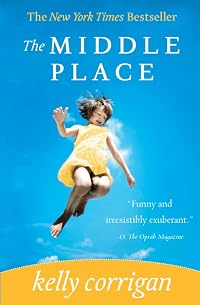
The Middle Place
by Kelly Corrigan
On This Page
Description
At 36, Kelly had a good marriage, a couple of kids, and a weekly newspaper column. But she still saw herself as George Corrigan's daughter. A garrulous Irish-American charmer from Baltimore, George was the center of the ebullient, raucous Corrigan clan. Kelly's was a colorful childhood, just the sort a girl could get attached to. She lives deep within what she calls the Middle Place--"that sliver of time when parenthood and childhood overlap"--but she's abruptly shoved into a coming-of-age show more when she finds a lump in her breast. And so her journey to full-blown adulthood begins. When George, too, learns he has late-stage cancer, it is Kelly's turn to take care of the man who had always taken care of her--and show us a woman as she finally takes the leap and grows up.--From publisher description. show lessTags
Recommendations


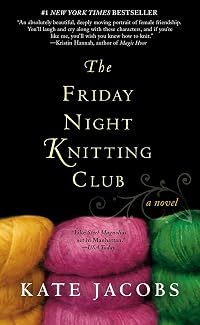
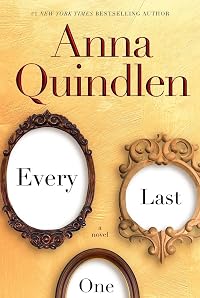
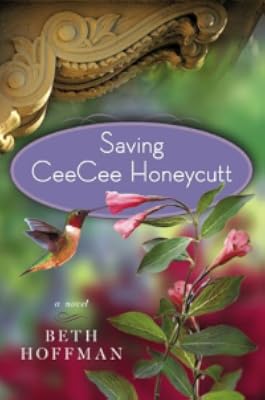
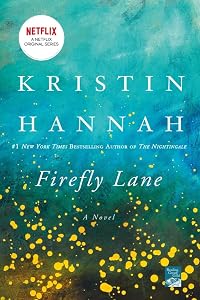





Member Recommendations
Member Reviews
Yesterday, I finished listening to The Middle Place and wept.
At 36, Kelly Corrigan's life seems perfect. She and her husband are doing well living and working in the Bay Area and she is embracing motherhood with 2 young girls. Even though she is an adult, she still sees herself as George Corrigan's only daughter. Her father, who is described as larger-than-life, still remains a major part of her life. She is in the 'Middle Place' between when our parents are everything and we are the parents. And then things change. Kelly is diagnosed with breast cancer and her father is diagnosed with late-stage bladder cancer. This beautifully told memoir describes Kelly's childhood as a daughter of George Corrigan and her life as she deals not only show more with her own cancer, but as a family member of someone who has cancer.
This book touched me in so many ways. It reminded me of when my husband was diagnosed with prostate cancer - the frustration of wanting a solution, a cure and discovering that there are no formulas or flow charts to follow that provide a 'right' answer. It reminded me of dealing with my parents' health issues remotely - and those 'fun' family discussions among siblings about what to do next. But what made me cry was knowing that all of us who are still in 'the middle place' will eventually leave when our parents die, and although we will be fine living our own adult lives, there will be a heartbreaking loss of no longer being someone's daughter. show less
At 36, Kelly Corrigan's life seems perfect. She and her husband are doing well living and working in the Bay Area and she is embracing motherhood with 2 young girls. Even though she is an adult, she still sees herself as George Corrigan's only daughter. Her father, who is described as larger-than-life, still remains a major part of her life. She is in the 'Middle Place' between when our parents are everything and we are the parents. And then things change. Kelly is diagnosed with breast cancer and her father is diagnosed with late-stage bladder cancer. This beautifully told memoir describes Kelly's childhood as a daughter of George Corrigan and her life as she deals not only show more with her own cancer, but as a family member of someone who has cancer.
This book touched me in so many ways. It reminded me of when my husband was diagnosed with prostate cancer - the frustration of wanting a solution, a cure and discovering that there are no formulas or flow charts to follow that provide a 'right' answer. It reminded me of dealing with my parents' health issues remotely - and those 'fun' family discussions among siblings about what to do next. But what made me cry was knowing that all of us who are still in 'the middle place' will eventually leave when our parents die, and although we will be fine living our own adult lives, there will be a heartbreaking loss of no longer being someone's daughter. show less
The Middle Place at the surface was a memoir about Kelly Corrigan’s fight against breast cancer. Kelly approached her cancer with every ounce of fight in her being, determined to survive it, beat it and scare it away. When her father was diagnosed with bladder cancer during Kelly’s treatment, she realized that she couldn’t fight her father’s cancer too. In the end, this memoir was so much more about fighting – it was about living, loving and cherishing every moment with people who enter your lives.
Kelly’s descriptions of her father, affectionately called “Greenie,” were charming and humorous. Greenie was one-of-a-kind – a real Irish guy who put faith in God and in a firm handshake. His attitude was infectious. show more Thankfully, Kelly was plucky like her father, and between the two of them, cancer had tough opponents.
I admire Kelly for revealing so much about herself to her readers. She was far from perfect. She was selfish about the love of her father. She was jealous of the adoration her husband felt for his parents. Her kids got on her nerves – as did her brothers, friends and acquaintances. She’s like me. And probably like you too.
What resonated with me about this book was the emotional division one can feel between aging parents and raising children. I am at this point in my life. I am watching my traditionally agile and independent parents become less so – all while battling my sons about their homework, schlepping kids to practice and trying to keep my professional edge. For certain, The Middle Place is not an easy place.
Are you in The Middle Place? Then, I would highly recommend this memoir to you. The good thing about being in the middle, despite its flaws, is that you’re always surrounded by generations of people who love you. Thank God for that. show less
Kelly’s descriptions of her father, affectionately called “Greenie,” were charming and humorous. Greenie was one-of-a-kind – a real Irish guy who put faith in God and in a firm handshake. His attitude was infectious. show more Thankfully, Kelly was plucky like her father, and between the two of them, cancer had tough opponents.
I admire Kelly for revealing so much about herself to her readers. She was far from perfect. She was selfish about the love of her father. She was jealous of the adoration her husband felt for his parents. Her kids got on her nerves – as did her brothers, friends and acquaintances. She’s like me. And probably like you too.
What resonated with me about this book was the emotional division one can feel between aging parents and raising children. I am at this point in my life. I am watching my traditionally agile and independent parents become less so – all while battling my sons about their homework, schlepping kids to practice and trying to keep my professional edge. For certain, The Middle Place is not an easy place.
Are you in The Middle Place? Then, I would highly recommend this memoir to you. The good thing about being in the middle, despite its flaws, is that you’re always surrounded by generations of people who love you. Thank God for that. show less
When I started reading THE MIDDLE PLACE I expected to read a memoir about a woman who battled with breast cancer. What I got was a story about an incredible man, George "Greenie" Corrigan, and everything else just seemed to pale in comparison.
This book made me appreciate my own father. Like George Corrigan, my dad has an ability to make a stranger feel as if he or she is the most important person in the right there and then. My mom and I laugh whenever we take him out places because he enjoys just sitting down and striking up a conversation with whomever is closest to him - and he always finds something they are interested in to talk about. It's what made him a fantastic minister and continues to make him a father that I love with all show more my heart today.
Kelly talks about how, as an adult, she is stuck somewhere in the middle place now, between being a daughter and a mother and struggling with finding her place in both roles. This was something I related to on so many levels. It's such a difficult thing - trying to figure out what you are supposed to let go of and what to cling to. I can't say I envied Kelly her parents because, like her, I have supportive, amazing parents who want to be actively involved in my life and, despite the ups and downs we have, I thank God daily for their support.
This book stirred something in me that was very personal. It's a story full of quiet humor, love, strength and vulnerability and well worth the read. show less
This book made me appreciate my own father. Like George Corrigan, my dad has an ability to make a stranger feel as if he or she is the most important person in the right there and then. My mom and I laugh whenever we take him out places because he enjoys just sitting down and striking up a conversation with whomever is closest to him - and he always finds something they are interested in to talk about. It's what made him a fantastic minister and continues to make him a father that I love with all show more my heart today.
Kelly talks about how, as an adult, she is stuck somewhere in the middle place now, between being a daughter and a mother and struggling with finding her place in both roles. This was something I related to on so many levels. It's such a difficult thing - trying to figure out what you are supposed to let go of and what to cling to. I can't say I envied Kelly her parents because, like her, I have supportive, amazing parents who want to be actively involved in my life and, despite the ups and downs we have, I thank God daily for their support.
This book stirred something in me that was very personal. It's a story full of quiet humor, love, strength and vulnerability and well worth the read. show less
A thoroughly enjoyable memoir -- I enjoyed it more than I'd expected to. Though the subject matter was serious, Corrigan writes with enough humor to seem very down-to-earth, & though I can't necessarily relate to specific situations in this book, I feel like I could relate to her as a person -- at times selfish, but ultimately thankful for all those in her life providing love & support. Her father is truly and obviously an inspiration to her. I felt the title was also very aptly named -- "The Middle Place": a place somewhere between growing up & being a grown up, being a child & having children of your own. Very thoughtful & inspiring.
The Middle Place could have easily been an uplifting story of surviving cancer; it would have been popular, inspirational, and I probably would have liked it. But the memoir was so much more. What happened to Corrigan was rare-her father got cancer while she was in treatment for breast cancer-yet so strikingly true. But Corrigan does not start with the news of her cancer; she first builds a bond with her reader. She shares funny, relatable, warm stories from her childhood. Then as she switches back and forth between her present life and struggle with cancer, she flashes back to her childhood, continuing to make the connection with the reader.
Corrigan is stuck in this "middle place." She is married and has kids, yet she whenever show more something bad happens all she wants to do is call home and speak with her parents. Corrigan reminds the readers to stay a son or daughter for as long as you can because life can, and will, go on in our "middle place."
The memoir created by Corrigan's successful marriage of humor and pain, life and death, her "new" family and her "old" is a wonderful one. In a quick read-I devoured this book-Corrigan teaches so much about life, family, love and death. show less
Corrigan is stuck in this "middle place." She is married and has kids, yet she whenever show more something bad happens all she wants to do is call home and speak with her parents. Corrigan reminds the readers to stay a son or daughter for as long as you can because life can, and will, go on in our "middle place."
The memoir created by Corrigan's successful marriage of humor and pain, life and death, her "new" family and her "old" is a wonderful one. In a quick read-I devoured this book-Corrigan teaches so much about life, family, love and death. show less
I really wanted to like this book. And I was really worried that I wouldn’t.
You see, it’s a breast cancer memoir, written by a young woman (37 at the time of diagnosis) who is also the mother of two young kids.
Sound familiar? And yet, when I first picked up the book, all I could see were our differences (it didn’t help that the review copy I received had what was for me an off-putting quote on the cover about finding out you have cancer and thanking God that you’re somebody’s daughter. I note that the final cover is lovely and much more befitting of the spirit of the book).
I was worried that the book would be badly written or that Kelly Corrigan, the author, would be someone to whom I could not relate at all. I worried that show more our approaches to cancer, to life and to our common experiences would be too disparate.
I needn’t have worried.
Our differences (which weren’t that significant, anyway) didn’t matter at all once I reached page 11 and the read Corrigan’s description of how she found her lump:
“When Edward [her husband] is away, I often find that I’ve been talked into the tub so that the girls can pour too much shampoo on my bushy brown hair…except on this night, as I brush past my breast to get some soap out of my eyes, I think I feel something hard, just there under the skin. I touch it once, pressing it lightly into the open palm of my hand, and then, after a flash of shock passes through me, I force my full attention to bathing the girls…As I dry myself off, I know I have to touch it again, just to be sure I’m wrong. I’m not.”
Over the next few weeks, Corrigan would continue to check the lump, “… I touch it again and again, like you would a loose tooth or a cancer sore, each time, surprised to find it still there.”
These words resonated very strongly with me. I was hooked.
The book alternates between stories of growing up in a pretty traditional Catholic family (Corrigan has two older brothers and was very much the apple of her father’s eye) in Philadelphia. At first, I was much more interested in the cancer-related material in the book than I was in the stories about her family (although her description of killing a giant snake that her brother had bought definitely got my attention). Then came the story of Corrigan’s year in Grade 6 when she was tormented and excluded by a group of girls. Her mother later identifies that as the worst year of her life, explaining, “You’ll see. When you’re a mother and your kid’s in pain and you can’t stop it, its hell. Absolute hell.”
This reminded me of my own son’s very difficult time in Grade One and of how truly distressing it is to see your child in pain. It caused me to think, as well, of my own parents. I have come to realize that the only thing worse than having cancer would be to have it happen to my child. And I reflect on how difficult my experience with cancer has been for them.
Corrigan is a gifted writer and she does a great job of describing those first conversations with friends and family and dealing with others’ emotions as well as her own. I fielded countless questions from friends and acquaintances when I was first diagnosed, about finding my cancer, my treatment and what I thought could have caused it. As Corrigan says, “It’s a big job, being the first person your age to have cancer.”
Also extremely evocative were her descriptions of chemotherapy (and being both fascinated and repulsed by other patients), missing life while in chemo’s haze (not being able to be there for her kids, missing moments you know you’ll never get back) and finding herself, never really having been sick before suddenly taking a long list of meds to manage the cancer and it’s side effects.
In the end, when Corrigan has her lumpectomy (she had chemo first, followed by surgery and then radiation), she finds out that her lymph nodes are clean and that her tumour had clean margins (this is very good news). She also finds out that her tumour is hormone positive. This will make her cancer easier to treat. The treatment, however (Tamoxifen) will shut down her ovaries for the next five years.
Corrigan is devastated by this news, as she had always planned to have more kids (this may still be possible once treatment ends but it will be an uphill battle). I knew that my family was complete long before I was diagnosed with breast cancer, yet I can empathise with Corrigan. Chemotherapy sent me into early menopause at 38 and I do grieve a little bit at the myriad ways that cancer has changed my body.
The reality is that cancer changes you. Irrevocably. Corrigan laments not being able to “go back to the life I had.” I can really relate to this. When we are first diagnosed with breast cancer, most of us tell ourselves that we will put up with the worst cancer throws at us, get through treatment and then pick up our lives where we had left off. It doesn’t work like that. Even for those lucky enough to avoid (or defer) a recurrence, cancer remains a presence in our lives, manifesting itself physically and emotionally.
While Corrigan is still in treatment, her much loved father is diagnosed with prostate cancer. On the one hand, you get the sense that Corrigan welcomed the distraction the opportunity to do something for someone else (even if, in doing so, she admits to driving everyone around her crazy, as she obsessed to the point of asking input on her father’s treatment from her surgeon as she was being prepped for her lumpectomy). On the other hand, I remember very well what it feels like to be in that initial phase of cancer treatment. And, honestly, I can’t imagine what it would have been like to add worry for a loved one to the mix at a time when I could barely keep myself together. And, again I am reminded of the period when my son was in crisis at the same time that my mother suffered a heart attack after undergoing surgery. I remember what it was like to forget to breathe, to feel as though you might die from the stress.
Other parts of the book made me laugh out loud, though. I particularly loved her description of the “Guess Jeans Fight” of 1984, a row she had as a teen with her mother (she wanted to get a job to earn the money for the jeans. Her mother vetoed that but later relented by buying them as an early Christmas present). In a subsequent passage she tells about losing her virginity while wearing those same jeans, “…Jimmy Betts, with hair as light and tousled as an angel’s, was my first non-fictional boyfriend..”
The story that remains with me, though, is not really about cancer at all. Towards the end of the book, Corrigan and her family went on a Mexican beach vacation with friends and their young children. One evening, as they settle in for cocktails and ready themselves to make dinner after a day in the sun, Corrigan notices that Claire, her toddler, is nowhere to be seen. A frantic search ensues (could she have gone back down to the beach by herself?), and eventually, the child is found, curled up and asleep.
I feel the waves of relief as I read this (what parent hasn’t felt that panic for even a few seconds at some point?) and I can’t help thinking, yet again, about how life can change in an instant.
As I write this Corrigan and her father are both doing well. Although, her father is in treatment for a recurrence, he continues to coach lacrosse. Corrigan continues to write (you can read more about her and her book tour here).
I highly recommend this book – if are seeking insight into what it’s like to be diagnosed with breast cancer in your thirties, are seeking words that reflect your experience (no matter how different your background or life goals) or if you just enjoy a moving story, told well and with humour.
The Middle Place is published by Voice (Hyperion Press). show less
You see, it’s a breast cancer memoir, written by a young woman (37 at the time of diagnosis) who is also the mother of two young kids.
Sound familiar? And yet, when I first picked up the book, all I could see were our differences (it didn’t help that the review copy I received had what was for me an off-putting quote on the cover about finding out you have cancer and thanking God that you’re somebody’s daughter. I note that the final cover is lovely and much more befitting of the spirit of the book).
I was worried that the book would be badly written or that Kelly Corrigan, the author, would be someone to whom I could not relate at all. I worried that show more our approaches to cancer, to life and to our common experiences would be too disparate.
I needn’t have worried.
Our differences (which weren’t that significant, anyway) didn’t matter at all once I reached page 11 and the read Corrigan’s description of how she found her lump:
“When Edward [her husband] is away, I often find that I’ve been talked into the tub so that the girls can pour too much shampoo on my bushy brown hair…except on this night, as I brush past my breast to get some soap out of my eyes, I think I feel something hard, just there under the skin. I touch it once, pressing it lightly into the open palm of my hand, and then, after a flash of shock passes through me, I force my full attention to bathing the girls…As I dry myself off, I know I have to touch it again, just to be sure I’m wrong. I’m not.”
Over the next few weeks, Corrigan would continue to check the lump, “… I touch it again and again, like you would a loose tooth or a cancer sore, each time, surprised to find it still there.”
These words resonated very strongly with me. I was hooked.
The book alternates between stories of growing up in a pretty traditional Catholic family (Corrigan has two older brothers and was very much the apple of her father’s eye) in Philadelphia. At first, I was much more interested in the cancer-related material in the book than I was in the stories about her family (although her description of killing a giant snake that her brother had bought definitely got my attention). Then came the story of Corrigan’s year in Grade 6 when she was tormented and excluded by a group of girls. Her mother later identifies that as the worst year of her life, explaining, “You’ll see. When you’re a mother and your kid’s in pain and you can’t stop it, its hell. Absolute hell.”
This reminded me of my own son’s very difficult time in Grade One and of how truly distressing it is to see your child in pain. It caused me to think, as well, of my own parents. I have come to realize that the only thing worse than having cancer would be to have it happen to my child. And I reflect on how difficult my experience with cancer has been for them.
Corrigan is a gifted writer and she does a great job of describing those first conversations with friends and family and dealing with others’ emotions as well as her own. I fielded countless questions from friends and acquaintances when I was first diagnosed, about finding my cancer, my treatment and what I thought could have caused it. As Corrigan says, “It’s a big job, being the first person your age to have cancer.”
Also extremely evocative were her descriptions of chemotherapy (and being both fascinated and repulsed by other patients), missing life while in chemo’s haze (not being able to be there for her kids, missing moments you know you’ll never get back) and finding herself, never really having been sick before suddenly taking a long list of meds to manage the cancer and it’s side effects.
In the end, when Corrigan has her lumpectomy (she had chemo first, followed by surgery and then radiation), she finds out that her lymph nodes are clean and that her tumour had clean margins (this is very good news). She also finds out that her tumour is hormone positive. This will make her cancer easier to treat. The treatment, however (Tamoxifen) will shut down her ovaries for the next five years.
Corrigan is devastated by this news, as she had always planned to have more kids (this may still be possible once treatment ends but it will be an uphill battle). I knew that my family was complete long before I was diagnosed with breast cancer, yet I can empathise with Corrigan. Chemotherapy sent me into early menopause at 38 and I do grieve a little bit at the myriad ways that cancer has changed my body.
The reality is that cancer changes you. Irrevocably. Corrigan laments not being able to “go back to the life I had.” I can really relate to this. When we are first diagnosed with breast cancer, most of us tell ourselves that we will put up with the worst cancer throws at us, get through treatment and then pick up our lives where we had left off. It doesn’t work like that. Even for those lucky enough to avoid (or defer) a recurrence, cancer remains a presence in our lives, manifesting itself physically and emotionally.
While Corrigan is still in treatment, her much loved father is diagnosed with prostate cancer. On the one hand, you get the sense that Corrigan welcomed the distraction the opportunity to do something for someone else (even if, in doing so, she admits to driving everyone around her crazy, as she obsessed to the point of asking input on her father’s treatment from her surgeon as she was being prepped for her lumpectomy). On the other hand, I remember very well what it feels like to be in that initial phase of cancer treatment. And, honestly, I can’t imagine what it would have been like to add worry for a loved one to the mix at a time when I could barely keep myself together. And, again I am reminded of the period when my son was in crisis at the same time that my mother suffered a heart attack after undergoing surgery. I remember what it was like to forget to breathe, to feel as though you might die from the stress.
Other parts of the book made me laugh out loud, though. I particularly loved her description of the “Guess Jeans Fight” of 1984, a row she had as a teen with her mother (she wanted to get a job to earn the money for the jeans. Her mother vetoed that but later relented by buying them as an early Christmas present). In a subsequent passage she tells about losing her virginity while wearing those same jeans, “…Jimmy Betts, with hair as light and tousled as an angel’s, was my first non-fictional boyfriend..”
The story that remains with me, though, is not really about cancer at all. Towards the end of the book, Corrigan and her family went on a Mexican beach vacation with friends and their young children. One evening, as they settle in for cocktails and ready themselves to make dinner after a day in the sun, Corrigan notices that Claire, her toddler, is nowhere to be seen. A frantic search ensues (could she have gone back down to the beach by herself?), and eventually, the child is found, curled up and asleep.
I feel the waves of relief as I read this (what parent hasn’t felt that panic for even a few seconds at some point?) and I can’t help thinking, yet again, about how life can change in an instant.
As I write this Corrigan and her father are both doing well. Although, her father is in treatment for a recurrence, he continues to coach lacrosse. Corrigan continues to write (you can read more about her and her book tour here).
I highly recommend this book – if are seeking insight into what it’s like to be diagnosed with breast cancer in your thirties, are seeking words that reflect your experience (no matter how different your background or life goals) or if you just enjoy a moving story, told well and with humour.
The Middle Place is published by Voice (Hyperion Press). show less
I really enjoyed this memoir about a woman reflecting on her experience in the Middle Place -- sandwiched between caring for her own children and occasionally her parents. The author alternates between reflecting on relationship and history with the family she was born into, especially her father, and dealing with the with the period in 2004-2005 when both she and her father were fighting cancer simultaneously.
Despite the serious subject matter, Kelly Corrigan is funny and lovable about reflecting on a challenging time in her life.
Despite the serious subject matter, Kelly Corrigan is funny and lovable about reflecting on a challenging time in her life.
Members
- Recently Added By
Author Information

7 Works 2,340 Members
Kelly Corrigan is a writer living in the San Francisco Bay Area. She is a graduate of The University of Richmond and San Francisco State University (for a Masters in Literature). She is the author of several bestselling nonfiction books, including The Middle Place and Lift, which was written as a letter to her two daughters. The book is insightful show more and shows the vulnerability and life-altering aspects of parenting. Her most recent work, Glitter and Glue, is a personal memoir that explores the relationship between mothers and daughters and was named to numerous bestseller lists. (Bowker Author Biography) show less
Some Editions
Awards and Honors
Awards
Distinctions
Work Relationships
Has as a supplement
Common Knowledge
- Canonical title
- The Middle Place
- Original publication date
- 2008
- People/Characters
- Kelly Corrigan; George "Greenie" Corrigan
- Important places
- Wooded Lane, Radnor, Pennsylvania, USA; San Francisco Bay Area, California, USA
- Dedication
- Most everything I do these days is dedicated to Edward and the girls, but this book is for Phoebe, who wouldn't let it go.
- First words
- The thing you need to know about me is that I am George Corrigan's daughter, his only daughter.
- Last words
- (Click to show. Warning: May contain spoilers.)"Okay," I say, giving her all of me, "have I ever told you the story of the Green Flash?"
(Click to show. Warning: May contain spoilers.)We will transcend ladies. Because we did all this, in that worst moment, we will transcend. [end of essay, "Transcending," after Epilogue. - Blurbers
- Waldman, Ayelet; Dew, Robb Forman; Rice, Luanne; Greenlaw, Linda; Kaplan, Cynthia; See, Carolyn (show all 7); Mitchard, Jacquelyn
Classifications
- Genres
- Biography & Memoir, Nonfiction
- DDC/MDS
- 362.196994490092 — Society, government, & culture Social problems and social services Social Welfare People with physical illnesses Services to people with specific conditions Diseases Other diseases
- LCC
- RC280 .B8 .C652 — Medicine Internal medicine Internal medicine Neoplasms. Tumors. Oncology
- BISAC
Statistics
- Members
- 1,138
- Popularity
- 22,290
- Reviews
- 53
- Rating
- (3.85)
- Languages
- English
- Media
- Paper, Audiobook, Ebook
- ISBNs
- 20
- ASINs
- 6