On This Page
Description
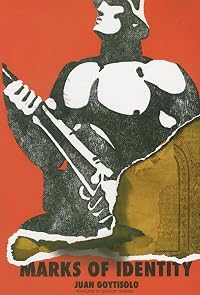
"In search of the spirit of Paul Gauguin, Stuart Pedrell--eccentric Barcelona businessman, construction magnate, dreamer, and patron of poets and painters--disappeared not long after announcing plans to travel to the South Pacific. A year later he is found stabbed to death at a construction site in Barcelona. Gourmand gumshoe Pepe Carvalho is hired by Pedrell's wife to find out what happened. Carvalho must travel through circles of the old anti-Franco left wing on the trail of the killer. show more But with little appetite for politics, Carvalho also leads us on a tour through literature, cuisine, and the criminal underbelly of Barcelona in a typically brilliant twist on the genre by a Spanish master"--P. [4] of cover. show lessTags
Recommendations



























Member Reviews
A prominent Barcelona businessman has disappeared, telling his friends he's off on a journey to the South Seas; a year later, his body turns up, newly stabbed to death, on a building site in the city. The widow commissions hard-boiled private detective Pepe Carvalho to find out what happened to her husband during the missing year.
The investigation proceeds in traditional noir fashion, with Carvalho interviewing a series of people who were close to the dead man, and going to bed with some of them. But there's also a very clear element of social criticism, Carvalho looking with a jaundiced eye on the way the city is changing during the transition to democracy, especially the way that the class of people who made money out of it in show more Franco's time are reinventing themselves as new-style 1980s "entrepreneurs" whilst the left carries on with the usual internal squabbles and fails to seize the opportunity. And, trademark of the series, there is Carvalho's very close attention to what he and others eat and drink. Interviews with witnesses can easily stray off into detailed technical discussions about recipes, culinary heresies, and the right and wrong way to drink white wine — all of which, of course, end up telling us a lot about the characters concerned.
There's a spoilt little rich girl straight out of Raymond Chandler, but, perhaps unexpectedly, Carvalho is rather less given to actual drunkenness than most noir detectives. All the same, the pivotal scene of the story is a gloriously drunken bachelor evening of arguments about paella and poetry that leaves Carvalho with the kind of headache that can only lead to an inspiration about where to pursue his enquiries. There's another magnificent scene where he strays into a round-table discussion about detective fiction and things suddenly get very postmodern... show less
The investigation proceeds in traditional noir fashion, with Carvalho interviewing a series of people who were close to the dead man, and going to bed with some of them. But there's also a very clear element of social criticism, Carvalho looking with a jaundiced eye on the way the city is changing during the transition to democracy, especially the way that the class of people who made money out of it in show more Franco's time are reinventing themselves as new-style 1980s "entrepreneurs" whilst the left carries on with the usual internal squabbles and fails to seize the opportunity. And, trademark of the series, there is Carvalho's very close attention to what he and others eat and drink. Interviews with witnesses can easily stray off into detailed technical discussions about recipes, culinary heresies, and the right and wrong way to drink white wine — all of which, of course, end up telling us a lot about the characters concerned.
There's a spoilt little rich girl straight out of Raymond Chandler, but, perhaps unexpectedly, Carvalho is rather less given to actual drunkenness than most noir detectives. All the same, the pivotal scene of the story is a gloriously drunken bachelor evening of arguments about paella and poetry that leaves Carvalho with the kind of headache that can only lead to an inspiration about where to pursue his enquiries. There's another magnificent scene where he strays into a round-table discussion about detective fiction and things suddenly get very postmodern... show less
„Amikor betöltöttem a negyvenediket, leltárt csináltam. Kifizettem az adósságaimat és eltemettem a halottaimat. Kifizettem a házat, eltemettem, akit kellett. Fogalmad sincs róla, milyen halálosan fáradt vagyok. Nincs se kedvem, se időm újabb adósságokba keveredni. Én magam leszek az utolsó halott, egye fene, annak a temetésnek a cehjét* még vállalom.” (Pepe Carvalho, a spanyol Philip Marlowe)
Ha valakinek az volt az elmélete, hogy a skandináv nyomozók alkoholizmusa a D-vitamin hiánya miatt alakult ki, ami a kevés napsütéses óra következménye, az álljon elő új hipotézissel, mert a spanyol szimatok is isznak, mint a gödény. Pepe Carvalho, a privát kopó szakadék szélén tántorgó májával show more együtt Barcelona utcáit rója, piszokul bánik a nőkkel (mert kéreg nőtt a lelkére szegénynek), és bár az elcseppentett információkból úgy fest, eltöltött némi időt Franco börtönében (sőt: emigrálni kényszerült), ha a pohár fenekére néz, felhabzik belőle a nosztalgikus érzés az időszak után, amikor minden egyszerűbbnek tűnt. Ahogy Poirotnak a bajusz meg a tojásfej, Holmesnak pedig a hegedű és az ópium a védjegye, úgy Pepének is két attribútum jutott. Az egyik, hogy imádja a spanyol konyhát, vagy ahogy ő mondaná: „haspárti patrióta”, ennek örvén pedig a világegyetem legjobb paellájának receptjét is megismerhetjük. A másik, hogy kizárólag minőségi szépirodalommal (esetleg filozófiával) hajlandó begyújtani a kandallójába – ez valami égbekiáltó trauma eredménye lehet, amiről túl sokat nem tudunk meg. (Gyerekkorában kollektíve elfenekelte az Élet és Irodalom szerkesztősége? Vagy lehúzta a könyvét a Merítés-díj zsűrije? Fogalmam sincs. Nem emlékszem ilyen nevű szerzőre.) Ő az, aki (ahogy az a „Hogyan írjunk klasszikus noirt?” c. kézikönyvben meg van írva) kap egy visszautasíthatatlan ajánlatot a gazdagoktól és szépektől, így aztán egyre mélyebbre merül Katalónia bűzös bugyraiba. Az biztos, hogy akik a csihi-puhit, meg a nagy fordulatokban bővelkedő nyomozati munkát szeretik, nem fognak elájulni Montalbán stílusától – a szerző azok közé tartozik, akik a krimit csak díszletnek használják, a nyomozó pedig tulajdonképpen két lábon járó kamera, akin keresztül bemutatják nekünk a Franco utáni, lassan és kelletlenül demokratizálódó Spanyolhon társadalmának árnyékos oldalait. Ugyanakkor ha kedveljük az erős történelmi-társadalmi áthallásokat, és kíváncsiak vagyunk a padlizsános garnéla (vagy garnélás padlizsán, mittomén) elkészítésének mikéntjére, nem mellesleg pedig bírjuk Pepe Carvalho szikrázóan fanyar humorát, akkor bírni fogjuk ezt a könyvet is. Jó anyag.
* (sic!) show less
Ha valakinek az volt az elmélete, hogy a skandináv nyomozók alkoholizmusa a D-vitamin hiánya miatt alakult ki, ami a kevés napsütéses óra következménye, az álljon elő új hipotézissel, mert a spanyol szimatok is isznak, mint a gödény. Pepe Carvalho, a privát kopó szakadék szélén tántorgó májával show more együtt Barcelona utcáit rója, piszokul bánik a nőkkel (mert kéreg nőtt a lelkére szegénynek), és bár az elcseppentett információkból úgy fest, eltöltött némi időt Franco börtönében (sőt: emigrálni kényszerült), ha a pohár fenekére néz, felhabzik belőle a nosztalgikus érzés az időszak után, amikor minden egyszerűbbnek tűnt. Ahogy Poirotnak a bajusz meg a tojásfej, Holmesnak pedig a hegedű és az ópium a védjegye, úgy Pepének is két attribútum jutott. Az egyik, hogy imádja a spanyol konyhát, vagy ahogy ő mondaná: „haspárti patrióta”, ennek örvén pedig a világegyetem legjobb paellájának receptjét is megismerhetjük. A másik, hogy kizárólag minőségi szépirodalommal (esetleg filozófiával) hajlandó begyújtani a kandallójába – ez valami égbekiáltó trauma eredménye lehet, amiről túl sokat nem tudunk meg. (Gyerekkorában kollektíve elfenekelte az Élet és Irodalom szerkesztősége? Vagy lehúzta a könyvét a Merítés-díj zsűrije? Fogalmam sincs. Nem emlékszem ilyen nevű szerzőre.) Ő az, aki (ahogy az a „Hogyan írjunk klasszikus noirt?” c. kézikönyvben meg van írva) kap egy visszautasíthatatlan ajánlatot a gazdagoktól és szépektől, így aztán egyre mélyebbre merül Katalónia bűzös bugyraiba. Az biztos, hogy akik a csihi-puhit, meg a nagy fordulatokban bővelkedő nyomozati munkát szeretik, nem fognak elájulni Montalbán stílusától – a szerző azok közé tartozik, akik a krimit csak díszletnek használják, a nyomozó pedig tulajdonképpen két lábon járó kamera, akin keresztül bemutatják nekünk a Franco utáni, lassan és kelletlenül demokratizálódó Spanyolhon társadalmának árnyékos oldalait. Ugyanakkor ha kedveljük az erős történelmi-társadalmi áthallásokat, és kíváncsiak vagyunk a padlizsános garnéla (vagy garnélás padlizsán, mittomén) elkészítésének mikéntjére, nem mellesleg pedig bírjuk Pepe Carvalho szikrázóan fanyar humorát, akkor bírni fogjuk ezt a könyvet is. Jó anyag.
* (sic!) show less
I came to live in Catalonia fifteen years ago. Even before I came, I started to learn the language, history, and culture. And when I arrived I made it my business to watch the news, especially the stories at the end that told me about who the writers, actors, artists, singers, and other cultural figures were.
Manuel Vasquez Montalban was a highly regarded and apparently much loved journalist and writer of noir detective novels. And it wasn't just the Catalans who thought highly of him. Andrea Camilleri thought so highly of Vasquez Montalban that he named his detective after him.
Why this is, I don't know. When I first came here, I read one of his books. At the time I was a member of an online bookgroup and one of the phrases thrown around show more there when talking about a book one didn't like was to throw it against the wall. I went one step further. The Montalban I was reading annoyed me so much that I threw it out the window.
This one was no better. I read it all the way through because I hoped to find the good that everyone else saw. But I didn't find it. I found a lot of vulgarity, coarse language, half baked social theory, half baked philosophy (instead of plot or character development) and cardboard characters. Evidently the plot never did grab me, nor did the people. I didn't even enjoy being taken around Barcelona, a city I love. Either he made up place names or those names went out when the Catalan language came back in, but there were few places I could identify. But the topping on the cake was the gratuitous and disgusting piece of violence at the very end. I almost threw up. One of the idiot themes throughout the book was Carvalho (our hero) burning his books, one by one, to light his fire. I don't burn books -- not even books this bad. But I don't keep or recommend them either. show less
Manuel Vasquez Montalban was a highly regarded and apparently much loved journalist and writer of noir detective novels. And it wasn't just the Catalans who thought highly of him. Andrea Camilleri thought so highly of Vasquez Montalban that he named his detective after him.
Why this is, I don't know. When I first came here, I read one of his books. At the time I was a member of an online bookgroup and one of the phrases thrown around show more there when talking about a book one didn't like was to throw it against the wall. I went one step further. The Montalban I was reading annoyed me so much that I threw it out the window.
This one was no better. I read it all the way through because I hoped to find the good that everyone else saw. But I didn't find it. I found a lot of vulgarity, coarse language, half baked social theory, half baked philosophy (instead of plot or character development) and cardboard characters. Evidently the plot never did grab me, nor did the people. I didn't even enjoy being taken around Barcelona, a city I love. Either he made up place names or those names went out when the Catalan language came back in, but there were few places I could identify. But the topping on the cake was the gratuitous and disgusting piece of violence at the very end. I almost threw up. One of the idiot themes throughout the book was Carvalho (our hero) burning his books, one by one, to light his fire. I don't burn books -- not even books this bad. But I don't keep or recommend them either. show less
OK, first thing--rip out the last two pages. They contain gratuitous violence against the reader's sensibilities. Now, let's talk about the rest.
Detective Carvalho solves crimes through dialog. He talks his way through the plot. Also, he eats and talks about eating, gourmet eating with cooking instructions. With his Charo, Biscuter, and a walkoff young lady (This is macho Spain). All written over a brew of socialist democratic history just after Franco. Montalban roasts the rich and but gives the poor a hard time, too.
My kind of book.
Detective Carvalho solves crimes through dialog. He talks his way through the plot. Also, he eats and talks about eating, gourmet eating with cooking instructions. With his Charo, Biscuter, and a walkoff young lady (This is macho Spain). All written over a brew of socialist democratic history just after Franco. Montalban roasts the rich and but gives the poor a hard time, too.
My kind of book.
Tengo el recuerdo de mi infancia viendo a Pepe Carvallo encendiendo la chimenea con un libro y acompañado de una mujer desnuda. Supongo que sería una serie de televisión.
La novela está bien, entretenida. Es interesante ver el contexto histórico de la transición española. Pero los diálogos son poco creíbles. La segunda parte mucho mejor que la primera.
La novela está bien, entretenida. Es interesante ver el contexto histórico de la transición española. Pero los diálogos son poco creíbles. La segunda parte mucho mejor que la primera.
La novela más conocida, y más apreciada por los críticos, de la serie Carvalho. Como cualquier premio Planeta fue éxito de ventas y, seamos benévolos, de lectores. Pero el tiempo, ése que en ocasiones da una pátina de brillantez a aquello que no fue entendido en su momento, convierte en lectura anacrónica “Los mares del sur”. Al menos ésa es la sensación que queda tras leer el primer episodio de la novela. Un episodio fuera de lugar pues cualquier otra presentación del caso a investigar hubiera valido; ahíto hasta el hastío de palabras soeces, de jerga desfasada. A partir de ahí la novela sigue otros derroteros y es cuando cobra vida nueva tanto el comienzo como el resto del la obra.
De algunos libros se dice que son show more intemporales. Éste no es el caso. “Los mares del sur” es una novela muy temporal que hablaba directamente a los lectores de finales de la década de los años setenta en España y que permite retroceder en el tiempo a los lectores actuales. Afirmaba Baroja: “El Quijote da más impresión de la España de su tiempo que ninguna obra de los historiadores nuestros” (“Las figuras de cera”, Prólogo). Quizá la afirmación sea exagerada para esta novela de Vázquez Montalbán pero entre sus páginas se puede visitar la Barcelona de hace cuarenta años: lenguaje “cheli”, barrios suburbiales construidos una o dos décadas antes, activismo político, mención al terrorismo de ETA, la nueva clase media, …
Algunas concesiones comerciales del autor son evidentes pero la trama policiaca es correcta y el cínico Carvalho no defrauda. No quedará como obra maestra, pese a cierta lista de El Mundo (enero 2001), pero resulta entretenida y algunos de los planteamientos y opiniones de los personajes invitan a la reflexión. show less
De algunos libros se dice que son show more intemporales. Éste no es el caso. “Los mares del sur” es una novela muy temporal que hablaba directamente a los lectores de finales de la década de los años setenta en España y que permite retroceder en el tiempo a los lectores actuales. Afirmaba Baroja: “El Quijote da más impresión de la España de su tiempo que ninguna obra de los historiadores nuestros” (“Las figuras de cera”, Prólogo). Quizá la afirmación sea exagerada para esta novela de Vázquez Montalbán pero entre sus páginas se puede visitar la Barcelona de hace cuarenta años: lenguaje “cheli”, barrios suburbiales construidos una o dos décadas antes, activismo político, mención al terrorismo de ETA, la nueva clase media, …
Algunas concesiones comerciales del autor son evidentes pero la trama policiaca es correcta y el cínico Carvalho no defrauda. No quedará como obra maestra, pese a cierta lista de El Mundo (enero 2001), pero resulta entretenida y algunos de los planteamientos y opiniones de los personajes invitan a la reflexión. show less
I'm not familiar with the detective genre and therefore felt that my reading of Manuel Vásquez Montalbán's Los mares del sur probably suffered from my lack of knowledge of genre conventions. I was, for one, unable to see the ways that Montalbán's protagonist, Pepe Carvalho, fits the detective mold and/or differs from the average literary detective hero/antihero. I had, however, been watching HBO's "Bored to Death," and I did notice that both Carvalho and Jonathan Ames (the protagonist of the show) share a strong affinity for white wine. I'm not sure if this is something of a common ground for detectives, the idea that their livers are shot from all the hard liquor and all they can handle these days is the lighter wines. If I do read show more more detective novels, I'll be on the lookout for other instances of white wine sipping detectives.
Carvalho has been hired to unravel the circumstances behind the death of Barcelona construction magnate Carlos Stuart Pedrell. He'd been going on and on about how he wanted to escape from it all and voyage to the seas of the south (where Gaugin went, basically), and eventually he did disappear. Nine months later he showed up dead in an empty lot on the outskirts of the city. Carvalho's search puts him in contact with the family, friends and business connections of Stuart Pedrell, and eventually leads him to the lower class, shoddily constructed neighborhood of San Magín. There are a lot of twists and turns, and as the story progresses and the detective unravels the mystery of the wealthy businessman's erratic behavior and disappearance, the reader is taken on an extended tour of post-Franco Barcelona and its inhabitants. Carvalho's got his vices and doesn't lead the most morally sound life, but he's a likable guy. He's not nearly as bad as Nic Cage's character in "Bad Lieutenant" (another detective story I recently watched and enjoyed) but he's got a similar way about him: he's got his faults, but you root for him just the same.
Los mares del sur was a fun read and painted a vivid picture of Barcelona. Carvalho comments a lot on the state of things in Spain, and his investigation dissects the effects of construction boom of the later years of the Franco regime is dissected, penetrating into the poor neighborhood of San Magín in order to solve the mystery of the death of the wealthy man whose money and influence helped build it. One thing that I especially liked about the mystery of Stuart Pedrell was the way that his longing to escape to the south seas represented a desire to burn all his bridges with the wealthy, capitalist class. From the beginning he is described as a man with varied and intense passions that transcend his aristocratic place in society. Wherever he went when he disappeared, the fundamental idea is that he was escaping a life that was no longer fulfilling in order to find a new one. The book, then, investigates whether this is ever possible. Can one burn all their bridges? I believe the most common way to say this in Spanish is "quemar las naves" (to burn the ships), in reference to the erroneous idea that Hernán Cortés burnt the ships that brought his men to America. I like that phrase better for some reason, the idea of traveling across the sea of life to reach some sort of island of your own fancy, and thereafter burning the ship that brought you there...burning bridges makes me think more of somebody closing themselves into the castle they've constructed for themselves and obstinately refusing to come out. In any case, the dead body that opens the story illustrates the ultimate failure of Stuart Pedrell, and Carvalho's investigation into his death comes to show some of the reasons why escape from the worlds we build for ourselves over the course of a lifetime is so very difficult. It's a theme I particularly enjoy, this questioning of whether one can burn all their bridges. My favorite book that investigates a similar attempt to escape is Alejo Carpentier's Los pasos perdidos, but this one is good too. Carpentier's book tells the story of a man who traveled from a North American metropolis deep into the South American rain forest in an ethnomusicological search for primitive instruments; here, from the beginning, Stuart Pedrell's dead body plants the idea that his escape from his own life never took him out of Barcelona.
One other note of interest: Manuel Vásquez Montalbán died in Bangkok. I found this ironic, that the character he created longed to escape to the south seas, while the author himself did arrive to that South that Stuart Pedrell dreamed of visiting. I haven't been able to determine whether he was residing in Thailand at the time of his death or just visiting, but the connection between the author and the southern world of warm seas and tropical islands creates an interesting parallel with his fictional dead man. show less
Carvalho has been hired to unravel the circumstances behind the death of Barcelona construction magnate Carlos Stuart Pedrell. He'd been going on and on about how he wanted to escape from it all and voyage to the seas of the south (where Gaugin went, basically), and eventually he did disappear. Nine months later he showed up dead in an empty lot on the outskirts of the city. Carvalho's search puts him in contact with the family, friends and business connections of Stuart Pedrell, and eventually leads him to the lower class, shoddily constructed neighborhood of San Magín. There are a lot of twists and turns, and as the story progresses and the detective unravels the mystery of the wealthy businessman's erratic behavior and disappearance, the reader is taken on an extended tour of post-Franco Barcelona and its inhabitants. Carvalho's got his vices and doesn't lead the most morally sound life, but he's a likable guy. He's not nearly as bad as Nic Cage's character in "Bad Lieutenant" (another detective story I recently watched and enjoyed) but he's got a similar way about him: he's got his faults, but you root for him just the same.
Los mares del sur was a fun read and painted a vivid picture of Barcelona. Carvalho comments a lot on the state of things in Spain, and his investigation dissects the effects of construction boom of the later years of the Franco regime is dissected, penetrating into the poor neighborhood of San Magín in order to solve the mystery of the death of the wealthy man whose money and influence helped build it. One thing that I especially liked about the mystery of Stuart Pedrell was the way that his longing to escape to the south seas represented a desire to burn all his bridges with the wealthy, capitalist class. From the beginning he is described as a man with varied and intense passions that transcend his aristocratic place in society. Wherever he went when he disappeared, the fundamental idea is that he was escaping a life that was no longer fulfilling in order to find a new one. The book, then, investigates whether this is ever possible. Can one burn all their bridges? I believe the most common way to say this in Spanish is "quemar las naves" (to burn the ships), in reference to the erroneous idea that Hernán Cortés burnt the ships that brought his men to America. I like that phrase better for some reason, the idea of traveling across the sea of life to reach some sort of island of your own fancy, and thereafter burning the ship that brought you there...burning bridges makes me think more of somebody closing themselves into the castle they've constructed for themselves and obstinately refusing to come out. In any case, the dead body that opens the story illustrates the ultimate failure of Stuart Pedrell, and Carvalho's investigation into his death comes to show some of the reasons why escape from the worlds we build for ourselves over the course of a lifetime is so very difficult. It's a theme I particularly enjoy, this questioning of whether one can burn all their bridges. My favorite book that investigates a similar attempt to escape is Alejo Carpentier's Los pasos perdidos, but this one is good too. Carpentier's book tells the story of a man who traveled from a North American metropolis deep into the South American rain forest in an ethnomusicological search for primitive instruments; here, from the beginning, Stuart Pedrell's dead body plants the idea that his escape from his own life never took him out of Barcelona.
One other note of interest: Manuel Vásquez Montalbán died in Bangkok. I found this ironic, that the character he created longed to escape to the south seas, while the author himself did arrive to that South that Stuart Pedrell dreamed of visiting. I haven't been able to determine whether he was residing in Thailand at the time of his death or just visiting, but the connection between the author and the southern world of warm seas and tropical islands creates an interesting parallel with his fictional dead man. show less
Members
- Recently Added By
Lists

Las 100 Mejores Novelas en Castellano del Siglo XX
105 works; 13 members
Author Information

298+ Works 8,839 Members
Some Editions
Awards and Honors
Awards
Series

Belongs to Publisher Series
Common Knowledge
- Canonical title
- Southern Seas
- Original title
- Los mares del sur
- Original publication date
- 1979
- People/Characters
- Pepe Carvalho; Private detective Pepe Carvalho
- Important places
- Barcelona, Catalonia, Spain
- Related movies
- Los mares del sur (1992 | IMDb)
- Epigraph
- "più nessuno mi porterà nel sud" Salvatore Quasimodo
- First words*
- "Andiamo."
"Adoro ballare. Io non mi stanco mai di dimenare la carcassa." - Last words*
- (Click to show. Warning: May contain spoilers.)Si scolò una bottiglia di acquavite gelata e, alle cinque del mattino, la fame e la sete lo svegliarono.
- Original language*
- Español
*Some information comes from Common Knowledge in other languages. Click "Edit" for more information.
Classifications
- Genres
- Fiction and Literature, Mystery, General Fiction
- DDC/MDS
- 863.64 — Literature & rhetoric Spanish Literature Spanish fiction 20th Century 1945-2000
- LCC
- PQ6672 .A92 .M3513 — Language and Literature French, Italian, Spanish and Portuguese literatures Spanish literature Individual authors, 1961-2000
- BISAC
Statistics
- Members
- 796
- Popularity
- 34,921
- Reviews
- 40
- Rating
- (3.34)
- Languages
- 14 — Catalan, Danish, Dutch, English, French, German, Hungarian, Italian, Norwegian (Bokmål), Norwegian, Polish, Portuguese, Spanish, Swedish
- Media
- Paper, Ebook
- ISBNs
- 57
- ASINs
- 10