
The Color of Water: A Black Man's Tribute to His White Mother
by James McBride
On This Page
Description
Who was Ruth McBride Jordan? Not even her son knew the answer to that question until he embarked on a twelve-year journey that changed himself and his family forever. Born Rachel Deborah Shilsky, she began life as the daughter of an angry, failed orthodox Jewish rabbi in the South. To escape her unhappy childhood, Ruth ran away to Harlem, married a black man, became Baptist and started an all-black church. Her son James tells of growing up with inner confusions, chaos, and financial show more hardships; of his own flirtation with drugs and violence; of the love and faith his mother gave her twelve children; and of his belated coming to terms with her Jewish heritage. The result is a powerful portrait of growing up, a meditation on race and identity, and apoignant, beautifully crafted hymn from a son to his mother. show lessTags
Recommendations
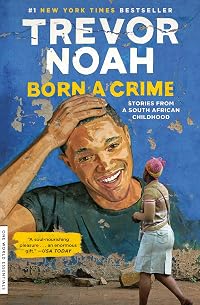
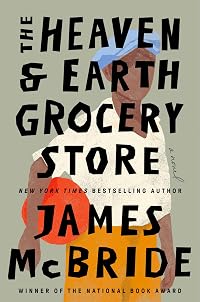

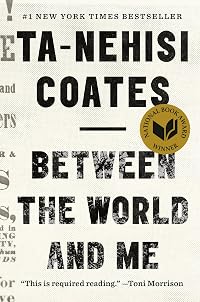
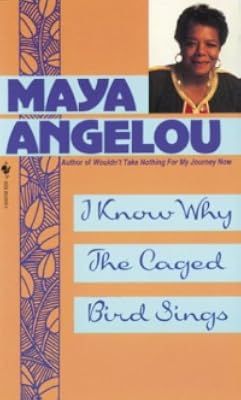
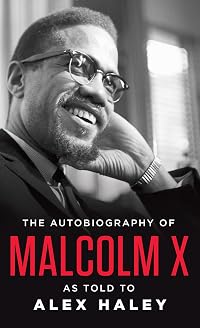
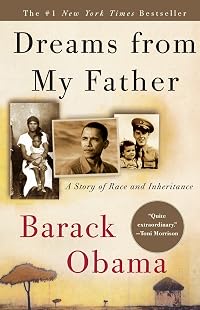
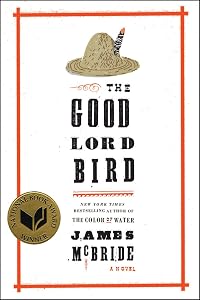

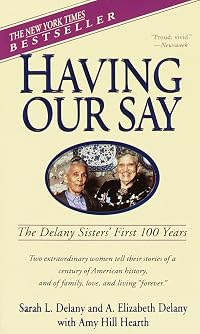





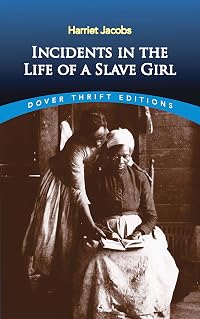
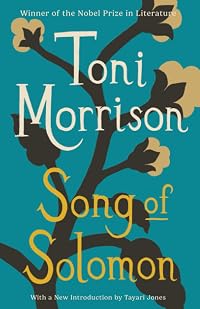
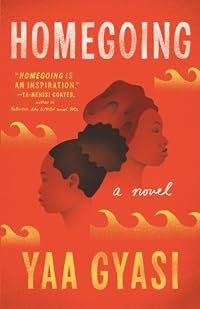
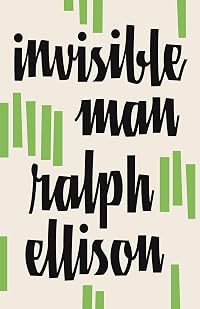



Member Recommendations
Manthepark An interesting coming-of-age story of a Jewish girl’s connections with the African-American and white communities in Richmond, Virginia, and how those connections carried forward into her adult life.
Member Reviews
13. The Color of Water: A Black Man's Tribute to His White Mother by James McBride
readers: JD Jackson & Susan Denaker
published: 1995
format: 8:46 audible audiobook
acquired: February 4 listened: Feb 4-18
rating: 4½? 5?
genre/style: memoir theme: random audio
locations: Queens, and also 1930’s Virginia
about the author: American writer and musician born in New York City in 1957. He is a Distinguished Writer-in-Residence at New York University.
Wonderful. James McBride had an African American father who died before he was born, and a white Jewish mother, along with 11 mixed-race siblings. This is his and her stories.
James grew up in a housing project in Queens in the 1960's with stepfather who he only saw on weekends, but who he and his show more siblings and mother adored. Confused about his identity, and why his mother looked like his schoolteachers, it seems he would ask his mother a lot of questions, and she would answer as you might imagine a mother of 12 children answers, with dismissive non-answers. He mother only preached to him and his siblings about school and God. All twelve kids were sent to better schools, in white neighborhoods (with white teachers), and all twelve are well educated and successful. They attended different churches regularly, especially the one his mother helped his biological father found. And the kids would watch in embarrassment as Mommy, the only white person in the building, would lose herself in the religious moment.
It was only later, after James became a reporter, that he started to research his mother's family. Born in Poland to an Orthodox rabbi and a partially crippled mother, she became Rachel Shilsky in America, arriving at age 2, about 1922. Her school years were mostly in 1930's depression-era Suffolk, Virginia, where the family kept kosher, and her father, the rabbi, became a shopkeeper who catered the segregated black part of town, with heavily inflated prices.
When Ruth married a talented but unemployable musician, Dennis McBride, in New York in 1942, her family sat shiva. Dennis was unemployable because no orchestra would hire a black musician in the late 1930's. He worked other jobs. Rachel was cut off from a terrible father, but also her mother, two siblings, and her relatively wealthy extended family. She, in turn, gave up Judaism (and changed her name to Ruth).
McBride intersperses his life in chapters in his voice, with his mother's life in chapters in her voice, and presumably in her own words. (This is very effective on audio.) It gives the book a natural structure where the reader learns about his background roughly in a parallel trend to how he learned about it himself, growing up without answers.
McBride gives us a story about life, race, identity, growing up Jewish in Virginia in the 1930‘s, and losing that life. And my 2005 edition has a ten-year reflection, as this book was successful enough to change his career and impact his mother's life. This is special and well done. I finished thinking this is the best book I've ever listened to. I mean, it's not, but you know that feeling. It's really that good.
Recommended to everyone, even you. :) show less
readers: JD Jackson & Susan Denaker
published: 1995
format: 8:46 audible audiobook
acquired: February 4 listened: Feb 4-18
rating: 4½? 5?
genre/style: memoir theme: random audio
locations: Queens, and also 1930’s Virginia
about the author: American writer and musician born in New York City in 1957. He is a Distinguished Writer-in-Residence at New York University.
Wonderful. James McBride had an African American father who died before he was born, and a white Jewish mother, along with 11 mixed-race siblings. This is his and her stories.
James grew up in a housing project in Queens in the 1960's with stepfather who he only saw on weekends, but who he and his show more siblings and mother adored. Confused about his identity, and why his mother looked like his schoolteachers, it seems he would ask his mother a lot of questions, and she would answer as you might imagine a mother of 12 children answers, with dismissive non-answers. He mother only preached to him and his siblings about school and God. All twelve kids were sent to better schools, in white neighborhoods (with white teachers), and all twelve are well educated and successful. They attended different churches regularly, especially the one his mother helped his biological father found. And the kids would watch in embarrassment as Mommy, the only white person in the building, would lose herself in the religious moment.
It was only later, after James became a reporter, that he started to research his mother's family. Born in Poland to an Orthodox rabbi and a partially crippled mother, she became Rachel Shilsky in America, arriving at age 2, about 1922. Her school years were mostly in 1930's depression-era Suffolk, Virginia, where the family kept kosher, and her father, the rabbi, became a shopkeeper who catered the segregated black part of town, with heavily inflated prices.
When Ruth married a talented but unemployable musician, Dennis McBride, in New York in 1942, her family sat shiva. Dennis was unemployable because no orchestra would hire a black musician in the late 1930's. He worked other jobs. Rachel was cut off from a terrible father, but also her mother, two siblings, and her relatively wealthy extended family. She, in turn, gave up Judaism (and changed her name to Ruth).
McBride intersperses his life in chapters in his voice, with his mother's life in chapters in her voice, and presumably in her own words. (This is very effective on audio.) It gives the book a natural structure where the reader learns about his background roughly in a parallel trend to how he learned about it himself, growing up without answers.
McBride gives us a story about life, race, identity, growing up Jewish in Virginia in the 1930‘s, and losing that life. And my 2005 edition has a ten-year reflection, as this book was successful enough to change his career and impact his mother's life. This is special and well done. I finished thinking this is the best book I've ever listened to. I mean, it's not, but you know that feeling. It's really that good.
Recommended to everyone, even you. :) show less
Ruth McBride Jordan was a fierce woman. She was born a Polish Jew, emigrated to the US, and changed her name 2x to disassociate herself from her past. She also fell in love with, and married 2 black men, which caused her to be shunned by her family. Along with her husband, Dennis McBride, she had 8 children, converted to Christianity, and began a church. She then married Hunter Jordan, and had more children. All her children grew to be successful.
This is an amazing story told by her son, James, and is interspersed with Ruth telling her life story to him, while he weaves the tales into his own life.
I loved it. I thought it was remarkable the way Ruth forged her own path, and although naive at times, was able to make it through. Moving show more story. show less
This is an amazing story told by her son, James, and is interspersed with Ruth telling her life story to him, while he weaves the tales into his own life.
I loved it. I thought it was remarkable the way Ruth forged her own path, and although naive at times, was able to make it through. Moving show more story. show less
“You want me to talk about my family and here I have been dead to them for fifty years. Leave me alone. Don’t bother me. They don’t want no parts of me, I don’t want no parts of them. Hurry up and get the interview over with. I want to watch Dallas. … “
Ruth “Shilsky” McBride was born in Poland, in 1921. Her abusive father was a rabbi. Her family moved to the U.S. when Ruth was two years old. Ruth moved to NYC and married a black man, Andrew Dennis McBride, in 1941. Her family disowned her. Ruth went on to raise 12 children, mostly on her own, after her first two husbands died, struggling with poverty and racism. All of the children graduated from college, with several of them becoming doctors and engineers.
This show more beautifully written memoir, by her son James, is a true marvel. It is sad, joyful, funny and heart-breaking, told in alternating perspectives- one from James' own story of his childhood and the other in the voice of his mother, based on many reluctant interviews he had with her, over the years. I have read many fine memoirs, but this ranks right near the top.
This was also a fantastic audiobook, narrated by Andre Braugher and Lainie Kazan. I highly recommend this format. show less
Ruth “Shilsky” McBride was born in Poland, in 1921. Her abusive father was a rabbi. Her family moved to the U.S. when Ruth was two years old. Ruth moved to NYC and married a black man, Andrew Dennis McBride, in 1941. Her family disowned her. Ruth went on to raise 12 children, mostly on her own, after her first two husbands died, struggling with poverty and racism. All of the children graduated from college, with several of them becoming doctors and engineers.
This show more beautifully written memoir, by her son James, is a true marvel. It is sad, joyful, funny and heart-breaking, told in alternating perspectives- one from James' own story of his childhood and the other in the voice of his mother, based on many reluctant interviews he had with her, over the years. I have read many fine memoirs, but this ranks right near the top.
This was also a fantastic audiobook, narrated by Andre Braugher and Lainie Kazan. I highly recommend this format. show less
Author James McBride's mother, Ruth, rarely spoke of her past during McBride's childhood in Queens. McBride knew his mother as a hard-working devout church-going Christian who was determined that all twelve of her children receive a college education. Her past was nothing like her present. Ruth McBride Jordan had been Rachel Shilsky in Suffolk, Virginia, the daughter of an Orthodox Jewish rabbi. Her family had emigrated from Poland to the US in the 1920s when Rachel/Ruth was two. By the time McBride was born, Ruth and her first husband, Andrew McBride, had founded the Brown Memorial Baptist Church in Brooklyn. Ruth eventually opened up her past to her son. He writes his mother's life story in chapters that alternate between McBride's show more childhood memory of his mother and her recollections of her early life and her transformation from Rachel Shilsky to Ruth McBride Jordan.
This book is as much about McBride's coming to terms with his mixed race heritage as it is about his mother's life. The title comes from a childhood conversation between McBride and his mother. McBride and his siblings were conscious of the fact that their mother didn't look like them. When he pressed his mother about his race – was he black or white – she responded that he was “a human being.” And what about God, he asked? God is “the color of water.”
Ruth McBride Jordan left the world a better place than she found it. The world needs more people like her. show less
This book is as much about McBride's coming to terms with his mixed race heritage as it is about his mother's life. The title comes from a childhood conversation between McBride and his mother. McBride and his siblings were conscious of the fact that their mother didn't look like them. When he pressed his mother about his race – was he black or white – she responded that he was “a human being.” And what about God, he asked? God is “the color of water.”
Ruth McBride Jordan left the world a better place than she found it. The world needs more people like her. show less
James McBride grew up in a family of twelve children. It was obvious that his mother was white and his father, who passed away before McBride’s birth, and his stepfather were both black. Although there was less racism than in the South, the blended family living in the very black neighborhood of Queens was a novelty and McBride often feared for his mother’s safety.
Slowly over the years, one small revelation at a time, he learned his mother’s history.
She had been born to a conservative Jewish Orthodox family that left Poland approximately 1922 and moved to the United States. Her father was a Rabbi, but as his mother said “he wasn’t a very good Rabbi” and so the family moved often. Eventually, the family bought a small show more community store, mostly frequented by black people. Just as white people looked down their noses at Jewish families, Ruth’s family disdained their black customers. As a family store, the children were expected to devote all their free hours to working there.
But Ruth fell in love with a black man – and her family was so disgusted they ‘sat shiva’ for her – she was officially dead to them. Even on the death of first husband with her eighth child James on the way, they would not speak or help her. Eventually Ruth fell in love again with a second black man and together they had four more children.
This is a story of a woman and circumstances where one would predict failure: twelve kids, no family support, surrounded by prejudice and working several low paying jobs at a time. Her kids were expected to work hard in school and knew they were loved. Ruth sought out opportunities for each child to excel. All became successful, many with graduate and medical degrees.
The chapters are written alternately with James and his mother’s experiences. At first his mother did not want to reveal her background – and so we learn it slowly just as James did.
It’s a wonderfully readable story and, as I listened to it, works well as an audiobook. It’s story of prejudices both from sixty years ago and how they echo down today. Highly recommended. show less
Slowly over the years, one small revelation at a time, he learned his mother’s history.
She had been born to a conservative Jewish Orthodox family that left Poland approximately 1922 and moved to the United States. Her father was a Rabbi, but as his mother said “he wasn’t a very good Rabbi” and so the family moved often. Eventually, the family bought a small show more community store, mostly frequented by black people. Just as white people looked down their noses at Jewish families, Ruth’s family disdained their black customers. As a family store, the children were expected to devote all their free hours to working there.
But Ruth fell in love with a black man – and her family was so disgusted they ‘sat shiva’ for her – she was officially dead to them. Even on the death of first husband with her eighth child James on the way, they would not speak or help her. Eventually Ruth fell in love again with a second black man and together they had four more children.
This is a story of a woman and circumstances where one would predict failure: twelve kids, no family support, surrounded by prejudice and working several low paying jobs at a time. Her kids were expected to work hard in school and knew they were loved. Ruth sought out opportunities for each child to excel. All became successful, many with graduate and medical degrees.
The chapters are written alternately with James and his mother’s experiences. At first his mother did not want to reveal her background – and so we learn it slowly just as James did.
It’s a wonderfully readable story and, as I listened to it, works well as an audiobook. It’s story of prejudices both from sixty years ago and how they echo down today. Highly recommended. show less
James McBride tells us the story of growing up black, in Harlem, then in projects in the Bronx. Raised by his white mother (his black father died before he was born) and black step-father, he was one of 12 children. He describes a loving family life, where children were expected to be successful, respectful, and STAY IN SCHOOL. Children were due in the house by 5:00 in the evening, and slept 5 to a bed. Dinner might often be a jar of peanut butter or several spoons of sugar. He never met his mother's family and did not discover until he had completed his master's in Journalism at Columbia U, and decided to write a tribute to his mother, that she was jewish, that her family had disowned her, that her father was an orthodox Jewish rabbi show more who abused her, and just how hard her life had been.
The story is told both in the son's and the mother's voices. It is very well-written, and gives us an incredible insight into each mind. James' father was a preacher, and his mother converted to Christianity and insisted on church attendance and prayer from all her children. As he begins to realize that his mother is different from other mothers, he asks her "Is God Black?" "NO" she answers. "Well is he white?" Mom replies in the negative. Still the young boy persists. "Well what color is he?" "The color of water." I just loved that image, and fell in love with this family.
As he lovingly recounts his search for his mother's family, and helps her confront a past she has repressed, he comes to an acceptance of his Jewishness, his multi-cultural roots, and gives us a picture of an exceptional family. In the epilogue he gives us a breakdown of the incredible achievements of them all. Every one of the 12 graduated from college. There are two doctors, school teachers, musicians, journalists, nurses, artists, and the mother completes her degree in her late 60's.
It's a tribute any mother would be proud to have her son write. show less
The story is told both in the son's and the mother's voices. It is very well-written, and gives us an incredible insight into each mind. James' father was a preacher, and his mother converted to Christianity and insisted on church attendance and prayer from all her children. As he begins to realize that his mother is different from other mothers, he asks her "Is God Black?" "NO" she answers. "Well is he white?" Mom replies in the negative. Still the young boy persists. "Well what color is he?" "The color of water." I just loved that image, and fell in love with this family.
As he lovingly recounts his search for his mother's family, and helps her confront a past she has repressed, he comes to an acceptance of his Jewishness, his multi-cultural roots, and gives us a picture of an exceptional family. In the epilogue he gives us a breakdown of the incredible achievements of them all. Every one of the 12 graduated from college. There are two doctors, school teachers, musicians, journalists, nurses, artists, and the mother completes her degree in her late 60's.
It's a tribute any mother would be proud to have her son write. show less
A very interesting look into the life of a woman who chose to enter a mixed-race marriage at a time when doing so could be dangerous. It was also clear that the author was uncovering mysteries of his own childhood and putting things into perspective of his lived experience. A fascinating book!
Members
- Recently Added By
Published Reviews
ThingScore 75
Wie fatal die entschlossene Weigerung dieser Frau, irgend etwas anderes zu sein als sie selbst, sich auf die nächste Generation überträgt, macht den Leser schier atemlos. Wie erfolgreich sie und ihre Kinder andererseits Teil des amerikanischen Traumes werden, nicht minder. James McBride liefert mit seinem Debut nicht nur eine Familiengeschichte ab, sondern ebenso ein Sittenbild des show more amerikanischen Südens der 40er Jahre und New Yorks in der Mitte dieses Jahrhunderts. Und dieses Bild ist alles andere als schwarzweiß. show less
added by Indy133
Lists

100 books to read in a lifetime
102 works; 37 members

100 Biographies and Memoirs to Read in a (Single) Lifetime
98 works; 12 members

Black Authors
386 works; 29 members

Top Five Books of 2017
757 works; 231 members

Recommend the 20 best books you've read in the last five years
2,168 works; 608 members

Memoirs - Mary Karr
14 works; 1 member

Literary Works Read in College
316 works; 15 members

Books You Read For University
184 works; 3 members

Required Reading Summer Reading 23
16 works; 2 members

Pleasant Surprises: Books That Exceeded Our Expectations
418 works; 142 members

Books With Water Words in the Title
186 works; 12 members

1990s
309 works; 17 members

Novels/Poems/Short Stories/Anything Storytelling Related
112 works; 2 members

Books Read in 2008
336 works; 8 members
Independent Reading Suggestions
69 works; 3 members

Books Read in 2019
4,052 works; 110 members

End of Your Life Book Club
134 works; 4 members

Blue Pyramid 1,276 Best Books of All Time
1,248 works; 32 members

Top Five Books of 2024
795 works; 264 members
Author Information

12+ Works 18,371 Members
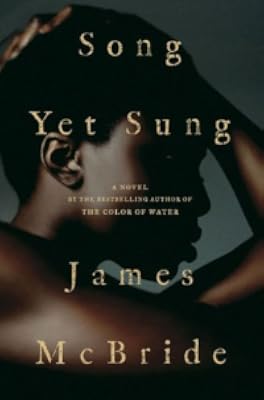
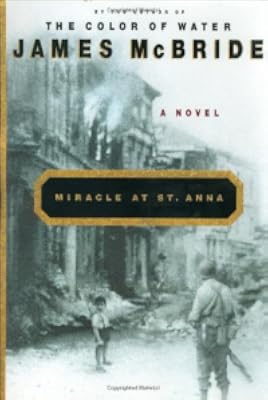
James McBride studied composition at The Oberlin Conservatory of Music in Ohio and received a master's degree in journalism from Columbia University. He was a staff writer for The Boston Globe, People Magazine, and The Washington Post. His works include the memoir The Color of Water, the biography Kill 'Em and Leave, and two novels entitled show more Miracle at St. Anna and Song Yet Sung. He wrote the screenplay for Miracle at St. Anna when it was made into a movie in 2008. He won the National Book Award for The Good Lord Bird. He is a saxophonist and former sideman for jazz legend Jimmy Scott. He has written songs for Anita Baker, Grover Washington Jr., Gary Burton, and Barney, the PBS television character. He received the Stephen Sondheim Award and the Richard Rodgers Foundation Horizon Award for his musical Bo-Bos co-written with playwright Ed Shockley. In 2005, he published the first volume of a CD-based documentary about life as lived by low-profile jazz musicians entitled The Process. He is currently a Distinguished Writer in Residence at New York University. (Bowker Author Biography) show less
Some Editions
Awards and Honors
Awards
Distinctions
Notable Lists
RUSA CODES Listen List (Listen-Alike – Listen-Alike to “The Vanishing Half: A Novel” by Brit Bennett – 2021)
Series
Belongs to Publisher Series
Knaur Taschenbuch (61278)
Work Relationships
Has as a student's study guide
Common Knowledge
- Canonical title*
- La couleur de l'eau
- Original title
- The Color of Water: A Black Man's Tribute to His White Mother
- Original publication date
- 1995
- People/Characters
- Ruth McBride Jordan; James McBride; Rachel Deborah Shilsky; Ruchel Dwajra Zylska; Andrew Dennis McBride; Hunter Jordan
- Important places
- Suffolk, Virginia, USA; New York, New York, USA; Brooklyn, New York, New York, USA; Red Hook Housing Projects, Brooklyn, New York, New York, USA
- Dedication
- I wrote this book for my mother, and her mother, and mothers everywhere.
In memory of Hudis Shilsky, Rev. Andrew D. McBride, and Hunter L. Jordan, Sr. - First words
- As a boy, I never knew where my mother was from -- where she was born, who her parents were.
- Blurbers
- Brownmiller, Susan; Kozol, Jonathan; Nelson, Jill; McGovern, George; Bradley, Bill
- Original language
- English
*Some information comes from Common Knowledge in other languages. Click "Edit" for more information.
Classifications
- Genres
- Biography & Memoir, Nonfiction, General Nonfiction
- DDC/MDS
- 974.71004960730092 — History & geography History of North America Northeastern United States (New England and Middle Atlantic states) New York New York (N.Y.)
- LCC
- F130 .N4 .M38 — Local History of the United States, Canada and Latin America United States local history New York
- BISAC
Statistics
- Members
- 7,116
- Popularity
- 1,755
- Reviews
- 122
- Rating
- (3.99)
- Languages
- 12 — Danish, Dutch, English, Finnish, French, German, Hebrew, Hungarian, Italian, Portuguese, Spanish, Swedish
- Media
- Paper, Audiobook, Ebook
- ISBNs
- 64
- UPCs
- 1
- ASINs
- 24