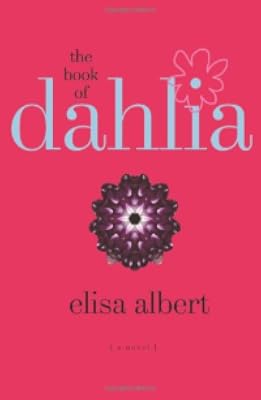
The Book of Dahlia
by Elisa Albert
On This Page
Description
A young Jewish-American woman learns that she has brain cancer and through a series of flashbacks examines her wasted life.Tags
Recommendations








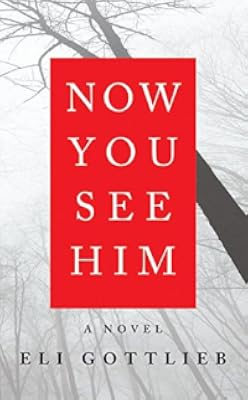
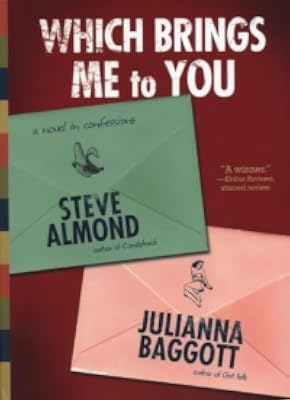







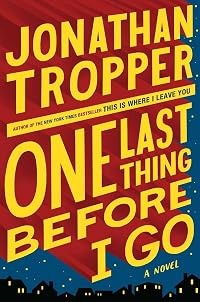






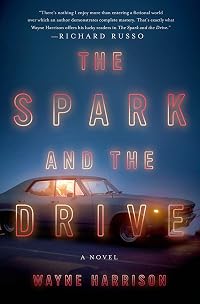











Member Recommendations

Member Reviews
I was attracted to The Book of Dahlia after I finished reading this author’s debut book of short stories. Her unique voice is loud and clear. It becomes even more defined in this novel about a twenty-nine-year old Jewish girl who has just been diagnosed with a brain tumor.
You say you don’t want to read a depressing book? Well, you’ll have to forget about the main topic and read into this story. It’s been a rather tough life all along for Dahlia so her diagnosis of a terminal illness is not that overpowering in the long run of things. Brought to the United States as a child, Dahlia had been born of an Israeli mother and an American father. Her dad, an ineffective father but caring person, is her main caretaker because her older show more brother goes off to college to become a rabbi and her mother travels abroad to do charitable work. Dahlia is left pretty much alone. She is a survivor, though. Her psyche has all sorts of defenses against the blows that life deals her.
This is a tough story to read if you dwell on the dysfunctional nature of Dahlia’s family and her illness. It’s a super treat, however, if you listen to Dahlia as she recounts her family’s story. She’s a strong female character and a fighter. I liked the flaws within her character as well. It made her seem real.
There was something about reading Dahlia’s story that drove me to read this book quickly and thoroughly. I’d say it’s Elisa Albert’s style of writing. Sharp and incisive, it just goes barrelling forward. Additionally, I loved the transliterated Hebrew words (not all of them translated) that were sprinkled throughout the story. I felt as if I were an insider, understanding them all. I’d say this book might not be for everyone, but I was enthralled by the quality of the story-telling and eagerly await the next powerful novel by Elisa Albert. show less
You say you don’t want to read a depressing book? Well, you’ll have to forget about the main topic and read into this story. It’s been a rather tough life all along for Dahlia so her diagnosis of a terminal illness is not that overpowering in the long run of things. Brought to the United States as a child, Dahlia had been born of an Israeli mother and an American father. Her dad, an ineffective father but caring person, is her main caretaker because her older show more brother goes off to college to become a rabbi and her mother travels abroad to do charitable work. Dahlia is left pretty much alone. She is a survivor, though. Her psyche has all sorts of defenses against the blows that life deals her.
This is a tough story to read if you dwell on the dysfunctional nature of Dahlia’s family and her illness. It’s a super treat, however, if you listen to Dahlia as she recounts her family’s story. She’s a strong female character and a fighter. I liked the flaws within her character as well. It made her seem real.
There was something about reading Dahlia’s story that drove me to read this book quickly and thoroughly. I’d say it’s Elisa Albert’s style of writing. Sharp and incisive, it just goes barrelling forward. Additionally, I loved the transliterated Hebrew words (not all of them translated) that were sprinkled throughout the story. I felt as if I were an insider, understanding them all. I’d say this book might not be for everyone, but I was enthralled by the quality of the story-telling and eagerly await the next powerful novel by Elisa Albert. show less
Dahlia's stark and unrelentingly melancholy voice guides the reader through narrative in passive retrospect--through love and jealousy, disappointment and failure, and finally loss, resignation, and peace. The work throws the nature of inner/outer equilibrium into question when it takes to task the ideologies of a generalized set of self-help literature, the alienating language of medicine, and the psychology of disease. The tone is sometimes friendless and derisive in its etiology of utter solitude, and the protagonist herself is difficult to love--but each are memorable nonetheless.
Well written story of a young woman getting through a sucky/fantastic life the only way she can. She is biting, humorous, angry, pathetic, vengeful, sad, lonely, loved, hated, beautiful, scarred, and scared. Elisa Albert illustrates her complexity wonderfully and with humor.
Book about a underacheiver dying of cancer, Albert does a great job not setimentalizing a woman's unfulfilled life.
I whipped through this book, in part because it was a compelling read but also because I found the subject matter giving me chills, as only a single hypochondriac living alone can imagine.
A tough, brave book about a young woman who finds herself dying before she has quite managed to find a way to live.
I thought it was better at the beginning than what it proved to be halfway through. Even though I didn't love the story I do like the writer.
Members
- Recently Added By
Author Information

Awards and Honors
Common Knowledge
- Canonical title
- The Book of Dahlia
- Important places
- California, USA; Venice, Los Angeles, California, USA
- Dedication
- For David
- First words
- She had been having symptoms.
- Last words
- (Click to show. Warning: May contain spoilers.)She wasn't ready.
- Blurbers
- Shteyngart, Gary; Russell, Karen; Braffet, Kelly
Classifications
Statistics
- Members
- 217
- Popularity
- 150,847
- Reviews
- 9
- Rating
- (3.48)
- Languages
- Dutch, English, German
- Media
- Paper, Ebook
- ISBNs
- 7
- ASINs
- 2