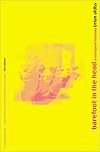
Barefoot in the Head
by Brian W. Aldiss
On This Page
Description
A new savior emerges from a drugged-out dystopia in "the most ambitious psychedelic sci-fi novel of the era" from the Science Fiction Grand Master (Conceptual Fiction). The earth is recovering from the Acid Head War, in which hallucinogenic chemicals were the primary weapon. Many humans are now suffering from delusions and are unable to tell the real from the imaginary. When a man named Colin Charteris tries to make sense of the drugged-out world, he is taken as the new messiah. As he show more descends into paranoid visions, he begins to believe this himself. show lessTags
Recommendations



























Member Reviews
A devastating Acid Head War, where hallucinogenic chemicals have shattered European society, leaves people in a state of mass delusion, unable to tell reality from fantasy. Colin Charteris journeys through this chaotic, drug-altered landscape, becoming mistaken for a messiah by the warped populace and embarking on a strange, quasi-religious crusade while grappling with his own expanding, paranoid visions.
"Barefoot in the Head" (1969) is a celebrated and derided SF novel. The premise is that owing to yet another dust-up in the Middle East, Europe has been attacked with chemical weapons. The chemicals are of the LSD variety and last a long time. Nobody has a grip on reality. Aldiss makes cruel jibes at the then-current hippie notion that the world a better place if everybody turned on. Like hell, the world would frickin’ fall to pieces if everybody was trippin’ all the time. Aldiss’ acid-laced use of language in this novel will bring to mind the most daring experiments of Joyce in Ulysses.
To be honest, in a normal time I may not have finished a novel told in stream-of-consciousness, but when I read it, I had just arrived in Latvia show more in January 1994. Every paperback I had crammed in the suitcase was precious. However, I confess that I didn’t read "Barefoot" twice like the I re-read huge sections of James Webb’s "Fields of Fire", a great Nam novel. show less
To be honest, in a normal time I may not have finished a novel told in stream-of-consciousness, but when I read it, I had just arrived in Latvia show more in January 1994. Every paperback I had crammed in the suitcase was precious. However, I confess that I didn’t read "Barefoot" twice like the I re-read huge sections of James Webb’s "Fields of Fire", a great Nam novel. show less
I have no idea if I even understood what was going on in this book, but I enjoyed it. It was truly strange and abstract and sometimes hard to follow, but it was great.
There is not much more to say, just that this is a book very hard to recommend. If you enjoyed books like Catch 22 or Gravity Rainbow, then yeah, this could be worth reading, else, no.
There is not much more to say, just that this is a book very hard to recommend. If you enjoyed books like Catch 22 or Gravity Rainbow, then yeah, this could be worth reading, else, no.
Really disappointed here; I was more than ready to love any book with a title like "Barefoot in the Head". Similar in premise to the Roger Corman directed film "Wild in the Streets" that came out the year before this, or "Gasss", that came out the year after , it recounts the misadventures of an acid pop culture messiah in a post hallucinogen bombed Europe. Everybody's tripping, society is collapsing, and our man has the key to the new way of thinking in this tripped out world. Is it a satire? I couldn't tell you.
So, how does an author represent the acid experience that everyone is going through? Aldiss decides to use the compound word, homonym engorged punning technique that Joyce uses for Finnegan's Wake. Well, that certainly makes show more for incredibly difficult reading, but alas, does not convincingly approximate the hallucinogenic experience for the reader, nor does it seem a likely linguistic manifestation with regard to the hallucinating characters in the story, IMO.
As to the story of our messiah: you never really learn much about him as a character past the first chapter or so. He screws his mistresses and drifts through wacked-out falling apart Europe, driving around with his entourage Mad Max style, delivering the word to the turned on yet increasingly starving and disease ridden. Someone tries to make a film about him, there's a would be screening in Brussels, and the city is set on fire. At least I think that's what happens.
I'm usually sympathetic to a fault to extreme literary exercises, but I found this to be an excruciating drag to read. This is my second Aldiss -my first was the novella "The Saliva Tree" - I didn't like that either . Aldiss is a real smart guy and there's certainly talent on display here, but I'm just not getting on the wavelength . I'm certainly not going anywhere near "Report on Probability A" after getting beaten up for no justifiable reason by this -perhaps his more main stream efforts like a Hellaconia novel, will be more rewarding to try.
In short, not worth the trouble.There are some interesting ideas in this book, but they are all more convincingly developed upon by compatriot writer J.G. Ballard in his excellent acid trip of a novel "Crash". show less
So, how does an author represent the acid experience that everyone is going through? Aldiss decides to use the compound word, homonym engorged punning technique that Joyce uses for Finnegan's Wake. Well, that certainly makes show more for incredibly difficult reading, but alas, does not convincingly approximate the hallucinogenic experience for the reader, nor does it seem a likely linguistic manifestation with regard to the hallucinating characters in the story, IMO.
As to the story of our messiah: you never really learn much about him as a character past the first chapter or so. He screws his mistresses and drifts through wacked-out falling apart Europe, driving around with his entourage Mad Max style, delivering the word to the turned on yet increasingly starving and disease ridden. Someone tries to make a film about him, there's a would be screening in Brussels, and the city is set on fire. At least I think that's what happens.
I'm usually sympathetic to a fault to extreme literary exercises, but I found this to be an excruciating drag to read. This is my second Aldiss -my first was the novella "The Saliva Tree" - I didn't like that either . Aldiss is a real smart guy and there's certainly talent on display here, but I'm just not getting on the wavelength . I'm certainly not going anywhere near "Report on Probability A" after getting beaten up for no justifiable reason by this -perhaps his more main stream efforts like a Hellaconia novel, will be more rewarding to try.
In short, not worth the trouble.There are some interesting ideas in this book, but they are all more convincingly developed upon by compatriot writer J.G. Ballard in his excellent acid trip of a novel "Crash". show less
He aquí el relato de lo que podría ser el mundo del mañana tras una guerra psicodélica en cuyo transcurso las grandes ciudades del mundo hubieran sido bombardeadas con nubes de LSD. La Humanidad ha perdido las pocas luces que le quedaban; hombres y mujeres viven en un continuo «viaje»; se crean nuevos cultos, nacen nuevas sensaciones; la realidad ha desaparecido, sustituida por un mundo confuso y onírico en donde la gente se mueve como fantasmas. Y, procedente de una de las regiones menos afectadas de Europa, donde la realidad no ha sido aún distorsionada, un hombre inicia su periplo hacia Inglaterra, que ha perdido ya todo sentido de la realidad...
Brian Aldiss no es tan sólo uno de los mejores autores anglosajones de ciencia- show more ficción, sino también el que da a todas sus obras un toque más marcadamente literario. A cabeza descalza inició su publicación en forma fragmentaria en la revista New Worlds, que dirigiera ese otro coloso inglés de la SF que es Michael Moorcock, y el impacto que causó en el público anglosajón fue extraordinario, superado tan sólo por su aparición en volumen. Libro complejo, tremendamente difícil pero de lectura apasionante, reconstruye con pleno éxito a través de la narración un mundo abocado a la locura permanente, lo examina desde su interior, lo hace vivir. Libro también de difícil traducción (casi imposible, afirmó no hace mucho el propio Aldiss, refiriéndose a los complejos juegos de palabras de intraducible factura de que está repleto, y al hecho de que, habiendo sido contratada su publicación en varios países, hasta ahora aún no haya aparecido en ninguno de ellos, siendo España el primero); hay que elevar aquí un gran elogio al traductor, que en su tarea se ha sabido situar a la altura del propio autor, recreando el original de una manera perfecta. show less
Brian Aldiss no es tan sólo uno de los mejores autores anglosajones de ciencia- show more ficción, sino también el que da a todas sus obras un toque más marcadamente literario. A cabeza descalza inició su publicación en forma fragmentaria en la revista New Worlds, que dirigiera ese otro coloso inglés de la SF que es Michael Moorcock, y el impacto que causó en el público anglosajón fue extraordinario, superado tan sólo por su aparición en volumen. Libro complejo, tremendamente difícil pero de lectura apasionante, reconstruye con pleno éxito a través de la narración un mundo abocado a la locura permanente, lo examina desde su interior, lo hace vivir. Libro también de difícil traducción (casi imposible, afirmó no hace mucho el propio Aldiss, refiriéndose a los complejos juegos de palabras de intraducible factura de que está repleto, y al hecho de que, habiendo sido contratada su publicación en varios países, hasta ahora aún no haya aparecido en ninguno de ellos, siendo España el primero); hay que elevar aquí un gran elogio al traductor, que en su tarea se ha sabido situar a la altura del propio autor, recreando el original de una manera perfecta. show less
Dec 20, 2013Spanish
He aquí el relato de lo que podría ser el mundo del mañana tras una guerra psicodélica en cuyo transcurso las grandes ciudades del mundo hubieran sido bombardeadas con nubes de LSD. La Humanidad ha perdido las pocas luces que le quedaban; hombres y mujeres viven en un continuo “viaje”; se crean nuevos cultos, nacen nuevas sensaciones; la realidad ha desaparecido, sustituida por un mundo confuso y onírico en donde la gente se mueve como fantasmas. Y, procedente de una de las regiones menos afectadas de Europa, donde la realidad no ha sido aún distorsionada, un hombre inicia su periplo hacia Inglaterra, que ha perdido ya todo sentido de la realidad…
Jul 5, 2022Spanish
I commented in 1971, “Imaginative in style, but almost plotless, and I wearied of the semi-intelligibility of the imaginative style.”
Dec 17, 2024 (Edited)English (UK)
Members
- Recently Added By
Author Information

564+ Works 27,487 Members
Brian W. Aldiss was born in Dereham, United Kingdom on August 18, 1925. In 1943, he joined the Royal Signals regiment, and saw action in Burma. After World War II, he worked as a bookseller at Oxford University. His first book, The Brightfount Diaries, was published in 1955. His first science fiction novel, Non-Stop (Starship in the United show more States), was published in 1958. He wrote more than 80 books including Hothouse, Greybeard, The Helliconia Trilogy, The Squire Quartet, Frankenstein Unbound, The Malacia Tapestry, Walcot, and Mortal Morning. His short story Super-Toys Last All Summer Long was the basis for the film A.I. Artificial Intelligence. He has received numerous awards for his work including two Hugo Awards, the Nebula Award, the John W. Campbell Memorial Award, and an OBE for services to literature. He was also an anthologist and an artist. He was the editor of 40 anthologies including Introducing SF, The Penguin Science Fiction Omnibus, Space Opera, Space Odysseys, Galactic Empires, Evil Earths, and Perilous Planets. He was an abstract artist and his first solo exhibition, The Other Hemisphere, was held in Oxford in August-September 2010. He died on August 19, 2017 at the age of 92. (Bowker Author Biography) show less
Some Editions
Series
Belongs to Publisher Series
Common Knowledge
- Canonical title*
- A Cabeza Descalza
- Original title
- Barefoot in the Head
- Original publication date
- 1969-10
- Epigraph
- "Tell the Vietnamese they've got to draw in their horns and stop aggression or we're going to bomb them back into the Stone Age." General Curtis Lemay
- First words
- The city was open to the nomad.
- Last words
- (Click to show. Warning: May contain spoilers.)KEEP VIOLENCE IN THE MIND WHERE IT BELONGS
- Original language*
- Inglés
*Some information comes from Common Knowledge in other languages. Click "Edit" for more information.
Classifications
Statistics
- Members
- 498
- Popularity
- 60,799
- Reviews
- 7
- Rating
- (3.28)
- Languages
- Danish, English, German, Spanish
- Media
- Paper, Audiobook, Ebook
- ISBNs
- 21
- UPCs
- 1
- ASINs
- 16