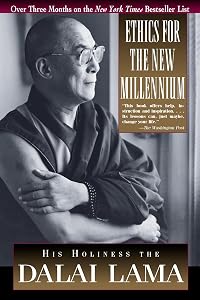
Ethics for the New Millennium
by Dalai Lama
On This Page
Description
The Dalai Lama masterfully articulates some of the most important principals that are set forth by the Buddhist religion into understandable everyday language.Tags
Recommendations

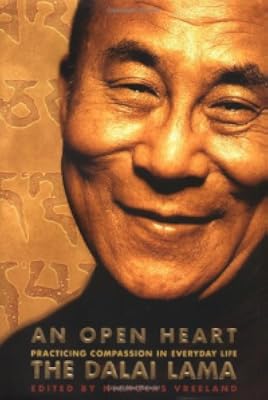
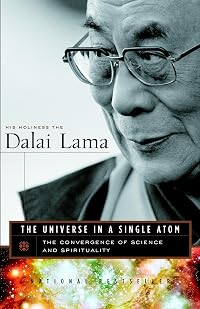
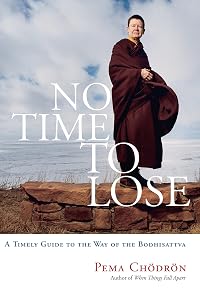
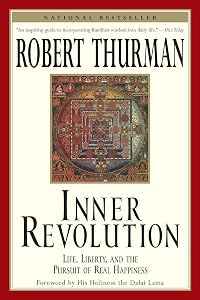

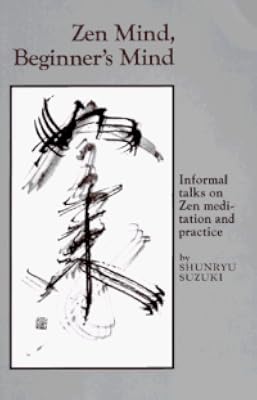
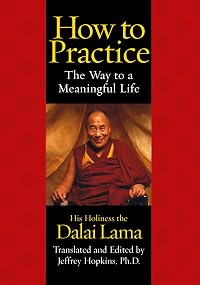
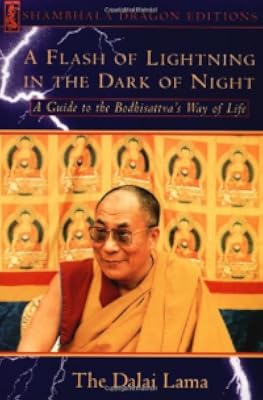

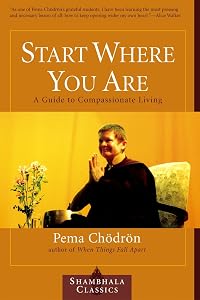


Member Recommendations

Member Reviews
The most impressive thing about this book is that it came out in early 2001 - months before our nation underwent an unprecedented tragedy - and the Dalai Lama's message of a roadmap for peaceful coexistence in our world resonates just as powerfully today as it did in what Americans would consider more 'peaceful' days.
I re-read this after 9/11 and felt like it was a handbook for the world's leaders to follow. I don't think any did - ours sure didn't - but the book also talks about our own personal responsibility as humans to one another and, most poignantly, in this age of climate change, economic struggles, and derision of anyone who doesn't share our views, the Dalai Lama reminds us that we are all connected, and everything we do has show more the potential to effect others in ways unimagined.
Makes ya think. show less
I re-read this after 9/11 and felt like it was a handbook for the world's leaders to follow. I don't think any did - ours sure didn't - but the book also talks about our own personal responsibility as humans to one another and, most poignantly, in this age of climate change, economic struggles, and derision of anyone who doesn't share our views, the Dalai Lama reminds us that we are all connected, and everything we do has show more the potential to effect others in ways unimagined.
Makes ya think. show less
Lacking Emotional Depth
I marked several passages in the book with Post-it notes, but very little has truly stayed with me. To me, the book lacked soul. The Dalai Lama attempts to argue how one should live without relying on religion as a basis. His central point is that every human being wants to be happy and avoid suffering. In this, we are all alike. We should recognize and take this universal desire in others seriously. He encourages us to do more for others, as by doing so, we contribute to the well-being of the entire human family.
However, the arguments he presents are sometimes contradictory, sometimes soulless. He relies heavily on everyday psychology and basic knowledge.
His Arguments and Conservative Views
One example is his show more stance on the environment. He argues that if everyone takes small, individual actions, meaningful change can be achieved. This reminded me of the way oil companies shifted responsibility onto individuals through the idea of the carbon footprint, deflecting attention from systemic issues.
Surprisingly, the Dalai Lama’s perspective is also more conservative than I expected. He emphasizes the special bond between a mother and her child. He suggests that, given the overpopulation of the Earth, having children might be morally questionable. However, he makes an exception for married couples, stating that they can, after careful consideration, choose to have children. But why married couples? This distinction felt outdated and arbitrary.
He also makes the bold claim that if the politicians of a country are corrupt, it likely reflects a lack of morality within the society as a whole (p. 213). This struck me as an oversimplification, ignoring the roles of manipulation, charisma, and propaganda in shaping political systems.
A Utilitarian Approach
The Dalai Lama’s main philosophy in the book is rooted in utilitarianism: act in ways that benefit the greatest good. While this principle may appeal to some, the book provides little clarity or convincing reasoning to support his many recommendations on how to live.
Comparison to Other Buddhist Teachers
Other Buddhist teachers have moved me deeply, inspiring a profound sense of love and compassion for humanity, for other living beings, and for the world. Unfortunately, the Dalai Lama’s writing fails to achieve the same emotional impact.
Questioning His Authority
By the end of the book, I found myself questioning what authority the Dalai Lama has to share these thoughts. Upon research, I realized that the current Dalai Lama, Tenzin Gyatso, was chosen at the age of four as the “reincarnation” of the Dalai Lama. He was essentially raised for this role.
For me, this background undermines his authenticity. He did not rise to prominence through his own wisdom or personal development but was instead trained for this position from an early age. show less
I marked several passages in the book with Post-it notes, but very little has truly stayed with me. To me, the book lacked soul. The Dalai Lama attempts to argue how one should live without relying on religion as a basis. His central point is that every human being wants to be happy and avoid suffering. In this, we are all alike. We should recognize and take this universal desire in others seriously. He encourages us to do more for others, as by doing so, we contribute to the well-being of the entire human family.
However, the arguments he presents are sometimes contradictory, sometimes soulless. He relies heavily on everyday psychology and basic knowledge.
His Arguments and Conservative Views
One example is his show more stance on the environment. He argues that if everyone takes small, individual actions, meaningful change can be achieved. This reminded me of the way oil companies shifted responsibility onto individuals through the idea of the carbon footprint, deflecting attention from systemic issues.
Surprisingly, the Dalai Lama’s perspective is also more conservative than I expected. He emphasizes the special bond between a mother and her child. He suggests that, given the overpopulation of the Earth, having children might be morally questionable. However, he makes an exception for married couples, stating that they can, after careful consideration, choose to have children. But why married couples? This distinction felt outdated and arbitrary.
He also makes the bold claim that if the politicians of a country are corrupt, it likely reflects a lack of morality within the society as a whole (p. 213). This struck me as an oversimplification, ignoring the roles of manipulation, charisma, and propaganda in shaping political systems.
A Utilitarian Approach
The Dalai Lama’s main philosophy in the book is rooted in utilitarianism: act in ways that benefit the greatest good. While this principle may appeal to some, the book provides little clarity or convincing reasoning to support his many recommendations on how to live.
Comparison to Other Buddhist Teachers
Other Buddhist teachers have moved me deeply, inspiring a profound sense of love and compassion for humanity, for other living beings, and for the world. Unfortunately, the Dalai Lama’s writing fails to achieve the same emotional impact.
Questioning His Authority
By the end of the book, I found myself questioning what authority the Dalai Lama has to share these thoughts. Upon research, I realized that the current Dalai Lama, Tenzin Gyatso, was chosen at the age of four as the “reincarnation” of the Dalai Lama. He was essentially raised for this role.
For me, this background undermines his authenticity. He did not rise to prominence through his own wisdom or personal development but was instead trained for this position from an early age. show less
In a difficult, uncertain time, it takes a person of great courage, such as the Dalai Lama, to give us hope. Regardless of the violence and cynicism we see on television and read about in the news, there is an argument to be made for basic human goodness. The number of people who spend their lives engaged in violence and dishonesty is tiny compared to the vast majority who would wish others only well. According to the Dalai Lama, our survival has depended and will continue to depend on our basic goodness. Ethics for the New Millennium presents a moral system based on universal rather than religious principles. Its ultimate goal is happiness for every individual, irrespective of religious beliefs. Though the Dalai Lama is himself a show more practicing Buddhist, his apporach to life and the moral compass that guides him can lead each and every one of us-Muslim, Christian, Jew, Buddhist, or atheist-to a happier, more fulfilling life. show less
Rather like dancing in a new club to strange music you've always avoided, there is always a bit of shame involved in coming to terms with yourself. And it's almost a cliche that this is what Eastern Philosophy does to us out here in the West.
Nevertheless, within 30 pages, the Dalai Lama has created with precise and accessible language, a framework for understanding those things that seem ever to torment us: the divide between religion and spirituality, the mystery of causation and existence, the quandries of material progress and scientific achievement amid depression, stress and anxiety. You'd hardly believe such things could be negotiated so quickly and effortlessly, but that is a Western sucker's bet, and this genius of a man has show more done that and so much more.
I hesitate to give any further clues as to what he writes so clearly. Yet I can assure you that upon completing this book you will feel so much more a part of the world of humanity, that you might even be ashamed at your previous distance. That sounds hokey, for sure. But then isn't there always something reassuring about the hokey?
I loved this book. Now I feel like going out and dancing with strangers. show less
Nevertheless, within 30 pages, the Dalai Lama has created with precise and accessible language, a framework for understanding those things that seem ever to torment us: the divide between religion and spirituality, the mystery of causation and existence, the quandries of material progress and scientific achievement amid depression, stress and anxiety. You'd hardly believe such things could be negotiated so quickly and effortlessly, but that is a Western sucker's bet, and this genius of a man has show more done that and so much more.
I hesitate to give any further clues as to what he writes so clearly. Yet I can assure you that upon completing this book you will feel so much more a part of the world of humanity, that you might even be ashamed at your previous distance. That sounds hokey, for sure. But then isn't there always something reassuring about the hokey?
I loved this book. Now I feel like going out and dancing with strangers. show less
In a difficult, uncertain time, it takes a person of great courage, such as the Dalai Lama, to give us hope. Regardless of the violence and cynicism we see on television and read about in the news, there is an argument to be made for basic human goodness. The number of people who spend their lives engaged in violence and dishonesty is tiny compared to the vast majority who would wish others only well. According to the Dalai Lama, our survival has depended and will continue to depend on our basic goodness. Ethics for the New Millennium presents a moral system based on universal rather than religious principles. Its ultimate goal is happiness for every individual, irrespective of religious beliefs. Though he himself a practicing Buddhist, show more the Dalai Lama's teachings and the moral compass that guides him can lead each and every one of us—Muslim, Christian, Jew, Buddhist, or atheist—to a happier, more fulfilling life. show less
As a brief and necessarily general work, this book isn't exactly revelatory, but its simplicity is soothing and its message always welcome, however familiar. After all, there's a difference between being familiar with and remaining aware of ethical principles, not to mention the difference between remaining aware of and acting on them. For the duration of the book, I was at least aware.
Ultimately, I'd prefer a more specific discussion of how the Dalai Lama's experience and belief are relevant to a modern global society, particularly a discussion with more pointed comparisons and anecdotes, but for an introduction to universal ethics addressed to a broad audience, this is an admirable place to start.
Ultimately, I'd prefer a more specific discussion of how the Dalai Lama's experience and belief are relevant to a modern global society, particularly a discussion with more pointed comparisons and anecdotes, but for an introduction to universal ethics addressed to a broad audience, this is an admirable place to start.
The Dalai Lama’s Ethics for the New Millennium is rather compelling to read. This book’s central theme is based on the virtues of compassion, love, patience, forgiveness, and humility among others. He traces his life’s journey from Tibet to his home-in-exile India, travels, lectures, and observations about life. The Dalai Lama keeps reminding readers that although he is the spiritual leader of Tibet he is still a human being like all of us.
He discusses what it means to be like children, adolescents, adults, professionals, and senior citizens. Often the Dalai Lama encourages us to live up to our responsibility of being decent human beings. It is for us to have disciplined lives, to love our neighbors, help the poor and show more underprivileged, and strive for the betterment of humanity. That’s why it is best to practice restrain by working on doing no harm to others.
There are many things people could do to propagate peace in their lives. They ought to live in harmony with their families, neighbors, community, nation, and the world. According to the Dalai Lama people don’t have to be religious to do such things. A great deal of what we do should come from our heart. This is so because he believes that our basic goal in life is to be happy. This same happiness people should want for all others, including their family, neighbors, and even their enemies.
Concerning world peace the Dalai Lama wasn’t happy about those who work in building arms of mass destruction. He thinks that this is a waste of resources that could be spent more wisely. Yet he was hopeful that the major powers of the world cut back on their arsenals and find peace. This he realizes isn’t exactly easy because many professionals make their living through the military industrial complex. But he was hopeful that some international organizations like UNESCO could be more effective. Although the Dalai Lama realizes that members of the public don’t have a voice in this organization.
The Dalai Lama is for supporting efforts for the existence of a clean environment. He reminisced about what it was like growing up in Tibet amidst an abundance of wildlife - animals, birds, and other species. He deplores the deforestation of lands, pollution, and the hazards caused by the use of chemicals. He therefore hopes that all these problems would be solved by people playing their rightful part in society. And Dalai Lama believes that everyone – people of all classes, rich and poor, professionals, politicians, scientists, and entrepreneurs should live compassionately by upholding the virtues in building sustainable communities, nations, and the world. show less
He discusses what it means to be like children, adolescents, adults, professionals, and senior citizens. Often the Dalai Lama encourages us to live up to our responsibility of being decent human beings. It is for us to have disciplined lives, to love our neighbors, help the poor and show more underprivileged, and strive for the betterment of humanity. That’s why it is best to practice restrain by working on doing no harm to others.
There are many things people could do to propagate peace in their lives. They ought to live in harmony with their families, neighbors, community, nation, and the world. According to the Dalai Lama people don’t have to be religious to do such things. A great deal of what we do should come from our heart. This is so because he believes that our basic goal in life is to be happy. This same happiness people should want for all others, including their family, neighbors, and even their enemies.
Concerning world peace the Dalai Lama wasn’t happy about those who work in building arms of mass destruction. He thinks that this is a waste of resources that could be spent more wisely. Yet he was hopeful that the major powers of the world cut back on their arsenals and find peace. This he realizes isn’t exactly easy because many professionals make their living through the military industrial complex. But he was hopeful that some international organizations like UNESCO could be more effective. Although the Dalai Lama realizes that members of the public don’t have a voice in this organization.
The Dalai Lama is for supporting efforts for the existence of a clean environment. He reminisced about what it was like growing up in Tibet amidst an abundance of wildlife - animals, birds, and other species. He deplores the deforestation of lands, pollution, and the hazards caused by the use of chemicals. He therefore hopes that all these problems would be solved by people playing their rightful part in society. And Dalai Lama believes that everyone – people of all classes, rich and poor, professionals, politicians, scientists, and entrepreneurs should live compassionately by upholding the virtues in building sustainable communities, nations, and the world. show less
Members
- Recently Added By
Lists

Real Good Religion
32 works; 1 member
Author Information

1,142+ Works 42,710 Members
The exiled 14th Dalai Lama was born on July 6, 1935 to a peasant family living in a former Tibetan village. He was recognized as the reincarnation of the previous spiritual leader of his nation at the age of two and enthroned on February 22, 1940. In 1959 he and 100,000 followers fled the country following a failed revolt against the Communist show more Chinese forces that had occupied Tibet for almost a decade. Since that time, the Dalai Lama has met with numerous world leaders and U. N. officials in a tireless effort to free his country and preserve the traditional Tibetan way of life. He received the Nobel Peace Prize in 1989 and has been awarded honorary citizenships by many international cities and countries, as well as multiple honorary degrees and human rights awards. In 2007 the Dalai Lama received the United States Congressional Gold Medal. He has written many books and lectures around the world. His book, My Spiritual Journey, made the iBooks bestseller list in 2016. He is the author of the best seller, The Book of Joy: Lasting Happiness in a Changing World, with the Desmond Tutu and Douglas Carlton Abrams. (Bowker Author Biography) show less
Some Editions
Awards and Honors
Distinctions
Series
Belongs to Publisher Series
Bastei Lübbe Taschenbuch (60514)
Common Knowledge
- Original title
- Ethics for the New Millennium
- Original publication date
- 1999
- First words
- I am a comparative newcomer to the modern world.
Preface: Having lost my country at the age of sixteen and become a refugee at twenty-four, I have faced a great many difficulties during the course of my life. - Last words
- (Click to show. Warning: May contain spoilers.)To close with, I would like to share a short prayer, which gives me great inspiration in my quest to benefit others:
May I become at all times, both now and forever
A protector for those without protection
A guide for those who have lost their way
A ship for those with oceans to cross
A bridge for those with rivers to cross
A sanctuary for those in danger
A lamp for those without light
A place of refuge for those who lack shelter
And a servant to all in need. - Blurbers
- Pell, Claiborne; Iyer, Pico
- Original language
- English
Classifications
Statistics
- Members
- 1,630
- Popularity
- 13,872
- Reviews
- 14
- Rating
- (4.00)
- Languages
- 9 — Danish, English, German, Japanese, Norwegian (Bokmål), Spanish, Swedish, Turkish, Portuguese (Portugal)
- Media
- Paper, Audiobook, Ebook
- ISBNs
- 35
- ASINs
- 9