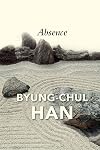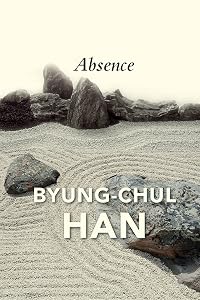
Absence: On the Culture and Philosophy of the Far East
by Byung-Chul Han
55 Members (4.00)
On This Page
Description
Western thinking has long been dominated by essence, by a preoccupation with that which dwells in itself and delimits itself from the other. By contrast, Far Eastern thought is centred not on essence but on absence. The fundamental topos of Far Eastern thinking is not being but 'the way' (dao), which lacks the solidity and fixedness of essence. The difference between essence and absence is the difference between being and path, between dwelling and wandering. 'A Zen monk should be without show more fixed abode, like the clouds, and without fixed support, like water', said the Japanese Zen master Dōgen. Drawing on this fundamental distinction between essence and absence, Byung-Chul Han explores the differences between Western and Far Eastern philosophy, aesthetics, architecture and art, shedding fresh light on a culture of absence that may at first sight appear strange and unfamiliar to those in the West whose ways of thinking have been shaped for centuries by the preoccupation with essence. show lessTags
Recommendations
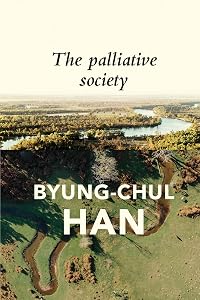
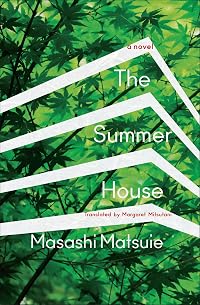
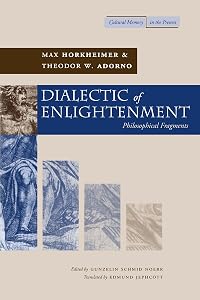
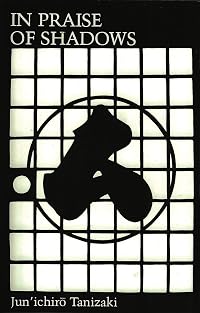
















Member Reviews
Members
- Recently Added By
Lists

New philosophy
65 works; 2 members
Author Information

121+ Works 5,482 Members
Byung-Chul Han is a Korean-born Professor of Philosophy and Cultural Studies who teaches at the University of the Arts (UdK) in Berlin.
Classifications
Statistics
- Members
- 55
- Popularity
- 557,015
- Rating
- (4.00)
- Languages
- English, German, Portuguese, Spanish
- Media
- Paper, Ebook
- ISBNs
- 6
- ASINs
- 1