Shot in the Heart
by Mikal Gilmore
On This Page
Description
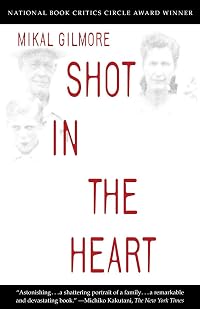
NATIONAL BOOK CRITICS CIRCLE AWARD WINNER WINNER OF THE LOS ANGELES TIMES BOOK PRIZE Haunting, harrowing, and profoundly affecting, Shot in the Heart exposes and explores a dark vein of American life that most of us would rather ignore. It is a book that will leave no reader unchanged. Gary Gilmore, the infamous murderer immortalized by Norman Mailer in The Executioner's Song, campaigned for his own death and was executed by firing squad in 1977. Writer Mikal Gilmore is his younger show more brother. In Shot in the Heart, he tells the stunning story of their wildly dysfunctional family: their mother, a black sheep daughter of unforgiving Mormon farmers; their father, a drunk, thief, and con man. It was a family destroyed by a multigenerational history of child abuse, alcoholism, crime, adultery, and murder. Mikal, burdened with the guilt of being his father's favorite and the shame of being Gary's brother, gracefully and painfully relates a murder tale "from inside the house where murder is born... a house that, in some ways, [he has] never been able to leave." Shot in the Heart is the history of an American family inextricably tied up with violence, and the story of how the children of this family committed murder and murdered themselves in payment for a long lineage of ruin. show lessTags
Recommendations
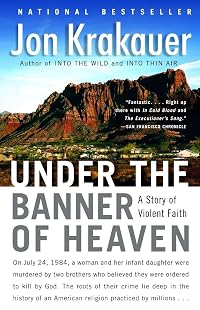

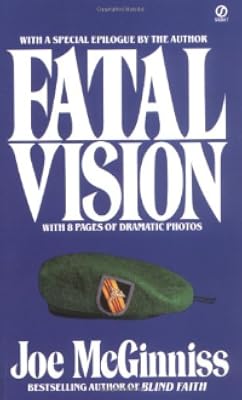
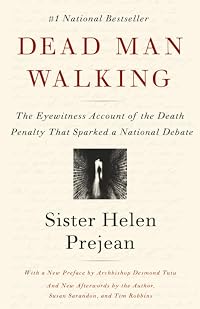
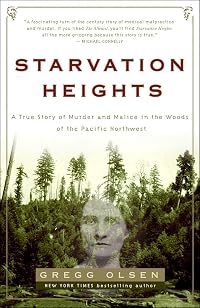
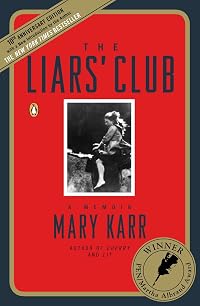
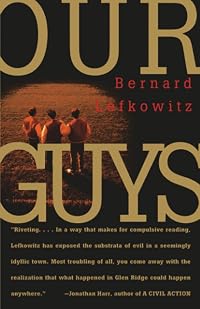
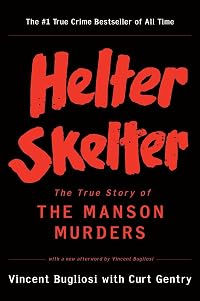
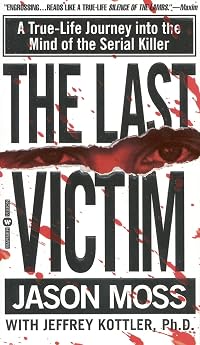
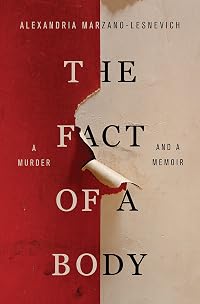
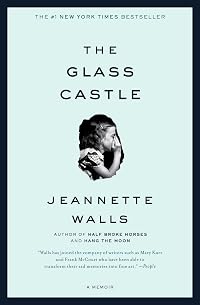
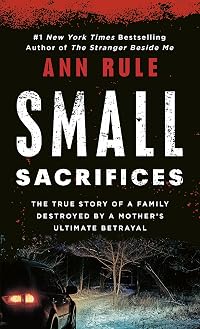
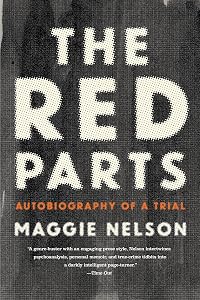

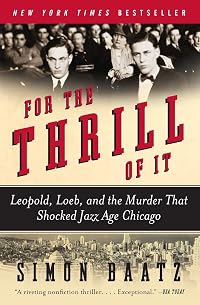
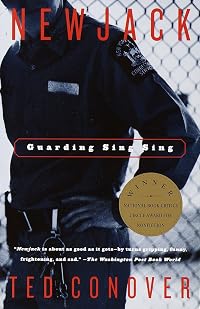
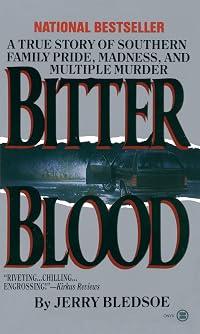
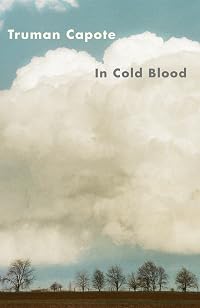
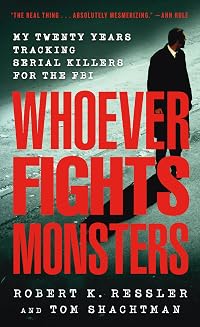
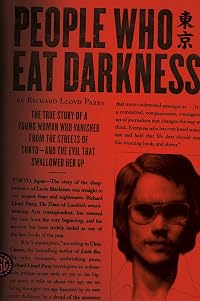
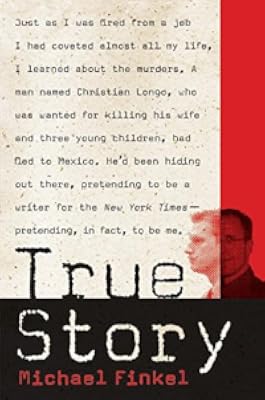
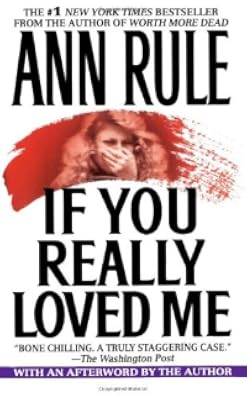
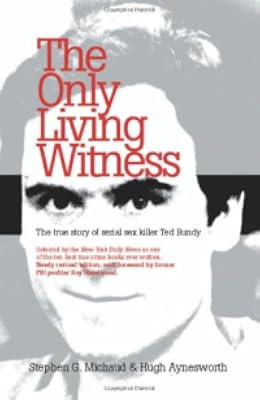

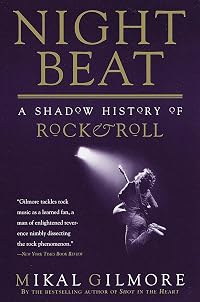
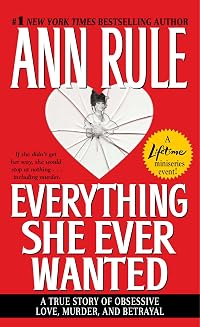
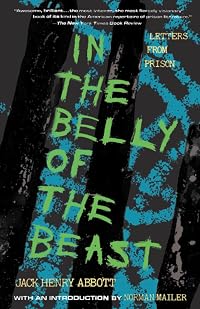

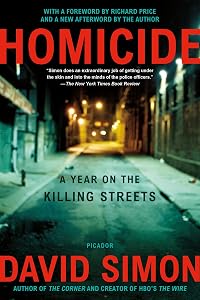
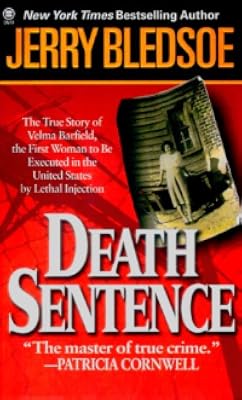



Member Recommendations
paulkid They're both about Gary Gilmore, but from completely different perspectives.
Member Reviews
I'm not exactly sure what I expected in picking up this book--or even how it got onto my shelf. This is the memoir of Mikal Gilmore, brother of the infamous murderer Gary Gilmore who was killed by firing squad in 1977, later being the focus of Norman Mailer's The Executioner's Song. The memoir focuses especially on the childhood of the brothers and their family situation, and Gary's eventual crimes as an adult are only a small portion of the book, though they haunt the earlier text.
This will appeal more to readers of memoir than readers of true crime and books related to crime/violence. Gilmore's a good writer, but has a way of stretching things out, and especially the beginning of the book was a really slow read for me. On a surface show more level, I suppose one could say that this looks at the psychology of a broken family and how a killer became a killer... but it really is a surface examination. I do think it could be interesting to read The Executioner's Song after reading this work, and plan to one of these days, but I believe this book was really more self-therapy for the writer than anything, and it read as such. show less
This will appeal more to readers of memoir than readers of true crime and books related to crime/violence. Gilmore's a good writer, but has a way of stretching things out, and especially the beginning of the book was a really slow read for me. On a surface show more level, I suppose one could say that this looks at the psychology of a broken family and how a killer became a killer... but it really is a surface examination. I do think it could be interesting to read The Executioner's Song after reading this work, and plan to one of these days, but I believe this book was really more self-therapy for the writer than anything, and it read as such. show less
Mikal Gilmore has an incredible story to tell. But, here's what I can't wrap my brain around - the fact that his story is about his own brother. True, they didn't know each other very well due to their age differences growing up and the fact that Gary was always either behind bars or on the run. Mikal had to rely on an older brother's memories to fill in the gaps.
Everyone knows the story of Gary Gilmore, thanks to Norman Mailer's biography The Executioner's Song (and subsequent made for television movie of the same name). Everyone has heard of the controversy surrounding Gary Gilmore's time on death row. What makes Mikal's account so different is his family bond. This is his history as much as it is his brother's. Gary was born Faye show more Robert Coffman and from the very start his life was surrounded by rage. Mikal wraps this story inside the history of the bloody beginnings of Mormon Utah. It's as if the Gilmore family was destined to fail. Gary's fame aside, Shot in the Heart is worth reading for Mikal's story. As I mentioned before, it is as much Mikal's history as it is Gary's. Spoiler alert: don't expect a happy ending. Mikal doesn't really tie up his own tale in a neat bow. I found myself asking, what now? Where is Mikal now? More importantly, is he happy? Has he escaped the profound destruction and despair that tortured and ruined the rest of his entire family? show less
Everyone knows the story of Gary Gilmore, thanks to Norman Mailer's biography The Executioner's Song (and subsequent made for television movie of the same name). Everyone has heard of the controversy surrounding Gary Gilmore's time on death row. What makes Mikal's account so different is his family bond. This is his history as much as it is his brother's. Gary was born Faye show more Robert Coffman and from the very start his life was surrounded by rage. Mikal wraps this story inside the history of the bloody beginnings of Mormon Utah. It's as if the Gilmore family was destined to fail. Gary's fame aside, Shot in the Heart is worth reading for Mikal's story. As I mentioned before, it is as much Mikal's history as it is Gary's. Spoiler alert: don't expect a happy ending. Mikal doesn't really tie up his own tale in a neat bow. I found myself asking, what now? Where is Mikal now? More importantly, is he happy? Has he escaped the profound destruction and despair that tortured and ruined the rest of his entire family? show less
Ah, true crime. So voyeuristic.
I expected this book to be far more about Gary Gilmore's murders, that being all I knew about the family. Instead it was about the incredibly family dysfunction that created a murderer, although Gilmore also admits he doesn't know if Gary was born differently from the other children or shaped by the environment. After all, there were four brothers, and only one became a murderer.
Gilmore writes very well, and you don't get utterly overwhelmed by the litany of terrible events in his childhood. The descriptions of their "haunted" house in Salt Lake City (Gilmore repeats several times that he doesn't believe in ghosts, but that everyone in the family felt presences and heard voices) are chilling. Whatever was show more going on in that house, many people were very unhappy and creating a terrible atmosphere, and it seems like all four boys were trying to run away from that house as best they could.
There isn't much plot to describe. The Gilmores grew up in shifting, hostile circumstances, and three of them did some jail time, and two of them died young, and if one of those two hadn't famously died by firing squad, it might have just been a memoir in the whose-childhood-was-worse competition, albeit written twenty years before that competition really took off. But Mikal Gilmore writes very, very well, and manages to tell his story without self-pity, and it's many steps above your standard memoir. show less
I expected this book to be far more about Gary Gilmore's murders, that being all I knew about the family. Instead it was about the incredibly family dysfunction that created a murderer, although Gilmore also admits he doesn't know if Gary was born differently from the other children or shaped by the environment. After all, there were four brothers, and only one became a murderer.
Gilmore writes very well, and you don't get utterly overwhelmed by the litany of terrible events in his childhood. The descriptions of their "haunted" house in Salt Lake City (Gilmore repeats several times that he doesn't believe in ghosts, but that everyone in the family felt presences and heard voices) are chilling. Whatever was show more going on in that house, many people were very unhappy and creating a terrible atmosphere, and it seems like all four boys were trying to run away from that house as best they could.
There isn't much plot to describe. The Gilmores grew up in shifting, hostile circumstances, and three of them did some jail time, and two of them died young, and if one of those two hadn't famously died by firing squad, it might have just been a memoir in the whose-childhood-was-worse competition, albeit written twenty years before that competition really took off. But Mikal Gilmore writes very, very well, and manages to tell his story without self-pity, and it's many steps above your standard memoir. show less
I read The Executioner's Song when it was first published and remember the book being a very gripping read, mostly because its prose was based on interviews with many people and those interviews were transformed by Mailer into a plain, non-emotional prose style that was gripping and startling.
In this book, written some years after that book (1991-93) tells Gary Gilmore's story from a very different point of view: his younger brother. Mikal Gilmore tells the family story from at least one generation before their parents, and examines how damaged people can affect their descendants for more than a generation. It's a gripping book, containing horrors that most of us (luckily) never encounter, and how the way Gary was treated by his family show more and the penal system almost inevitably led to the cold murders he committed.
Mikal Gilmore is a very very good writer, and this book is a near masterpiece of story-telling, compassionate and gripping. It's a book that won't fade from memory for some time. Very highly recommended. show less
In this book, written some years after that book (1991-93) tells Gary Gilmore's story from a very different point of view: his younger brother. Mikal Gilmore tells the family story from at least one generation before their parents, and examines how damaged people can affect their descendants for more than a generation. It's a gripping book, containing horrors that most of us (luckily) never encounter, and how the way Gary was treated by his family show more and the penal system almost inevitably led to the cold murders he committed.
Mikal Gilmore is a very very good writer, and this book is a near masterpiece of story-telling, compassionate and gripping. It's a book that won't fade from memory for some time. Very highly recommended. show less
Years ago, I devoured the gigantic Executioner's Song by Norman Mailer in a weekend. Gary Gilmore's story as Mailer told it was heart-wrenching and involving. I picked up Shot in the Heart to see what Mikal Gilmore could add to the story. The answer is both a lot and not much.
Mikal was the youngest of the four Gilmore boys, with a 6-year gap between him and the next-youngest, Gaylen. Mikal's memories start well after Gary's life had started down a hard path; in fact, his first memory of Gary is of a stranger being introduced as his brother (Gary had been away at a boarding school for troubled children). In some ways, Mikal lived in a different world than his brothers. Their father didn't beat Mikal, while the others were subjected to show more cruel treatment regularly. Mikal traveled with their father, keeping him away from his brothers and their troubles for much of his youth. He lived in a different world, but it wasn't untouched by the family's legacy of violence and chaos.
He relies on his oldest brother Frank's memory for many of the things that happened while he wasn't around, and Frank has a way with words. Both brothers are able to look back with unflinching honesty at what it was like for them, and what it may have been like for their lost brothers. This book is less about Gary Gilmore's murders and execution and more about what may have driven him to them, what demons the family had, and the mystery of how those demons affected four brothers differently. I don't know that this book alone would give you much information about Gary's case and his death without having read The Executioner's Song, but it's a powerful look at Gary's origins and surroundings if you have read the other book. show less
Mikal was the youngest of the four Gilmore boys, with a 6-year gap between him and the next-youngest, Gaylen. Mikal's memories start well after Gary's life had started down a hard path; in fact, his first memory of Gary is of a stranger being introduced as his brother (Gary had been away at a boarding school for troubled children). In some ways, Mikal lived in a different world than his brothers. Their father didn't beat Mikal, while the others were subjected to show more cruel treatment regularly. Mikal traveled with their father, keeping him away from his brothers and their troubles for much of his youth. He lived in a different world, but it wasn't untouched by the family's legacy of violence and chaos.
He relies on his oldest brother Frank's memory for many of the things that happened while he wasn't around, and Frank has a way with words. Both brothers are able to look back with unflinching honesty at what it was like for them, and what it may have been like for their lost brothers. This book is less about Gary Gilmore's murders and execution and more about what may have driven him to them, what demons the family had, and the mystery of how those demons affected four brothers differently. I don't know that this book alone would give you much information about Gary's case and his death without having read The Executioner's Song, but it's a powerful look at Gary's origins and surroundings if you have read the other book. show less
Mikal Gilmore is a brother of Gary Gilmore, the murderer whose highly publicized execution was the subject of Norman Mailer's The Executioner's Song. Having read The Executioner's Song, when I heard about this book, I was intrigued by the chance to learn about the brother's side of the story.
The story side of the book did not disappoint: reading the book you get to know the whole Gilmore family. It is too facile to boil down 400 pages of description by saying the family is "fucked up," but I don't know how else to summarize it concisely. If you want to know how fucked up precisely they were, you'll have to read the book.
But although the book has all the ingredients of a good book -- a compelling story and complex characters spanning show more multiple generations -- I wouldn't call it a good book, and I think it is because Mikal Gilmore is not a very good writer. At first I thought it isn't Mikal Gilmore's fault that he, as a person whose talents lie in fields other than writing, was the person best situated to tell this story: Gary Gilmore's parents are dead, and of his three brothers one was killed and one is living a somewhat unstable life, so only Mikal is left to tell the story. But as it turns out, Mikal Gilmore is actually a writer by profession. In many cases, I felt the story could have been very powerful in the hands of a better writer or editor. The author uses a somewhat simplistic vocabulary, skips over key events in just a few sentences while spending several pages on unrelated sidelines, makes odd jumps in time that are meant for dramatic effect but appear forced . . . I could go on. I feel a bit mean saying this, when what I'm saying is about an actual person's life, but if you're describing your reaction to a horrifying event, descriptions along the lines of "I felt bad" do not work very well in a book.
Having said that, there are some moving parts about what in my mind is the real hero of the book: Frank Gilmore, Jr., Gary and Mikal's eldest brother, who, despite having had his own encounters with the criminal justice system, seems to make up in humanity what Gary and the fourth brother Gaylen lacked. show less
The story side of the book did not disappoint: reading the book you get to know the whole Gilmore family. It is too facile to boil down 400 pages of description by saying the family is "fucked up," but I don't know how else to summarize it concisely. If you want to know how fucked up precisely they were, you'll have to read the book.
But although the book has all the ingredients of a good book -- a compelling story and complex characters spanning show more multiple generations -- I wouldn't call it a good book, and I think it is because Mikal Gilmore is not a very good writer. At first I thought it isn't Mikal Gilmore's fault that he, as a person whose talents lie in fields other than writing, was the person best situated to tell this story: Gary Gilmore's parents are dead, and of his three brothers one was killed and one is living a somewhat unstable life, so only Mikal is left to tell the story. But as it turns out, Mikal Gilmore is actually a writer by profession. In many cases, I felt the story could have been very powerful in the hands of a better writer or editor. The author uses a somewhat simplistic vocabulary, skips over key events in just a few sentences while spending several pages on unrelated sidelines, makes odd jumps in time that are meant for dramatic effect but appear forced . . . I could go on. I feel a bit mean saying this, when what I'm saying is about an actual person's life, but if you're describing your reaction to a horrifying event, descriptions along the lines of "I felt bad" do not work very well in a book.
Having said that, there are some moving parts about what in my mind is the real hero of the book: Frank Gilmore, Jr., Gary and Mikal's eldest brother, who, despite having had his own encounters with the criminal justice system, seems to make up in humanity what Gary and the fourth brother Gaylen lacked. show less
I really appreciated Mikal's book; he had the courage to open his heart as well as his mind to his readers. Having a family with so much dramatic dysfunction, and living within a culture which unfortunately reinforces some of those dysfunctions, made for fascinating reading. Mikal was born the last of the four sons and did not experience some of the worst physical punishments his other brothers experienced, from both father and mother. Your heart is broken for these children as they are beaten and punished completely out of proportion to any thing the child did, or did not do.
And yet Mikal is clear that he knows that this family background in no way justifies the criminal behavior some of the brothers chose. And he also knowns that he show more believes that society's way of dealing with criminals which includes abuse, physical harm, and complete lack of any understanding of the individual's personal challenges, is one more factor which contributes to the increasing criminality of some of the men after they are set free from incarceration.
His brother, Gary Gilmore combined the worst possible responses to all these influences in his life. His response to his father's unreasonable and arbitrary authoritarianism, to the schools' efforts at teaching him some self discipline in arbitrary ways, to the police assumption that once a kid begins to flirt with criminality that the die is cast, to the prisons many abuses, and eventually to anything which he perceived as blocking his desires results in his acts of murder.
The heart of the book is Mikal's efforts to understand why his brother insisted on giving up on all legal challenges to his death sentence, and walking to the firing squad with a sense of having finally won. It is a fascinating question which attracted attention from Bill Moyer, and Norman Mailer, as well as much media attention; but, in the end I think Mikal's effort brings real light to a puzzling and dramatic event. show less
And yet Mikal is clear that he knows that this family background in no way justifies the criminal behavior some of the brothers chose. And he also knowns that he show more believes that society's way of dealing with criminals which includes abuse, physical harm, and complete lack of any understanding of the individual's personal challenges, is one more factor which contributes to the increasing criminality of some of the men after they are set free from incarceration.
His brother, Gary Gilmore combined the worst possible responses to all these influences in his life. His response to his father's unreasonable and arbitrary authoritarianism, to the schools' efforts at teaching him some self discipline in arbitrary ways, to the police assumption that once a kid begins to flirt with criminality that the die is cast, to the prisons many abuses, and eventually to anything which he perceived as blocking his desires results in his acts of murder.
The heart of the book is Mikal's efforts to understand why his brother insisted on giving up on all legal challenges to his death sentence, and walking to the firing squad with a sense of having finally won. It is a fascinating question which attracted attention from Bill Moyer, and Norman Mailer, as well as much media attention; but, in the end I think Mikal's effort brings real light to a puzzling and dramatic event. show less
Members
- Recently Added By
Lists

Dysfunctional Families
133 works; 7 members

Books Tagged Abuse
152 works; 4 members
Author Information
7+ Works 1,001 Members
Mikal Gilmore was born on February 9, 1951 in Portland, Ore, and attended Portland State University. He chronicles his life's history in Shot in the Heart, which also tells the story of his brother, Gary Gilmore, a convicted murderer whose execution by firing squad in 1979 drew national attention. (It was the subject of Norman Mailer's book The show more Executioner's Song, which was later adapted as a film.) Gilmore is known professionally as a writer for Rolling Stone magazine for more than 20 years. His book, Night Beat: Collected Writings on Rock & Roll Culture and other Disruptions, contains fascinating descriptions of the people and places in the rock music industry that he has seen. This book draws together two decades of criticism, interviews, reviews, and personal views of the living history of rock music. (Bowker Author Biography) show less
Awards and Honors
Awards
Distinctions
Work Relationships
Common Knowledge
- Original publication date
- 1993
- People/Characters
- Gary Gilmore; Mikal Gilmore
- Important places
- Orem, Utah, USA; Oregon, USA; Provo, Utah, USA
- Canonical DDC/MDS
- 364.15230973
- Canonical LCC
- HV6529
Classifications
- Genres
- Biography & Memoir, Nonfiction, General Nonfiction
- DDC/MDS
- 364.15230973 — Society, government, & culture Social problems and social services Crime Criminal offenses Offenses against the person Homicide Murder History, geographic treatment, biography North America United States
- LCC
- HV6529 — Social sciences Social pathology. Social and public welfare. Criminology Social pathology. Social and public welfare. Criminology Crimes and offenses
- BISAC
Statistics
- Members
- 770
- Popularity
- 36,596
- Reviews
- 24
- Rating
- (4.15)
- Languages
- 9 — Danish, Dutch, English, French, German, Norwegian (Bokmål), Polish, Portuguese, Spanish
- Media
- Paper, Audiobook, Ebook
- ISBNs
- 21
- ASINs
- 7