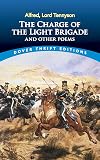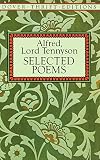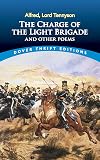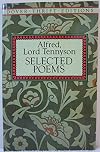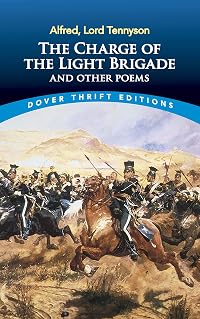
The Charge of the Light Brigade and Other Poems
by Alfred Lord Tennyson
On This Page
Description
Treasury of verse by the great Victorian poet includes the famous long narrative poem, Enoch Arden, plus ""The Lady of Shalott,"" ""The Charge of the Light Brigade,"" ""Break, break, break,"" ""Flower in the crannied Wall"" and more. Also included are excerpts from three longer works: The Princess, ""Maud"" and ""The Brook.""
Tags
Recommendations
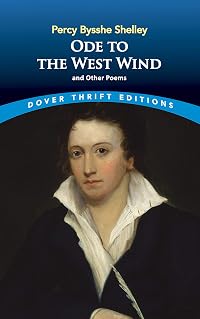
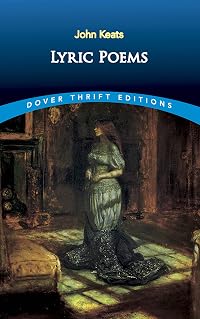
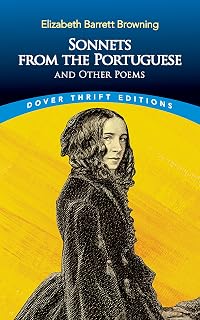
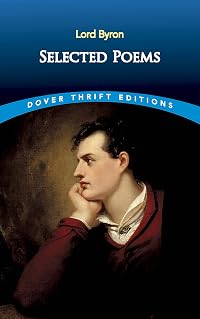




Member Reviews
Tutte le stagioni hanno sempre interpretato i sentimenti degli uomini. Questi sentimenti vanno e vengono, nascono e muoiono, ci aiutano e ci confondono. Insomma, riproducono i nostri stati d’animo, ci stimolano e ci accompagnano senza che nessuno sappia dire come arrivano, dove sorgono, come e perchè finiscono. L’autunno è la stagione ideale per ricordare ed al ricordo spesso si accompagnano le lacrime. Ma cosa sono le lacrime?
C’è una bellissima poesia in questa raccolta del poeta inglese Alfred Tennyson, molto triste, che esprime insieme la dolcezza ed il dolore del ricordo per le cose passate e gli amici scomparsi. Il poeta piange lacrime che egli ritiene “idle” - vane - perchè egli stesso non è in grado di capirne il show more significato e le conseguenze. Eppure resta convinto che quelle lacrime, quelle tenere, misteriose gocce d’acqua che solcano il volto di chi avverte un sentimento di sofferenza, quelle stesse lacrime sono belle e nobili. Sorgono, infatti, dal profondo del suo cuore e gonfiano i suoi occhi alla vista di quei campi dorati al tempo della mietitura autunnale. Occasione di gioia per il raccolto, ma anche di tristezza, perchè segna una fine, quella della stagione estiva. Tutte quelle foglie gialle destinate a marcire, come sono purtoppo finiti i giorni passati che non potranno mai più tornare.
Luminoso come il primo raggio di sole che sorge e bacia le vele della nave al limite dell’orizzonte, così il ricordo degli amici perduti emerge dal profondo dell’animo. Il mondo irraggiungibile, oltre la linea della vita, nel regno dei morti, come nelle leggende classiche. Quando ricordiamo i nostri amici scomparsi essi ci appaiono e sembra che navigano nella nostra mente. Ma poi affondano per scomparire. Sappiamo bene che essi non possono restare in superficie a lungo. Così è altrettanto triste il momento del tramonto allorquando il sole perde le sue forze e fa il cielo rosso del suo sangue, affondando dietro l’orizzonte. Una coltre scura cala sulle memorie e sui ricordi dei giorni andati che di esse sono i figli.
Ricordi strani e tristi come quelli che appaiono agli occhi ed alle orecchie dell’uomo che si spegne alla vigilia della sua morte e gli sembra di vedere in estate la luce dell’alba e di sentire il canto degli uccelli appena svegli. Il tempo trascorso non potrà mai più ritornare ed è paragonato al bacio dato a chi si spegne. A chi amiamo, o abbiamo amato, ma non ci ama perchè non c’è più. Di lui o di lei non ci resta che il ricordo. Il passato non è altro che“la morte in vita”. La poesia è in versi sciolti e consiste di quattro stanze di cinque versi, ognuna delle quali si chiude con “i dì che non son più”. Fa parte di un poema chiamato “The Princess”pubblicato nel 1847.
Tears, idle tears, I know not what they mean,
Tears from the depth of some divine despair
Rise in the heart, and gather to the eyes,
In looking on the happy autumn-fields,
And thinking of the days that are no more.
Fresh as the first beam glittering on a sail,
That brings our friends up from the underworld,
Sad as the last which reddens over one
That sinks with all we love below the verge;
So sad, so fresh, the days that are no more.
Ah, sad and strange as in dark summer dawns
The earliest pipe of half-awaken’d birds
To dying ears, when unto dying eyes
The casement slowly grows a glimmering square;
So sad, so strange, the days that are no more.
Dear as remembered kisses after death,
And sweet as those by hopeless fancy feign’d
On lips that are for others; deep as love,
Deep as first love, and wild with all regret;
O Death in Life, the days that are no more!
—–
Lacrime, vane lacrime ed arcane
Dal sen d’una divina disperanza,
Sorgano in cuor, s’accolgono negli occhi.
Vedendo i lieti campi dell’Autunno,
Pensando ai giorni che non sono più.
Gai come il primo raggio su una vela
Che ci riporti i cari d’oltremare,
Tristi come l’estremo su una vela
Che affondi insieme con tutto quel che amiamo:
Si tristi e gai quei dì che non son più.
Ah, tristi e strani come in alba oscura
Voci d’uccelli per morenti orecchi,
Mentre ad occhi morenti la finestra
Via via diventa un pallido quadrato;
Si tristi e strani i dì che non son più.
Cari siccome i baci ricordati
Dopo la morte, e dolci come i baci
Sognati invan, profondi come amore,
Il primo amore, e folli di rimpianto:
O Morte in Vita, i dì che non son più.
(Traduzione di Mario Praz)
La traduzione in italiano che vi propongo è quella di un grande Maestro e Anglista, oltre che raffinato Bibliofilo. Nessun linguista o bibliofilo lo potrà mai dimenticare. show less
C’è una bellissima poesia in questa raccolta del poeta inglese Alfred Tennyson, molto triste, che esprime insieme la dolcezza ed il dolore del ricordo per le cose passate e gli amici scomparsi. Il poeta piange lacrime che egli ritiene “idle” - vane - perchè egli stesso non è in grado di capirne il show more significato e le conseguenze. Eppure resta convinto che quelle lacrime, quelle tenere, misteriose gocce d’acqua che solcano il volto di chi avverte un sentimento di sofferenza, quelle stesse lacrime sono belle e nobili. Sorgono, infatti, dal profondo del suo cuore e gonfiano i suoi occhi alla vista di quei campi dorati al tempo della mietitura autunnale. Occasione di gioia per il raccolto, ma anche di tristezza, perchè segna una fine, quella della stagione estiva. Tutte quelle foglie gialle destinate a marcire, come sono purtoppo finiti i giorni passati che non potranno mai più tornare.
Luminoso come il primo raggio di sole che sorge e bacia le vele della nave al limite dell’orizzonte, così il ricordo degli amici perduti emerge dal profondo dell’animo. Il mondo irraggiungibile, oltre la linea della vita, nel regno dei morti, come nelle leggende classiche. Quando ricordiamo i nostri amici scomparsi essi ci appaiono e sembra che navigano nella nostra mente. Ma poi affondano per scomparire. Sappiamo bene che essi non possono restare in superficie a lungo. Così è altrettanto triste il momento del tramonto allorquando il sole perde le sue forze e fa il cielo rosso del suo sangue, affondando dietro l’orizzonte. Una coltre scura cala sulle memorie e sui ricordi dei giorni andati che di esse sono i figli.
Ricordi strani e tristi come quelli che appaiono agli occhi ed alle orecchie dell’uomo che si spegne alla vigilia della sua morte e gli sembra di vedere in estate la luce dell’alba e di sentire il canto degli uccelli appena svegli. Il tempo trascorso non potrà mai più ritornare ed è paragonato al bacio dato a chi si spegne. A chi amiamo, o abbiamo amato, ma non ci ama perchè non c’è più. Di lui o di lei non ci resta che il ricordo. Il passato non è altro che“la morte in vita”. La poesia è in versi sciolti e consiste di quattro stanze di cinque versi, ognuna delle quali si chiude con “i dì che non son più”. Fa parte di un poema chiamato “The Princess”pubblicato nel 1847.
Tears, idle tears, I know not what they mean,
Tears from the depth of some divine despair
Rise in the heart, and gather to the eyes,
In looking on the happy autumn-fields,
And thinking of the days that are no more.
Fresh as the first beam glittering on a sail,
That brings our friends up from the underworld,
Sad as the last which reddens over one
That sinks with all we love below the verge;
So sad, so fresh, the days that are no more.
Ah, sad and strange as in dark summer dawns
The earliest pipe of half-awaken’d birds
To dying ears, when unto dying eyes
The casement slowly grows a glimmering square;
So sad, so strange, the days that are no more.
Dear as remembered kisses after death,
And sweet as those by hopeless fancy feign’d
On lips that are for others; deep as love,
Deep as first love, and wild with all regret;
O Death in Life, the days that are no more!
—–
Lacrime, vane lacrime ed arcane
Dal sen d’una divina disperanza,
Sorgano in cuor, s’accolgono negli occhi.
Vedendo i lieti campi dell’Autunno,
Pensando ai giorni che non sono più.
Gai come il primo raggio su una vela
Che ci riporti i cari d’oltremare,
Tristi come l’estremo su una vela
Che affondi insieme con tutto quel che amiamo:
Si tristi e gai quei dì che non son più.
Ah, tristi e strani come in alba oscura
Voci d’uccelli per morenti orecchi,
Mentre ad occhi morenti la finestra
Via via diventa un pallido quadrato;
Si tristi e strani i dì che non son più.
Cari siccome i baci ricordati
Dopo la morte, e dolci come i baci
Sognati invan, profondi come amore,
Il primo amore, e folli di rimpianto:
O Morte in Vita, i dì che non son più.
(Traduzione di Mario Praz)
La traduzione in italiano che vi propongo è quella di un grande Maestro e Anglista, oltre che raffinato Bibliofilo. Nessun linguista o bibliofilo lo potrà mai dimenticare. show less
I got this on the recommendation of (I think) my brother - for Merlin and the Gleam.
Ratings
Members
- Recently Added By
Author Information

Alfred Tennyson was born on August 6, 1809 in Somersby, England. He attended Trinity College in Cambridge. Tennyson is chiefly known for his poetry, an art form that had interested him since the age of six. His best known work is the Idylls of the King. Tennyson was appointed Poet Laureate of England in 1850 and became the Baron of Aldworth and show more Farrington in 1883. Tennyson was still writing his his 80s, and died on October 6, 1892 near Haslemere, England. (Bowker Author Biography) If there were a contest for the title "greatest Victorian poet," Tennyson would in death, as in life, obtain the prize. He had the finest ear of any English poet, admitting to know the metrical value of every word in the English language except "scissors." In addition, his ability to evoke a closely rendered scene was unsurpassed. Therefore, although those who sought to attack Tennyson called him "the stupidest of the English poets," he remains the only one ennobled for his poetry. Tennyson was born at Somersby rectory in Lincolnshire, the son of the rector there, and was educated at Louth Grammar School and Trinity College, Cambridge. His earliest published verse, Poems Chiefly Lyrical (1830) and Poems (1833), were considered too sentimental by many critics. Signs of future greatness could be detected in some of the poems in these collections, however. In 1842, a new volume entitled Poems was published. This work, consisting of heavily revised poems from the two earlier collections as well as many new poems, helped to establish Tennyson's fame. His masterpiece, In Memoriam (1850), crowned his fame. The work is a tribute to his close friend Arthur Henry Hallam, whose sudden death in 1833 was a crucial event in the poet's life. The year it was published he succeeded Wordsworth as poet laureate of England. Thereafter, he became tremendously popular and held the respect and admiration of the nation, including Queen Victoria and Prince Albert. From that point, Tennyson also became the poet of the establishment, and for the next 40 years he was the Parnassian idol whom younger poets would vainly seek to topple. In many of his poems, including "Ulysses," "The Princess," and "Idylls of the King" (1859--1885), Tennyson trumpeted the creed of the benevolent tyrant. It was this embrace of an authoritarian universe that, as much as his versecraft, had earned him the respect of the British monarchs. His lifelong fascination with King Arthur was the inspiration for Idylls of the King, a series of 12 narrative poems published over a period of 26 years. In 1888, Tennyson chronologically arranged these 12 poems, thus depicting the full story of Arthur and his vision of the perfect state. Tennyson's last poem, "Crossing the Bar," was a 16-line lyric written while crossing from Lymington to the Isle of Wight. It was included in a collection entitled Demeter and Other Poems published in 1889. Tennyson's most characteristic form of poetry was the idyl, a poem of country life. These poems frequently take the form of dramatic reveries that tell a story. Mood is often created through the power of richly described settings. All of Tennyson's work reflects his talent for achieving fine shades of poetic expression, and his lyrics express the emotions and experiences shared by all people. His work is also notable for its heroic quality. In 1883, Tennyson was awarded the title of Baron Tennyson by Queen Victoria; his full title was Baron of Aldworth and Farringford. When he died in 1892, he was buried in the Poet's Corner of Westminster Abbey. Tennyson's letters show almost nothing of the vividness and brilliance of his poetry, but Cecil Y. Lang and Edgar F. Shannon have been publishing them for their sidelights. More important for an understanding of Tennyson's poetry, the century-long ban on publishing the contents of Tennyson's notebooks, held by Trinity College in Cambridge, was lifted not long ago; an edition of In Memoriam, incorporating these variants, was brought out by Susan Shatto and Marion Shaw in 1982. (Bowker Author Biography) show less
Some Editions
Series
Belongs to Publisher Series
Common Knowledge
- Original title
- Selected Poems
- Alternate titles
- The Charge of the Light Brigade and Other Poems
- Original publication date
- 1992
- Important events
- Crimean War
- Disambiguation notice
- Selections from The Poetic and dramatic works of Alfred Lord Tennyson: Cambridge edition, published by the Houghton Mifflin Company, Boston (1898), originally published by Dover Publications under the title Selected... (show all) Poems (1992) edited by Stanley Appelbaum, and later as The Charge of the Light Brigade and Other Poems.
Please do not combine with similarly-named volumes that contain a differing selection of poems.
Similarly, if your book is present and you do not have this edition, please fix your ISBN before separating it.
Classifications
Statistics
- Members
- 422
- Popularity
- 73,520
- Reviews
- 2
- Rating
- (3.78)
- Languages
- English
- Media
- Paper, Audiobook, Ebook
- ISBNs
- 7
- UPCs
- 1
- ASINs
- 4