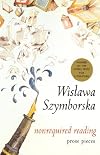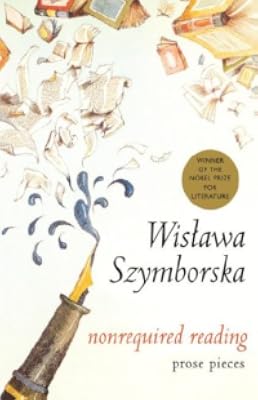
Nonrequired Reading: Prose Pieces
by Wislawa Szymborska
On This Page
Description
Wislawa Szymborska's poems are admired around the world, and her unsparing vision, tireless wit, and deep sense of humanity are cherished by countless readers. Unknown to most of them, however, Szymborska also worked for several decades as a columnist, reviewing a wide variety of books under the unassuming title "Nonrequired Reading." As readers of her poems would expect, the short prose pieces collected here are anything but ordinary. Reflecting the author's own eclectic tastes and show more interests, the pretexts for these ruminations range from books on wallpapering, cooking, gardening, and yoga, to more lofty volumes on opera and world literature. Unpretentious yet incisive, these charming pieces are on a par with Szymborska's finest lyrics, tackling the same large and small questions with a wonderful curiosity. show lessTags
Recommendations





Member Reviews
A collection of book reviews from the Polish poet & Nobel Laureate. Wonderful, quirky, delightfully erudite and completely eccentric. Recommended.
Such a lively mind. Such wide-ranging interests. Exceptionally brilliant translator. Wislawa [I feel like I'm on a first-name basis with this very open, bright, clear-minded author] won the Nobel for her poetry about a dozen years ago. This is a collection of brief reviews of non-fiction books -- some originally in Polish & many translated mostly from French, German, and a few from English. She tackles biographies from Ella Fitzgerald to Pierre de Fermat (17th century mathematician). She has a great interest in cultural anthropology from Neaderthals through to Middle Ages to now. Indeed, there is no topic she doesn't dive into with great verve. Witty, knowledgable, a spritely intellectual & a great delight to read.
Mooie observaties!
Un libro piacevolissimo, fatto di non-recensioni. Sono schede di lettura, divagazioni e riflessioni personali suggerite dalle letture più disparate. Poco o niente viene detto su come i vari autori hanno trattato uno specifico argomento e solo in un paio di casi, su circa cento schede, viene espressa una valutazione. Ogni lettura è l’occasione per un personalissimo percorso dell’autrice, che ha preso in esame i testi più disparati. Si parla di scrittura cinese, di un faraone-donna, di Hitchcock, di molluschi, di bricolage, di Gibbon, di astrologia e chi più ne ha più ne metta. E’ scritto con tale arguzia e intelligente lievità che una pagina tira l’altra e dopo ogni scheda si resta incuriositi sul possibile argomento della show more scheda successiva. L’impressione è che l’autrice sia stata una donna simpaticissima, con un grande ‘sense of humour’ e, caso più unico che raro, nessuna supponenza, nemmeno un briciolo. show less
Aug 30, 2017Italian
לא מזמן קראתי בתענוג את "קריאת רשות" של ויסלבה שימבורסקה, בתרגומו המצוין של רפי וייכרט. מדובר באוסף רשימות קצרצרות של שימבורסקה, בעיקר משנות השבעים, שפורסמו כמעין ביקורות ספרים. אלא שאלו לא-ביקורות על ספרים בלתי-שגרתיים: שימבורסקה נוטלת ספר עיון כלשהו, קוראת אותו, וכותבת לא עליו אלא באמצעותו. לפעמים מתקבלת חוות דעת על הספר גופא, אך גם אם כן, בדרך כלל יהא זה במשפט או שניים; שאר הרשימה מוקדש תמיד להגיגים והערות על show more נושא הספר, או על אסוציאציות של שימבורסקה מתוך נושא הספר, או מתוך אנקדוטה בודדת בספר.
שימבורסקה היא משוררת (נהדרת). גם כשהיא כותבת בשורות מלאות ולא קצוצות, ועל אף שאין זו כתיבה שמקוטלגת בין סוגות הפרוזה האמנותית, בכל זאת ניכר כוחה הפיוטי (אפילו מבעד למטפחת התרגום), ודמיונה הנועז, החופשי כל-כך. כמעט מכל רשימה אפשר לצטט כאן עוד ועוד. כמעט בכל דף היא מעלה חיוך, לעתים מתוק, לעתים מריר, לעתים ציני; כמעט בכל דף היא מעוררת למחשבה.
כתבתי שרוב הרשימות נכתבו בשנות השבעים, אך חלק מן הרשימות נכתבו בשנות התשעים ועד תחילת העשור הנוכחי. מענין לראות מה שונה ומה דומה בין התקופות הרחוקות הללו -- שהרי לא רק חלפו עשרים-שלושים שנה, פרק ניכר בחיי כל אדם, אלא גם קרס הגוש הקומוניסטי שתחתיו חיה שימבורסקה רוב חייה, ופולין הלכה והפכה מודרנית ומערבית יותר, תהליך שנמשך לאיטו עד היום.
מענין ששימבורסקה לא מתייחסת כמעט כלל לשלטון ולפוליטיקה בת-זמנה ברשימות משנות השבעים. ברור שאי-אפשר היה לכתוב בביקורת גלויה נגד המשטר בזמנו, אך מצד שני, גם אין בכתביה חנופה או שבחים מעושים למשטר, כפי שיש אצל כותבים רבים בגוש הקומוניסטי. אך זאת רק על פני השטח. שימבורסקה רומזת לקוראים עירניים בעדינות מושלמת, על הדיכוי, על השקר, ברשימות שונות, כגון רשימה על האצולה הפולנית של המאה הי"ח, או רשימה על תחביבים ואספנות. וברשימות המאוחרות לנפילת הגוש, גם שם אין היא מתפלשת באמירות מפורשות מדי, אלא מעירה מדי פעם הערות, בסרקזם עדין או בחמלה -- הכל באנדרסטייטמנט נהדר.
בתחתית כל רשימה מובאים פרטי הספר ה"נסקר" -- שם הספר, שם המחבר, הוצאה ושנה. במקרה של ספרים מתורגמים לפולנית (והם רבים, מרוסית, מאנגלית, מגרמנית ומצרפתית), מביאה המהדורה העברית אפילו את שם המתרגם לפולנית, וגם על כך תבוא הוצאת חרגול ויבוא רפי וייכרט על הברכה, משום שזו התנהגות חריגה במקומותינו, ומשום שבאמת קשה לדמיין קורא עברי מתענין בשם המתרגם של איזה ספר משנות השבעים מגרמנית לפולנית. ובכל זאת, ראוי הדבר לציון, גם משום שצוין במקור הפולני, וגם משום שטוב להזכיר את עבודתם הסיזיפית והלא-מוערכת של מתרגמים, מכל שפה ולכל שפה, גם לקורא העברי.
כדאי מאוד לקרוא. ויבוא וייכרט על הברכה על המלאכה השלמה והנקייה שעשה, ועל שזיכה אותנו, מאותגרי-הפולנית, בתענוג הזה. show less
שימבורסקה היא משוררת (נהדרת). גם כשהיא כותבת בשורות מלאות ולא קצוצות, ועל אף שאין זו כתיבה שמקוטלגת בין סוגות הפרוזה האמנותית, בכל זאת ניכר כוחה הפיוטי (אפילו מבעד למטפחת התרגום), ודמיונה הנועז, החופשי כל-כך. כמעט מכל רשימה אפשר לצטט כאן עוד ועוד. כמעט בכל דף היא מעלה חיוך, לעתים מתוק, לעתים מריר, לעתים ציני; כמעט בכל דף היא מעוררת למחשבה.
כתבתי שרוב הרשימות נכתבו בשנות השבעים, אך חלק מן הרשימות נכתבו בשנות התשעים ועד תחילת העשור הנוכחי. מענין לראות מה שונה ומה דומה בין התקופות הרחוקות הללו -- שהרי לא רק חלפו עשרים-שלושים שנה, פרק ניכר בחיי כל אדם, אלא גם קרס הגוש הקומוניסטי שתחתיו חיה שימבורסקה רוב חייה, ופולין הלכה והפכה מודרנית ומערבית יותר, תהליך שנמשך לאיטו עד היום.
מענין ששימבורסקה לא מתייחסת כמעט כלל לשלטון ולפוליטיקה בת-זמנה ברשימות משנות השבעים. ברור שאי-אפשר היה לכתוב בביקורת גלויה נגד המשטר בזמנו, אך מצד שני, גם אין בכתביה חנופה או שבחים מעושים למשטר, כפי שיש אצל כותבים רבים בגוש הקומוניסטי. אך זאת רק על פני השטח. שימבורסקה רומזת לקוראים עירניים בעדינות מושלמת, על הדיכוי, על השקר, ברשימות שונות, כגון רשימה על האצולה הפולנית של המאה הי"ח, או רשימה על תחביבים ואספנות. וברשימות המאוחרות לנפילת הגוש, גם שם אין היא מתפלשת באמירות מפורשות מדי, אלא מעירה מדי פעם הערות, בסרקזם עדין או בחמלה -- הכל באנדרסטייטמנט נהדר.
בתחתית כל רשימה מובאים פרטי הספר ה"נסקר" -- שם הספר, שם המחבר, הוצאה ושנה. במקרה של ספרים מתורגמים לפולנית (והם רבים, מרוסית, מאנגלית, מגרמנית ומצרפתית), מביאה המהדורה העברית אפילו את שם המתרגם לפולנית, וגם על כך תבוא הוצאת חרגול ויבוא רפי וייכרט על הברכה, משום שזו התנהגות חריגה במקומותינו, ומשום שבאמת קשה לדמיין קורא עברי מתענין בשם המתרגם של איזה ספר משנות השבעים מגרמנית לפולנית. ובכל זאת, ראוי הדבר לציון, גם משום שצוין במקור הפולני, וגם משום שטוב להזכיר את עבודתם הסיזיפית והלא-מוערכת של מתרגמים, מכל שפה ולכל שפה, גם לקורא העברי.
כדאי מאוד לקרוא. ויבוא וייכרט על הברכה על המלאכה השלמה והנקייה שעשה, ועל שזיכה אותנו, מאותגרי-הפולנית, בתענוג הזה. show less
Dec 15, 2007Hebrew
Nada de sesudos estudios sobre las obras, sino el cercano análisis de una lectora amateur, como ella misma se define. "Me emocionó tanto que casi se me cae el bolígrafo"
Jan 9, 2010Spanish
Ratings
Members
- Recently Added By
Author Information

134+ Works 4,988 Members
Wislawa Szymborska was born in Bnin, Poland on July 2, 1923. After the Nazis invaded Poland in September 1939, she found work as a railway clerk to avoid deportation to Germany as a forced laborer. In her free time, she studied at illegal underground universities. After World War II, she resumed her formal studies in Polish literature and show more sociology at Jagiellonian University, but never earned a degree. In 1945, she published her first poem, I Am Looking for a Word, in a weekly supplement to the local newspaper. Her first book of poetry was published in 1952. Her other volumes of poetry include View with a Grain of Sand, People on a Bridge, Sounds, Feelings, Thoughts: Seventy Poems, and Here. In 1991 she won the Goethe Prize and in 1995 she was awarded the Herder Prize. She won the Nobel Prize for Poetry in 1996 and was awarded The Order of the White Eagle in recognition of her contribution to her country's culture in 2011. From 1953 to 1981, she worked as a poetry editor and columnist for the literary weekly Literary Life, where she wrote a column called Non-Required Reading. She died of lung cancer on February 1, 2012 at the age of 88. (Bowker Author Biography) show less
Some Editions
Common Knowledge
- Original publication date
- 1992
Classifications
- Genres
- Nonfiction, Literature Studies and Criticism
- DDC/MDS
- 028.1 — Computer science, information & general works Library & information sciences Reading and use of other information media Reviews of Books
- LCC
- PG7178 .Z9 .A222 — Language and Literature Slavic languages and literatures. Baltic languages. Albanian language Slavic. Baltic. Albanian Slavic Polish
- BISAC
Statistics
- Members
- 253
- Popularity
- 128,511
- Reviews
- 6
- Rating
- (3.95)
- Languages
- 8 — Dutch, English, Hebrew, Italian, Lithuanian, Polish, Spanish, Swedish
- Media
- Paper, Ebook
- ISBNs
- 12
- ASINs
- 2