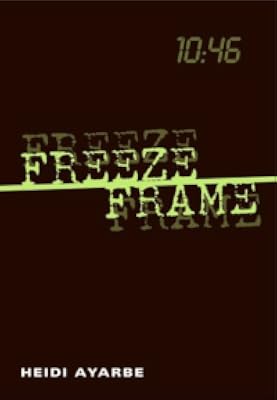
Freeze Frame
by Heidi Ayarbe
On This Page
Description
Fifteen-year-old Kyle believes he does not deserve to live after accidentally shooting and killing his best friend.Tags
Recommendations



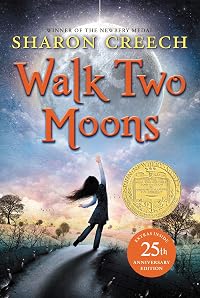
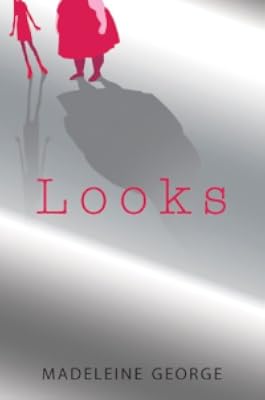
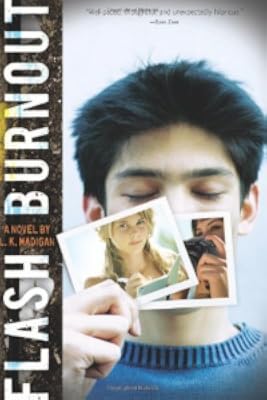
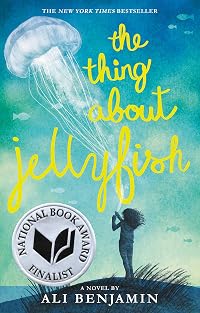

Member Recommendations

Member Reviews
Losing your best friend hurts, when you lose him twice, as Kyle does, its so painful his mind refuses to allow him to remember what really happened the second time. He and Jason were besties, living less than a block from each other. Jason longed to become an artist, drawing ever more detailed comic characters. Both his little brother Chase and Kyle were drawn as super heroes, Chase as Kite Rider and Jason as Freeze Frame. Kyle's dream was to become a movie maker and he was obsessed with watching videos and trying to dissect them so he could understand how directors worked.
When Jason started hanging out with new friends, Kyle didn't know how to deal with it. On the surface, the friendship was still solid, but the less time they spent show more together, the more he started hurting inside. Jason comes over for a weekend visit and something terrible happens in the shed behind the house. Kyle snaps out of a shocked daze to see blood everywhere and Jason lying on the shed floor. He can't remember exactly what happened. One thing does become clear to him. Jason is dying and he's responsible.
What unfolds after this is painful to read at times, while sucking you in a bit more on almost every page. It made me feel intensely for Kyle. He doesn't question his responsibility, but his guilt and grief lead him to numerous choices and actions that upset others and make those who care for him question what's going on in his head. Lost hardly begins to describe how he feels and every time he attempts to recreate the events, switching from movie director to movie director, he ends up in freeze frame at the critical moment.
It takes his promise to protect Chase from bullying at the elementary school, the friendship of Mr. Cordoba, a most unlikely high school librarian, the friendship of Kohana, another teen who understands the role of outcast better than almost anyone and numerous talks to Jason in the graveyard for Kyle to put the pieces together. The result is healing, not only for him, but for almost everyone affected by this tragedy.
It's an excellent book for teens who have, or are grappling with guilt or remorse as well as those who like a book that hits the reader with an emotional body blow. show less
When Jason started hanging out with new friends, Kyle didn't know how to deal with it. On the surface, the friendship was still solid, but the less time they spent show more together, the more he started hurting inside. Jason comes over for a weekend visit and something terrible happens in the shed behind the house. Kyle snaps out of a shocked daze to see blood everywhere and Jason lying on the shed floor. He can't remember exactly what happened. One thing does become clear to him. Jason is dying and he's responsible.
What unfolds after this is painful to read at times, while sucking you in a bit more on almost every page. It made me feel intensely for Kyle. He doesn't question his responsibility, but his guilt and grief lead him to numerous choices and actions that upset others and make those who care for him question what's going on in his head. Lost hardly begins to describe how he feels and every time he attempts to recreate the events, switching from movie director to movie director, he ends up in freeze frame at the critical moment.
It takes his promise to protect Chase from bullying at the elementary school, the friendship of Mr. Cordoba, a most unlikely high school librarian, the friendship of Kohana, another teen who understands the role of outcast better than almost anyone and numerous talks to Jason in the graveyard for Kyle to put the pieces together. The result is healing, not only for him, but for almost everyone affected by this tragedy.
It's an excellent book for teens who have, or are grappling with guilt or remorse as well as those who like a book that hits the reader with an emotional body blow. show less
Rating: 3.5
15-year-old Kyle Carroll’s best friend since kindergarten, Jason Bishop, sleeps over at the Carroll house one Friday in early October, the evening before the big homecoming American football game at the high school. On Saturday morning, as the friends wait for breakfast, they walk out into the backyard. Still in their pyjamas on this chilly autumn morning, they end up in Kyle’s father’s shed. Within minutes, at 9:16 am, Jason is shot with a gun that Mr. Carroll forgot he even had. At 10:46 a.m., Jason, now at the local hospital, is declared dead, and since all signs point to Kyle’s being the shooter, he is taken into custody.
Within days, the juvenile court judge remands Kyle to three years’ probation under the show more strict supervision of his parole officer. He is also to receive ongoing psychological evaluation by the state-appointed psychiatrist. Although Kyle still doesn’t know what happened in the backyard shed, he finds the sentence inappropriately lenient and says so: “‘It didn’t make sense. It was an open-and-shut case. I killed him. I confessed. And they send me home because it was an ‘unfortunate incident’?”
The central problem in Ayarbe’s young adult novel is that Kyle can recall nothing about those moments preceding his friend’s demise. He has sessions with a psychiatrist and says little. With his utterly flat affect and atypical behaviour, Kyle appears to be in some sort of dissociative state. Wondering what’s wrong with this boy, the reader presses on to find an answer which the author seems reluctant to provide. Knowing of Kyle’s interest in film, his psychiatrist recommends that he write a screenplay of the scene to try to access the memories his mind is hiding from him. Later, a school librarian provides him with a place of refuge, encouragement, and understanding.
Using first-person narration and relying heavily on flashbacks, Ayarbe slowly—too slowly—reveals the story of the boys’ friendship, which had apparently been fraying in recent months. Prior to high school, Jason, like Kyle, had been something of a loner. At the start of tenth grade, however, he’d “ditched” Kyle, who was perhaps becoming a social liability. While Kyle ate alone in the cafeteria, Jason went off campus for lunch with a new gang of popular, athletic boys. After his friend’s death, Kyle replays memory after memory of their decade-long friendship. He also converses with his dead friend, visits his grave, and watches out for Jason’s precocious eight-year-old brother, Chase, a victim of bullying.
Kyle is a movie buff who had hoped to pursue a career in film. The book makes mention of numerous directors and movies, not all of them familiar or meaningful to me. It’s hard to imagine a younger reader finding much value in these references either. However, Ayarbe does use the language of filmmaking effectively to communicate Kyle’s mental processes. He “fast forwards”; wishes he could “edit”; speaks of “scenes”, “takes”, “cuts”, and “rewinding”, and he also thinks about the “freeze frame” in his life—the vivid, motionless scene when action and time were suspended and his friend lay dying in front of him. Kyle realizes that if he were a director, he could change everything, but the movie that plays in his head cannot change, and nothing is under his control.
Initially, Kyle is not a particularly likeable character, and I questioned whether his amnesia was enough of a premise on which to build a novel. I soldiered on, however, and this time it paid off. I discovered what had occurred in the shed that Saturday morning in autumn, and I warmed to Kyle in the process.
Freeze Frame is not a perfect book. First of all, there are a few too many flashbacks to scenes of childhood. Second, the screenplays written in the style of a number of different directors—Tarantino, Lynch, and Hitchcock, to name a few—become tiresome after a while. And, finally, there are plot developments that I found a little hard to credit. Even so, there is still lots to appreciate in this novel. Ayarbe is an ambitious writer. The story she presents and the issues it raises are hardly run-of-the-mill young adult fare. I laud her for that. show less
15-year-old Kyle Carroll’s best friend since kindergarten, Jason Bishop, sleeps over at the Carroll house one Friday in early October, the evening before the big homecoming American football game at the high school. On Saturday morning, as the friends wait for breakfast, they walk out into the backyard. Still in their pyjamas on this chilly autumn morning, they end up in Kyle’s father’s shed. Within minutes, at 9:16 am, Jason is shot with a gun that Mr. Carroll forgot he even had. At 10:46 a.m., Jason, now at the local hospital, is declared dead, and since all signs point to Kyle’s being the shooter, he is taken into custody.
Within days, the juvenile court judge remands Kyle to three years’ probation under the show more strict supervision of his parole officer. He is also to receive ongoing psychological evaluation by the state-appointed psychiatrist. Although Kyle still doesn’t know what happened in the backyard shed, he finds the sentence inappropriately lenient and says so: “‘It didn’t make sense. It was an open-and-shut case. I killed him. I confessed. And they send me home because it was an ‘unfortunate incident’?”
The central problem in Ayarbe’s young adult novel is that Kyle can recall nothing about those moments preceding his friend’s demise. He has sessions with a psychiatrist and says little. With his utterly flat affect and atypical behaviour, Kyle appears to be in some sort of dissociative state. Wondering what’s wrong with this boy, the reader presses on to find an answer which the author seems reluctant to provide. Knowing of Kyle’s interest in film, his psychiatrist recommends that he write a screenplay of the scene to try to access the memories his mind is hiding from him. Later, a school librarian provides him with a place of refuge, encouragement, and understanding.
Using first-person narration and relying heavily on flashbacks, Ayarbe slowly—too slowly—reveals the story of the boys’ friendship, which had apparently been fraying in recent months. Prior to high school, Jason, like Kyle, had been something of a loner. At the start of tenth grade, however, he’d “ditched” Kyle, who was perhaps becoming a social liability. While Kyle ate alone in the cafeteria, Jason went off campus for lunch with a new gang of popular, athletic boys. After his friend’s death, Kyle replays memory after memory of their decade-long friendship. He also converses with his dead friend, visits his grave, and watches out for Jason’s precocious eight-year-old brother, Chase, a victim of bullying.
Kyle is a movie buff who had hoped to pursue a career in film. The book makes mention of numerous directors and movies, not all of them familiar or meaningful to me. It’s hard to imagine a younger reader finding much value in these references either. However, Ayarbe does use the language of filmmaking effectively to communicate Kyle’s mental processes. He “fast forwards”; wishes he could “edit”; speaks of “scenes”, “takes”, “cuts”, and “rewinding”, and he also thinks about the “freeze frame” in his life—the vivid, motionless scene when action and time were suspended and his friend lay dying in front of him. Kyle realizes that if he were a director, he could change everything, but the movie that plays in his head cannot change, and nothing is under his control.
Initially, Kyle is not a particularly likeable character, and I questioned whether his amnesia was enough of a premise on which to build a novel. I soldiered on, however, and this time it paid off. I discovered what had occurred in the shed that Saturday morning in autumn, and I warmed to Kyle in the process.
Freeze Frame is not a perfect book. First of all, there are a few too many flashbacks to scenes of childhood. Second, the screenplays written in the style of a number of different directors—Tarantino, Lynch, and Hitchcock, to name a few—become tiresome after a while. And, finally, there are plot developments that I found a little hard to credit. Even so, there is still lots to appreciate in this novel. Ayarbe is an ambitious writer. The story she presents and the issues it raises are hardly run-of-the-mill young adult fare. I laud her for that. show less
Heidi Ayarbe's debut YA novel is about the aftermath of a shooting accident in which Kyle's best friend Jason is killed. Without being preachy, the book sends a clear message about gun safety and the impact on a community, family, and friends when tragedy strikes.
Ayarbe uses Kyle's interest in filmmaking as a literary device, as he writes the last moments of Jason's life (and, later, memories of better moments in their friendship) in scene after scene, using a different filmmaker's style each time. Filmmaking is Kyle's dream for the future, but it also becomes his method of reconstructing memories of the accident, and eventually, the key to moving forward. Once Ayarbe dives in with the scenes, this works well, but some of the film terms show more (freeze frame, rewind), constantly used to describe Kyle's reaction to the shooting, begin to lose their effectiveness in repetition by chapter three or four.
Kyle's story is compelling, but I did find myself struggling to suspend my belief in certain places. The fact that Kyle blames himself for Jason Bishop's death, and the anger the Bishop family felt, are very believable. The police taking him away in handcuffs? A stay in juvenile detention? Given the circumstances of Jason's death, and having lost a cousin to an accidental shooting myself, I found this hard to swallow. Similarly, Kyle's "red rage" makes sense, and his desire to stand up for himself shows character development, but could this short and skinny boy really win a fist fight when outnumbered by bullies? Only in the movies he's so fond of, I suspect. (full review at Worducopia) show less
Ayarbe uses Kyle's interest in filmmaking as a literary device, as he writes the last moments of Jason's life (and, later, memories of better moments in their friendship) in scene after scene, using a different filmmaker's style each time. Filmmaking is Kyle's dream for the future, but it also becomes his method of reconstructing memories of the accident, and eventually, the key to moving forward. Once Ayarbe dives in with the scenes, this works well, but some of the film terms show more (freeze frame, rewind), constantly used to describe Kyle's reaction to the shooting, begin to lose their effectiveness in repetition by chapter three or four.
Kyle's story is compelling, but I did find myself struggling to suspend my belief in certain places. The fact that Kyle blames himself for Jason Bishop's death, and the anger the Bishop family felt, are very believable. The police taking him away in handcuffs? A stay in juvenile detention? Given the circumstances of Jason's death, and having lost a cousin to an accidental shooting myself, I found this hard to swallow. Similarly, Kyle's "red rage" makes sense, and his desire to stand up for himself shows character development, but could this short and skinny boy really win a fist fight when outnumbered by bullies? Only in the movies he's so fond of, I suspect. (full review at Worducopia) show less
Teen: The creativity behind the writing is phenomenal. Heidi Ayarbe takes a story and puts it into the perspective of a director, but still manages to keep the storyline clear.
Adult: The story was much, much more than I expected. This is mostly Kyle's story, but the author does an exceptional job showing how Jason's death affected others, from his siblings and parents to his peers at school.
Pros: The first chapter is very explosive. Although the story is told in distortion, and yet still tragic, I was motivated to keep reading. It kept my attention.
Adult: The story was much, much more than I expected. This is mostly Kyle's story, but the author does an exceptional job showing how Jason's death affected others, from his siblings and parents to his peers at school.
Pros: The first chapter is very explosive. Although the story is told in distortion, and yet still tragic, I was motivated to keep reading. It kept my attention.
Something happened that morning in the shed and if Kyle could only remember what it was, things might be okay. Jason is dead. There was a gun. But though Kyle can remember the scenes before and after the shooting, he can't remember what, exactly, happened to Jason. Guilt consumes him as he deals with the aftermath of the incident and, with the help of some new friends, deals with his feelings and starts to heal.
I found the plot pretty gripping and I loved the author's incorporation of Kyle's love of film into the style of the book. Kyle thinks of the incident as a series of scenes and he wishes more than anything that he could return to that day and edit it. It lagged a little bit in the middle for me, but I thought there was a great show more cast of supporting characters and it was a read that I enjoyed.
Read more on my blog:
http://abbylibrarian.blogspot.com/2009/01/book-review-freeze-frame.html show less
I found the plot pretty gripping and I loved the author's incorporation of Kyle's love of film into the style of the book. Kyle thinks of the incident as a series of scenes and he wishes more than anything that he could return to that day and edit it. It lagged a little bit in the middle for me, but I thought there was a great show more cast of supporting characters and it was a read that I enjoyed.
Read more on my blog:
http://abbylibrarian.blogspot.com/2009/01/book-review-freeze-frame.html show less
Very interesting, if a bit depressing.
Reviewed by Randstostipher "tallnlankyrn" Nguyen for TeensReadToo.com
No matter how hard he tries, Kyle just can't figure out that one scene that completes the movie he feels like he's in.
He has the beginning scenes. The first scene where Kyle and his best friend, Jason, are eating pancakes. As always, Jason uses up all of the syrup, making Kyle's dad go out and buy some more. After a little quarrel between the two, followed by an insult to his sister, Kyle and Jason run outside into the freezing cold. Not wanting to go back in, Kyle suggests the shed.
Once inside the shed everything goes blank - from here Kyle just cannot figure out the scene, the most important scene.
After the blackout, it's complete chaos - there's blood, calling 911, show more an ambulance, a trip to the hospital, and then off to a holding cell. Questioned, confused, Kyle just doesn't understand what has happened, or how it happened.
How he killed his best friend.
No matter how hard he tries, Kyle just cannot figure out the one scene that explains it all, the scene that decides whether he is innocent or not, the scene that ended with his best friend dead. Yet, if he can figure it all out, is it the end of the world for him, can he live with knowing the truth, or will it be too much for him to handle?
With brief interruptions of past events that Kyle and Jason shared, Heidi Ayarbe takes us on a breathtaking and thrilling journey of a boy trying to solve a mystery that leaves even the reader at the edge of their seats. Ayarbe creates a work of art using realistic thoughts and images that helps in developing a novel that will be gripped in the reader's hands until the very last page.
FREEZE FRAME is a great debut from a talented new author. show less
No matter how hard he tries, Kyle just can't figure out that one scene that completes the movie he feels like he's in.
He has the beginning scenes. The first scene where Kyle and his best friend, Jason, are eating pancakes. As always, Jason uses up all of the syrup, making Kyle's dad go out and buy some more. After a little quarrel between the two, followed by an insult to his sister, Kyle and Jason run outside into the freezing cold. Not wanting to go back in, Kyle suggests the shed.
Once inside the shed everything goes blank - from here Kyle just cannot figure out the scene, the most important scene.
After the blackout, it's complete chaos - there's blood, calling 911, show more an ambulance, a trip to the hospital, and then off to a holding cell. Questioned, confused, Kyle just doesn't understand what has happened, or how it happened.
How he killed his best friend.
No matter how hard he tries, Kyle just cannot figure out the one scene that explains it all, the scene that decides whether he is innocent or not, the scene that ended with his best friend dead. Yet, if he can figure it all out, is it the end of the world for him, can he live with knowing the truth, or will it be too much for him to handle?
With brief interruptions of past events that Kyle and Jason shared, Heidi Ayarbe takes us on a breathtaking and thrilling journey of a boy trying to solve a mystery that leaves even the reader at the edge of their seats. Ayarbe creates a work of art using realistic thoughts and images that helps in developing a novel that will be gripped in the reader's hands until the very last page.
FREEZE FRAME is a great debut from a talented new author. show less
Members
- Recently Added By
Author Information
8+ Works 413 Members
Awards and Honors
Common Knowledge
- First words
- Gray slats of light slipped between the bars, only to be swallowed by blackness.
- Quotations
- Pg. 309
"I was the boy who shot his best friend, and look at me now. Don't let homicide ruin your smile. Drink milk." - Last words
- (Click to show. Warning: May contain spoilers.)She wrapped me in her arms, "I've been waiting for you."
Classifications
Statistics
- Members
- 153
- Popularity
- 214,951
- Reviews
- 9
- Rating
- (4.18)
- Languages
- English
- Media
- Paper, Ebook
- ISBNs
- 5
- ASINs
- 3