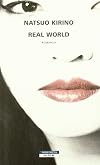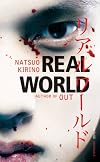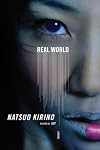
Real World
by Natsuo Kirino
On This Page
Description
Fiction. Literature. Suspense. Thriller. HTML:In a crowded Tokyo suburb, four teenage girls indifferently wade their way through a hot, smoggy summer. When one of them, Toshi, discovers that her nextdoor neighbor has been brutally murdered, the girls suspect the killer is the neighbor's son. But when he flees, taking Toshi's bike and cell phone with him, the four girls get caught up in a tempest of dangers that rise from within them as well as from the world around them. Psychologically show more intricate and astute, Real World is a searing, eye-opening portrait of teenage life in Japan unlike any we have seen before.From the Trade Paperback edition.. show less
Tags
Recommendations


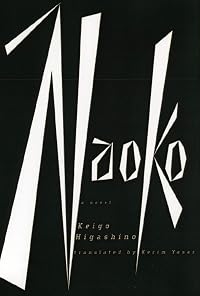

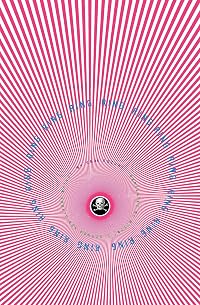
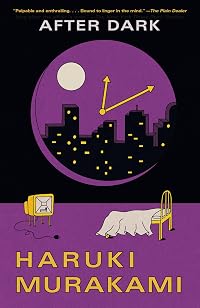


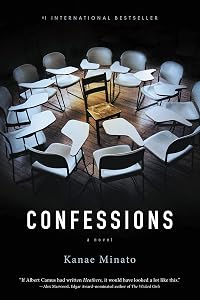










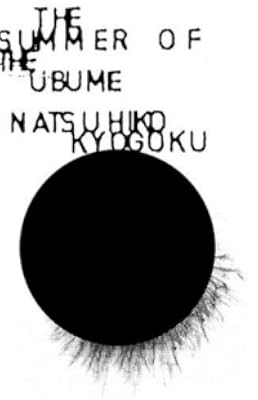
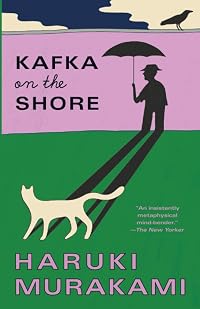
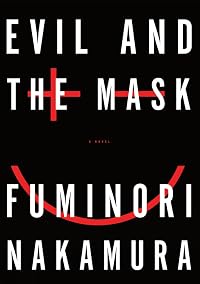







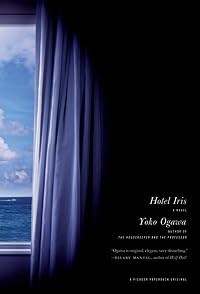





Member Recommendations
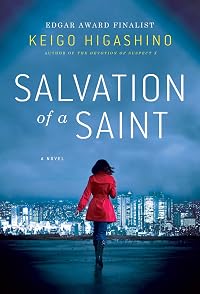
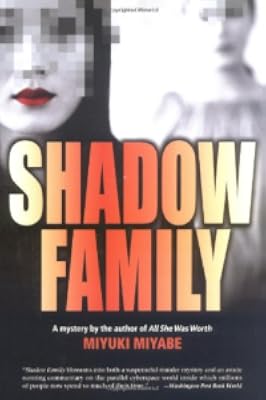
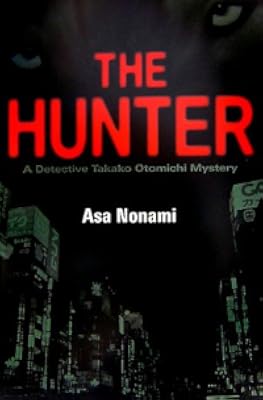
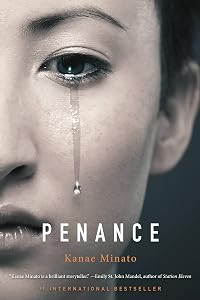
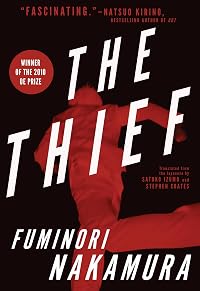
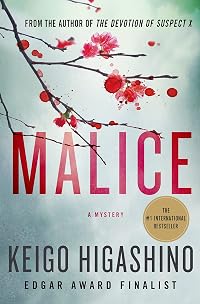
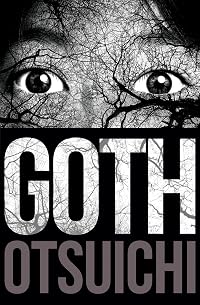
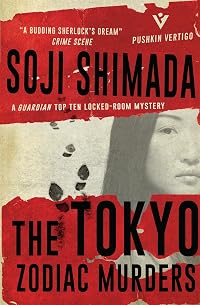
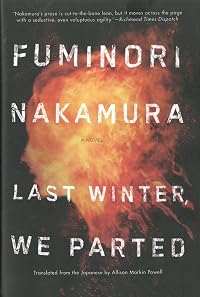
BookshelfMonstrosity Whereas The Fever takes place in the Northeastern United States and Real World is set on the outskirts of Tokyo, both disturbing, intricately plotted suspense stories explore the inner lives of contemporary teenagers whose actions disrupt their quiet suburban communities.
Member Reviews
⭐️⭐️⭐️⭐️¼ (4.25)
Real World is a trip. It looks like a crime novel, but it isn’t interested in police, justice, or tidy answers. Instead, Kirino hands the narration over to four teenage girls in suburban Tokyo and to Worm, the boy who has just murdered his mother.
What’s unsettling is not the murder itself but the reaction around it. No one seems shocked that Worm killed his mother. The horror lies in the indifference—the way family, friends, and neighbors treat it as if he had wrecked a car instead of taken a life. Violence is absorbed into social ritual, smoothed over with gift boxes and casual remarks.
Worm’s voice is the most accessible, which is disturbing in itself. He feels like a real teenager—blunt, show more impulsive, erratic, living half in fantasy. That makes him dangerous not because he’s in control, but because he isn’t. He’s volatile, unpredictable, and oddly familiar. The girls, by contrast, are stylized, often distant, almost like masks. We’re kept outside of them, just as they are half-removed from one another.
Each character’s “real world” is different:
Kirarin explodes into chaos
Worm survives in his fantasy bubble, almost tame compared to the girls.
Terauchi faces unbearable reality
Yuzan struggles with her sexuality but remains uninvolved
Toshiko, strangest of all, simply continues—sad, lonely, but already thinking of schools and exams.
The ending is devastating because it denies catharsis. There is no justice, no resolution, no clear moral line. Instead, the novel leaves fragments—each character carrying (or discarding) their version of reality.
Kirino flips expectations: the killer is the one we understand most; society is what feels alien. The effect is disturbing, distancing, unforgettable. show less
Real World is a trip. It looks like a crime novel, but it isn’t interested in police, justice, or tidy answers. Instead, Kirino hands the narration over to four teenage girls in suburban Tokyo and to Worm, the boy who has just murdered his mother.
What’s unsettling is not the murder itself but the reaction around it. No one seems shocked that Worm killed his mother. The horror lies in the indifference—the way family, friends, and neighbors treat it as if he had wrecked a car instead of taken a life. Violence is absorbed into social ritual, smoothed over with gift boxes and casual remarks.
Worm’s voice is the most accessible, which is disturbing in itself. He feels like a real teenager—blunt, show more impulsive, erratic, living half in fantasy. That makes him dangerous not because he’s in control, but because he isn’t. He’s volatile, unpredictable, and oddly familiar. The girls, by contrast, are stylized, often distant, almost like masks. We’re kept outside of them, just as they are half-removed from one another.
Each character’s “real world” is different:
Kirarin explodes into chaos
Worm survives in his fantasy bubble, almost tame compared to the girls.
Terauchi faces unbearable reality
Yuzan struggles with her sexuality but remains uninvolved
Toshiko, strangest of all, simply continues—sad, lonely, but already thinking of schools and exams.
The ending is devastating because it denies catharsis. There is no justice, no resolution, no clear moral line. Instead, the novel leaves fragments—each character carrying (or discarding) their version of reality.
Kirino flips expectations: the killer is the one we understand most; society is what feels alien. The effect is disturbing, distancing, unforgettable. show less
Whoa! What a dark and sharp book this is. The translation is brilliant, achieving just the right amount of creepiness so that it's like a car accident- bad, but you just can't help sneaking one look...and another... and another...
Toshi is preparing for cram school one hot summer's day when she hears odd noises from next door. On leaving the house, she sees Worm from next door acting strangely. The next thing she knows is her bike and mobile phone are both gone, her neighbour is dead and Worm is calling all her friends. Somehow they all become involved with the murderer...
This is short (just over 200 pages) but brilliant, getting into the minds of each of the characters. The final chapter will leave you gasping for the next Natsuo Kirino show more translation! show less
Toshi is preparing for cram school one hot summer's day when she hears odd noises from next door. On leaving the house, she sees Worm from next door acting strangely. The next thing she knows is her bike and mobile phone are both gone, her neighbour is dead and Worm is calling all her friends. Somehow they all become involved with the murderer...
This is short (just over 200 pages) but brilliant, getting into the minds of each of the characters. The final chapter will leave you gasping for the next Natsuo Kirino show more translation! show less
[[Natsuo Kirino]] is a relatively unknown here in the states, but her noir-driven, gritty crime books are lush. This one follows several school girls who get caught up in a murder by one of their schoolmates. Each reacts differently to the murder but all become entangled with the murderer in different ways. True to her darkness, Kirino plots a terrible end for the group, a surprising one, if realistic.
Because Kirino's characters are primarily school aged this time around, some might initially get the idea it is a YA book, but it's most definitely not. This one wasn't as good as [Out] but it stands up. Kirino deserves more attention outside Japan.
4 bones!!!!
Recommended
Because Kirino's characters are primarily school aged this time around, some might initially get the idea it is a YA book, but it's most definitely not. This one wasn't as good as [Out] but it stands up. Kirino deserves more attention outside Japan.
4 bones!!!!
Recommended
Real World by Natsuo Kirino was originally published in 2003 then translated into English in 2008. The story describes the lives of four teenage girls, Toshi, Terauchi, Yuzan and Kirarin. It is set against the backdrop of the murder of Toshi’s neighbour by her seventeen year old son. By inter-changing cell phones the girls have come in contact with the juvenile killer who is on the run, and it soon becomes clear that he is in need of some psychiatric help. The girls treat the murder and manhunt like a celebrity sighting, they cheer him on and help him with loans of bikes and cell phones. One of the girls, Kirarin, actually goes and joins him not thinking about the consequences or dangers of this.
Adults in this book are peripheral and show more when they appear they are often neglectful parents, alcoholic fathers or adulterous mothers. Where Real World excels in in the descriptions of the life of the teenagers. The stress of educational expectations, the desire to be individuals in a society that expects conformity, the loss of trust and respect for parents who they consider hypocrites allows these girls to put the young murderer on a pedestal for rebelling.
I can’t say that I enjoyed this book, the culture and customs described are very different from my own, and I found the girls attitude rather scary. The author writes well and really places the reader inside the head of these teens, which was not a place I wanted to be. The end of the book came suddenly and violently although it did involve a turn toward moral consciousness, there was no satisfaction in the result. show less
Adults in this book are peripheral and show more when they appear they are often neglectful parents, alcoholic fathers or adulterous mothers. Where Real World excels in in the descriptions of the life of the teenagers. The stress of educational expectations, the desire to be individuals in a society that expects conformity, the loss of trust and respect for parents who they consider hypocrites allows these girls to put the young murderer on a pedestal for rebelling.
I can’t say that I enjoyed this book, the culture and customs described are very different from my own, and I found the girls attitude rather scary. The author writes well and really places the reader inside the head of these teens, which was not a place I wanted to be. The end of the book came suddenly and violently although it did involve a turn toward moral consciousness, there was no satisfaction in the result. show less
Strange book! Tells the story of four messed up high school aged girls, and their involvement with helping the neighbor boy of one of the girls elude capture by the police for murdering his mother. The book does a good job of getting into the minds of all four girls as well as the killer, and while the story takes place in Tokyo, it could have taken place anywhere in this day and age.
I picked this one up on a whim after seeing it on the $0.25 shelf at a thrift store. I had read Kirino's Out many years ago, and I was hoping for something similar here: somewhat mysterious and noir. The book is that ... sort of.
The title "real world" invites reflection on the events of the story as portraying both a "real" world and an "other" world(s). The boundary and definition of those worlds seems to shift across the different narrators and connection between those worlds is mediated almost exclusively by SMS and phone calls, which is primarily how the different narrators interact. Technology as a medium of border crossing between reality and unreality seems to be an undercurrent here.
Kirino seems to sketch out a couple of show more different worlds including 1) the world that Worm occupies while on the run from authorities after murdering his mother. Another world is 2) that of high-achieving or high-aspiring Japanese youth who are attending prestigious schools or cram schools hoping for high enough scores to get into universities that will, hopefully, leave them destined for "the good life." Another is 3) the monotonous and deflated work world that the parents occupy. Then there is 4) the liminal world occupied by the four teen girls in this novel who are not fully in any of the other worlds but can view them and enter them from their vantage point. Which one of those worlds is the "real" is open for interpretation but it is #3 that seems like the least appealing and most inevitable, which may be one of the main driving elements of the plot, as it is a reaction to that world that seems to lead the four teen girls into the spaces and conflicts where they find themselves.
The book was fine. I enjoyed Out quite a bit more as the characters seemed more accessible and motives more articulately reasoned. The characters in this novel are frustrating and opaque, perhaps in the way that some teenagers are. Or maybe the inaccessibility of these characters reflects the way that I am lodged in a world apart from the liminal world they occupy. show less
The title "real world" invites reflection on the events of the story as portraying both a "real" world and an "other" world(s). The boundary and definition of those worlds seems to shift across the different narrators and connection between those worlds is mediated almost exclusively by SMS and phone calls, which is primarily how the different narrators interact. Technology as a medium of border crossing between reality and unreality seems to be an undercurrent here.
Kirino seems to sketch out a couple of show more different worlds including 1) the world that Worm occupies while on the run from authorities after murdering his mother. Another world is 2) that of high-achieving or high-aspiring Japanese youth who are attending prestigious schools or cram schools hoping for high enough scores to get into universities that will, hopefully, leave them destined for "the good life." Another is 3) the monotonous and deflated work world that the parents occupy. Then there is 4) the liminal world occupied by the four teen girls in this novel who are not fully in any of the other worlds but can view them and enter them from their vantage point. Which one of those worlds is the "real" is open for interpretation but it is #3 that seems like the least appealing and most inevitable, which may be one of the main driving elements of the plot, as it is a reaction to that world that seems to lead the four teen girls into the spaces and conflicts where they find themselves.
The book was fine. I enjoyed Out quite a bit more as the characters seemed more accessible and motives more articulately reasoned. The characters in this novel are frustrating and opaque, perhaps in the way that some teenagers are. Or maybe the inaccessibility of these characters reflects the way that I am lodged in a world apart from the liminal world they occupy. show less
Real World is a portrait of a modern Japan from a teenage perspective with cellphones and texting, adolescence pressure from school and tests, pervasive mass transit, and polite police added interest. Following a story of four girls that encounter an incredibly mediocre, violent boy gone astray transports them from typical high school girls into the adult world, with serious consequences. The point of view rotates between the five kids, leaving the adults on the outside at all times. The women change throughout the book in ways interesting, appropriate, and permanently. Discovering who they really are, navigating a sexist, gritty, and violent world. Even if their ends don't come to some neat and tidy conclusion, they are real, raw.
Members
- Recently Added By
Lists

Japanese Literature
230 works; 40 members

Best Noir Fiction
160 works; 14 members

Books Read in 2017
4,249 works; 130 members

Global Reads: Books Set in East Asia
139 works; 12 members
Author Information

50+ Works 6,912 Members
Some Editions
Awards and Honors
Notable Lists
Common Knowledge
- Canonical title
- Real World
- Original title
- リアルワールド
- Original publication date
- 2003 (original Japanese) (original Japanese); 2008 (English: Gabriel) (English: Gabriel)
- People/Characters
- Toshiko "Toshi" Yamanaka (aka Ninna Hori); Kazuko Terauchi; Kiyomi "Yuzan" Kaibara; Kirari "Kirarin" Higashiyama; Ryo "Worm"
- Important places
- Tokyo, Japan; Suginami-ku, Tokyo, Japan
- First words
- I'm penciling in my eyebrows when the smog alert siren starts blaring.
- Last words
- (Click to show. Warning: May contain spoilers.)Tears welled up in my eyes, and my name written by Terauchi on the envelope—Miss Toshiko Yamanaka—was blurry.
- Blurbers
- Corrigan, Maureen
- Canonical DDC/MDS
- 895.635
- Canonical LCC
- PL855.I566
Classifications
- Genres
- Fiction and Literature, General Fiction, Mystery
- DDC/MDS
- 895.635 — Literature & rhetoric Literatures of other languages Literatures of East and Southeast Asia Japanese Japanese fiction 1945–2000
- LCC
- PL855 .I566 — Language and Literature Languages and literatures of Eastern Asia, Africa, Oceania Languages of Eastern Asia, Africa, Oceania Japanese language and literature Japanese literature Individual authors and works
- BISAC
Statistics
- Members
- 887
- Popularity
- 30,535
- Reviews
- 38
- Rating
- (3.29)
- Languages
- 6 — Dutch, English, French, Greek, Italian, Japanese
- Media
- Paper, Audiobook, Ebook
- ISBNs
- 17
- ASINs
- 4