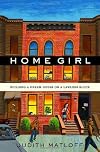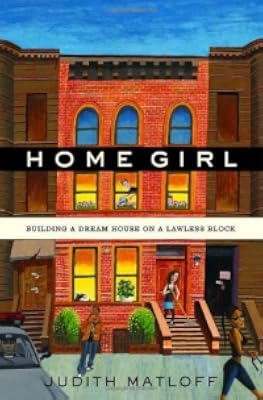
Home Girl: Building a Dream House on a Lawless Block
by Judith Matloff
On This Page
Description
After twenty years as a foreign correspondent in tumultuous locales including Rwanda, Chechnya, and Sudan, Judith Matloff is ready to put down roots and start a family. She leaves Moscow and returns to her native New York City to house-hunt for the perfect spot while her Dutch husband, John, stays behind in Russia with their dog to pack up their belongings. Intoxicated by West Harlem's cultural diversity and, more important, its affordability, Judith impulsively buys a stately fixer-upper show more brownstone in the neighborhood. Little does she know what's in store. Judith and John discover that their dream house was once a crack den and that "fixer upper" is an understatement. The building is a total wreck: The beams have been chewed to dust by termites, the staircase is separating from the wall, and the windows are smashed thanks to a recent break-in. Plus, the house-crowded with throngs of brazen drug dealers-forms the bustling epicenter of the cocaine trade in the Northeast, and heavily armed police regularly appear outside their door in pursuit of the thugs and crackheads who loiter there. Thus begins Judith and John's odyssey to win over the neighbors, including Salami, the menacing addict who threatens to take over their house; MacKenzie, the literary homeless man who quotes Latin over morning coffee; Mrs. LaDuke, the salty octogenarian and neighborhood watchdog; and Miguel, the smooth lieutenant of the local drug crew, with whom the couple must negotiate safe passage. It's a far cry from utopia, but it's a start, and they do all they can to carve out a comfortable life. And by the time they experience the birth of a son, Judith and John have even come to appreciate the neighborhood's rough charms. Blending her finely honed reporter's instincts with superb storytelling, Judith Matloff has crafted a wry, reflective, and hugely entertaining memoir about community, home, and real estate. Home Girl is for anyone who has ever longed to go home, however complicated the journey. Advance Praise for Home Girl "Although I always suspected that renovating a house in New York City would be a slightly more harrowing undertaking than dodging bullets as a foreign correspondent, it took this charming story to convince me it could also be more entertaining. Except for the plumbing. That's one adventure I couldn't survive." -Michelle Slatalla, author of The Town on Beaver Creek "After years of covering wars overseas, Judith Matloff takes her boundless courage and inimitable style to the front lines of America's biggest city. From her vantage point in a former crack house in West Harlem, she brings life to a proud community held hostage by drug dealers and forgotten by policy makers. Matloff's sense of humor, clear reportage, and zest for adventure never fail. Home Girl is part gritty confessional, part love story, and totally delightful." -Bob Drogin, author of Curveball "Here the American dream of home ownership takes on the epic dimensions of the modern pioneer in a drug-riddled land. Matloff's story, which had me crying and laughing, is a portrait of a household and a community, extending far beyond the specifics of West Harlem to the universal-as all well-told stories do." -Martha McPhee, author of L'America show lessTags
Recommendations


























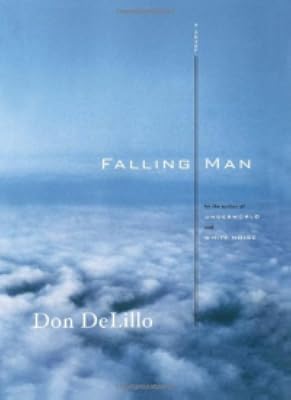

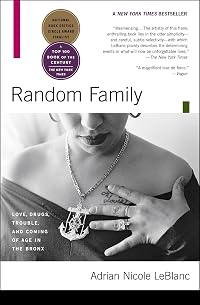
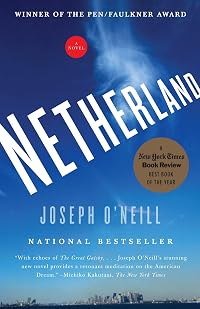
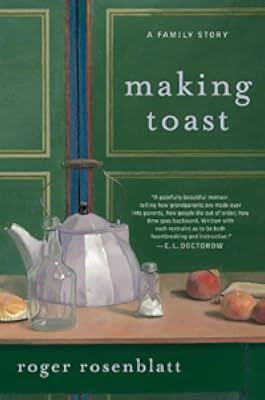
Member Recommendations
starfishian From a more fictional angle.

Member Reviews
I could not put this book down. From start to finish it had me looking to answer that What Happened Next? question.
Matloff trades in one adventurous life (as a foreign correspondent) for another (home owner and wife in New York City). The exchange seems benign until the reader (and Matloff herself) realizes the Victorian she is buying is decrepit; in need of repair in every possible way, the new neighborhood is a one of the biggest drug zones in the country, and on a daily basis she must protect her property from the addicts who have called it home. If that wasn't enough, Matloff must walk a fine line of graceful respect and distance with the dealers on the street while becoming a mother, a crime fighter and witness to the tragedies of show more September 11th. Throughout it all, Matloff remains humbled and humorous. show less
Matloff trades in one adventurous life (as a foreign correspondent) for another (home owner and wife in New York City). The exchange seems benign until the reader (and Matloff herself) realizes the Victorian she is buying is decrepit; in need of repair in every possible way, the new neighborhood is a one of the biggest drug zones in the country, and on a daily basis she must protect her property from the addicts who have called it home. If that wasn't enough, Matloff must walk a fine line of graceful respect and distance with the dealers on the street while becoming a mother, a crime fighter and witness to the tragedies of show more September 11th. Throughout it all, Matloff remains humbled and humorous. show less
 This review was written for LibraryThing Early Reviewers.
After years of cultivating a successful career as a foreign correspondent that had her traveling to all manner of dangerous locations, Judith Matloff stumbled into her mid-life crisis seeking all the things that she had neglected all her life: commitment, safety, and family. When she loses a baby in dangerous and painful fashion in Russia after chasing a story in Chechnya, she vows to change the way she lives and seek out a real home in New York City, her hometown. Having accumulated a fair amount of funds, she sets out to find the right neighborhood for herself, her husband John, and their well-traveled canine companion, Khaya. Her scouting leads her to West Harlem (before it was cool or even safe to live in West Harlem) a place she show more deems to be a thriving neighborhood with lots of Latin American flavor that reminds her of her past travels. When the opportunity comes to buy a run-down, fixer-upper of a house at a rock-bottom price, she pays cash on the spot without a second thought as to why the asking price is so low, hoping for the best from the house and from her new neighborhood.
What she gets is far from the best. Judith soon realizes that the reason the house was shown so early in the morning was that by noon the street becomes a hotbed of cocaine-dealing activity complete with hoards of Dominican men eager to be rich back in their own country effortlessly coordinating massive drug transactions providing drugs to much of the east coast. The dealers think nothing of leaving trash everywhere, urinating on her front steps, and leaning somewhat menacingly on her gate. As if this wasn't bad enough, there's Salami, the unhinged crack addict next door, and he's angry about being displaced from "his" house. While Judith assembles a motley crew of workmen to begin the long task of restoring the house, Salami spends all his spare time, of which he has a lot, skulking about and singing "I'll be watching you" in an effort to get Judith to abandon the house he still thinks of as his.
What's surprising about this book is not that Harlem was a hub of criminal activity nor that frightening and disruptive people seemed to be lurking at all hours in this dangerous neighborhood, but how Judith and John embrace their melting-pot neighborhood. Judith strikes up a surprisingly respectful and businesslike friendship with the director of the local drug crew, Miguel, at the same time as she is collecting another group of acquaintances at community meetings where, it is thought, her white face will encourage a stronger response from police to the neighborhood's many problems. Clarence the super from across the street doesn't have the most attractive personality, but he does have a natural cure for whatever might be ailing you while Mackenzie a well-educated recovering addict squatting in the basement of Clarence's building is a frequent borrower of books from Matloff's collection. Other interesting neighbors include a Julliard-trained organist who grows a garden of fake flowers and a feisty elderly black woman still going strong in her 80s who is renowned throughout the neighborhood.
Matloff's connections with the many unique characters that make up her neighborhood even as it begins to transform from underprivileged drug Wall Steet to the dwelling of yuppies are what makes this book shine. It's as charming as it is ironic to find one of the first white couples to venture into West Harlem embracing their community and its members embracing them. Sure, there are many bumps, and occasional bottomless craters, in the road which Matloff renders honestly, but by the time the house is restored and police have finally begun to crack down on the most egregious drug activity, it's clear that her house in Harlem proved to be a great growing experience for Judith and that the she did, at last, find just the sort of home she was longing for albeit in the most unlikely of places. show less
What she gets is far from the best. Judith soon realizes that the reason the house was shown so early in the morning was that by noon the street becomes a hotbed of cocaine-dealing activity complete with hoards of Dominican men eager to be rich back in their own country effortlessly coordinating massive drug transactions providing drugs to much of the east coast. The dealers think nothing of leaving trash everywhere, urinating on her front steps, and leaning somewhat menacingly on her gate. As if this wasn't bad enough, there's Salami, the unhinged crack addict next door, and he's angry about being displaced from "his" house. While Judith assembles a motley crew of workmen to begin the long task of restoring the house, Salami spends all his spare time, of which he has a lot, skulking about and singing "I'll be watching you" in an effort to get Judith to abandon the house he still thinks of as his.
What's surprising about this book is not that Harlem was a hub of criminal activity nor that frightening and disruptive people seemed to be lurking at all hours in this dangerous neighborhood, but how Judith and John embrace their melting-pot neighborhood. Judith strikes up a surprisingly respectful and businesslike friendship with the director of the local drug crew, Miguel, at the same time as she is collecting another group of acquaintances at community meetings where, it is thought, her white face will encourage a stronger response from police to the neighborhood's many problems. Clarence the super from across the street doesn't have the most attractive personality, but he does have a natural cure for whatever might be ailing you while Mackenzie a well-educated recovering addict squatting in the basement of Clarence's building is a frequent borrower of books from Matloff's collection. Other interesting neighbors include a Julliard-trained organist who grows a garden of fake flowers and a feisty elderly black woman still going strong in her 80s who is renowned throughout the neighborhood.
Matloff's connections with the many unique characters that make up her neighborhood even as it begins to transform from underprivileged drug Wall Steet to the dwelling of yuppies are what makes this book shine. It's as charming as it is ironic to find one of the first white couples to venture into West Harlem embracing their community and its members embracing them. Sure, there are many bumps, and occasional bottomless craters, in the road which Matloff renders honestly, but by the time the house is restored and police have finally begun to crack down on the most egregious drug activity, it's clear that her house in Harlem proved to be a great growing experience for Judith and that the she did, at last, find just the sort of home she was longing for albeit in the most unlikely of places. show less
This review was written for LibraryThing Early Reviewers.I requested this book to review because it seemed to fall into the category of homesteading/wilderness living, which is one of my favorite genres. The twist with this book is that the "wild West" was west Harlem, NYC. Since the author was ahead of the curve "gentrification-wise" living in west Harlem, then a center of the crack/cocaine trade, was every bit as dangerous as in the more traditional wilderness areas generally written about. The subtitle of the book is "building a dream house on a lawless block" but anyone looking for building or renovation ideas will be disappointed. There is very little discussion of paint vs. stain, or oil vs. latex etc., which is why I enjoyed the book so much. The focus is really on creating a home, show more with ties to the community and neighbors, rather than the actual physical renovation of the building.
I think her reporter background came thru in her balanced portrayal of the diverse members of the community – from the drug dealers to the cops to the elected officials and all the neighbors – old-timers and newcomers alike. The book is written with much humor, and is very entertaining, as well as being somewhat thought-provoking (in its discussion of the effects of gentrification) show less
I think her reporter background came thru in her balanced portrayal of the diverse members of the community – from the drug dealers to the cops to the elected officials and all the neighbors – old-timers and newcomers alike. The book is written with much humor, and is very entertaining, as well as being somewhat thought-provoking (in its discussion of the effects of gentrification) show less
This review was written for LibraryThing Early Reviewers.Loved this book. Finished it in two days and was sorry to see it end. The premise was interesting on its own but the real reason the book was so engaging was due to Judith Matloff's voice. Her writing style just pulls you in and make the story come alive. I truly felt as though I could see the street and the assortment of neighborhood characters. I look forward to reading more of Matloff's work in the future.
This review was written for LibraryThing Early Reviewers.I came to Home Girl: Building a Dream House on a Lawless Block with a specific perspective, having lived all my life in homes in various stages of restoration. When I was two years old, my parents bought a falling-down building that had once been a general store with family quarters above. To my mother’s despair, I was never interested in domestic chores like cooking and cleaning. Instead, I spent my childhood “helping” my father with everything from pouring concrete and roofing the house to wiring, plumbing, and hand-plastering the ceilings.
Upon finishing college, I worked for two years in New York. In addition to visiting the usual cultural landmarks, I explored the city to the limits of each subway line, investigating the show more neighborhoods at every stop along each line. Like the author, I was drawn to the faded glory of the Victorians in the war zone that was Harlem.
As an adult, I have bought and remodeled a series of homes that realtors charitably called “fixer uppers” or “handyman’s specials”, charming euphemisms for total dumps. I have never found a Victorian in a neighborhood quiet enough for my tastes, but I find myself wanting every run-down 19th century house I see. And one more thing – I have always been amused when Americans traveling abroad are charmed by gritty aspects of the local culture that they would flee if encountered at home in the US.
For all of the above reasons, I was thrilled to receive Home Girl from the LibraryThing Early Reviewers program. Judith Matloff is a talented writer, and the book is an easy read. Matloff begins by describing her 20 years as a foreign correspondent, working in some of the most dangerous and depressing areas on the planet. She met her husband John, also a foreign correspondent, while on assignment. Eventually, while living in Moscow, they decided to relocate to the US and start a family.
Matloff moved in with her mother and began the search for a house, while John remained in Moscow to complete an assignment and arrange for shipment of their belongings. Encouraged by her brother’s success story in the gentrifying Bedford-Stuyvesant neighborhood, Matloff was willing to consider any area of New York. She was charmed by the architecture and the street life in West Harlem, and her years in various danger zones conferred a sense of invincibility that led her to downplay the risks involved in an area then (2000) called “ground zero” for the Dominican drug trade.
I admired the author and her husband for their willingness to interact with everyone in the neighborhood, from long-time African American residents, to the recent Dominican immigrants. I think I would really enjoy meeting both of them and some of their international acquaintances. However, I was appalled by the story of the house.
As an experienced reporter, with family members and connections in New York, Matloff was astonishingly lax at doing her homework. She impulsively spent her life savings on a building with obvious structural problems. Optimism that one can rehab a former crack house, and that gentrification will eventually displace drug lords, is one thing. Failure to check out the structural problems, and the odors from a nearby sewage plant and industrial facilities (mentioned late in the book) seems nothing short of insane.
Waiting for her husband (who claimed some handyman skills) to arrive from Moscow, Matloff, who admittedly had zero experience in renovation or even basic repairs, plunged into the remodeling process, using "contractors" recommended by the local denizens. As a result, she had incompetent plasterers and painters completing their work, only to have the newly finished walls ripped out by equally incompetent electricians and plumbers. Meanwhile, no one seemed able to board up the broken skylight and windows, to prevent additional water damage and to keep out the local crack addict who had previously camped in the house. And no one bothered to check for dry rot or carpenter ants.
Eventually John arrived from Moscow and exerted some control over the international team of contractors. His handyman credentials are called into question when he tears out part of a load-bearing masonry wall in order to enlarge the kitchen window.
Matloff glosses over the travails of the remodeling process. I would have liked more details about the building and the choices they made. (For example, they sought out 1940s vintage tile to replace a collapsed bathroom wall, but they replaced original wood frame windows with vinyl clad units instead of restoring the windows and installing storm windows). Most of the narrative is spent on their developing relationships with the local residents, with the muchachos who carry on the drug trade, with a series of eccentric tenants, and with the beleaguered police who seem more interested in the neighborhood once they have a white family living there. Matloff also describes their experiences on 9/11 and during the major power outage of 2003.
I gave this book 4 stars for readability; but I would have to give the author 1.5 stars for common sense.
----------------------------------------------------------------------------------------------------------------------
I obtained this book through the LibraryThing Early Reviewers program. show less
Upon finishing college, I worked for two years in New York. In addition to visiting the usual cultural landmarks, I explored the city to the limits of each subway line, investigating the show more neighborhoods at every stop along each line. Like the author, I was drawn to the faded glory of the Victorians in the war zone that was Harlem.
As an adult, I have bought and remodeled a series of homes that realtors charitably called “fixer uppers” or “handyman’s specials”, charming euphemisms for total dumps. I have never found a Victorian in a neighborhood quiet enough for my tastes, but I find myself wanting every run-down 19th century house I see. And one more thing – I have always been amused when Americans traveling abroad are charmed by gritty aspects of the local culture that they would flee if encountered at home in the US.
For all of the above reasons, I was thrilled to receive Home Girl from the LibraryThing Early Reviewers program. Judith Matloff is a talented writer, and the book is an easy read. Matloff begins by describing her 20 years as a foreign correspondent, working in some of the most dangerous and depressing areas on the planet. She met her husband John, also a foreign correspondent, while on assignment. Eventually, while living in Moscow, they decided to relocate to the US and start a family.
Matloff moved in with her mother and began the search for a house, while John remained in Moscow to complete an assignment and arrange for shipment of their belongings. Encouraged by her brother’s success story in the gentrifying Bedford-Stuyvesant neighborhood, Matloff was willing to consider any area of New York. She was charmed by the architecture and the street life in West Harlem, and her years in various danger zones conferred a sense of invincibility that led her to downplay the risks involved in an area then (2000) called “ground zero” for the Dominican drug trade.
I admired the author and her husband for their willingness to interact with everyone in the neighborhood, from long-time African American residents, to the recent Dominican immigrants. I think I would really enjoy meeting both of them and some of their international acquaintances. However, I was appalled by the story of the house.
As an experienced reporter, with family members and connections in New York, Matloff was astonishingly lax at doing her homework. She impulsively spent her life savings on a building with obvious structural problems. Optimism that one can rehab a former crack house, and that gentrification will eventually displace drug lords, is one thing. Failure to check out the structural problems, and the odors from a nearby sewage plant and industrial facilities (mentioned late in the book) seems nothing short of insane.
Waiting for her husband (who claimed some handyman skills) to arrive from Moscow, Matloff, who admittedly had zero experience in renovation or even basic repairs, plunged into the remodeling process, using "contractors" recommended by the local denizens. As a result, she had incompetent plasterers and painters completing their work, only to have the newly finished walls ripped out by equally incompetent electricians and plumbers. Meanwhile, no one seemed able to board up the broken skylight and windows, to prevent additional water damage and to keep out the local crack addict who had previously camped in the house. And no one bothered to check for dry rot or carpenter ants.
Eventually John arrived from Moscow and exerted some control over the international team of contractors. His handyman credentials are called into question when he tears out part of a load-bearing masonry wall in order to enlarge the kitchen window.
Matloff glosses over the travails of the remodeling process. I would have liked more details about the building and the choices they made. (For example, they sought out 1940s vintage tile to replace a collapsed bathroom wall, but they replaced original wood frame windows with vinyl clad units instead of restoring the windows and installing storm windows). Most of the narrative is spent on their developing relationships with the local residents, with the muchachos who carry on the drug trade, with a series of eccentric tenants, and with the beleaguered police who seem more interested in the neighborhood once they have a white family living there. Matloff also describes their experiences on 9/11 and during the major power outage of 2003.
I gave this book 4 stars for readability; but I would have to give the author 1.5 stars for common sense.
----------------------------------------------------------------------------------------------------------------------
I obtained this book through the LibraryThing Early Reviewers program. show less
This review was written for LibraryThing Early Reviewers.Judith Matloff's _Home Girl_ is the absorbing tale of how Matloff returned from a whirlwind international journalism career to make her home, with her husband, in Harlem. Unbeknownst to her, the street on which she buys a home is a central location of the local drug trade, known to law enforcement (in pre-9/11 days, as this story begins in 2000), as Ground Zero. Matloff's descriptions of the characters of the neighborhood are riveting, and the reader watches with frustration that slowly turns to satisfaction as she proceeds---initially, it seems, against daunting odds---to make her new house a home. One only wishes that ALL the denizens of the neighborhood were able to find as much comfort and satisfaction as Matloff and her family show more eventually do---this book shows that race relations and class divisions in American society still have a long way to go before coming to a point of healing. show less
This review was written for LibraryThing Early Reviewers.I'm not a reader who regularly chooses memoirs, but by page 17 of Home Girl, I was hooked.
Matloff's writing is a pleasure to read. It flows in the concise manner I associate with a good journalist, while still capturing her fondness for her first home. She strikes a respectable balance between her themes -- family, community, politics, parenthood and renovations, to name a few. She maintains her plot-line, and her subjects are well-researched when they fall outside her previous familiarity.
Matloff's drug dealing/using neighbours are viewed initially through a first-time home buyer's rose-coloured glasses, then with queasy buyer's remorse, and finally, with the familiarity of someone who has become part of the community. I'm sure she show more spent a lot more time resenting the drug trafficking around her house than she lets on, but in the interests of a good read, Matloff has judiciously balanced the downside of crack-dealers with an interesting look into the political system that produces them.
Oh - and did I forget to mention? She renovates house too!
Matloff kept me engaged right to the end. I liked Home Girl very much, and happily recommend it. show less
Matloff's writing is a pleasure to read. It flows in the concise manner I associate with a good journalist, while still capturing her fondness for her first home. She strikes a respectable balance between her themes -- family, community, politics, parenthood and renovations, to name a few. She maintains her plot-line, and her subjects are well-researched when they fall outside her previous familiarity.
Matloff's drug dealing/using neighbours are viewed initially through a first-time home buyer's rose-coloured glasses, then with queasy buyer's remorse, and finally, with the familiarity of someone who has become part of the community. I'm sure she show more spent a lot more time resenting the drug trafficking around her house than she lets on, but in the interests of a good read, Matloff has judiciously balanced the downside of crack-dealers with an interesting look into the political system that produces them.
Oh - and did I forget to mention? She renovates house too!
Matloff kept me engaged right to the end. I liked Home Girl very much, and happily recommend it. show less
This review was written for LibraryThing Early Reviewers.Members
- Recently Added By
Author Information
6 Works 256 Members
Judith Matloff teaches conflict reporting at Columbia's Graduate School of Journalism. She has pioneered safety training seminars for journalists, specifically women, helping hundreds of people feel confident to face an increasingly dangerous world. Her stories about war and violence have appeared in numerous publications, including the New York show more Times Magazine, the Economist, the Los Angeles Times, and the Wall Street Journal. Matloff's work has been supported by the MacArthur Foundation, the Fulbright Scholar Program, the Logan Non-fiction Fellowship, and the Hoover Institution. She lives in New York City with her family. show less
Common Knowledge
- Original publication date
- 2008-06-24
- Important places
- West Harlem, New York, New York, USA; Harlem, New York, New York, USA
- Blurbers
- Slatalla, Michelle; Drogin, Bob; McPhee, Martha
Classifications
Statistics
- Members
- 139
- Popularity
- 235,519
- Reviews
- 64
- Rating
- (3.68)
- Languages
- English
- Media
- Paper, Ebook
- ISBNs
- 3
- ASINs
- 1