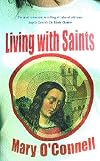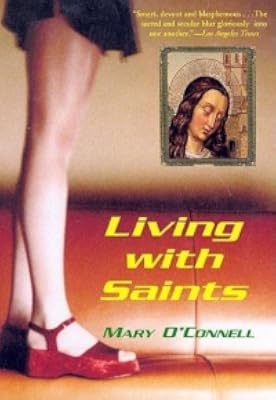
Living with Saints
by Mary O'Connell
On This Page
Description
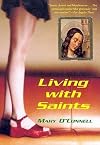
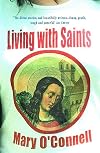
In a book that owes as much to Madonna the pop star as the Virgin Mary, Mary O'Connell presents a collection of stories in which the spirit of a female saint infuses and informs the experiences of contemporary women in difficult predicaments. St Agnes the Patron Saint of Girls delivers a hilarious running commentary to a high-school class being subjected to a hopelessly out-of-date sex-education video. St Anne, Patron Saint of Mothers, offers words of advice to a mother who sleeps with her show more boss in exchange for time off with her infant daughter.Though her heroines may hover on the brink of despair, Mary O'Connell retains a buoyant freshness throughout this collection, which takes the dusty icons down from their shelves, and sets their spirits lose in the modern world. show lessTags
Recommendations



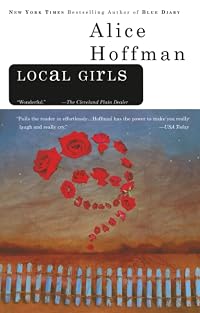
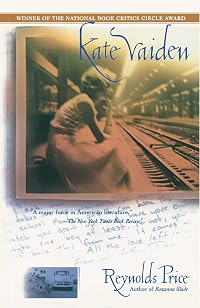

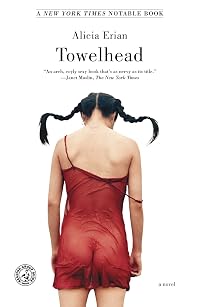
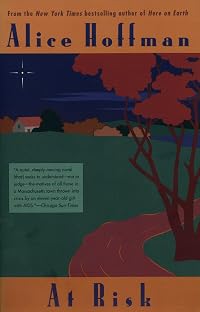


Member Recommendations
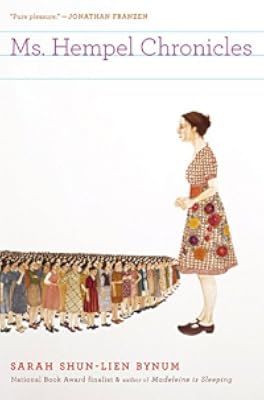
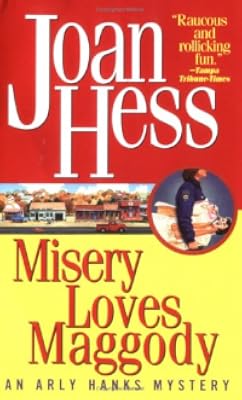
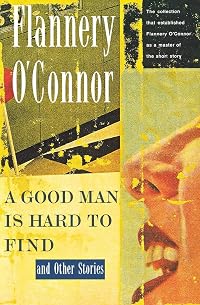
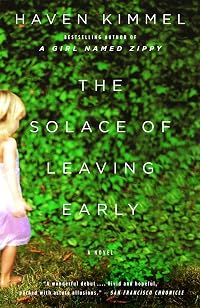
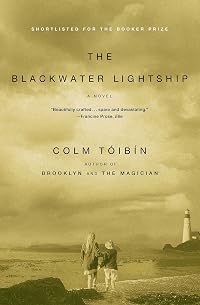
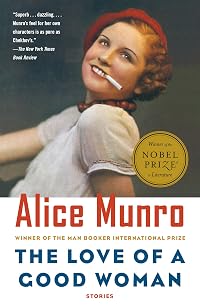
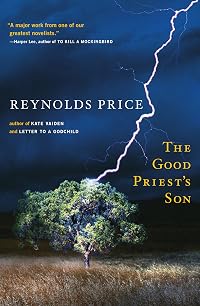
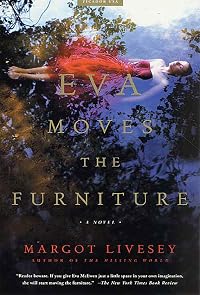
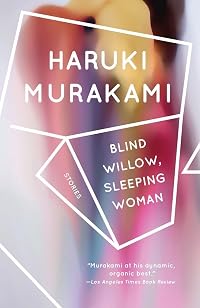
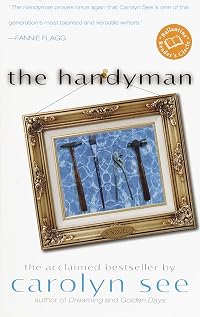
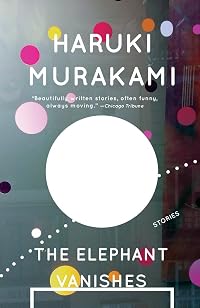
betsytacy Both books have a quirky yet still reverent take on religious subjects such as saints and stigmata.
Member Reviews
Some stories send you to another place, paint a world of mystery and magic, create a world so euphoric you never want to leave. Not this book. The stories Mary O’Connell writes begin as dirty secrets, rumors, and evolve into something so evocative you can almost feel the triangular ruler hitting cracking your knuckles as a nun looks down on you in disappointment. Sorry yes, I went to Catholic school.
Mary O’Connell possesses an uncanny ability to balance a series of heartbreaking anecdotes with just the right amount of sardonic humor to keep you enthralled till the end, forsaking both jobs and social lives. The book is a short story collection, each chapter named after a different saint. The reader then finds out through their first show more person perspective, these are not saints, they are normal people who are suffering and stumbling their way through dysfunctional circumstances and hardships. Like
O’Connell presents her characters and arcs much in the way of a Louise Erdrich, bit by bit, so that the reader needs to take a moment to mentally add the block they’ve just acquired to the whole landscape of her world. Graphic instances of rape and incest are poetically woven in a Dorothy Allison way, so that afterwards you’re shaking your head at the ease in which you’ve just experienced what could be termed a horrific moment. Intermingled with the tragic are awkward moments such as first sexual encounters and unwanted pregnancies, subjects especially difficult for characters in such an unforgiving religious setting.
O’Connell reveals a great many Catholic secrets and sheds light on some lesser known details of Catholic light, all with a cynical humor that would keep even a non-Catholic interested. More importantly, the author refrains from Catholic bashing that so many authors have taken to indulging in recently. The setting of the story is the Catholic ethos, but is not the driving force behind the arc - it is simply a piece of the puzzle. All of these themes are presented with a beautiful sardonic wit that keeps the story from becoming overly harsh or worse yet, a “poor me” story.
I would have liked to see more of this world, or learn the outcomes of more of its characters. The arc could have worked as one continuous novel instead of pieces, but maybe I feel that way because O’Connell generated such a curiosity about their well being, while in actuality their stories cannot be tied up neatly in a precious little bow. show less
Mary O’Connell possesses an uncanny ability to balance a series of heartbreaking anecdotes with just the right amount of sardonic humor to keep you enthralled till the end, forsaking both jobs and social lives. The book is a short story collection, each chapter named after a different saint. The reader then finds out through their first show more person perspective, these are not saints, they are normal people who are suffering and stumbling their way through dysfunctional circumstances and hardships. Like
O’Connell presents her characters and arcs much in the way of a Louise Erdrich, bit by bit, so that the reader needs to take a moment to mentally add the block they’ve just acquired to the whole landscape of her world. Graphic instances of rape and incest are poetically woven in a Dorothy Allison way, so that afterwards you’re shaking your head at the ease in which you’ve just experienced what could be termed a horrific moment. Intermingled with the tragic are awkward moments such as first sexual encounters and unwanted pregnancies, subjects especially difficult for characters in such an unforgiving religious setting.
O’Connell reveals a great many Catholic secrets and sheds light on some lesser known details of Catholic light, all with a cynical humor that would keep even a non-Catholic interested. More importantly, the author refrains from Catholic bashing that so many authors have taken to indulging in recently. The setting of the story is the Catholic ethos, but is not the driving force behind the arc - it is simply a piece of the puzzle. All of these themes are presented with a beautiful sardonic wit that keeps the story from becoming overly harsh or worse yet, a “poor me” story.
I would have liked to see more of this world, or learn the outcomes of more of its characters. The arc could have worked as one continuous novel instead of pieces, but maybe I feel that way because O’Connell generated such a curiosity about their well being, while in actuality their stories cannot be tied up neatly in a precious little bow. show less
I am an atheist and still immensely enjoyed this heartful, sensitive series of short stories. I would recommend it without reservation to Catholics and non-Catholics alike. O'Connell reviews some of Catholicism's early saints and martyrs and respins their tales in a modern context. The stories deal with women's issues from breast cancer to teenage pregnancy, and I found myself sending copies to many of my girlfriends after reading it.
Toujours le problème des recueils de nouvelles: elles sont inégales! J'ai beaucoup aimé "Sainte Marthe", très originale, mais d'autres sont plutôt dérangeantes, et manquent de coeur (par exemple "Sainte Thérèse de Lisieux"). Dommage!
Der Titel dieses Buches ist nicht im übertragenen Sinne zu verstehen - es geht hier in irgendeiner Form tatsächlich um wahre heilige Mädchen. Doch ganz anders, als man sich Heilige so vorstellen mag. Zehn Geschichten sind es, die von der jeweils heiligen Dymphna, Ursula, Thérèse, Veronika, Martha undundund handeln. Teilweise erzählen sie selbst ihre Geschichten, teilweise sind es Mädchen und/oder junge Frauen, die aufgrund ihrer Lebensgeschichten eng mit den jeweiligen Heiligen verbunden sind.
Die Sprache ist alles andere als fromm ;-) - Agnes, Schutzheilige junger Mädchen und Frauen, nimmt beispielsweise kein Blatt vor den Mund, als sie ihren Schutzbefohlenen Ratschläge für's Leben erteilt ebenso wie die heilige Anna und all show more die anderen. So wirken diese historischen Figuren überaus real und mir wurde klar, wie ähnlich sich die jungen Frauen und die Heiligen doch sind. Beide befinden sich meist in schwierigen Situationen (die sich trotz des Zeitabstandes nicht einmal so sehr unterscheiden), und es gelingt ihnen mit neuem Mut, weiter voran zu gehen.
Ein bisschen ein Mutmachbuch mit ungewöhnlichen Geschichten und aussergewöhnlichen Heldinnen. show less
Die Sprache ist alles andere als fromm ;-) - Agnes, Schutzheilige junger Mädchen und Frauen, nimmt beispielsweise kein Blatt vor den Mund, als sie ihren Schutzbefohlenen Ratschläge für's Leben erteilt ebenso wie die heilige Anna und all show more die anderen. So wirken diese historischen Figuren überaus real und mir wurde klar, wie ähnlich sich die jungen Frauen und die Heiligen doch sind. Beide befinden sich meist in schwierigen Situationen (die sich trotz des Zeitabstandes nicht einmal so sehr unterscheiden), und es gelingt ihnen mit neuem Mut, weiter voran zu gehen.
Ein bisschen ein Mutmachbuch mit ungewöhnlichen Geschichten und aussergewöhnlichen Heldinnen. show less
Mar 18, 2025 (Edited)German
Dymphna is op jonge leeftijd zwanger geworden en wordt geconfronteerd met de gevolgen.
Veronica is verlaten door haar geliefde en voelt zich eenzamer dan ooit.
Abby verwacht een kind maar is overtuigd van een onbevlekte ontvangenis.
De kersverse moeder van baby Isabella wordt heen en weer geslingerd tussen de plicht van haar werk en haar verlangen naar Isabella.
Alle vrouwen in dit boek kampen met eigentijdse problemen, hebben herkenbare angsten en verlangens en worstelen allemaal met een belangrijke levenskwestie. Kwesties die ook een belangrijke rol speelden in de levens van hun naamgenoten. De heiligenlevens van de onschuldige, vrome Dymphna die vermoord werd door haar eigen vader, de heilige Veronica die Jezus bijstond bij zijn show more kruistocht, de Maagd Maria en de heilige Anne, de beschermheilige van alle moeders. Deze vrouwen inspireren mensen al eeuwen lang om over hun eigen zorgen en problemen na te denken. show less
Veronica is verlaten door haar geliefde en voelt zich eenzamer dan ooit.
Abby verwacht een kind maar is overtuigd van een onbevlekte ontvangenis.
De kersverse moeder van baby Isabella wordt heen en weer geslingerd tussen de plicht van haar werk en haar verlangen naar Isabella.
Alle vrouwen in dit boek kampen met eigentijdse problemen, hebben herkenbare angsten en verlangens en worstelen allemaal met een belangrijke levenskwestie. Kwesties die ook een belangrijke rol speelden in de levens van hun naamgenoten. De heiligenlevens van de onschuldige, vrome Dymphna die vermoord werd door haar eigen vader, de heilige Veronica die Jezus bijstond bij zijn show more kruistocht, de Maagd Maria en de heilige Anne, de beschermheilige van alle moeders. Deze vrouwen inspireren mensen al eeuwen lang om over hun eigen zorgen en problemen na te denken. show less
Nov 20, 2008Dutch
Ratings
Members
- Recently Added By
Author Information
3 Works 235 Members
Mary O'Connell is a graduate of the University of Kansas and the lowa Writer's Workshop. Her stories have been published in literary magazines, including The Sun and Mid-American Review.
Common Knowledge
- Dedication*
- Für meine Eltern, Michael und Patricia O'Connell, die Schutzheiligen der Güte, der Intelligenz und des Humors.
- First words*
- Ach du liebe Scheiße, dachte Dymphna - die Frauenstation ist von der Mun-Sekte infiltriert worden.
- Last words*
- (Click to show. Warning: May contain spoilers.)Isabella, Isabella, Isabella, Isabella...
*Some information comes from Common Knowledge in other languages. Click "Edit" for more information.
Classifications
Statistics
- Members
- 50
- Popularity
- 604,135
- Reviews
- 5
- Rating
- (3.66)
- Languages
- Dutch, English, French, German
- Media
- Paper
- ISBNs
- 7