32 Members (4.00)
On This Page
Description
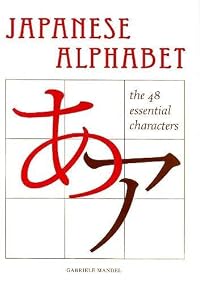
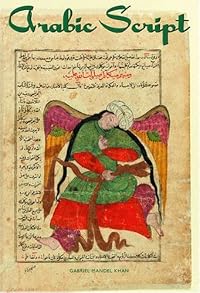
In the fourth century A.D., through contact with Korea, Japan adopted the Chinese writing system which had been sweeping through Asia along with the newBuddhist religion. Modern Japanese writing uses three main scripts: kanji (Chineseideograms), which are used for proper names, for nouns, and for verb roots; hiragana(deriving from the terms hira, common, and kana borrowed character), used for adding to and distinguishing from sequences of Japanese grammar; and katakana (from kata, part, and show more kana, borrowed character or rather, partially borrowed character), which is used to denote foreign pronunciations or to write terms borrowed from foreign languages. With large depictions and clear step-by-step instructions, Mandel illustrates all 48 sounds in Japanese, presented in the traditional iroha order, in hiragana, katakana, and kanji forms, and each entry is accompanied with its roma-ji, orRoman phonetic spelling. The author clearly indicates the correct sequence for writing the individual strokes, and provides each kana, or character, with theChinese kanji from which it was derived. He relates a concise history of Japanese writing, and provides the reader with charts of the Japanese and Chinese numbers,the hiragana and katakana contractions, and the keys or radicals that make up the Japanese kanji. A comprehensive guide to all of the characters of the Japanese alphabet, this is an ideal primer for the beginner, as well as a convenient reference for a more advanced student. Joining Abbeville's Chinese Calligraphy, Maya Script,and Arabic Script, Japanese Alphabet is an exhaustive compendium of the Japanese writing system and indispensable addition to any Japanese linguist's library. show lessTags
Recommendations












Member Reviews
Members
- Recently Added By
Author Information

66 Works 661 Members
Gabriel Mandel Khan is an official of the Jerrahi-Halveti Sufi Brotherhood in Italy and is a founding member and director of the Averroes International Islamic University in Cordoba, Spain
Series

Classifications
- Genres
- Nonfiction, Art & Design
- DDC/MDS
- 495.6 — Language Other languages Languages of east and southeast Asia Japanese
- LCC
- PL528 .M34 — Language and Literature Languages and literatures of Eastern Asia, Africa, Oceania Languages of Eastern Asia, Africa, Oceania Japanese language and literature Japanese language
- BISAC
Statistics
- Members
- 32
- Popularity
- 875,375
- Rating
- (4.00)
- Languages
- English, German, Italian, Portuguese
- Media
- Paper
- ISBNs
- 4