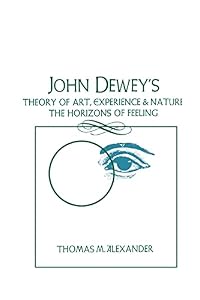
John Dewey's Theory of Art, Experience and Nature: The Horizons of Feeling
by Thomas M. Alexander
SUNY Series in Philosophy
On This Page
Description
Thomas Alexander shows that the primary, guiding concern of Dewey's philosophy is his theory of aesthetic experience. He directly challenges those critics, most notably Stephen Pepper and Benedetto Croce, who argued that this area is the least consistent part of Dewey's thought. The author demonstrates that the fundamental concept in Dewey's system is that of "experience" and that paradigmatic treatment of experience is to be found in Dewey's analysis of aesthetics and art. The confusions show more resulting from the neglect of this orientation have led to prolonged misunderstandings, eventual neglect, and unwarranted popularity for ideas at odds with the genuine thrust of Dewey's philosophical concerns. By exposing the underlying aesthetic foundations of Dewey's philosophy, Alexander aims to rectify many of these errors, generating a fruitful new interest in Dewey. show lessTags
Members
- Recently Added By
Author Information
4 Works 159 Members
Thomas M. Alexander is Professor of Philosophy at Southern Illinois University at Carbondale; the author of John Dewey's Theory of Art, Experience, and Nature: The Horizons of Feeling; and the co-editor, with Larry Hickman, of The Essential Dewey.
Series

Common Knowledge
- Canonical title
- John Dewey's Theory of Art, Experience and Nature: The Horizons of Feeling
Classifications
Statistics
- Members
- 16
- Popularity
- 1,511,788
- Languages
- English
- Media
- Paper
- ISBNs
- 2