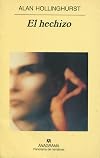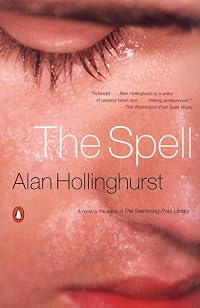
The Spell
by Alan Hollinghurst
On This Page
Description
Alan Hollinghurst's new novel is a comedy of sexual manners that follows the interlocking affairs of four men: Robin Woodfield, an architect in his late forties, who is trying to build an idyllic life in Dorset with his younger lover, Justin, a would-be actor increasingly disenchanted with the countryside; Robin's 22 year old son Danny, a volatile beauty who lives for clubbing and casual sex; and the shy Alex, whose life is transformed by house music and a tab of ecstasy. As each in turn show more falls under the spell of romance or drugs,country living or rough trade, a richly ironic picture emerges of the clashing imperatives of modern gay life, the hunger for contact and the fear of commitment, the need for permanence and the continual disruptions of sex. At once lyrical and farcical, sceptical and romantic,The Spellconfirms Alan Hollinghurst as one of Britain's most important novelists. show lessTags
Recommendations















Member Reviews
As is typical to Hollinghurst novels, there was no surprise that the characters in The Spell were all posh, eternally horny, gay English men. Whilst this definitely runs as a strong thread in the weave of his other novels, mostly they still have an alternate plot line of sorts that carries the story.
In The Spell the gay scene itself was the plot line, or at least that part of the scene that involves an older man / younger man dynamic. Hollinghurst writes with introspection around the draw of the fun, hedonistic younger guys to the older men who think they've found nirvana only to break their hearts over the inevitable transience of the relationships. In many ways I suppose it's not dissimilar to the classic heterosexual relationship show more disaster of women who go for the 'bad boys' and then sob with incredulity when they turn out not to be husband material. Both moths to a flame. Possibly more sex involved in the former.
There was a lot more shagging in this novel than in some of his other titles. And I mean a lot of shagging. If someone wasn't at it every few pages they were primed and ready to be at it. Hollinghurst evidently wanted to write a novel that was squarely about the 1990s London gay scene of clubbing, drugs and promiscuous sex with strangers in toilet cubicles / park bushes, etc., and the trickiness of trying to keep monogamous relationships going when there were so many strangers in toilet cubicles / park bushes, etc. to be having sex with.
Having a very good friend of old who was having a gay old time (pardon the pun) doing exactly that in 1990s London (the promiscuous bit - not so hot on the relationship side), I get that Hollinghurst depicts the London gay scene very well in this novel. However, for me it wasn't enough of a plot line to carry the rest of the novel. The younger characters were intolerably selfish and self-absorbed (so far, so accurate when I think back to my friend during that period), and the older characters were desperately annoying doorsteps. Their relationships therefore left me a bit cold, and perhaps I was too heterosexual for all the shagging but after a while I just wished they'd give it a rest for 5 minutes and watch a bit of tele and drink some cocoa.
However, having said all that, although Hollinghurst's novels can often be imperfect (sometimes I find I lose interest a bit when his plots meander), he's a very, very fine writer at a prose level, and I find myself drawn back to his novels time and time again like... well, a moth to a flame.
3.5 stars - with more plot beyond the shagging this could have been a very fine novel, but sadly this novel was as superficial as the relationships it described. An extra half star for the consistently fine writing, though. show less
In The Spell the gay scene itself was the plot line, or at least that part of the scene that involves an older man / younger man dynamic. Hollinghurst writes with introspection around the draw of the fun, hedonistic younger guys to the older men who think they've found nirvana only to break their hearts over the inevitable transience of the relationships. In many ways I suppose it's not dissimilar to the classic heterosexual relationship show more disaster of women who go for the 'bad boys' and then sob with incredulity when they turn out not to be husband material. Both moths to a flame. Possibly more sex involved in the former.
There was a lot more shagging in this novel than in some of his other titles. And I mean a lot of shagging. If someone wasn't at it every few pages they were primed and ready to be at it. Hollinghurst evidently wanted to write a novel that was squarely about the 1990s London gay scene of clubbing, drugs and promiscuous sex with strangers in toilet cubicles / park bushes, etc., and the trickiness of trying to keep monogamous relationships going when there were so many strangers in toilet cubicles / park bushes, etc. to be having sex with.
Having a very good friend of old who was having a gay old time (pardon the pun) doing exactly that in 1990s London (the promiscuous bit - not so hot on the relationship side), I get that Hollinghurst depicts the London gay scene very well in this novel. However, for me it wasn't enough of a plot line to carry the rest of the novel. The younger characters were intolerably selfish and self-absorbed (so far, so accurate when I think back to my friend during that period), and the older characters were desperately annoying doorsteps. Their relationships therefore left me a bit cold, and perhaps I was too heterosexual for all the shagging but after a while I just wished they'd give it a rest for 5 minutes and watch a bit of tele and drink some cocoa.
However, having said all that, although Hollinghurst's novels can often be imperfect (sometimes I find I lose interest a bit when his plots meander), he's a very, very fine writer at a prose level, and I find myself drawn back to his novels time and time again like... well, a moth to a flame.
3.5 stars - with more plot beyond the shagging this could have been a very fine novel, but sadly this novel was as superficial as the relationships it described. An extra half star for the consistently fine writing, though. show less
As beautifully phrased and thought provoking as all of Hollinghurst's work, but with a lighter, comic touch. His dissection of the realtionships and affairs of four gay men (an introverted romantic, a narcissistic slut, a smug alpha male and a promiscious twink) is almost painfully acute; his evocation of late nineties London is rich and vivid.
Unlike The Line of Beauty, Hollinghurst's most recent release, which affords the usual elegant prose of the story of a young man under the roof of a Parliament member during Margaret Thatcher's England, The Spell is almost completely rid of political overtone. Tinged with pique and cross-purpose jokes, page by page the novel weaves a tapestry of love, lust, and loss among a group of middle-class gay Englishmen who are friends, ex-lovers, father and son. In exploring each of these relations and the uneasy conflicts, Hollinghurst's elegant, crisp prose fosters a sharp observation and psychological insight that accentuate these men's vulnerability.
Close reading of The Spell reveals a very fine-tuned delineation of each of the four men, show more whose personalities and struggles incontrovertibly pervade in many of us. The story kicks off when the 36-years-old Alex accepts invitation from his ex-boyfriend Justin to spend a weekend in the country home with his new lover Robin, a forty-something gay dad. The prose lends its abrupt nature to the suspicion that Justin must out of his guilty respect for Alex's feelings to extend the solicitous invitation. But Alex is mellow and meek - he can never blame Justin for capriciously leaving him. He still misses Justin despite of the devastating evidence that what his friends hostilely say about him is vindicated. From the weekend gathering Hollinghurst probes the topography of the hearts of these men.
That Hollinghurst is able to capture the terrain of his characters' emotional and mental struggle through the intimacy of their thoughts touches me. The novel is an immediate warm attachment to my heart. Even though Alex is constantly in people's company, the companionship and the bar scenes compound his loneliness and amplify his depression. Alex's absence of any allusion to his ex-lover's new love is clear sign of how upset he might be. No sooner has he arrived than he regrets of taking up the invitation because he has to hide how wounded he is by Justin, and thrives to sustain the right pitch of pretended toward Robin. What ultimately dooms him is the cruel reality of his failure in relationship, that no other man will want him and to fall in love with him. This is not easy for someone like Alex who is serious, cultured, someone who wears his sleeve out in a relationship, and that one relationship into which he imbues all his hope breaks his heart. That commitment and innocence shall meet a reckless betrayal in the end must arouse sympathy.
Hollinghurst's novel is never deprived of drug escapade. At the crossroad of relationship, Alex insouciantly drops a tab of ecstasy, provided by Robin's gay son, and plunges into the rave, high-energy, substance-fuelled London club scenes. Alex embraces nightlife as if it might promise a love life that is not as checkered. Under the power of the E pill, Alex has no regret of his late-booming hedonism in which he gropes in an unbridled way different kinds of happiness. As he dawns on his self-discovery through the liberation, the shock of seeing Alex again brings about Justin a quiet bout of vexation, undulation, whoofs of lust, and puzzled fondness. Reunion with Alex and his fight with Robin seizes Justin with the grip of scruple over his momentary caprice that sometimes can cause a horrid nuisance in someone else's life.
The Spell with the outward blowsy parties and carefree affairs is endowed with an undertow of finding true love. It embraces the longing for a soul mate despite a humanistic thirst for carnal deviance. It maps out different paths in life taken by various men. The path could be one that has been gripped and shaped by sexual lore, or one that witnesses the constant indispensable presence of lovers, or one that relishes the deceits and the success of which delivers a sense of competence.
http://mattviews.blogspot.com/2006/03/29-spell-alan-hollinghurst.html#links show less
Close reading of The Spell reveals a very fine-tuned delineation of each of the four men, show more whose personalities and struggles incontrovertibly pervade in many of us. The story kicks off when the 36-years-old Alex accepts invitation from his ex-boyfriend Justin to spend a weekend in the country home with his new lover Robin, a forty-something gay dad. The prose lends its abrupt nature to the suspicion that Justin must out of his guilty respect for Alex's feelings to extend the solicitous invitation. But Alex is mellow and meek - he can never blame Justin for capriciously leaving him. He still misses Justin despite of the devastating evidence that what his friends hostilely say about him is vindicated. From the weekend gathering Hollinghurst probes the topography of the hearts of these men.
That Hollinghurst is able to capture the terrain of his characters' emotional and mental struggle through the intimacy of their thoughts touches me. The novel is an immediate warm attachment to my heart. Even though Alex is constantly in people's company, the companionship and the bar scenes compound his loneliness and amplify his depression. Alex's absence of any allusion to his ex-lover's new love is clear sign of how upset he might be. No sooner has he arrived than he regrets of taking up the invitation because he has to hide how wounded he is by Justin, and thrives to sustain the right pitch of pretended toward Robin. What ultimately dooms him is the cruel reality of his failure in relationship, that no other man will want him and to fall in love with him. This is not easy for someone like Alex who is serious, cultured, someone who wears his sleeve out in a relationship, and that one relationship into which he imbues all his hope breaks his heart. That commitment and innocence shall meet a reckless betrayal in the end must arouse sympathy.
Hollinghurst's novel is never deprived of drug escapade. At the crossroad of relationship, Alex insouciantly drops a tab of ecstasy, provided by Robin's gay son, and plunges into the rave, high-energy, substance-fuelled London club scenes. Alex embraces nightlife as if it might promise a love life that is not as checkered. Under the power of the E pill, Alex has no regret of his late-booming hedonism in which he gropes in an unbridled way different kinds of happiness. As he dawns on his self-discovery through the liberation, the shock of seeing Alex again brings about Justin a quiet bout of vexation, undulation, whoofs of lust, and puzzled fondness. Reunion with Alex and his fight with Robin seizes Justin with the grip of scruple over his momentary caprice that sometimes can cause a horrid nuisance in someone else's life.
The Spell with the outward blowsy parties and carefree affairs is endowed with an undertow of finding true love. It embraces the longing for a soul mate despite a humanistic thirst for carnal deviance. It maps out different paths in life taken by various men. The path could be one that has been gripped and shaped by sexual lore, or one that witnesses the constant indispensable presence of lovers, or one that relishes the deceits and the success of which delivers a sense of competence.
http://mattviews.blogspot.com/2006/03/29-spell-alan-hollinghurst.html#links show less
It felt unfinished, as though Hollinghurst got bored with it and decided just to wrap it up and send it off to publisher. Point of view is third person limited, but it shifts among too many characters, with sufficient attention given to none, with the effect that all the characters end up seeming superficial: we're shown just enough of their motivations to make them realistic, but not enough to make them complex. The characters all seemed like gay male stereotypes. Possibly would have been a better novel if Hollinghurst had focused on just one of the four main characters.
When this book came out, it must have benefited from a substantial gay sympathy bonus. I can't otherwise explain the positive reviews. If this had been a sexual comedy with heterosexual characters, it would be clear that these characters are pretty wooden, the plot with ever-changing mutual couplings a bit tawdry, and the language that of an old spinster, with polished similes (no doubt retrieved from a little notebook titled "Similes that I shall use in one of my next books, regardless if appropriate or not) and an odd reverberation of the "fuck" word as befits someone going through some kind of second puberty. Drug use, raves and gay promiscuity are written about with a "look how naughty us gays are" tone, but never seem authentic. I show more couldn't plausibly imagine any of the characters, let alone relate to them.
This is the third Hollinghurst novel I've read. I preferred it to the constipated emotions of "The Line of Beauty", but missed the thrill I had when reading the Swimming Pool Library (quite a few years ago). show less
This is the third Hollinghurst novel I've read. I preferred it to the constipated emotions of "The Line of Beauty", but missed the thrill I had when reading the Swimming Pool Library (quite a few years ago). show less
My least favourite Alan Hollinghurst book. It's about a bunch of highly punchable characters moving back and forth between the country and the city and falling in love, etc. The lack of architecture to describe impacts negatively on Hollinhurst's writing, as does the lack of plot. None of the characters seem to grow or develop, they just move around.
An intriguing and nuanced depiction of relationships and flings for gay men in England. I still prefer Hollinghurst's later works, but this is better than The Folding Star.
Members
- Recently Added By
Lists

Good LGBT fiction for LGBT folk and friends
553 works; 55 members

Books Read in 2006
424 works; 8 members
Author Information

17+ Works 12,333 Members
Common Knowledge
- Original title
- The Spell.
- Original publication date
- 1998
- People/Characters
- Alex Nichols; Justin; Robin Woodfield; Danny Woodfield
- Important places
- Litton Gambril, Dorset, England, UK
Classifications
Statistics
- Members
- 760
- Popularity
- 37,155
- Reviews
- 15
- Rating
- (3.33)
- Languages
- 6 — Dutch, English, French, German, Greek, Spanish
- Media
- Paper, Audiobook, Ebook
- ISBNs
- 20
- ASINs
- 8