The Dream of a Ridiculous Man
by Fyodor Dostoyevsky
On This Page
Description
Fyodor Mikhailovich Dostoevsky (1821 - 1881), Russian novelist, short story writer, essayist, journalist and philosopher. Engaging with a variety of philosophical and religious themes, the works of Dostoevsky explore human psychology in the turbulent political, social, and spiritual atmosphere of nineteenth century Russia. and engage with a variety of philosophical and religious themes. The 1877 short story 'The Dream of a Ridiculous Man', examines the experiences of a man who decides that show more life is worthless. Having fallen into nihilism and despair, he is determined to end his life. To that end, he has acquired a pistol. However, an encounter with a distressed young girl interferes with his plans. Back home he eventually falls asleep, into a long lucid dream ... show lessTags
Recommendations










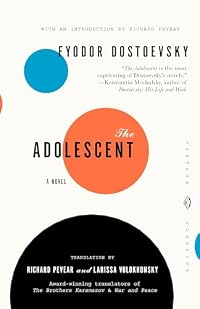



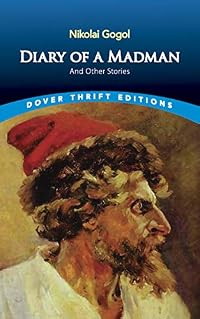


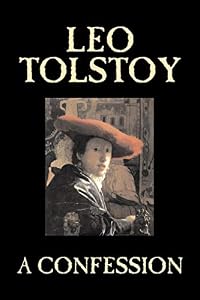
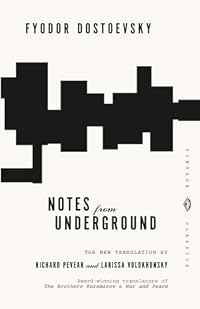




Member Recommendations

nonano A powerful philosophical counterpoint. While Dostoyevsky’s protagonist overcomes his nihilism through a spiritual revelation and a vision of a Golden Age, Bhagat Singh confronts his own impending death by embracing strict rationalism and rejecting all religious comfort. Both are short, intense explorations of the meaning of life, offering diametrically opposite conclusions—faith versus reason—in the face of the void.

nonano A pairing of two intensely lyrical, existential allegories. Dostoyevsky’s story follows a nihilist human ascending through a dream to discover the truth of love and corrupted innocence. Gibran’s work mirrors this from the opposite direction, presenting a dialogue between gods looking down upon human destiny. Both works grapple with the heavy burden of consciousness and suffering, ultimately positing that love—rather than pure logic or power—is the only resolution to the despair of existence.

nonano Both are profound philosophical allegories that deconstruct the concept of Utopia. Dostoyevsky’s protagonist travels to a 'Golden Age' earth and inadvertently corrupts it, proving that human consciousness carries the seeds of its own fall. Le Guin presents a thriving Utopia that depends entirely on the suffering of one child, challenging the reader to decide if happiness is worth the price of moral complicity. Both stories ask the same haunting question: Can paradise exist without a victim?

nonano Two seminal works that use the diary format of a 'madman' to critique a sick society. Dostoyevsky’s protagonist is dismissed as ridiculous for his nihilism and subsequent utopian vision; Lu Xun’s protagonist is dismissed as paranoid for seeing cannibalism in his neighbors. In both cases, the authors suggest that the 'madman' is actually the only one seeing the horrifying truth—whether it be the spiritual corruption of humanity or the crushing weight of feudal tradition.
Member Reviews
The intensity of the long novels of Dostoevsky is compressed in the novella Notes from Underground where the underground man narrates his tale of spite and nastiness in one hundred and thirty pages. However, the intensity is compressed even more, in a kind of super-intensity, as the ridiculous man narrates his fantastic, hallucinogenic tale in the twenty page story The Dream of a Ridiculous Man. I first read this story years ago and the images made a deep impression. I just did complete rereading the story five times over and each reading made a progressively deeper impression. I recall Isaac Stern saying how one string quartet of Shubert was absolutely perfect, that is, the piece was composed so exactly every single note fit with every show more other note. That is the way I feel about this work of Dostoevsky - even in English translation, every single sentence, every word even, is a jewel and is perfectly set to work within the story as a whole. What a masterpiece!
We read right at the beginning how the ridiculous man knows he himself is ridiculous and reflects on life as follows: "Perhaps it was owing to the terrible misery that was growing in my soul through something which was of more consequence than anything else about me: that something was the conviction that had come upon me that nothing in the world mattered." We follow the ridiculous man as he walks the dank streets during a gloomy, rainy evening, and, seeing a star in a particular way, knows this is the evening he will kill himself. Unexpectedly, he then has an encounter with a terrorized, soaked eight year old girl. We follow the ridiculous man back to his flat where he sits in solitude in his chair with his revolver on the table. The ridiculous man thinks his ridiculous thoughts, "It seemed clear to me that life and the world somehow depended on me. I may almost say that the world now seemed created for me along; if I shot myself the world would cease to be at least for me." Who hasn't had their own stream of thought follow a similar logic, even if we sit in our chair without a revolver on the table? Dostoevsky knows the soul of man so well!
The ridiculous man falls asleep in his chair and has his unforgettable dream, which, in a way, is a crystallization and elaboration of the fragmentary dreams every one of us have experienced, either consciously or unconsciously. "And now I was buried in the earth. They all went away, I was left along, utterly alone." After being lead to a world very much like our own, the ridiculous man encounters a people and tells us, "And at last I saw and knew the people of this happy land. They came to me of themselves, they surrounded me, kissed me." Experiencing the beauty of these people, the ridiculous man tells us, "They liked making songs about one another, and praised each other like children; they were the simplest songs, but they sprang from their hearts and went to one's heart." On a personal note, this is one image I remember from my first reading years ago. Perhaps the reason is my own abiding memory of growing up was how everybody mocked and discounted and belittled one another. As a youth, taking the words and attitudes of those around me, I did the same thing. It was a kind of cultural infection, a sickness, and it wasn't until I was in college that I saw it for exactly what it was - a sickness. As usual, Dostoevsky has his finger right on the pulse here.
I wouldn't want to spoil the ending for anybody by telling how the dream continues and finally ends, but I would like to quote what the ridiculous man says to us toward the end, "And yet it's an old truth which has been told and retold a billion times - but it has not formed part of our lives!" What is the old truth? What has not formed part of our lives? To find out exactly, please read and plumb the depths of your own soul as you follow the ridiculous man on his miraculous journey. show less
We read right at the beginning how the ridiculous man knows he himself is ridiculous and reflects on life as follows: "Perhaps it was owing to the terrible misery that was growing in my soul through something which was of more consequence than anything else about me: that something was the conviction that had come upon me that nothing in the world mattered." We follow the ridiculous man as he walks the dank streets during a gloomy, rainy evening, and, seeing a star in a particular way, knows this is the evening he will kill himself. Unexpectedly, he then has an encounter with a terrorized, soaked eight year old girl. We follow the ridiculous man back to his flat where he sits in solitude in his chair with his revolver on the table. The ridiculous man thinks his ridiculous thoughts, "It seemed clear to me that life and the world somehow depended on me. I may almost say that the world now seemed created for me along; if I shot myself the world would cease to be at least for me." Who hasn't had their own stream of thought follow a similar logic, even if we sit in our chair without a revolver on the table? Dostoevsky knows the soul of man so well!
The ridiculous man falls asleep in his chair and has his unforgettable dream, which, in a way, is a crystallization and elaboration of the fragmentary dreams every one of us have experienced, either consciously or unconsciously. "And now I was buried in the earth. They all went away, I was left along, utterly alone." After being lead to a world very much like our own, the ridiculous man encounters a people and tells us, "And at last I saw and knew the people of this happy land. They came to me of themselves, they surrounded me, kissed me." Experiencing the beauty of these people, the ridiculous man tells us, "They liked making songs about one another, and praised each other like children; they were the simplest songs, but they sprang from their hearts and went to one's heart." On a personal note, this is one image I remember from my first reading years ago. Perhaps the reason is my own abiding memory of growing up was how everybody mocked and discounted and belittled one another. As a youth, taking the words and attitudes of those around me, I did the same thing. It was a kind of cultural infection, a sickness, and it wasn't until I was in college that I saw it for exactly what it was - a sickness. As usual, Dostoevsky has his finger right on the pulse here.
I wouldn't want to spoil the ending for anybody by telling how the dream continues and finally ends, but I would like to quote what the ridiculous man says to us toward the end, "And yet it's an old truth which has been told and retold a billion times - but it has not formed part of our lives!" What is the old truth? What has not formed part of our lives? To find out exactly, please read and plumb the depths of your own soul as you follow the ridiculous man on his miraculous journey. show less
The intensity of the long novels of Dostoevsky is compressed in the novella Notes from Underground where the underground man narrates his tale of spite and nastiness in one hundred and thirty pages. However, the intensity is compressed even more, in a kind of super-intensity, as the ridiculous man narrates his fantastic, hallucinogenic tale in the twenty page story The Dream of a Ridiculous Man. I first read this story years ago and the images made a deep impression. I just did complete rereading the story five times over and each reading made a progressively deeper impression. I recall Isaac Stern saying how one string quartet of Shubert was absolutely perfect, that is, the piece was composed so exactly every single note fit with every show more other note. That is the way I feel about this work of Dostoevsky - even in English translation, every single sentence, every word even, is a jewel and is perfectly set to work within the story as a whole. What a masterpiece!
We read right at the beginning how the ridiculous man knows he himself is ridiculous and reflects on life as follows: "Perhaps it was owing to the terrible misery that was growing in my soul through something which was of more consequence than anything else about me: that something was the conviction that had come upon me that nothing in the world mattered." We follow the ridiculous man as he walks the dank streets during a gloomy, rainy evening, and, seeing a star in a particular way, knows this is the evening he will kill himself. Unexpectedly, he then has an encounter with a terrorized, soaked eight year old girl. We follow the ridiculous man back to his flat where he sits in solitude in his chair with his revolver on the table. The ridiculous man thinks his ridiculous thoughts, "It seemed clear to me that life and the world somehow depended on me. I may almost say that the world now seemed created for me along; if I shot myself the world would cease to be at least for me." Who hasn't had their own stream of thought follow a similar logic, even if we sit in our chair without a revolver on the table? Dostoevsky knows the soul of man so well!
The ridiculous man falls asleep in his chair and has his unforgettable dream, which, in a way, is a crystallization and elaboration of the fragmentary dreams every one of us have experienced, either consciously or unconsciously. "And now I was buried in the earth. They all went away, I was left along, utterly alone." After being lead to a world very much like our own, the ridiculous man encounters a people and tells us, "And at last I saw and knew the people of this happy land. They came to me of themselves, they surrounded me, kissed me." Experiencing the beauty of these people, the ridiculous man tells us, "They liked making songs about one another, and praised each other like children; they were the simplest songs, but they sprang from their hearts and went to one's heart." On a personal note, this is one image I remember from my first reading years ago. Perhaps the reason is my own abiding memory of growing up was how everybody mocked and discounted and belittled one another. As a youth, taking the words and attitudes of those around me, I did the same thing. It was a kind of cultural infection, a sickness, and it wasn't until I was in college that I saw it for exactly what it was - a sickness. As usual, Dostoevsky has his finger right on the pulse here.
I wouldn't want to spoil the ending for anybody by telling how the dream continues and finally ends, but I would like to quote what the ridiculous man says to us toward the end, "And yet it's an old truth which has been told and retold a billion times - but it has not formed part of our lives!" What is the old truth? What has not formed part of our lives? To find out exactly, please read and plumb the depths of your own soul as you follow the ridiculous man on his miraculous journey. show less
We read right at the beginning how the ridiculous man knows he himself is ridiculous and reflects on life as follows: "Perhaps it was owing to the terrible misery that was growing in my soul through something which was of more consequence than anything else about me: that something was the conviction that had come upon me that nothing in the world mattered." We follow the ridiculous man as he walks the dank streets during a gloomy, rainy evening, and, seeing a star in a particular way, knows this is the evening he will kill himself. Unexpectedly, he then has an encounter with a terrorized, soaked eight year old girl. We follow the ridiculous man back to his flat where he sits in solitude in his chair with his revolver on the table. The ridiculous man thinks his ridiculous thoughts, "It seemed clear to me that life and the world somehow depended on me. I may almost say that the world now seemed created for me along; if I shot myself the world would cease to be at least for me." Who hasn't had their own stream of thought follow a similar logic, even if we sit in our chair without a revolver on the table? Dostoevsky knows the soul of man so well!
The ridiculous man falls asleep in his chair and has his unforgettable dream, which, in a way, is a crystallization and elaboration of the fragmentary dreams every one of us have experienced, either consciously or unconsciously. "And now I was buried in the earth. They all went away, I was left along, utterly alone." After being lead to a world very much like our own, the ridiculous man encounters a people and tells us, "And at last I saw and knew the people of this happy land. They came to me of themselves, they surrounded me, kissed me." Experiencing the beauty of these people, the ridiculous man tells us, "They liked making songs about one another, and praised each other like children; they were the simplest songs, but they sprang from their hearts and went to one's heart." On a personal note, this is one image I remember from my first reading years ago. Perhaps the reason is my own abiding memory of growing up was how everybody mocked and discounted and belittled one another. As a youth, taking the words and attitudes of those around me, I did the same thing. It was a kind of cultural infection, a sickness, and it wasn't until I was in college that I saw it for exactly what it was - a sickness. As usual, Dostoevsky has his finger right on the pulse here.
I wouldn't want to spoil the ending for anybody by telling how the dream continues and finally ends, but I would like to quote what the ridiculous man says to us toward the end, "And yet it's an old truth which has been told and retold a billion times - but it has not formed part of our lives!" What is the old truth? What has not formed part of our lives? To find out exactly, please read and plumb the depths of your own soul as you follow the ridiculous man on his miraculous journey. show less
" ما أعلمه أنني أنا نفسي سبب الإثم الأول. فكدودة خنزير، كذرة طاعون، يمكن أن تعدي بلدا كاملا، أمرضت بحضوري أرضا سعيدة لا خطيئة فيها"
قصة رجل سخيف مضحك .. رجل تعيس بائس ينشر البؤس
قصة قصيرة عن البشرية جمعاء .. دوستويفسكي (كاتب النفوس البشرية) رائع في اسلوبه لدرجة انه يختصر الصفات البشرية في صفحات معدودة وقصة قصيرة .. قصة حلم
يحلم بطلنا انه ينهي حياته ثم ينتقل من ارضنا الى ارض جديدة يرى فيها النقاء ويرى فيها show more الجنة
موقف يحدث له مع طفلة صغيرة يعيد ترتيب حياته بالكامل
فكرة ان يختصر الصفات من الكدب والنفاق والطمع والجشع والنفوس المريضة وايضا الامل والنقاء والندم والطيبة
احببتها جدا وكانت تجربة مميزة مع كاتبي المفضل وايضا اول عمل قصير بالنسبة لي
بعض الاقتباسات الجميلة
" ربما يعود الأمر إلى تلك التعاسة الغامرة التي سيطرت علي إثر حالة أقوى مني؛ حالة اقتنعت فيها بشكل راسخ وثابت أن لا شئ في هذه الحياة يستحق الاهتمام ، كان الأمر فيما مضى مجرد شك، لكنني اقتنعت بعد ذلك قناعة كاملة، وأيقنت فجأة بذلك يقينا لا محيد عنه "
"حلم؟ وما هو الحلم؟ وهل حياتنا أكثر من حلم؟
" وإنما المهم أ، تحب الآخرين كما تحب نفسك، وهذا هو الأمر الرئيس، الذي لا يعدله أمر: فمتى حققتموه بنيتهم الجنة "show less
The protagonist in this short story, a man on the verge of suicide, experiences a surreal dream that takes him to a utopian parallel earth untouched by corruption. Science and technology were unknown and unnecessary. People lived in harmony with one another and with nature. However, his own presence began to corrupt the society, which became exactly like that of the Earth.
The narrator awakens, convinced that humanity is not intrinsically evil but has only fallen from grace.
The narrator awakens, convinced that humanity is not intrinsically evil but has only fallen from grace.
Finally after reading almost a universe about Dostoyevsky's shorter works, I have surpassed my two decades long procrastination and began to read them. This is a dilemma because if you have already gone through Crime and Punishment, Idiot and Brothers Karamazov then you are apt to put his shorter works under their shadow. But in any case, not less than a masterpiece. Superbly crafted and exquisitely drawn against the progressive thought of his time.
Many of my favorite Dostoevsky characters are the ones who loudly declare their faults right off the bat. What's the first sentence in The Dream of a Ridiculous Man? "I am a ridiculous man." Perfect.
This is a wildly accessible short story from the world's greatest author, so you have no excuse not to read it.
This is a wildly accessible short story from the world's greatest author, so you have no excuse not to read it.
البشر سيكونون سعداء عندما يبتعدون عن البشر الاخرين
حلم رجل مضحك للكاتب فيودور دوستويفسكي
لقد كنت قرأت تلك القصة القصيرة منذ عام مضى و أعدت قراءتها الآن بالصدفة
دائما يبهرنا دوستويفسكي تسلله إلى داخل النفس البشرية و كشف أسرارها المخفية.
حلم رجل مضحك للكاتب فيودور دوستويفسكي
لقد كنت قرأت تلك القصة القصيرة منذ عام مضى و أعدت قراءتها الآن بالصدفة
دائما يبهرنا دوستويفسكي تسلله إلى داخل النفس البشرية و كشف أسرارها المخفية.
Members
- Recently Added By
Author Information

1,430+ Works 179,603 Members
One of the most powerful and significant authors in all modern fiction, Fyodor Dostoevsky was the son of a harsh and domineering army surgeon who was murdered by his own serfs (slaves), an event that was extremely important in shaping Dostoevsky's view of social and economic issues. He studied to be an engineer and began work as a draftsman. show more However, his first novel, Poor Folk (1846), was so well received that he abandoned engineering for writing. In 1849, Dostoevsky was arrested for being a part of a revolutionary group that owned an illegal printing press. He was sentenced to be executed, but the sentence was changed at the last minute, and he was sent to a prison camp in Siberia instead. By the time he was released in 1854, he had become a devout believer in both Christianity and Russia - although not in its ruler, the Czar. During the 1860's, Dostoevsky's personal life was in constant turmoil as the result of financial problems, a gambling addiction, and the deaths of his wife and brother. His second marriage in 1887 provided him with a stable home life and personal contentment, and during the years that followed he produced his great novels: Crime and Punishment (1886), the story of Rodya Raskolnikov, who kills two old women in the belief that he is beyond the bounds of good and evil; The Idiots (1868), the story of an epileptic who tragically affects the lives of those around him; The Possessed (1872), the story of the effect of revolutionary thought on the members of one Russian community; A Raw Youth (1875), which focuses on the disintegration and decay of family relationships and life; and The Brothers Karamazov (1880), which centers on the murder of Fyodor Karamazov and the effect the murder has on each of his four sons. These works have placed Dostoevsky in the front rank of the world's great novelists. Dostoevsky was an innovator, bringing new depth and meaning to the psychological novel and combining realism and philosophical speculation in his complex studies of the human condition. (Bowker Author Biography) show less

Fyodor Dostoyevsky has a Legacy Library. Legacy libraries are the personal libraries of famous readers, entered by LibraryThing members from the Legacy Libraries group.
Some Editions
Series
Belongs to Publisher Series
Work Relationships
Is contained in
Notes from Underground; White Nights; The Dream of a Ridiculous Man; and: White Nights Dream Ridiculous Man and selections from The House of the Dead (Signet classics) by Fyodor Dostoyevsky
Common Knowledge
- Canonical title
- The Dream of a Ridiculous Man
- Original title
- Сон смешного человека; Son smeshnogo cheloveka
- Alternate titles*
- De droom van een belachelijk mensch : een phantastische vertelling
- Original publication date
- 1877
- Original language*
- Russisch
*Some information comes from Common Knowledge in other languages. Click "Edit" for more information.
Classifications
- Genres
- Fiction and Literature, General Fiction
- DDC/MDS
- 891.733 — Literature & rhetoric Asian Literature East Indo-European and Celtic literatures Russian and East Slavic languages Russian fiction 1800–1917
- LCC
- PZ3 .D742 — Language and Literature Fiction and juvenile belles lettres Fiction and juvenile belles lettres Fiction in English
- BISAC
Statistics
- Members
- 466
- Popularity
- 65,099
- Reviews
- 17
- Rating
- (3.91)
- Languages
- 18 — Arabic, Catalan, Danish, Dutch, English, Finnish, French, German, Greek, Hungarian, Italian, Japanese, Portuguese (Brazil), Portuguese (Portugal), Russian, Spanish, Swedish, Turkish
- Media
- Paper, Audiobook, Ebook
- ISBNs
- 54
- ASINs
- 30