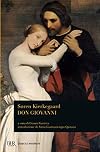
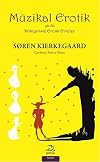
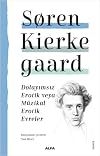
Mozart-esseet
by Søren Kierkegaard
On This Page
Description
In October 1910 the Royal Institute of British Architects hosted the first ever international conference on Town Planning. The Transactions of this critical event in the development of planning as a profession and as a discipline were published a year later in 1911. Long out of print and very difficult to obtain, this new facsimile edition of the Transactions of the 1910 Conference now makes available for planners and historians alike this valuable primary resource.Tags
Recommendations























Member Reviews
Hør, hør, hør Mozarts Don Juan er en af verdenslitteraturens perler. Det berømte litterær-filosofiske essay er ikke kun et must for opera- og musikelskere, men også litteratur- og kultur interesserede vil henrives af Søren Kierkegaards essay om den charmerende og elskede forfører fra Mozarts opera Don Juan. Det er det kendte Kierkegaard-citat ‘Hør, hør, hør Mozarts Don Juan’, der har lagt navn til essayet, hvis originaltitel er De umiddelbare erotiske stadier eller det musikalsk-erotiske, fra førstedelen af Søren Kierkegaards (1813 - 1855) hovedværk Enten-Eller (1843). I sin analyse af Mozarts Don Juan, som udtryk for det umiddelbare erotiske, inddrager Kierkegaard to andre af Mozarts operafigurer, nemlig Cherubino fra show more Figaros Bryllup og Papageno fra Tryllefløjten. Filosoffen Jens Staubrand har skrevet en indledning til Hør, hør, hør Mozarts Don Juan, der er gennemredigeret og meget nænsomt bearbejdet til nudansk. show less
Ratings
Members
- Recently Added By
Author Information

624+ Works 33,031 Members
Born in Copenhagen, Denmark, Søren Kierkegaard was the son of a wealthy middle-class merchant. He lived all his life on his inheritance, using it to finance his literary career. He studied theology at the University of Copenhagen, completing a master's thesis in 1841 on the topic of irony in Socrates. At about this time, he became engaged to a show more woman he loved, but he broke the engagement when he decided that God had destined him not to marry. The years 1841 to 1846 were a period of intense literary activity for Kierkegaard, in which he produced his "authorship," a series of writings of varying forms published under a series of fantastic pseudonyms. Parallel to these, he wrote a series of shorter Edifying Discourses, quasi-sermons published under his own name. As he later interpreted it in the posthumously published Point of View for My Work as an Author, the authorship was a systematic attempt to raise the question of what it means to be a Christian. Kierkegaard was persuaded that in his time people took the meaning of the Christian life for granted, allowing all kinds of worldly and pagan ways of thinking and living to pass for Christian. He applied this analysis especially to the speculative philosophy of German idealism. After 1846, Kierkegaard continued to write, publishing most works under his own name. Within Denmark he was isolated and often despised, a man whose writings had little impact in his own day or for a long time afterward. They were translated into German early in the twentieth century and have had an enormous influence since then, on both Christian theology and the existentialist tradition in philosophy. (Bowker Author Biography) show less
Classifications
Statistics
- Members
- 61
- Popularity
- 505,308
- Reviews
- 1
- Rating
- (3.00)
- Languages
- 6 — Dutch, English, Finnish, Hungarian, Italian, Turkish
- Media
- Paper
- ISBNs
- 9