On This Page
Description
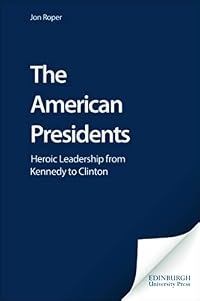
How did democratic America respond to its cold war enemies led by dictators who promoted the myth of their heroic leadership?John F. Kennedy confronted the challenges posed by his cold-war enemies' 'heroic' leaders by moulding the narratives of 'consensus history' into the activist rhetoric of the New Frontier. Jon Roper examines how his image, heroic style of leadership, and legacy - America's war in Vietnam - impacted upon his successors. After Kennedy the hero, America saw Lyndon B. show more Johnson, the casualty of war; Richard Nixon, heroic failure; Gerald Ford and Jimmy Carter, faith-healers; Ronald Reagan, star; George Bush, deputy; and Bill Clinton, survivor.From Kennedy's inauguration to Clinton's impeachment hearings, the book examines the development of the character of the contemporary presidency during one of the most fascinating and turbulent periods in its history. show lessMembers
- Recently Added By
Author Information
13 Works 145 Members
Jon Roper is Professor of American Studies at the University of Swansea, UK, and has formerly held positions at the University of Tennessee, the University of Wisconsin, and Ohio State University. He is the author of The Contours of American Politics and The Complete Illustrated Guide to the Presidents of America.
Classifications
- Genres
- Nonfiction, Politics and Government, History
- DDC/MDS
- 352.230973 — Social sciences Public administration & military science General considerations of public administration Police
- LCC
- JK511 .R674 — Political Science Political institutions and public administration (United States) Political institutions and public administration United States Government. Public administration Executive branch
- BISAC
Statistics
- Members
- 2
- Popularity
- 6,001,303
- Languages
- English
- Media
- Paper, Ebook
- ISBNs
- 4