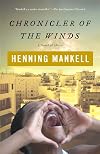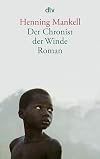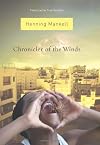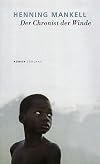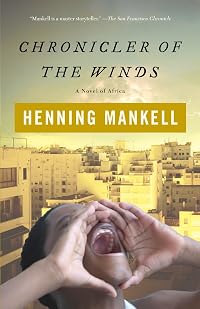
Chronicler of the Winds
by Henning Mankell
On This Page
Description
From the bestselling author of the Kurt Wallander mysteries: An "uplifting . . . grittily realistic" fable about war-torn Africa and a mystical orphan boy (The New York Times)A single gunshot cracks the silence of a hot African night. On the rooftop of a local theater company, a ten-year-old boy slowly dies of bullet wounds. He is Nelio, a leader of street kids, rumored to be a healer and a prophet, and possessed of a strangely ancient wisdom.
One of the millions of poor people "forced to show more eat life raw," Nelio refuses to be taken to the hospital. Instead, he tells the unforgettable story of his life to a sole witness. Over the course of nine nights, a baker named José Antonio listens as bandits cruelly raze Nelio's village, propelling him to join the legions of abandoned children living in the streets. A grand act of imagination intended to prove to his comrades that existence must be more than mere survival, cuts Nelio's life short. As the tale unfolds, José is forever changed. He becomes the Chronicler of Winds, vowing to reveal Nelio's magical words to all who will listen.
Short-listed for the Nordic Council Prize for Literature and nominated for the Swedish Publishers Association's August Prize, Chronicler of Winds is a beautifully crafted novel that is a testament to the power of storytelling itself. "Mankell writes eloquently of the realities of poverty and violence without becoming sugary or didactic. . . . An expert craftsman" (The Observer, London).
. show less
Tags
Recommendations


























Member Reviews
Eine magische Aura umweht den afrikanischen Straßenjungen Nelio: Noch nie hat jemand gewagt, ihn zu verprügeln. Vielleicht weil aus dem 10-Jährigen, dem sich die irdischen Abgründe viel zu früh erschlossen haben, eine greise Weisheit spricht. Jetzt aber liegt Nelio mit schweren Schusswunden auf dem Dach eines ärmlichen Theaters. Dort erzählt er -- zwischen kräftezehrenden Fieberschüben -- dem Bäckerjungen José Antonio Maria Vaz sein Leben. Das beginnt mit der Erinnerung an die Banditen, die sein Dorf niederbrannten, seine Schwester töteten und vor denen er geflüchtet ist, als sie ihn zwingen wollten, einen Verwandten zu erschießen. Und es endet bei den Straßenkindern in der Stadt, denen Nelio zu einem an Fairness und show more Reife geradezu übermenschlichen Anführer wurde: Gestohlen jedenfalls wird nicht unter seinem Regime; bestenfalls -- in der Villa eines verreisten Entwicklungshelfers -- der Kühlschrank leer gegessen. show less
Kind of a funny one. It fronts like it wants to play or pastiche with magic realism, and you're a bit like "Uh, but everything turns out to have such an (un-magically) real explanation."
And then it turns out that's sort of the point, and our narrator gets all half-Christlike, half-ruined with his determination to redeem the pain of street kids and Africa and existence backhandedly and call it duty, give himself the "Chronicler of the Winds" title and all . . . but it's not fucking enough, and Henkell knows it, and the narrator knows it too, and certainly Nelio knows it, and makes the best stand ever with the other kids and their stage show at the end.
And it's not enough either, but like the narrator's gesture, it's something. This show more book is almost a response to "Life is Beautiful" in that sense, but instead of a "Leave 'em laughing," a (to grossly mischaracterize that not-terrible movie) "Wokka wokka wokka," it leaves you with beauty and whimsy and sadness and anger. And he even earns my forgiveness for being like "This is Africa, look upon it, because, like, it IS, and we SHOULD, and who cares if it's some Swedish crime writer that makes it so? Good for him. And hell, unsettled spirits are as good, or as poor, as any other explanation for that continent's terrors. Hopefully one day we learn how to put them to rest. show less
And then it turns out that's sort of the point, and our narrator gets all half-Christlike, half-ruined with his determination to redeem the pain of street kids and Africa and existence backhandedly and call it duty, give himself the "Chronicler of the Winds" title and all . . . but it's not fucking enough, and Henkell knows it, and the narrator knows it too, and certainly Nelio knows it, and makes the best stand ever with the other kids and their stage show at the end.
And it's not enough either, but like the narrator's gesture, it's something. This show more book is almost a response to "Life is Beautiful" in that sense, but instead of a "Leave 'em laughing," a (to grossly mischaracterize that not-terrible movie) "Wokka wokka wokka," it leaves you with beauty and whimsy and sadness and anger. And he even earns my forgiveness for being like "This is Africa, look upon it, because, like, it IS, and we SHOULD, and who cares if it's some Swedish crime writer that makes it so? Good for him. And hell, unsettled spirits are as good, or as poor, as any other explanation for that continent's terrors. Hopefully one day we learn how to put them to rest. show less
It is a long way from Ystad in southern Sweden to an unnamed coastal city in Africa, from a middle-aged detective to a 10-year-old street orphan, but it is a leap that Henning Mankell makes more adeptly than you might anticipate in (the horribly titled) Chronicler of the Winds.
Over nine nights, as the orphan Nelio slowly dies from gunshot wounds, he relates his life story to the baker José Antonio Maria Vaz and we gradually find out how his short life reached this point. The earlier years of Nelio's short life are horribly familiar from news stories and other accounts of children caught up in Africa's many conflicts, but once he makes his way to the unnamed city – which knowing Mankell's background as the director of that city's show more Teatro Avenida can only be Maputo in Mozambique – the story takes some interesting and intriguing turns.
The way Nelio's life is recounted in segments, while José and the rest of the city continue on with their struggle to survive, works well; providing a grounding for some of the more fantastical elements of the story. However, some of it just doesn't ring true and I couldn't understand why José would quit his job to become a (wholly ineffectual) teller of Nelio's story. show less
Over nine nights, as the orphan Nelio slowly dies from gunshot wounds, he relates his life story to the baker José Antonio Maria Vaz and we gradually find out how his short life reached this point. The earlier years of Nelio's short life are horribly familiar from news stories and other accounts of children caught up in Africa's many conflicts, but once he makes his way to the unnamed city – which knowing Mankell's background as the director of that city's show more Teatro Avenida can only be Maputo in Mozambique – the story takes some interesting and intriguing turns.
The way Nelio's life is recounted in segments, while José and the rest of the city continue on with their struggle to survive, works well; providing a grounding for some of the more fantastical elements of the story. However, some of it just doesn't ring true and I couldn't understand why José would quit his job to become a (wholly ineffectual) teller of Nelio's story. show less
Der Chronist der Winde ♦ Henning Mankell | Rezension
Der Chronist der Winde ist ein Buch, welches trotz der traurigen Gewissheit, die sich ergeben wird, voller Hoffnung, Träume und dem Leben gefüllt ist. Diese Erzählung trifft tief ins Herz.
Der Chronist der Winde ♦ Henning Mankell
Meinung
Jeder Versuch [b:Der Chronist der Winde|951689|Der Chronist der Winde|Henning Mankell|https://i.gr-assets.com/images/S/compressed.photo.goodreads.com/books/1477232094l/951689._SY75_.jpg|1952834] in eine Genre-Schublade zu stopfen oder tiefer zu analysieren, ist dazu verdammt, die Unerfahrenheit des Erzählers aufgrund seiner unheimlichen Bildersprache, seiner starken emotionalen Anziehungskraft und seiner ernsthaften Absicht aufzudecken. Diese show more Geschichte erfordert aufgrund ihrer grenzenlosen Interpretation, legendären Pracht und humanistischen Zielsetzung ein sorgfältiges Lesen und Genießen als einzigartiges literarisches Fest.
Der Roman spielt in Mosambik, wo [a:Henning Mankell|22339|Henning Mankell|https://images.gr-assets.com/authors/1336761478p2/22339.jpg] als Direktor des Teatro Avenida einen Großteil seiner Zeit verbrachte. Es ist nicht ganz klar ersichtlich, in welcher Stadt wir auf Nelio treffen. Doch ich würde fast vermuten, dass ich in der Hauptstadt Maputo war. Aber natürlich könnte die Geschichte zwischen den Unerwünschten jeder größeren Metropole der Welt erzählt werden, doch sie ist am schmerzhaftesten in der Dritten Welt.
Jose Antonio Maria Vaz, der Erzähler, ist von Beruf Bäcker, bis er auf Nelio trifft, unseren Protagonisten des Buches. Nelio ist ein sterbender 10-jährigen weiser Mann der Straße, der im Laufe von neun Nächten von seinem Leben erzählt. Nelio beginnt seine philosophische Reise mit der Begegnung mit einem „weißen Zwerg“, einer weisen alten Eidechsenfrau und einem betrunkenen Betrüger, nachdem er vor dem Gemetzel und der Zerstörung seinen Dorfes durch Banditen geflohen ist. Außerdem berichtet Nelio davon, dass er im Bauch der kolonialen Reiterstatue einen Schlafbereich ausfindig gemacht hat. Dort trifft er auf eine Vielzahl anderer Straßenkinder, von denen sich einige Seeungeheuer vorstellen, Gemüse mit Dreck in den Taschen anbauen und sich sogar unsichtbar machen können, um in Kaufhäuser und Präsidentenpalast einzubrechen.
Trotz seines jungen Alters und seiner geringen Größe hat Nelio die moralische Autorität, diese Gruppe von Kindern zu führen, während sie darum kämpfen, die schrecklichen Gefahren und unerbittlichen Ungerechtigkeiten auf den üblen Straßen der Metropole zu ertragen. Die Erfahrungen von Nelios Leben und Tod überwältigen den Erzähler ins Mark. So beschließt dieser, seinen Job aufzugeben und sich von da an dem Erzählen von Nelios Geschichte zu widmen.
Fazit
⭐⭐⭐⭐⭐
Mankells realistische Darstellung der Stärke von Nelio und der, der anderen Straßenkinder und deren unverrückbare Fähigkeit zu träumen, zu hoffen und einfach zu leben, hat eine sehr erlösende Wirkung. Dabei vergisst man aber nicht, wie brutal und kurz das Leben sein kann.
This review was first published at The Art of Reading. show less
Der Chronist der Winde ist ein Buch, welches trotz der traurigen Gewissheit, die sich ergeben wird, voller Hoffnung, Träume und dem Leben gefüllt ist. Diese Erzählung trifft tief ins Herz.
Der Chronist der Winde ♦ Henning Mankell
Meinung
Jeder Versuch [b:Der Chronist der Winde|951689|Der Chronist der Winde|Henning Mankell|https://i.gr-assets.com/images/S/compressed.photo.goodreads.com/books/1477232094l/951689._SY75_.jpg|1952834] in eine Genre-Schublade zu stopfen oder tiefer zu analysieren, ist dazu verdammt, die Unerfahrenheit des Erzählers aufgrund seiner unheimlichen Bildersprache, seiner starken emotionalen Anziehungskraft und seiner ernsthaften Absicht aufzudecken. Diese show more Geschichte erfordert aufgrund ihrer grenzenlosen Interpretation, legendären Pracht und humanistischen Zielsetzung ein sorgfältiges Lesen und Genießen als einzigartiges literarisches Fest.
Der Roman spielt in Mosambik, wo [a:Henning Mankell|22339|Henning Mankell|https://images.gr-assets.com/authors/1336761478p2/22339.jpg] als Direktor des Teatro Avenida einen Großteil seiner Zeit verbrachte. Es ist nicht ganz klar ersichtlich, in welcher Stadt wir auf Nelio treffen. Doch ich würde fast vermuten, dass ich in der Hauptstadt Maputo war. Aber natürlich könnte die Geschichte zwischen den Unerwünschten jeder größeren Metropole der Welt erzählt werden, doch sie ist am schmerzhaftesten in der Dritten Welt.
Jose Antonio Maria Vaz, der Erzähler, ist von Beruf Bäcker, bis er auf Nelio trifft, unseren Protagonisten des Buches. Nelio ist ein sterbender 10-jährigen weiser Mann der Straße, der im Laufe von neun Nächten von seinem Leben erzählt. Nelio beginnt seine philosophische Reise mit der Begegnung mit einem „weißen Zwerg“, einer weisen alten Eidechsenfrau und einem betrunkenen Betrüger, nachdem er vor dem Gemetzel und der Zerstörung seinen Dorfes durch Banditen geflohen ist. Außerdem berichtet Nelio davon, dass er im Bauch der kolonialen Reiterstatue einen Schlafbereich ausfindig gemacht hat. Dort trifft er auf eine Vielzahl anderer Straßenkinder, von denen sich einige Seeungeheuer vorstellen, Gemüse mit Dreck in den Taschen anbauen und sich sogar unsichtbar machen können, um in Kaufhäuser und Präsidentenpalast einzubrechen.
Trotz seines jungen Alters und seiner geringen Größe hat Nelio die moralische Autorität, diese Gruppe von Kindern zu führen, während sie darum kämpfen, die schrecklichen Gefahren und unerbittlichen Ungerechtigkeiten auf den üblen Straßen der Metropole zu ertragen. Die Erfahrungen von Nelios Leben und Tod überwältigen den Erzähler ins Mark. So beschließt dieser, seinen Job aufzugeben und sich von da an dem Erzählen von Nelios Geschichte zu widmen.
Fazit
⭐⭐⭐⭐⭐
Mankells realistische Darstellung der Stärke von Nelio und der, der anderen Straßenkinder und deren unverrückbare Fähigkeit zu träumen, zu hoffen und einfach zu leben, hat eine sehr erlösende Wirkung. Dabei vergisst man aber nicht, wie brutal und kurz das Leben sein kann.
This review was first published at The Art of Reading. show less
This book starts out a little slow, but picks up speed. It's written by a swedish author about the happenings in an unnamed town in an unnamed country in Africa about characters with vaguely spanish sounding names and told in a style similar to a someone like Gabriel Garcia-Marquez. The book is about the lives of a street kid named Nelio. He is shot and tells his story to a baker - a story that starts in a small village, but takes him across the African countryside (in the company of an albino dwarf with an empty suitcase) to live in the big city, where he eventually becomes the leader of one of the gangs of street kids. It's an interesting story and well told. A quick read.
A very fascinating and in the same way a really horrible story about a 10 year old street children, Nelio. He's lying on a roof, dying. But before he dies, he's telling a story, the story of his short life
En mycket känslosam historia om den lille pojken Nelios korta liv. Nelio som kommer från en liten afrikansk by som blev nerbränd av banditer. Nelio berättar om hur han blev gatubarn för bagaren José Antonio Maria Vaz. Nelios berättelse gör att José kommer att förändra sitt liv för efter Nelios död finner han att bara en sak är viktig.
Romanen innehåller en del om kolonialtiden och det finns en del intressanta personligheter som ibland roar. Det är en välskriven berättelse som har filmatiserats och prisats. Alla borde ta del av den.
Romanen innehåller en del om kolonialtiden och det finns en del intressanta personligheter som ibland roar. Det är en välskriven berättelse som har filmatiserats och prisats. Alla borde ta del av den.
Members
- Recently Added By
Published Reviews
ThingScore 75
Henning Mankells Roman verbindet den brutalen Überlebenskampf weiter Teile der afrikanischen Bevölkerung mit mythisch anmutenden Legenden der Ureinwohner. Ganz nebenbei liefert er auch einen stimmigen Einblick in die schwankende Gefühlslage seiner Figuren, die durch die häufig wechselnden politischen Machtverhältnisse und die Überbleibsel der blutigen Kolonialherrschaft jegliche show more Orientierung verloren haben. Aus Voltaires "Candide" hat Mankell seinem Roman das Zitat vorangestellt:"Wenn dies die beste aller Welten ist, wie müssen dann erst die anderen sein?" Nicht oft treffen leitmotivische Sprüche so exakt ins Herz der Handlung. show less
added by Indy133
Lists

Books Set In Africa
81 works; 4 members

Llibres que he llegit el 2008
33 works; 1 member
Author Information

146+ Works 53,965 Members
Henning Mankell was born in Stockholm, Sweden on February 3, 1948. He left secondary school at the age of 16 and worked as a merchant seaman. While working as a stagehand, he wrote his first play, The Amusement Park. His first novel, The Stone Blaster, was released in 1973. His other works included The Prison Colony that Disappeared, Daisy show more Sisters, The Eye of the Leopard, The Man from Beijing, Secrets in the Fire, The Chronicler of the Wind, Depths, and I Die, But My Memory Lives On. He also wrote the Kurt Wallander series, which have been adapted for film and television, and the Joel Gustafson Stories series. A Bridge to the Stars won the Rabén and Sjögren award for best children's book of the year. He was committed to the fight against AIDS. He helped build a village for orphaned children and devoted much of his spare time to his "memory books" project, where parents dying from AIDS are encouraged to record their life stories in words and pictures. He was also among the activists who were attacked and arrested by Israeli forces as they tried to sail to the Gaza strip with humanitarian supplies in June 2010. He died from cancer on October 5, 2015 at the age of 67. (Bowker Author Biography) show less
Some Editions
Awards and Honors
Series
Belongs to Publisher Series
dtv (12964)
Common Knowledge
- Canonical title
- Chronicler of the Winds
- Original title
- Comédia infantil
- Original publication date
- 1995 (original Swedish) (original Swedish); 2006 (English translation) (English translation)
- People/Characters
- Nelio; José Antonio Maria Vaz
- Important places
- Africa
- Epigraph*
- L’être humain a deux yeux ;
l’un ne voit que l’éphémère,
l’autre l’éternel et le divin.
ANGELUS SILESIUS
Si c’est celui-ci le meilleur des mondes possibles,
que sont donc les autres ?
VOLTAIRE, Candide
Quand les abîmes n’étaient pas,
j’ai été enfantée,
quand n’étaient pas
les sources profondes des eaux.
LE LIVRE DES PROVERBES (8,24), TOB, les Éditions du Cerf [NdT] - First words*
- José Antonio Maria Vaz
Moi qui porte le nom de José Antonio Maria Vaz, j’attends la fin du monde debout sur un toit en terre rouge brûlée par le soleil. [...] - Last words*
- (Click to show. Warning: May contain spoilers.)Ich, José Antonio Maria Vaz, ein einsamer Mann auf einem Dach, unter dem tropischen Sternenhimmel, habe eine Geschichte zu erzählen ...
- Original language
- Swedish
*Some information comes from Common Knowledge in other languages. Click "Edit" for more information.
Classifications
- Genres
- Fiction and Literature, General Fiction
- DDC/MDS
- 839.73 — Literature & rhetoric German & related literatures Other Germanic literatures Swedish literature Swedish fiction
- LCC
- PT9876.23 .A49 .C6613 — Language and Literature German, Dutch and Scandinavian literatures Swedish literature Individual authors or works 1961-2000
- BISAC
Statistics
- Members
- 737
- Popularity
- 38,314
- Reviews
- 24
- Rating
- (3.95)
- Languages
- 14 — Catalan, Dutch, English, Finnish, French, German, Italian, Norwegian (Bokmål), Polish, Portuguese, Slovenian, Spanish, Swedish, Turkish
- Media
- Paper, Audiobook, Ebook
- ISBNs
- 57
- ASINs
- 10