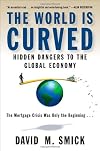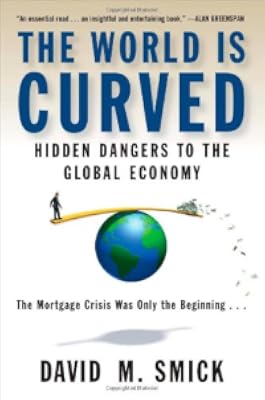
The World Is Curved: Hidden Dangers to the Global Economy
by David M. Smick
On This Page
Description
A founder of the acclaimed quarterly The International Economy explains the economic problems behind the credit and mortgage issues of the past two years, identifying hidden connections between key events and the global economy.Tags
Recommendations
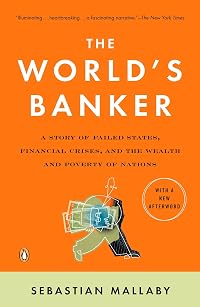
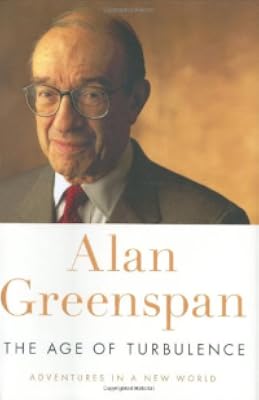
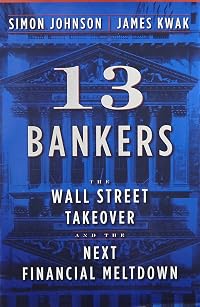
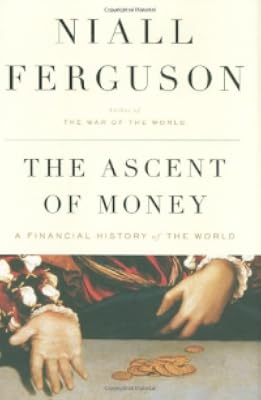

Member Reviews
With The World Is Curved, author David M. Smick explores the strange and terrifying interconnectedness of the modern day Globalized Economy and Financial System. As was indicated by the Subprime Mortgage Crisis, we can see that an event focused on the United States can cause ripples that effectively cripple the world economy. The title of the book comes from the idea that we can’t see over the horizon, we can’t effectively predict the future.
After the Great Recession, it was somewhat easy to say that it was stupid to pick up all of that bad debt, and then subsequently spread it all over the globe. The problem is that the future is difficult to predict. The biggest thing I can think of is Back to the Future Part II, the movie where show more Marty McFly goes to the future to 2015 and must deal with his kids being stupid. In the meantime, his boss is Japanese and everything is weird and 1980s futuristic. I mean, to its credit, the Cubs did eventually win the World Series again, but seventeen installments in the Jaws franchise? Please. Mr. Fusion would be amazing, but cold fusion created by the same company that made Mr. Coffee? I dunno.
So this book is a fascinating crash course in Macroeconomics. It discusses things that I hadn’t considered at all since I don’t really have money in other governments or large amounts of money at all for that matter. So it was interesting to see how the strengths and weaknesses of economies are measured by their imports and exports, their transparency in terms of information and so on.
This book was printed back in 2008 so the information is a bit dated, but on the other hand, it was really interesting to see where this was going with the whole crisis and loss of jobs and all of that. David M. Smick is a person that I have never heard of before, but he seems to know some things. I guess being on the job for so long will do that for you. I mean, he was in the business back in the 1987 Market Crash. This isn't to say that he isn't biased, but that hardly matters. show less
After the Great Recession, it was somewhat easy to say that it was stupid to pick up all of that bad debt, and then subsequently spread it all over the globe. The problem is that the future is difficult to predict. The biggest thing I can think of is Back to the Future Part II, the movie where show more Marty McFly goes to the future to 2015 and must deal with his kids being stupid. In the meantime, his boss is Japanese and everything is weird and 1980s futuristic. I mean, to its credit, the Cubs did eventually win the World Series again, but seventeen installments in the Jaws franchise? Please. Mr. Fusion would be amazing, but cold fusion created by the same company that made Mr. Coffee? I dunno.
So this book is a fascinating crash course in Macroeconomics. It discusses things that I hadn’t considered at all since I don’t really have money in other governments or large amounts of money at all for that matter. So it was interesting to see how the strengths and weaknesses of economies are measured by their imports and exports, their transparency in terms of information and so on.
This book was printed back in 2008 so the information is a bit dated, but on the other hand, it was really interesting to see where this was going with the whole crisis and loss of jobs and all of that. David M. Smick is a person that I have never heard of before, but he seems to know some things. I guess being on the job for so long will do that for you. I mean, he was in the business back in the 1987 Market Crash. This isn't to say that he isn't biased, but that hardly matters. show less
David Smick keeps a low profile, but experts consider him one of the most insightful financial market strategists in the world. For more than two decades, he has conferred with central bankers (such as Alan Greenspan and Ben Bernanke) and advised top Wall Street executives and investors, from George Soros to Michael Steinhardt to Stan Druckenmiller. Political leaders (from Bill Bradley to Jack Kemp) have regularly sought his policy advice. The World Is Curved picks up where Thomas Friedman’s The World Is Flat left off, taking readers on an insider’s tour through the private offices of central bankers, finance ministers, even prime ministers. Smick reveals how today’s risky environment came to beand why the mortgage mess is a show more symptom of potentially far more devastating trouble. He wrestles with the two questions on everyone’s mind: How bad could things really get in today’s volatile economy? And what can we do about it? Drawing on riveting anecdotes in language anyone can understand, Smick explains: Why the churning cauldron we call China (the next great bubble to burst) represents a powerful threat to everyone’s pocketbook How Japanese housewives have taken control of their nation’s savings, and why it matters to us How greed-driven bankers and investment bankers have put everyone’s pensions and 401(k)s at risk Why today’s incredible shrinking central banks” may not be able to save us when the next crisis hits Why the big-money Russian, Chinese, Saudi, and Dubai sovereign wealth funds represent a tectonic shift in global financial power, away from the United States, Europe, and Japan Why the world desperately needs a big think” financial doctrine to guide today’s dangerous ocean of money The World Is Curved is the rare book that speaks simultaneously to the Wall Street, Washington, and London elite, yet its apt storytelling shows Main Street readers how to survive in these turbulent times. show less
Read 3 / 4th of this. Smick says we need an overall new economic ' big think ' and policy. I agree, yes.
Read 3 / 4th of this. Smick says we need an overall new economic ' big think ' and policy. I agree, yes.
Ratings
Members
- Recently Added By
Author Information

3 Works 252 Members
Awards and Honors
Common Knowledge
- Original publication date
- 2008-09-04
Classifications
Statistics
- Members
- 248
- Popularity
- 131,670
- Reviews
- 4
- Rating
- (3.13)
- Languages
- Chinese, English, Portuguese
- Media
- Paper, Audiobook, Ebook
- ISBNs
- 12
- ASINs
- 3