On This Page
Description
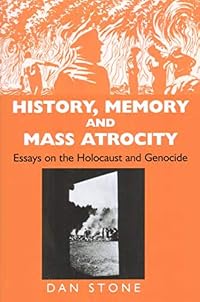
The book's main theme is the interpretation of the Holocaust and genocide in historiography, philosophy and the contemporary culture of commemoration. Running through the essays is an attempt to understand the Holocaust's relationship to 'modernity'; the need to find ways of understanding genocide through apparently 'non-rational' forms of explanation (especially derived from anthropology); and the desirability of relating the Holocaust to other instances of genocide. The book investigates show more the ways in which individual thinkers (Malinowski, Arendt, Bataille, Perec, Ricoeur) can help us conceptualise the Holocaust, and also deals with many of the major themes of Holocaust and Genocide Studies in recent years: problems of handling testimony; problems of erecting monuments and museums; the representability of the Holocaust through texts, photographs, monuments and museums; the possibility of understanding why individuals take part in genocide; and the relationship of the Holocaust to colonial genocide. Contains previously inaccessible essays. The book is arranged into four sections: interpretations of the origins and nature of the Holocaust; studies of individual thinkers' responses to the Holocaust; questions of representation and commemoration; and understanding genocide. show lessTags
Members
- Recently Added By
Author Information
16 Works 502 Members
Dan Stone is Professor of Modern History at Royal Holloway, University of London. He has published widely on the Holocaust, comparative genocide, history of anthropology, the cultural politics of the right, and philosophy of history. His books include History. Memory and Mass Atrocity: Essays on the Holocaust and Genocide, Hannah Arendt and the show more Uses of History (co-edited with Richard H. King), and Histories of the Holocaust. show less
Classifications
Statistics
- Members
- 2
- Popularity
- 6,013,182
- Languages
- English
- Media
- Paper
- ISBNs
- 2