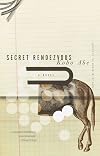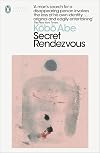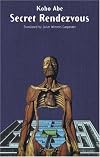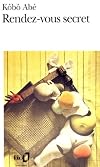
Secret Rendezvous
by Kōbō Abe
On This Page
Description
From the acclaimed author of "Woman in the Dunes" comes Secret Rendezvous,"" the bizarrely erotic and comic adventures of a man searching for his missing wife in a mysteriously vast underground hospital.From the moment that an ambulance appears in the middle of the night to take his wife, who protests that she is perfectly healthy, her bewildered husband realizes that things are not as they should be. His covert explorations reveal that the enormous hospital she was taken to is home to a show more network of constant surveillance, outlandish sex experiments, and an array of very odd and even violent characters. Within a few days, though no closer to finding his wife, the unnamed narrator finds himself appointed the hospital's chief of security, reporting to a man who thinks he's a horse. With its nightmarish vision of modern medicine and modern life, Secret Rendezvous is another masterpiece from Japan's most gifted and original writer of serious fiction. show lessTags
Recommendations

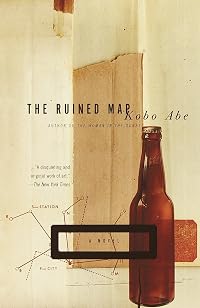
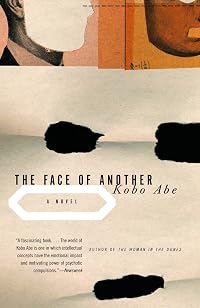












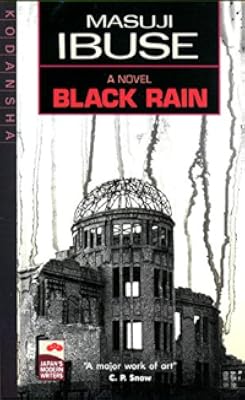

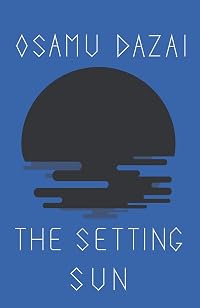

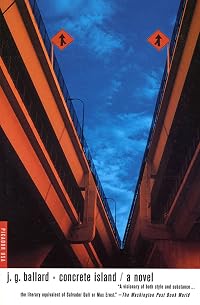

Member Recommendations
CGlanovsky A man in search of his wife who has become embroiled in a bizarre medical conspiracy
Member Reviews
A woman is taken away in the middle of the night by ambulance, although she is not ill. Her husband traces her to a huge, underground hospital and finds that she disappeared from reception before being officially admitted. No one is prepared to tell the man where his wife has gone. Is she lost or imprisoned in the labyrinths of the hospital? Is she dead? Has she escaped? Has she arranged her own disappearance? The man is employed by a bizarre individual, who seems to be half man, half horse, to find the woman. The man must report his investigation in a journal, which has to be written in the third person. The book consists of the man's three journals.
Secret Rendezvous seems to be operating on many levels. (I say "seems' because I'm not show more at all sure what I've just read.) There's the aspect of surveillance, with the hospital full of bugs and hidden cameras that send data to a central security system. There's an indictment of a hospital system where patients enter and cannot leave, doctors tout for business and recruit patients to specialties without reference to their symptoms, doctors and nurses use patients for their own entertainment and perform strange sexual experiments on them; the head of security sells the tapes for profit. There's a confusion of identities, an inability to know who people really are: a man who acts as though he is a horse, who is actually a doctor and the deputy director; doctors who are patients and patients who are doctors; a girl whose shape changes because of a bone disease; the man's wife, who might not be the woman he thought he knew. There's a thread about masculinity and erections, femininity and orgasms, and an awful lot of masturbation. Some reviews describe this as an erotic novel, but with all this sex being about violent experimentation and power machinations, it didn't seem that way to me.
Reading Secret Rendezvous was like being plunged into someone's nightmare. I felt the claustrophobia, the panic, the confusion and the powerlessness, but I didn't quite understand what was going on. show less
Secret Rendezvous seems to be operating on many levels. (I say "seems' because I'm not show more at all sure what I've just read.) There's the aspect of surveillance, with the hospital full of bugs and hidden cameras that send data to a central security system. There's an indictment of a hospital system where patients enter and cannot leave, doctors tout for business and recruit patients to specialties without reference to their symptoms, doctors and nurses use patients for their own entertainment and perform strange sexual experiments on them; the head of security sells the tapes for profit. There's a confusion of identities, an inability to know who people really are: a man who acts as though he is a horse, who is actually a doctor and the deputy director; doctors who are patients and patients who are doctors; a girl whose shape changes because of a bone disease; the man's wife, who might not be the woman he thought he knew. There's a thread about masculinity and erections, femininity and orgasms, and an awful lot of masturbation. Some reviews describe this as an erotic novel, but with all this sex being about violent experimentation and power machinations, it didn't seem that way to me.
Reading Secret Rendezvous was like being plunged into someone's nightmare. I felt the claustrophobia, the panic, the confusion and the powerlessness, but I didn't quite understand what was going on. show less
At a little after four o’clock one morning an ambulance, lights and siren going, arrives at the narrator’s home to take his wife away. She’s in perfect health and doesn’t need one; but they carry her out on a stretcher anyway and, stupidly, the man doesn’t go with her. As the hours pass and the phone doesn’t ring it slowly dawns on him that, in effect, she’s been carried off only half-dressed by two masked strangers, and now seems to have completely disappeared. Having eventually tracked down the correct hospital, he finds no trace of her there—in fact they deny she was ever admitted.
Then it all starts to get strange. The “hospital” (if it actually is one) is partly derelict and partly underground, is being show more run by a man who is experimenting himself and, within days, the narrator has not only become its head of security, but is handed three reels of audiotape to analyse. What’s on them is a series of wire-tapped phone calls and bugged conversations…of himself. Attempting (or apparently attempting) to find his vanished wife, he’s instead being told to investigate himself: the clues to his wife’s disappearance may lie in his own behaviour. All this leaves the reader (or left this reader anyway) wondering: did she really “disappear” like this, or was it an ingenious way of getting rid of her? Or did the lady herself set the whole thing up? Does the narrator even have a wife at all? Is he nuts?
Kōbō Abe’s The Woman in the Dunes (1964) is wonderfully odd, The Box Man (1973) a fiendishly intricate and deeply peculiar masterpiece—and I was hoping for something similar here. And maybe that is what it is. Secret Rendezvous (1977) probably is an even more extreme example of the same kind of thing—its narrator not so much “unreliable” as creepily mad, and much of what he’s telling us a mix of half-truths, fantasies and outright lies. The sort of thing I like working out usually, and yet… Maybe it was the sex (what was shocking four decades ago, in Japan, no longer so) or an author trying too hard to live up to his reputation (in his day he was that country’s most successful novelist). The opening was promising enough; but for me, even after a reread, the rest dragged badly. show less
Then it all starts to get strange. The “hospital” (if it actually is one) is partly derelict and partly underground, is being show more run by a man who is experimenting himself and, within days, the narrator has not only become its head of security, but is handed three reels of audiotape to analyse. What’s on them is a series of wire-tapped phone calls and bugged conversations…of himself. Attempting (or apparently attempting) to find his vanished wife, he’s instead being told to investigate himself: the clues to his wife’s disappearance may lie in his own behaviour. All this leaves the reader (or left this reader anyway) wondering: did she really “disappear” like this, or was it an ingenious way of getting rid of her? Or did the lady herself set the whole thing up? Does the narrator even have a wife at all? Is he nuts?
Kōbō Abe’s The Woman in the Dunes (1964) is wonderfully odd, The Box Man (1973) a fiendishly intricate and deeply peculiar masterpiece—and I was hoping for something similar here. And maybe that is what it is. Secret Rendezvous (1977) probably is an even more extreme example of the same kind of thing—its narrator not so much “unreliable” as creepily mad, and much of what he’s telling us a mix of half-truths, fantasies and outright lies. The sort of thing I like working out usually, and yet… Maybe it was the sex (what was shocking four decades ago, in Japan, no longer so) or an author trying too hard to live up to his reputation (in his day he was that country’s most successful novelist). The opening was promising enough; but for me, even after a reread, the rest dragged badly. show less
I have finished [Secret Rendezvous] just now which was simultaneously mesmerizing and confounding, fairly typical of Abe. Having turned the last page, I started thinking about what it was I had just read and what it all meant and I found that to understand this book, I had to compare it to other Abe works. Thus, my review might turn more into an essay as I compare it briefly to [Face of Another] and [The Box Man]. Although I don't believe Abe really has "spoilers" as he does not write in a traditional way, I do warn that this review(/essay) will refer to specific plot points and will offer my idea of what the book is about, which might skew your own thoughts if you choose to read the book yourself. If you do decide to continue reading, show more I hope you find what will probably become a rambling, interesting.
------
The back of the book and most other internet users will summarize the book as such: An ambulance arrives uncalled in the middle of the night to take away a man's wife despite her claims that she is perfectly fine. The unnamed protagonist is left to find her, but when he arrives at the hospital things are atypical of a hospital visit. In his attempt to find his wife, the man becomes employed by a horse as chief of security and tunnels his way through the labyrinth of a hospital to find her. As he searches, he becomes entwined with slues of strange characters, voyeur to sexual experiments and falls to a sort of mental manipulation. The quote on the back of the book states that this is Abe's "nightmarish vision of modern medicine and modern life". Others on the internet appreciate the feel of the novel but some are not quite sure what they have just read.
This is where I look at his other works to understand, or at least, to attempt.
Abe, as I have come to understand him, likes to write about identity and the preservation of, or, destruction of identity within and outside the parameters of society. With [Face of Another] he explored the idea of the face and the face's physical influence on identity. When the character's face was destroyed, he was left to either rebuild his same face and recreate his once persona, or build a new face and attempt to create a new persona. But it was up to society to decide which persona was allowed to come out. In [The Box Man], Abe once again explored the idea of identity when the character wished to escape the eyes of society and limit his world to that of a box. Initially he was doing fine until society knocked on his box trying to shake him out of what was considered un-society-like, thus creating a character trying to kill him. [Secret Rendezvous] is really just a retelling of these similar themes.
Presentation of the book as a series of notebooks.
The wife.
A character set to kill the main character or to shake him and bring him back into the eyes of "regular" society.
An enclosure where the character is constantly running, escaping.
All in all it comes to the same. The character, once a working member of society, has fallen prey to some sort of accident. In this case, an incident based on self repression of sexual thought due to wanting to fit into societal norms despite a strong sexual appetite. As often happens when people fall ill to what is considered atypical and not part of the norm, he becomes an outcast and starts to fall more into delinquency until in the end, he loses his own identity. And the book is his quest to find it and to return to normal (represented by his wife, who has most likely left him in real life). However, in his quest to find himself he just progressively loses himself even more until the hospital remains this perpetual labyrinth where toilets turn into secret passageways and festivals are actually secret plots and elevators don't seem to go to the second floor. Abe gives many hints to the reader about where reality is to be found. He often quotes "Doctors make the best patients and patients the best doctors", and just like the horse tells the man (as the protagonist is called) that the secret of his dilemma lies in the first part of the tapes he has to listen to, the secret of the book likes in the first page: the realistic introduction of the characters and his hobbies as might be written in the page of a doctor's notebook. More importantly, the notebook of a doctor based in psychiatry. And the notebooks of the character are really an attempt by the doctor to find the source of his patient's problems by having the patient investigate himself.
With this I just find it truly amazing what Abe can present. At the same time, presenting the downfall of a character while showing the limitations of a society when presented with the extremes of society's pleasures, in this case, sexual desire. In the wanting of society to dumb down and bring modesty to sexual desire and lust, and the wanting of science to understand where it comes from, both lose their ability to see it as its most basic form. And when something becomes taboo, extremes are formed which causes even more confusion and desire.
So Abe's ability to show how identity shapes society and vice versa is just remarkable and it's what makes me such a fan. I can't wait till the next one. show less
------
The back of the book and most other internet users will summarize the book as such: An ambulance arrives uncalled in the middle of the night to take away a man's wife despite her claims that she is perfectly fine. The unnamed protagonist is left to find her, but when he arrives at the hospital things are atypical of a hospital visit. In his attempt to find his wife, the man becomes employed by a horse as chief of security and tunnels his way through the labyrinth of a hospital to find her. As he searches, he becomes entwined with slues of strange characters, voyeur to sexual experiments and falls to a sort of mental manipulation. The quote on the back of the book states that this is Abe's "nightmarish vision of modern medicine and modern life". Others on the internet appreciate the feel of the novel but some are not quite sure what they have just read.
This is where I look at his other works to understand, or at least, to attempt.
Abe, as I have come to understand him, likes to write about identity and the preservation of, or, destruction of identity within and outside the parameters of society. With [Face of Another] he explored the idea of the face and the face's physical influence on identity. When the character's face was destroyed, he was left to either rebuild his same face and recreate his once persona, or build a new face and attempt to create a new persona. But it was up to society to decide which persona was allowed to come out. In [The Box Man], Abe once again explored the idea of identity when the character wished to escape the eyes of society and limit his world to that of a box. Initially he was doing fine until society knocked on his box trying to shake him out of what was considered un-society-like, thus creating a character trying to kill him. [Secret Rendezvous] is really just a retelling of these similar themes.
Presentation of the book as a series of notebooks.
The wife.
A character set to kill the main character or to shake him and bring him back into the eyes of "regular" society.
An enclosure where the character is constantly running, escaping.
All in all it comes to the same. The character, once a working member of society, has fallen prey to some sort of accident. In this case, an incident based on self repression of sexual thought due to wanting to fit into societal norms despite a strong sexual appetite. As often happens when people fall ill to what is considered atypical and not part of the norm, he becomes an outcast and starts to fall more into delinquency until in the end, he loses his own identity. And the book is his quest to find it and to return to normal (represented by his wife, who has most likely left him in real life). However, in his quest to find himself he just progressively loses himself even more until the hospital remains this perpetual labyrinth where toilets turn into secret passageways and festivals are actually secret plots and elevators don't seem to go to the second floor. Abe gives many hints to the reader about where reality is to be found. He often quotes "Doctors make the best patients and patients the best doctors", and just like the horse tells the man (as the protagonist is called) that the secret of his dilemma lies in the first part of the tapes he has to listen to, the secret of the book likes in the first page: the realistic introduction of the characters and his hobbies as might be written in the page of a doctor's notebook. More importantly, the notebook of a doctor based in psychiatry. And the notebooks of the character are really an attempt by the doctor to find the source of his patient's problems by having the patient investigate himself.
With this I just find it truly amazing what Abe can present. At the same time, presenting the downfall of a character while showing the limitations of a society when presented with the extremes of society's pleasures, in this case, sexual desire. In the wanting of society to dumb down and bring modesty to sexual desire and lust, and the wanting of science to understand where it comes from, both lose their ability to see it as its most basic form. And when something becomes taboo, extremes are formed which causes even more confusion and desire.
So Abe's ability to show how identity shapes society and vice versa is just remarkable and it's what makes me such a fan. I can't wait till the next one. show less
Para todos los que dicen que lo valioso del libro es haber sido tan atrevido en los 70': al contrario. En esa época hubo varios autores que escribían desde un lugar de provocación exacerbada. Tenés a Carlos Catania, tenés a Charles Bukowski, tenés en cierta medida a Silvina Ocampo. El tema es que hoy alguien que intenta hacer eso nos parece un pelotudo, pero en los 70' la crítica especializada más bien se dejaba llevar por estas cosas, que tenían un peso muy distinto, tal vez más valioso.
En cuanto al libro, me parece una buena aventura Kafkiana en torno la corrosión del papel de la sexualidad. Ahora: cuál es la alegoría, o si hay una, no tengo ni la menor idea. De lo que no estoy seguro es de la traducción que hizo Eterna show more Cadencia. Por momentos perdí el hilo de lo que ocurría y no me parece que tuviera que ver con un exceso de cripticidad por parte de este buen hombre.
Duda: ¿es toda la literatura japonesa fetish art? Sospecha: tal vez. show less
En cuanto al libro, me parece una buena aventura Kafkiana en torno la corrosión del papel de la sexualidad. Ahora: cuál es la alegoría, o si hay una, no tengo ni la menor idea. De lo que no estoy seguro es de la traducción que hizo Eterna show more Cadencia. Por momentos perdí el hilo de lo que ocurría y no me parece que tuviera que ver con un exceso de cripticidad por parte de este buen hombre.
Duda: ¿es toda la literatura japonesa fetish art? Sospecha: tal vez. show less
For those of you familiar with the works of Kobo Abe, be prepared for another wild ride in Secret Rendevous. Our narrator, "the man", is in search of his wife. She had been transported away from home by ambulance in the middle of the night although no one reported a medical emergency nor had anything been wrong with her. In the morning, "the man" decides to follow up on his wife's mysterious disappearance.
"The man" finds the hospital into which he believes his wife disappeared and begins more earnest attempts to find her. His search is bizarre. He is told by his friend, "the horse", to keep a notebook of his quest and record himself in the third person (hence "the man"). What ensues is a strange, sexy, almost funny search through a show more hospital which we soon realize is actually some sort of a labyrinth.
This book is divided into three notebooks and an epilogue. You probably will have no idea what's going on until you begin the third notebook. It's all very confusing, but I think I did well in trying to understand it. I've given up trying to understand Abe's works while I read them, however I find them to be exceptionally well written, detailed, and of great interest.
Is this novel a social satire? I don't know. As in The Woman in the Dunes and The Box Man, two other works of Abe which I found intriguing, this is a genuinely fun work to attempt to decipher. Try it! show less
"The man" finds the hospital into which he believes his wife disappeared and begins more earnest attempts to find her. His search is bizarre. He is told by his friend, "the horse", to keep a notebook of his quest and record himself in the third person (hence "the man"). What ensues is a strange, sexy, almost funny search through a show more hospital which we soon realize is actually some sort of a labyrinth.
This book is divided into three notebooks and an epilogue. You probably will have no idea what's going on until you begin the third notebook. It's all very confusing, but I think I did well in trying to understand it. I've given up trying to understand Abe's works while I read them, however I find them to be exceptionally well written, detailed, and of great interest.
Is this novel a social satire? I don't know. As in The Woman in the Dunes and The Box Man, two other works of Abe which I found intriguing, this is a genuinely fun work to attempt to decipher. Try it! show less
Secret Rendezvous is one of Kobo Abe's lesser known novels. It is however still a superb novel from one of Japan's postmodern masters. The story opens with a man and a horse man. The horse man will be developed much later, but we our focus is the man. The narrative takes the shape of three "notebooks" representing his memories of the events surrounding his wife's disappearance, and the bizarre hospital where she was taken. The symbol of his wife being taken away by ambulance while protesting that she is healthy invokes a real sense of fascism. There are many undercurrents, but this theme will be revisited time and time again throughout the novel, the power of doctors and health providers over patients.
Kobo Abe has achieved with Secret show more Rendezvous what William Burroughs had attempted for much of his career: a surreal examination of the psychosexual nature of power structures. This is as strange as anything that Burroughs had ever conceived of. Abe works from that same sense of otherness, but with much less of a prurient nature. Whereas Burroughs seemed to want to challenge the puritans and conformists of the 50's Abe doesn't seem to care. This distance from your reaction allows the novel to unfold with a much more natural feel. The sex and surrealism floats off the pages delicately, not ripping forward like Burroughs.
Abe's use of language aids this more delicate touch. Japanese, even in translation, is a language of poetry and metaphor. Abe uses this to bring you into the depths of the character. In a scene set in an underground wing of the hospital, the scene comes to life slowly like a boiling teapot. By the end of the description Abe has given birth to a scene so real that you can smell the earthiness. While this novel is quite troubling in some parts, in others funny, and the mood twists and turns with the unnamed man's journey. Abe is not for the easily offended, or those who seek conventional literature. However he is a master at surrealism that feels natural, as if this reality, however twisted, is just how it should be.
http://pissandvinegar.vox.com/library/post/secret-rendezvous-by-kobo-abe.html show less
Kobo Abe has achieved with Secret show more Rendezvous what William Burroughs had attempted for much of his career: a surreal examination of the psychosexual nature of power structures. This is as strange as anything that Burroughs had ever conceived of. Abe works from that same sense of otherness, but with much less of a prurient nature. Whereas Burroughs seemed to want to challenge the puritans and conformists of the 50's Abe doesn't seem to care. This distance from your reaction allows the novel to unfold with a much more natural feel. The sex and surrealism floats off the pages delicately, not ripping forward like Burroughs.
Abe's use of language aids this more delicate touch. Japanese, even in translation, is a language of poetry and metaphor. Abe uses this to bring you into the depths of the character. In a scene set in an underground wing of the hospital, the scene comes to life slowly like a boiling teapot. By the end of the description Abe has given birth to a scene so real that you can smell the earthiness. While this novel is quite troubling in some parts, in others funny, and the mood twists and turns with the unnamed man's journey. Abe is not for the easily offended, or those who seek conventional literature. However he is a master at surrealism that feels natural, as if this reality, however twisted, is just how it should be.
http://pissandvinegar.vox.com/library/post/secret-rendezvous-by-kobo-abe.html show less
Un libro que en teoría es muy bueno, destripado por una pésima traducción.
Comencé a leer "Encuentro secretos" a principios del mes de noviembre. Debo admitir que no esperaba nada bueno del libro, porque no suelo "hacer clic" con los libros escritos por hombres entre los 1960's y 1975. No me gusta la literatura de la ruptura. Pero este libro se suponía que era una comedia, así que le dí la oportunidad... craso error.
Estuve estudiando japonés durante más de tres años, y viví en Japón por más de 6 meses, así que tengo una idea de cómo es la cultura japonesa y cuales son sus bases. No leo japonés porque no se me pegan los kanjis, pero hablo el japonés suficiente para poder defenderme y entender dónde está el baño cuando show more me dan las instrucciones de cómo llegar a él. Bueno, pues este libro no fue traducido del japonés al español. Se nota a leguas que primero lo tradujeron del japonés al inglés, y después del inglés a español, y entre esas dos "traducciones" se perdió un mundo de significados entre líneas y juegos de palabras. Lo que quedó no es una comedia, y no refleja el pensamiento japonés; es un galimatías que ni describe la sociedad japonesa, ni describe la occidental. Y claro, no se burla de ninguna de las dos.
Llegué a la tercera parte del libro (hasta finalizar el "Primer Cuaderno", o lo que es lo mismo, al 33% del ebook) y no pude seguir. Lo que nos venden como "Encuentros secretos" es un recuento sin pies de cabeza, deprimente y aburrido, de lo que vive un hombre al no acompañar a su esposa cuando una ambulancia se la lleva sin tener una razón para hacerlo. Si quiero deprimirme con un libro, hay mejores opciones allá afuera, que no me engañan en cuanto a de qué se trata la historia. show less
Comencé a leer "Encuentro secretos" a principios del mes de noviembre. Debo admitir que no esperaba nada bueno del libro, porque no suelo "hacer clic" con los libros escritos por hombres entre los 1960's y 1975. No me gusta la literatura de la ruptura. Pero este libro se suponía que era una comedia, así que le dí la oportunidad... craso error.
Estuve estudiando japonés durante más de tres años, y viví en Japón por más de 6 meses, así que tengo una idea de cómo es la cultura japonesa y cuales son sus bases. No leo japonés porque no se me pegan los kanjis, pero hablo el japonés suficiente para poder defenderme y entender dónde está el baño cuando show more me dan las instrucciones de cómo llegar a él. Bueno, pues este libro no fue traducido del japonés al español. Se nota a leguas que primero lo tradujeron del japonés al inglés, y después del inglés a español, y entre esas dos "traducciones" se perdió un mundo de significados entre líneas y juegos de palabras. Lo que quedó no es una comedia, y no refleja el pensamiento japonés; es un galimatías que ni describe la sociedad japonesa, ni describe la occidental. Y claro, no se burla de ninguna de las dos.
Llegué a la tercera parte del libro (hasta finalizar el "Primer Cuaderno", o lo que es lo mismo, al 33% del ebook) y no pude seguir. Lo que nos venden como "Encuentros secretos" es un recuento sin pies de cabeza, deprimente y aburrido, de lo que vive un hombre al no acompañar a su esposa cuando una ambulancia se la lleva sin tener una razón para hacerlo. Si quiero deprimirme con un libro, hay mejores opciones allá afuera, que no me engañan en cuanto a de qué se trata la historia. show less
Members
- Recently Added By
Lists

Reading LIst
648 works; 1 member
Talk Discussions
Past Discussions
Secret Rendezvous by Kobo Abe in Author Theme Reads (May 2013)
Author Information

85+ Works 9,155 Members
Kobo Abe is the pseudonym of Kimifusa Abe, who was born in Tokyo, Japan on March 7 1924. He was brought up in Manchuria where he lived with his father, a doctor of the hosipital attached to the Imperial Medical Colledge of Manchuria. In elementary school, he was educated in the experimental way, in which a teacher trained children to debating and show more rapid reading. Abe went back to Tokyo and went to Sejo Koko High School, a famous private school. He was later admitted to the faculty of medicine of Tokyo University. In 1944, Abe heard that Japan would lose the war before long and he forged a medical certificate to get home to Manchuria. He earned his medical degree in 1948, but never practiced. After graduation he began his writing career and became a member of a literary group led by Kiyoteru Hamada. Often compared to Kafka , he treated the contemporary human predicament in a realistic yet symbolic style. In 1951 he got the Akutagawa Award by his first masterpiece, Kabe (The Walls). Among Abe's novels are Woman in the Dunes, published in 1962 and made into a film in 1964, and his best-known work, Secret Rendezvous. His plays include Friends, published in 1967. The first of his short stories to appear in English were collected in Beyond the Curve, 1944-66. Abe died in 1993. (Bowker Author Biography) show less
Some Editions
Awards and Honors
Distinctions
The Guardian Book of the Day (2020-11-17)
Series
Belongs to Publisher Series
Common Knowledge
- Canonical title
- Secret Rendezvous
- Original title
- 密会
- Original publication date
- 1977 (original Japanese) (original Japanese); 1979 (English translation) (English translation); 1985 (French translation) (French translation)
- Epigraph
- Love for the weak always includes a certain murderous intent.
- First words
- Thin at a glance, but muscular.
- Last words
- (Click to show. Warning: May contain spoilers.)Embracing a tender, secret rendezvous for one...
Classifications
- Genres
- General Fiction, Fiction and Literature
- DDC/MDS
- 813 — Literature & rhetoric American literature in English American fiction in English
- LCC
- PL845 .B4 .M5413 — Language and Literature Languages and literatures of Eastern Asia, Africa, Oceania Languages of Eastern Asia, Africa, Oceania Japanese language and literature Japanese literature Individual authors and works
- BISAC
Statistics
- Members
- 538
- Popularity
- 55,530
- Reviews
- 8
- Rating
- (3.46)
- Languages
- 6 — English, French, Italian, Japanese, Polish, Spanish
- Media
- Paper, Ebook
- ISBNs
- 16
- UPCs
- 1
- ASINs
- 1