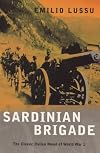
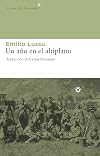
Sardinian Brigade
by Emilio Lussu
On This Page
Description
A rediscovered Italian masterpiece chronicling the author's experience as an infantryman, newly translated and reissued to commemorate the centennial of World War I. Taking its place alongside works by Ernst JYnger, Robert Graves, and Erich Maria Remarque, Emilio Lussu's memoir is one of the most affecting accounts to come out of the First World War. A classic in Italy but virtually unknown in the English-speaking world, it reveals, in spare and detached prose, the almost farcical side of show more the war as seen by a Sardinian officer fighting the Austrian army on the Asiago plateau in northeastern Italy, the alpine front so poignantly evoked by Ernest Hemingway in A Farewell to Arms. For Lussu, June 1916 to July 1917 was a year of continuous assaults on impregnable trenches, absurd missions concocted by commanders full of patriotic rhetoric and vanity but lacking in tactical skill, and episodes often tragic and sometimes grotesque, where the incompetence of his own side was as dangerous as the attacks waged by the enemy. A rare firsthand account of the Italian front, Lussu's memoir succeeds in staging a fierce indictment of the futility of war in a dry, often ironic style that sets his tale wholly apart from the Western Front of Remarque and adds an astonishingly modern voice to the literature of the Great War. show lessTags
Recommendations






















Member Reviews
Lussu fought during the whole of WWI with the Sardinian “Sassari Brigade”, one of the most famous infantry brigades in the Italian army, one continually called upon to take part in the most serious fighting. Lussu was twice promoted in the field, won four medals for military valour, and was once seriously wounded. This memoir is poignant, angry, descriptive, despairing, hopeful, and sensitive; Lussu writes on a great and tragic theme: the ability and the willingness of men to make war and to die. It is astonishing that Lussu survived the entire war on active service; this would be notable on any front, but in his new book, The White War: Life and Death on the Italian Front, 1915-1919, Mark Thompson notes that the Italians lost more show more troops fighting in the mountains than the British did on the western front. This is not well known.
Anyone familiar with the literature of WWI (Sassoon, Blunden, Owen, Graves, Remarque, Aldington, Manning, Mottram), not to mention miles of bookshelves of histories, is familiar with the frequent incompetence and poor planning of military leaders, with the waves of men treated as nothing better than cannon fodder when soldiers were forced to attack in impossible situations, sometimes to win a trench against all odds, only to have to retire from it that night because the rest of the front did not move. The Italian experience, as described by Lussu, is heartbreaking in its description of the extremes of these experiences. Drinking brandy seems to have been a commonplace amongst the officer core (except for some wine when available, Lussu stood out as a teetotaler), with many getting through their days and the horrors of the war drunk. Some senior offices, in particular one commanding general, were barking mad and should not have been in charge of organizing an afternoon stroll in the park, much less military initiatives involving the lives of thousands. Some became mad because of their experiences in the war while others seem to have come to the war that way; but the system would never let incompetence and incapacity stand in the way of connections, noble birth, and good breeding.
The slaughters on the western front were bad enough, but on the Italian-Austrian front they were so extreme that on six different occasions (according to Thompson), sickened by the killing, the Austrians actually stopped shooting and urged the Italians to desist, to go back to their lines. Lussu describes one such occurrence when the Austrians stopped firing, stood on their parapets and waved the Italians back, crying out, “That’s enough! You’re brave men. Don’t let yourselves be shot down like this!”….and meanwhile the mad General Leone was continually urging his troops forward. The same General Leone thought he had a marvelous idea that would sweep aside the Austrian infantry: Farina cuirasses, heavy steel armour that covered a soldier from head to below his knees; of course these had proven ineffective in previous attempts (but General Leone believed in an improved product), of course they were extremely heavy so the soldiers could hardly move at even a walking pace, especially over the rough ground, and of course they were useless with the soldiers cut down, “as if they were wearing cotton shirts” before they even got past their own wire. It is surreal and would make you laugh if it weren’t flesh and blood under the useless steel, a son, a boyfriend, a man who wants to live as much as the next one and whose life is thrown away as casually as one might step on a bug.
Lussu describes all of this, and more madness, but he also describes the things that kept men sane and that demonstrate, again and again, the ability to recover, to recuperate and the willingness to return to the front: friendships, respect for some, a sense of duty despite the madness, leave, however short, in a village with normal people and women, moments lying on your back on a warm spring day with a friend because, as Sassoon said, “…a blackbird song cries aloud that April cannot understand what war means.” show less
Anyone familiar with the literature of WWI (Sassoon, Blunden, Owen, Graves, Remarque, Aldington, Manning, Mottram), not to mention miles of bookshelves of histories, is familiar with the frequent incompetence and poor planning of military leaders, with the waves of men treated as nothing better than cannon fodder when soldiers were forced to attack in impossible situations, sometimes to win a trench against all odds, only to have to retire from it that night because the rest of the front did not move. The Italian experience, as described by Lussu, is heartbreaking in its description of the extremes of these experiences. Drinking brandy seems to have been a commonplace amongst the officer core (except for some wine when available, Lussu stood out as a teetotaler), with many getting through their days and the horrors of the war drunk. Some senior offices, in particular one commanding general, were barking mad and should not have been in charge of organizing an afternoon stroll in the park, much less military initiatives involving the lives of thousands. Some became mad because of their experiences in the war while others seem to have come to the war that way; but the system would never let incompetence and incapacity stand in the way of connections, noble birth, and good breeding.
The slaughters on the western front were bad enough, but on the Italian-Austrian front they were so extreme that on six different occasions (according to Thompson), sickened by the killing, the Austrians actually stopped shooting and urged the Italians to desist, to go back to their lines. Lussu describes one such occurrence when the Austrians stopped firing, stood on their parapets and waved the Italians back, crying out, “That’s enough! You’re brave men. Don’t let yourselves be shot down like this!”….and meanwhile the mad General Leone was continually urging his troops forward. The same General Leone thought he had a marvelous idea that would sweep aside the Austrian infantry: Farina cuirasses, heavy steel armour that covered a soldier from head to below his knees; of course these had proven ineffective in previous attempts (but General Leone believed in an improved product), of course they were extremely heavy so the soldiers could hardly move at even a walking pace, especially over the rough ground, and of course they were useless with the soldiers cut down, “as if they were wearing cotton shirts” before they even got past their own wire. It is surreal and would make you laugh if it weren’t flesh and blood under the useless steel, a son, a boyfriend, a man who wants to live as much as the next one and whose life is thrown away as casually as one might step on a bug.
Lussu describes all of this, and more madness, but he also describes the things that kept men sane and that demonstrate, again and again, the ability to recover, to recuperate and the willingness to return to the front: friendships, respect for some, a sense of duty despite the madness, leave, however short, in a village with normal people and women, moments lying on your back on a warm spring day with a friend because, as Sassoon said, “…a blackbird song cries aloud that April cannot understand what war means.” show less
1186. Sardinian Brigade, by Emilio Lussu (30 Sep 2002) I read this because it is listed as a great novel or memoir of World War One.. It is an account of experiences on the Italian-Austrian front in World War One. I found it an odd book--I found myself laughing uncontrollably over some of the incidents related: e.g., the grotesque behavior of Generals Leone and Piccolomini. Really the book is not funny, of course, but an accurate insight into war horror. It was a worth reading book.
Fantastic - funny at times, but another WWI book that speaks of the disillusionment and the tragedy of that war.
Edizione scolastica
A volte leggo libri che non mi ispirano per nulla: Un anno sull'Altipiano rientra tra questi. A volte mi pento di non aver dato ascolto al mio fiuto di lettrice, mentre altre sono contenta di aver fatto il bastian contrario di me stessa, e con Un anno sull'Altipiano è andata proprio così.
Un anno sull'Altipiano è una cronaca autobiografica di ciò che è accaduto a Emilio Lussu sull'Altipiano di Asiago durante la Prima Guerra Mondiale, tra il giugno 1916 e il luglio 1917. Più volte nel corso del romanzo Lussu ci ricorda che sta riportando cosa è accaduto di notabile e che preferisce tacere invece di riempirci di vuote parole.
È difficile trovare buoni romanzi sulla guerra: troppo spesso sono esagerati con un sacco di dramma che show more vuole genericamente convincerti che la guerra è brutta e che tutt* dovremmo promuovere la pace. Sì, bene, clap, clap, peccato che queste sparate non rendano affatto l'idea (sempre che ci si possa fare un'idea di una situazione così estrema come la guerra).
Lussu invece racconta semplicemente dei fatti, senza enfatizzarli, perché è già tutto insensato, squallido e folle senza bisogno di rimarcare il concetto. Quindi Lussu ci racconta di uomini disperati che vanno avanti ad alcol e cioccolato, di ufficiali che hanno smarrito la loro lucidità e razionalità e di quanto sia difficile mantenere la propria umanità, ma di come questa ti colga all'improvviso, lasciandoti senza fiato.
Due parole infine per Avellini, protagonista di uno dei momenti più drammatici dell'intero romanzo. È una di quelle scene che vi si ficcano in testa e rimangono lì, a esemplificare un intero romanzo e un'intera catastrofe – quella della guerra.
Non è vero che l'istinto di conservazione sia una legge assoluta della vita. Vi sono dei momenti, in cui la vita pesa più dell'attesa della morte. show less
Un anno sull'Altipiano è una cronaca autobiografica di ciò che è accaduto a Emilio Lussu sull'Altipiano di Asiago durante la Prima Guerra Mondiale, tra il giugno 1916 e il luglio 1917. Più volte nel corso del romanzo Lussu ci ricorda che sta riportando cosa è accaduto di notabile e che preferisce tacere invece di riempirci di vuote parole.
È difficile trovare buoni romanzi sulla guerra: troppo spesso sono esagerati con un sacco di dramma che show more vuole genericamente convincerti che la guerra è brutta e che tutt* dovremmo promuovere la pace. Sì, bene, clap, clap, peccato che queste sparate non rendano affatto l'idea (sempre che ci si possa fare un'idea di una situazione così estrema come la guerra).
Lussu invece racconta semplicemente dei fatti, senza enfatizzarli, perché è già tutto insensato, squallido e folle senza bisogno di rimarcare il concetto. Quindi Lussu ci racconta di uomini disperati che vanno avanti ad alcol e cioccolato, di ufficiali che hanno smarrito la loro lucidità e razionalità e di quanto sia difficile mantenere la propria umanità, ma di come questa ti colga all'improvviso, lasciandoti senza fiato.
Due parole infine per Avellini, protagonista di uno dei momenti più drammatici dell'intero romanzo. È una di quelle scene che vi si ficcano in testa e rimangono lì, a esemplificare un intero romanzo e un'intera catastrofe – quella della guerra.
Non è vero che l'istinto di conservazione sia una legge assoluta della vita. Vi sono dei momenti, in cui la vita pesa più dell'attesa della morte. show less
Sep 21, 2023Italian
Dalla primavera del 1916 a quella dell’anno successivo la brigata ‘Sassari’ fu spostata dal Carso all’Altopiano di Asiago per contrastare la pressione esercitata dagli austriaci nel perenne tentativo di raggiungere la pianura veneta. Il tenente Lussu segue il suo reparto e, vent’anni dopo i fatti, ne ricostruisce le vicende limitandosi a cambiare i nomi e a romanzare qualche riferimento: ne esce un diario di guerra esemplare nel mostrare l’insensatezza del conflitto e la criminale crudeltà dei comandi. L’autore era stato fervente interventista ed era partito volontario, ma già l’esperienza nella Venezia Giulia ne aveva mutato profondamente il modo di pensare: sebbene il trasferimento ad Asiago fosse stato visto in un show more primo momento come un sollievo rispetto alle pietraie carsiche, ben presto si accorge che anche la guerra di montagna viveva delle ormai ben consolidate atrocità. Ecco allora gli assalti allo scoperto sotto il fuoco dei mitraglieri nemici, l’artiglieria che prima non c’è e poi bombarda le proprie linee, la tragica farsa delle corazze che corazze non sono, le conquiste pagate a carissimo prezzo e abbandonate dopo una manciata di ore: Lussu ne racconta con un tono volutamente misurato e quasi dimesso che ha lo scopo di far risaltare l’assurdità della situazione. Con altrettanta efficacia è disegnata l’esperienza di trincea, segnata dalla paura costante, ma che, tra un’assalto e l’altro, finisce per scorrere con il suo ripetitivo tran-tran (peraltro punteggiato con costanza da morti e feriti) perché la vita continua persino nelle situazioni estreme: è notevole il contrasto con i pochi momenti di rilassamento vero vissuti dalle retrovie da uomini che sapevano di poter morire da un giorno all’altro, come nella scena del soldato appartato con una ragazza in cui l’autore letteralmente inciampa o nella rivalità del protagonista e del tenente Avellini per una giovane di buona famiglia. I rischi condivisi impongono a Lussu e ai suoi parigrado di stare sempre dalla parte della truppa considerata carne da macello contro alti comandi che superano volentieri il limite del sadismo e che vengono incarnati dal generale Leone nonché dal più subdolo suo successore Piccolomini: nell’esercito si riflettono così le distinzioni di classe presenti nella società, fino a spingere il tenente Ottolenghi alla rabbiosa e sconsolata considerazione che il vero nemico sta alle spalle. Quando lo scrittore e i non numerosi compagni che sono sopravvissuti ripartono le condizioni non sono in pratica mutate dal loro arrivo: un ‘pareggio’ costato migliaia di cadaveri – inclusi molti degli amici più cari – e raccontato in un libro che, grazie alla sua prospettiva dal basso, restituisce come forse nessun altro gli orrori dimenticati di una guerra per troppo tempo permeata di retorica. show less
Dec 1, 2016Italian
1
Members
- Recently Added By
Lists

Witness from the front: accounts of war, revolution, and strife
23 works; 5 members

Italian Literature
558 works; 42 members

I 100 migliori libri italiani degli ultimi 200 anni -- Opere fuori lista
40 works; 1 member
Author Information

26+ Works 569 Members
Some Editions
Awards and Honors
Notable Lists
Series
Belongs to Publisher Series
Work Relationships
Common Knowledge
- Canonical title
- Sardinian Brigade
- Original title
- Un anno sull'altipiano
- Original publication date
- 1939
- Important places*
- Altopiano di Asiago, Italia; Veneto, Italia; Italia
- Important events*
- Prima Guerra Mondiale
- Related movies
- Uomini contro (1970 | IMDb)
- First words*
- Alla fine maggio 1916, la mia brigata, reggimnti 399 e 400, stava ancora sul Carso.
- Quotations*
- Il lettore non troverà, in questo libro, né il romanzo, né la storia. Sono ricordi personali, riordinati alla meglio e limitati ad un anno, fra i quattro di guerra ai quali ho preso parte. Io non ho raccontato che quello c... (show all)he ho visto e mi ha maggiormente colpito. Non alla fantasia ho fatto appello, ma alla mia memoria; e i miei compagni d’arme, anche attraverso qualche nome trasformato, riconosceranno facilmente uomini e fatti. Io mi sono spogliato anche della mia esperienza successiva e ho rievocato la guerra così come noi l’abbiamo realmente vissuta, con le idee e i sentimenti d’allora. Non si tratta quindi di un lavoro a tesi: esso vuole essere solo una testimonianza italiana della grande guerra. Non esistono, in Italia, come in Francia, in Germania o in Inghilterra, libri sulla guerra. E anche questo non sarebbe stato mai scritto, senza un periodo di riposo forzato.
Clavadel-Davos - Last words*
- (Click to show. Warning: May contain spoilers.)La guerra ricominciava
- Original language*
- Italiano
*Some information comes from Common Knowledge in other languages. Click "Edit" for more information.
Classifications
Statistics
- Members
- 402
- Popularity
- 77,537
- Reviews
- 16
- Rating
- (4.18)
- Languages
- 7 — Catalan, English, French, German, Italian, Portuguese, Spanish
- Media
- Paper, Audiobook, Ebook
- ISBNs
- 23
- ASINs
- 11