
On This Page
Description
In an African convent, four nuns and an unidentified fifth woman are brutally murdered, and the death of the unknown woman is covered up by the local police. A year later in Sweden, Inspector Kurt Wallander is baffled and appalled by two strange murders. Holger Eriksson, a retired car dealer and bird watcher, is impaled on sharpened bamboo poles in a ditch behind his secluded home, while the body of a missing florist is discovered strangled and tied to a tree. The only clues Wallander has to show more go on are a skull, a diary, and a photo of three men. What ensues is a case that will test Wallander's strength and patience, for in order to solve these murders he will need to uncover their elusive connection to the earlier unsolved murder in Africa of the fifth woman. show lessTags
Recommendations





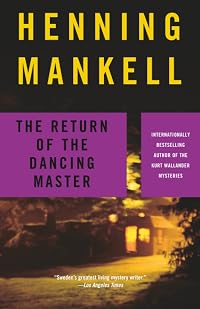

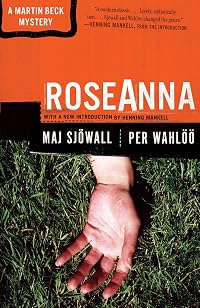







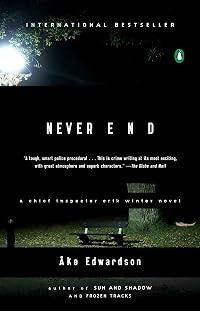
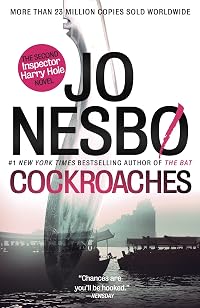
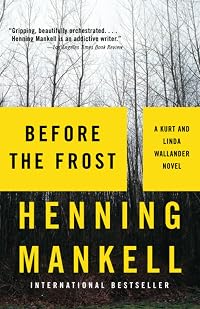







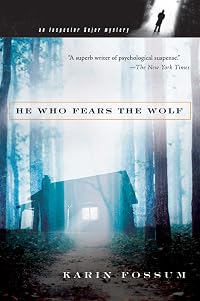
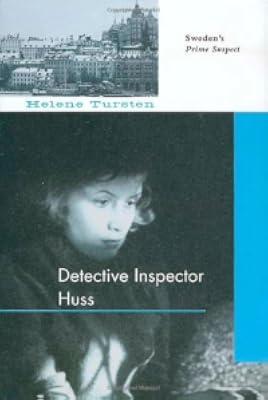
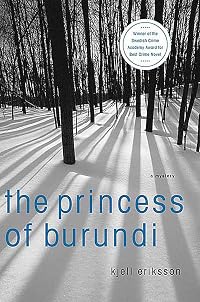



Member Recommendations

Member Reviews
WARNING: This review contains spoilers.
****
Another excellent Wallander book. If you liked Sidetracked, you'll probably like this one -- the murders are just about as creepy. Our first victim is found impaled on sharp bamboo stakes, and he essentially drowns from his lungs filling with blood. The second victim is held captive, weakened and then strangled while tied to a tree. The third victim is tied up in a sack and thrown in a lake to drown. None of them seem to be related -- but is there a connection?
As was the case in Sidetracked, we do have a vague idea of who the killer is, so the thrill of the chase is in watching the detectives' progress and gradually becoming enlightened as to the killer's identity and motivation. It's show more interesting when the killer's motivation is revealed and the reason the victims were chosen -- a bit of a moral dilemma while you wrestle the implications and your reaction. Is it justified to kill when the person you're killing is an abusive jerk? Wallander's colleagues also wrestle with this question, as well as the growing problem in the book of citizen militias that are springing up as a result of the crimes in Sidetracked and this book -- people taking justice into their own hands.
Wallander also grows a bit in this book. His father dies after they take Wallander Sr's long-awaited trip to Rome, so Wallander has to come to terms with the loss and his own mortality. He also ponders where he wants to go with the woman he's seeing, Baiba, and has to figure out his relationship with his daughter, who is now a young adult with her own life and opinions.
So overall this is a very good book, well translated, and the mood is very well established. Good plot, good characterization. The pace is rather slow, but then most investigations do tend to be slow, especially when there seems to be no logical connection. A recommended read for those who have read Sidetracked. show less
****
Another excellent Wallander book. If you liked Sidetracked, you'll probably like this one -- the murders are just about as creepy. Our first victim is found impaled on sharp bamboo stakes, and he essentially drowns from his lungs filling with blood. The second victim is held captive, weakened and then strangled while tied to a tree. The third victim is tied up in a sack and thrown in a lake to drown. None of them seem to be related -- but is there a connection?
As was the case in Sidetracked, we do have a vague idea of who the killer is, so the thrill of the chase is in watching the detectives' progress and gradually becoming enlightened as to the killer's identity and motivation. It's show more interesting when the killer's motivation is revealed and the reason the victims were chosen -- a bit of a moral dilemma while you wrestle the implications and your reaction. Is it justified to kill when the person you're killing is an abusive jerk? Wallander's colleagues also wrestle with this question, as well as the growing problem in the book of citizen militias that are springing up as a result of the crimes in Sidetracked and this book -- people taking justice into their own hands.
Wallander also grows a bit in this book. His father dies after they take Wallander Sr's long-awaited trip to Rome, so Wallander has to come to terms with the loss and his own mortality. He also ponders where he wants to go with the woman he's seeing, Baiba, and has to figure out his relationship with his daughter, who is now a young adult with her own life and opinions.
So overall this is a very good book, well translated, and the mood is very well established. Good plot, good characterization. The pace is rather slow, but then most investigations do tend to be slow, especially when there seems to be no logical connection. A recommended read for those who have read Sidetracked. show less
Wallander, Kriminalkommissar bei der Mordkommission im südschwedischen Ystad, ist ein wohltuend normaler Mann. Er schläft zuwenig und ißt zuviel Fastfood, er ist geschieden, hat Probleme mit seinem Vater, eine erwachsene Tochter und eine Freundin in Riga, er denkt mit Wehmut an die Zeit, in der man die Strümpfe noch stopfte, anstatt sie wegzuwerfen, und er ist zutiefst beunruhigt über die zunehmende Gewalt in seinem Distrikt. Gerade hat er eine Reihe besonders grausamer Morde aufzuklären, bei denen es selbst erfahrenen Polizisten kalt den Rücken hinunterläuft. Einen alten Mann findet man in einer Pfahlgrube aufgespießt, einen anderen halbverhungert, beinahe nackt an einen Baum gebunden und erwürgt. Ein dritter wurde in einem show more mit Steinen beschwerten Sack in einem See ertränkt. Der eine schrieb Gedichte und war Vogelliebhaber, der andere besaß einen Blumenladen und hatte sich auf Orchideen spezialisiert, der dritte war Forscher an der Universität. Warum verfolgt der Mörder harmlose Bürger mit so brutaler Gewalt? Und warum legt er Wert darauf, dass man die sadistische Grausamkeit seiner Verbrechen sofort bemerkt? Wallanders kluge Devise heißt: "Die Menschen sind selten das, was man von ihnen denkt." Und er macht eine verstörende Entdeckung: Alle Opfer waren selbst rücksichtslose, brutale Männer, die Frauen körperlich und seelisch misshandelten. Wenn aber der Mord die Rache des Opfers an den Mördern und Vergewaltigern ist, muss Wallander sich beeilen, bevor das nächste, noch grausamere Verbrechen geschieht. show less
Why do I read Mankell mysteries? Because there's always something else going on, always a serious examination of something. This time: why the violence in society? He seems to say it arises from our experience, even, as suggested early in the book, in our experience of our living spaces: ugly architecture, without regard to human need for interactions, contributes to violence. He examines vigilante justice and juxtaposes it with a woman taking revenge for voiceless ones. In the final pages, he juxtaposes the murderer, a monster even, with Wallander. Startling.
Counterpoint: "No one can experience being loved and remain unchanged." O'Collins, SJ in Pause for Thought.
I like how Henning Mankell sees our lives as effective on the margins, show more on the smallest of details and how each of our personalities contributes to the whole, or, at least, to healing. It gives one hope somehow.
One puzzling note: why is the woman wearing a wig that she tears off her head at the train station? show less
Counterpoint: "No one can experience being loved and remain unchanged." O'Collins, SJ in Pause for Thought.
I like how Henning Mankell sees our lives as effective on the margins, show more on the smallest of details and how each of our personalities contributes to the whole, or, at least, to healing. It gives one hope somehow.
One puzzling note: why is the woman wearing a wig that she tears off her head at the train station? show less
Yet another fantastic entry in the Wallander series, I'm sad I only have a few more to read. Once again, we got the POV of the killer and the police. I'm not totally convinced of this method but it did highlight how completely and utterly creepy and insane the killer was. This one seemed to wear Wallander down to his core and I felt rather sad, having read the book following this one already, knowing that the romance with Baiba was not going to work out. I want him to have some little happy moment. The trip to Rome and then death of his father were both incredibly and deftly handled and I'm really enjoying all of Wallander's character development. There is a wonderful complexity to him and it's great to learn him as the books move on. show more When I finish the series, I'll have to read alot more of Mankell. show less
Fare giustizia per quelli che la Giustizia ha dimenticato.
Si parte da un episodio. Come sempre. Lontano nel tempo o nello spazio. Un vaso di Pandora si scoperchia e da lì inizia tutto. Sembra incomprensibile, senza un collegamento, senza un filo logico, ma Wallander sa che c'è, sa che deve soltanto metterlo a fuoco. L'assassino colpisce, porta il suo disegno avanti e parallelamente somma anche indizi per il nostro commissario e la sua squadra. I delitti sono efferati, crudeli. Wallander inizia a farsi domande più profonde, tenta di estrapolare dagli eventi una regola generale, una degenerazione dei tempi. Ma molto spesso, la violenza è atavica, le ragioni si perdono nelle radici dell'uomo, e non sempre è un fatto gratuito e fine a show more se stesso. Quando il cerchio si stringe e l'assassino ha un nome, diventa una lotta contro il tempo, frenetica e non scevra da disattenzioni. Ferite fisiche e morali segneranno poliziotti che, prima di essere meri "bracci della legge", sono testimoni di complesse dinamiche sociali. Il Wallander di Mankell è il più anticonvenzionale dei poliziotti. Ogni indagine non finisce con l'arresto del colpevole. Non finisce mai. Restano sempre tracce, scalfiture, modificazioni permanenti nell'animo, sensi di colpa e una continua ricerca interiore. Wallander non è un'investigatore spocchioso e saccente che fa tabula rasa di ogni caso, pronto ad affrontare la risoluzione di un altro come se nulla fosse. E' umano, e come tutti gli umani ha un bagaglio di ricordi, piacevoli e terribili, e con essi convive, ed è per questo che lo sento vicino, ed è per questo che non è soltanto un amico "di carta". show less
Si parte da un episodio. Come sempre. Lontano nel tempo o nello spazio. Un vaso di Pandora si scoperchia e da lì inizia tutto. Sembra incomprensibile, senza un collegamento, senza un filo logico, ma Wallander sa che c'è, sa che deve soltanto metterlo a fuoco. L'assassino colpisce, porta il suo disegno avanti e parallelamente somma anche indizi per il nostro commissario e la sua squadra. I delitti sono efferati, crudeli. Wallander inizia a farsi domande più profonde, tenta di estrapolare dagli eventi una regola generale, una degenerazione dei tempi. Ma molto spesso, la violenza è atavica, le ragioni si perdono nelle radici dell'uomo, e non sempre è un fatto gratuito e fine a show more se stesso. Quando il cerchio si stringe e l'assassino ha un nome, diventa una lotta contro il tempo, frenetica e non scevra da disattenzioni. Ferite fisiche e morali segneranno poliziotti che, prima di essere meri "bracci della legge", sono testimoni di complesse dinamiche sociali. Il Wallander di Mankell è il più anticonvenzionale dei poliziotti. Ogni indagine non finisce con l'arresto del colpevole. Non finisce mai. Restano sempre tracce, scalfiture, modificazioni permanenti nell'animo, sensi di colpa e una continua ricerca interiore. Wallander non è un'investigatore spocchioso e saccente che fa tabula rasa di ogni caso, pronto ad affrontare la risoluzione di un altro come se nulla fosse. E' umano, e come tutti gli umani ha un bagaglio di ricordi, piacevoli e terribili, e con essi convive, ed è per questo che lo sento vicino, ed è per questo che non è soltanto un amico "di carta". show less
The massacre of 5 women in remote Africa, including a Swedish tourist, triggers a serial killer in Sweden to begin working through a list of 43 targets. The first victim is a retired motor vehicle distributor, unmarried, and interested only in birdwatching and writing poetry about birds. He dies cruelly in the middle of the night when the bridge he has to cross to get to his bird watch tower collapses.
Kurt Wallander has just returned from a "pilgrimage" to Rome with his father. It is a trip his father has long wanted to do, and Wallander marvels at how it seems to have brought them closer. But his father is 80. Is it too late?
The reader really participates in THE FIFTH WOMAN through two points of view. On the one hand we know who is show more behind the killings, but not why, because we are there when the killer is unleashed by the news of the death of the Swedish tourist. We are also sitting on Wallander's shoulder as he returns to work from his holiday and gradually falls back into his working routine. In the week he has been away, their new boss Lisa Holgerson has taken over the section, but apart from the suntan he acquired in Rome not much is different. Wallander of course does not know who is behind the killings, and for quite a long period does not realise there is more than one. The discovery of a shrunken African head in the safe of the retired Volvo salesman is a real distraction.
As I listened to this I was struck by the meticulous nature of the way Wallander works. He goes over the evidence again and again. He works with Anne Britt Hoogland to get a different perspective and they constantly sift what they already know, what the forensics will support, and apply theories based on the new knowledge they acquire. And yet at the same time he is intuitive, in a way that few others in his team are. They too are all methodical but they don't have the niggling thoughts and the flashes of intuition that Wallander has. And yet none of this would make sense if he didn't know his case so well.
As with other detectives, Wallander's personal life suffers. The collapse of his first marriage came as a surprise to him. His work is so engrossing that he just doesn't realise he is giving nothing to Mona and their daughter. He enjoys his trip to Rome with his father and means to follow it up with closer contact, but there just isn't time.
This is a terrific novel. show less
Kurt Wallander has just returned from a "pilgrimage" to Rome with his father. It is a trip his father has long wanted to do, and Wallander marvels at how it seems to have brought them closer. But his father is 80. Is it too late?
The reader really participates in THE FIFTH WOMAN through two points of view. On the one hand we know who is show more behind the killings, but not why, because we are there when the killer is unleashed by the news of the death of the Swedish tourist. We are also sitting on Wallander's shoulder as he returns to work from his holiday and gradually falls back into his working routine. In the week he has been away, their new boss Lisa Holgerson has taken over the section, but apart from the suntan he acquired in Rome not much is different. Wallander of course does not know who is behind the killings, and for quite a long period does not realise there is more than one. The discovery of a shrunken African head in the safe of the retired Volvo salesman is a real distraction.
As I listened to this I was struck by the meticulous nature of the way Wallander works. He goes over the evidence again and again. He works with Anne Britt Hoogland to get a different perspective and they constantly sift what they already know, what the forensics will support, and apply theories based on the new knowledge they acquire. And yet at the same time he is intuitive, in a way that few others in his team are. They too are all methodical but they don't have the niggling thoughts and the flashes of intuition that Wallander has. And yet none of this would make sense if he didn't know his case so well.
As with other detectives, Wallander's personal life suffers. The collapse of his first marriage came as a surprise to him. His work is so engrossing that he just doesn't realise he is giving nothing to Mona and their daughter. He enjoys his trip to Rome with his father and means to follow it up with closer contact, but there just isn't time.
This is a terrific novel. show less
This fifth in Mankell's "Kurt Wallander" series (my 3rd) is a superb and detailed police procedural surrounding two particularly appalling murders. Wallander is a moody and depressive man who sounds much older than his late 40-something years, but he is a talented, patient and thoughtful detective. Being inside his head for the 400+ pages of this novel as he unravels a particularly complex and conflicting case is pure delight. Along the way, we learn of the issues and difficulties plaguing crime-fighting in Sweden and elsewhere in the world and the psychology of both the criminals and those who make a career of catching them. The suspense builds very, very slowly in the book - deliciously so. This is the best Wallander novel of the show more three I have read thus far. show less
Members
- Recently Added By
Published Reviews
ThingScore 50
Dieses triste Dasein in dem ewig verregneten Ystad in Schweden verleiht der gesamten Szenerie einen melancholischen Charakter. Keine Zeit zum Leben. Diese Melancholie spürt man deutlich in den mühseligen Ermittlungen, die scheinbar zu keinem Ende führen. Immer wieder Sitzungen, Routinegespräche, endlose, kriechende Gedankengänge des Kurt Wallander. Die Ermittlungen rauben ihm den Schlaf, show more und dem Leser fallen die Augen zu. Jede kleinste Einzelheit wird verfolgt - meist erfolglos. Der Leser weiß es, er sieht zu, wie Kurt Wallander einer falschen Fährte folgt und beobachtet, wie der Täter den nächsten Mord ausklügelt.
Das soll nicht heißen, dass der Roman durchweg langweilig sei. Anfang und Schluss sind brisant. Die Klarheit der Sprache verhüllt nichts. Die Grausamkeiten sind eindringlich beschrieben und der Mörder erschreckt durch seinen Perfektionismus. Außerdem ereignen sich die Morde vor einem Abbild der modernen schwedischen Gesellschaft. Die Reaktion der Bevölkerung und die Frage, warum es so schwer ist in Schweden zu leben, schwingt in vielen Gesprächen mit. Die zunehmende Abstumpfung der Gesellschaft, in der sich jüngere Generationen überflüssig vorkommen, die wachsende Aggressivität und letztlich die Kälte und Härte, die jegliches Empfinden einfriert. show less
Das soll nicht heißen, dass der Roman durchweg langweilig sei. Anfang und Schluss sind brisant. Die Klarheit der Sprache verhüllt nichts. Die Grausamkeiten sind eindringlich beschrieben und der Mörder erschreckt durch seinen Perfektionismus. Außerdem ereignen sich die Morde vor einem Abbild der modernen schwedischen Gesellschaft. Die Reaktion der Bevölkerung und die Frage, warum es so schwer ist in Schweden zu leben, schwingt in vielen Gesprächen mit. Die zunehmende Abstumpfung der Gesellschaft, in der sich jüngere Generationen überflüssig vorkommen, die wachsende Aggressivität und letztlich die Kälte und Härte, die jegliches Empfinden einfriert. show less
added by Indy133
«Den femte kvinnen» er den sjette romanen med Kurt Wallander i hovedrollen og Mankell er solid som vanlig. 200 sider for solid.
added by annek49
Lists

Scandinavian Crime Fiction
224 works; 37 members

Best Noir Fiction
160 works; 14 members
Nordic Crime Fiction
66 works; 10 members

Crime and Mysteries to Read
746 works; 31 members
Swedish Crime Fiction
32 works; 6 members
Scandinavian Crime
90 works; 3 members

Books About Murder
313 works; 7 members

Reading List - Scandinavian Fiction
134 works; 3 members

Detective Stories
343 works; 5 members

Books Read in 2012
816 works; 34 members

Books Read in 2016
4,666 works; 199 members

Books Read in 2017
4,249 works; 130 members

Llibres que he llegit el 2013
47 works; 1 member
Author Information

146+ Works 54,028 Members
Henning Mankell was born in Stockholm, Sweden on February 3, 1948. He left secondary school at the age of 16 and worked as a merchant seaman. While working as a stagehand, he wrote his first play, The Amusement Park. His first novel, The Stone Blaster, was released in 1973. His other works included The Prison Colony that Disappeared, Daisy show more Sisters, The Eye of the Leopard, The Man from Beijing, Secrets in the Fire, The Chronicler of the Wind, Depths, and I Die, But My Memory Lives On. He also wrote the Kurt Wallander series, which have been adapted for film and television, and the Joel Gustafson Stories series. A Bridge to the Stars won the Rabén and Sjögren award for best children's book of the year. He was committed to the fight against AIDS. He helped build a village for orphaned children and devoted much of his spare time to his "memory books" project, where parents dying from AIDS are encouraged to record their life stories in words and pictures. He was also among the activists who were attacked and arrested by Israeli forces as they tried to sail to the Gaza strip with humanitarian supplies in June 2010. He died from cancer on October 5, 2015 at the age of 67. (Bowker Author Biography) show less
Some Editions
Awards and Honors
Series

Belongs to Publisher Series
Work Relationships
Common Knowledge
- Canonical title
- The Fifth Woman
- Original title
- Den femte kvinnan
- Original publication date
- 1996
- People/Characters
- Kurt Wallander; Sven Nyberg; Ann-Britt Höglund; Francoise Bertrand; Anna Adler; Holger Eriksson (show all 12); Lisa Holgersson; Baiba; Mona; Tyren; Ruth; Mats Ekholm
- Important places
- Ystad, Skåne, Sweden; Lund, Sweden; Skåne, Sweden; Kastrup Airport; Stockholm, Sweden
- Related movies
- Wallander (2008 | IMDb); Den 5:e kvinnan (2002 | IMDb)
- Epigraph
- "Jag såg Gud i drömmen och han hade två ansikten. Ett som var lent och milt som en mors ansikte och det andra som liknade Satans ansikte." Ur Imamens fall / av Nawal el Saadwi
"Spindelnätet väver med kärlek och omsorg sin spindel." Okänt afrikanskt ursprung
" I saw God in a dream and He had two faces. One was soft and kind like a mother's face, and the other looked like the face of Satan. From The Fall of the Imam, by Nawal El Saadawi
" With love and care the spiderweb weaves its spider." African Proverb - First words
- Den natt de hade kommit för att utföra sitt heliga uppdrag hade allting varit mycket stilla.
The letter arrived in Ystad on 19 August 1993. - Last words
- (Click to show. Warning: May contain spoilers.)Den skånska hösten gick mot vinter.
(Click to show. Warning: May contain spoilers.)The autumn in Skane was moving towards winter. - Publisher's editor*
- Robert Pépin (Directeur de collection)
- Original language*
- suec
*Some information comes from Common Knowledge in other languages. Click "Edit" for more information.
Classifications
- Genres
- Fiction and Literature, Mystery
- DDC/MDS
- 839.7374 — Literature & rhetoric German & related literatures Other Germanic literatures Swedish literature Swedish fiction 1900-1999 1945-1999
- LCC
- PT9876.23 .A49 .F4613 — Language and Literature German, Dutch and Scandinavian literatures Swedish literature Individual authors or works 1961-2000
- BISAC
Statistics
- Members
- 3,592
- Popularity
- 4,550
- Reviews
- 74
- Rating
- (3.86)
- Languages
- 18 — Catalan, Danish, Dutch, English, Finnish, French, German, Greek, Italian, Multiple languages, Norwegian (Bokmål), Norwegian, Polish, Portuguese, Russian, Slovenian, Spanish, Swedish
- Media
- Paper, Audiobook, Ebook
- ISBNs
- 132
- ASINs
- 28