On This Page
Description
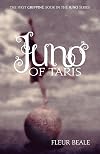
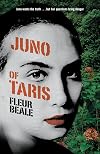
On Taris, there are many rules governing appearance, behaviour and even procreation. Juno is different, her questions and her reluctance to conform have made her an outsider. When her parents decide to have another child, Juno switches the donors of her new sibling while no-one is looking, with strange consequences. In the meantime, her other rebellions have been noticed and someone is trying to kill her. Is it simply because she is different, or are the elders of Taris keeping secrets? show more Suggested level: secondary. show lessTags
Recommendations






























Member Reviews
Opening Sentence: ‘…On Taris, we shave our heads …’
Juno is a young girl who is living in an isolated island society of 500 people that fled the chaos of the 21st century. A group of pioneer scientists volunteered to start the new civilisation on an island “somewhere in the southern ocean,” there they developed an enclosed dome where the atmosphere; water; rain and temperatures are all regulated by computers and it is designed to survive even if the rest of humanity perished. Not long after the colony is set up they lose contact with “the Outside”.
JUNO OF TARIS commences when Juno is 12, and she has already started to openly question the rules of Taris. Questions such as why must they all shave their heads every week? Why show more must they all wear the same clothes and why are her grandparents teaching her to read and not allow her to tell anyone – even her parents? To publicly question the established way brings about the punishment of withdrawing, where everyone has to turn their back on you as you walk by – a very isolating and distressing experience!!! Gradually Juno learns that she is not alone in wanting questions answered, and as it becomes obvious that someone is willing to kill Juno to stop her perceived rebellion she finds she has a loyal band of friends who stand with her and seek the hidden truths as the dome’s technology starts to fail.
The plot the story is built on is powerful and looks at societies, those who control societies, and how they are able to do so. Author Fleur Beale wrote this book with tremendous detail, yet the scientific component was written simply. As a whole JUNO OF TARIS was a pleasure to read and a great story.
All of the characters, both good and bad, were very realistic. The plot was easy to follow and I really liked how each of the chapters ended with three or four snippets from conversations regarding island gossip. It helped expand on information already gained, and set up what was going to happen next; giving the reader an insight into the networking and information sharing of the community.
JUNO OF TARIS won the Esther Glen Award in New Zealand in 2009 – the award is presented to the author whose work is considered a distinguished contribution to fiction for children. Well deserved in my opinion. show less
Juno is a young girl who is living in an isolated island society of 500 people that fled the chaos of the 21st century. A group of pioneer scientists volunteered to start the new civilisation on an island “somewhere in the southern ocean,” there they developed an enclosed dome where the atmosphere; water; rain and temperatures are all regulated by computers and it is designed to survive even if the rest of humanity perished. Not long after the colony is set up they lose contact with “the Outside”.
JUNO OF TARIS commences when Juno is 12, and she has already started to openly question the rules of Taris. Questions such as why must they all shave their heads every week? Why show more must they all wear the same clothes and why are her grandparents teaching her to read and not allow her to tell anyone – even her parents? To publicly question the established way brings about the punishment of withdrawing, where everyone has to turn their back on you as you walk by – a very isolating and distressing experience!!! Gradually Juno learns that she is not alone in wanting questions answered, and as it becomes obvious that someone is willing to kill Juno to stop her perceived rebellion she finds she has a loyal band of friends who stand with her and seek the hidden truths as the dome’s technology starts to fail.
The plot the story is built on is powerful and looks at societies, those who control societies, and how they are able to do so. Author Fleur Beale wrote this book with tremendous detail, yet the scientific component was written simply. As a whole JUNO OF TARIS was a pleasure to read and a great story.
All of the characters, both good and bad, were very realistic. The plot was easy to follow and I really liked how each of the chapters ended with three or four snippets from conversations regarding island gossip. It helped expand on information already gained, and set up what was going to happen next; giving the reader an insight into the networking and information sharing of the community.
JUNO OF TARIS won the Esther Glen Award in New Zealand in 2009 – the award is presented to the author whose work is considered a distinguished contribution to fiction for children. Well deserved in my opinion. show less
Opening Sentence: ‘…On Taris, we shave our heads …’
Juno is a young girl who is living in an isolated island society of 500 people that fled the chaos of the 21st century. A group of pioneer scientists volunteered to start the new civilisation on an island “somewhere in the southern ocean,” there they developed an enclosed dome where the atmosphere; water; rain and temperatures are all regulated by computers and it is designed to survive even if the rest of humanity perished. Not long after the colony is set up they lose contact with “the Outside”.
JUNO OF TARIS commences when Juno is 12, and she has already started to openly question the rules of Taris. Questions such as why must they all shave their heads every week? Why show more must they all wear the same clothes and why are her grandparents teaching her to read and not allow her to tell anyone – even her parents? To publicly question the established way brings about the punishment of withdrawing, where everyone has to turn their back on you as you walk by – a very isolating and distressing experience!!! Gradually Juno learns that she is not alone in wanting questions answered, and as it becomes obvious that someone is willing to kill Juno to stop her perceived rebellion she finds she has a loyal band of friends who stand with her and seek the hidden truths as the dome’s technology starts to fail.
The plot the story is built on is powerful and looks at societies, those who control societies, and how they are able to do so. Author Fleur Beale wrote this book with tremendous detail, yet the scientific component was written simply. As a whole JUNO OF TARIS was a pleasure to read and a great story.
All of the characters, both good and bad, were very realistic. The plot was easy to follow and I really liked how each of the chapters ended with three or four snippets from conversations regarding island gossip. It helped expand on information already gained, and set up what was going to happen next; giving the reader an insight into the networking and information sharing of the community.
JUNO OF TARIS won the Esther Glen Award in New Zealand in 2009 – the award is presented to the author whose work is considered a distinguished contribution to fiction for children. Well deserved in my opinion. show less
Juno is a young girl who is living in an isolated island society of 500 people that fled the chaos of the 21st century. A group of pioneer scientists volunteered to start the new civilisation on an island “somewhere in the southern ocean,” there they developed an enclosed dome where the atmosphere; water; rain and temperatures are all regulated by computers and it is designed to survive even if the rest of humanity perished. Not long after the colony is set up they lose contact with “the Outside”.
JUNO OF TARIS commences when Juno is 12, and she has already started to openly question the rules of Taris. Questions such as why must they all shave their heads every week? Why show more must they all wear the same clothes and why are her grandparents teaching her to read and not allow her to tell anyone – even her parents? To publicly question the established way brings about the punishment of withdrawing, where everyone has to turn their back on you as you walk by – a very isolating and distressing experience!!! Gradually Juno learns that she is not alone in wanting questions answered, and as it becomes obvious that someone is willing to kill Juno to stop her perceived rebellion she finds she has a loyal band of friends who stand with her and seek the hidden truths as the dome’s technology starts to fail.
The plot the story is built on is powerful and looks at societies, those who control societies, and how they are able to do so. Author Fleur Beale wrote this book with tremendous detail, yet the scientific component was written simply. As a whole JUNO OF TARIS was a pleasure to read and a great story.
All of the characters, both good and bad, were very realistic. The plot was easy to follow and I really liked how each of the chapters ended with three or four snippets from conversations regarding island gossip. It helped expand on information already gained, and set up what was going to happen next; giving the reader an insight into the networking and information sharing of the community.
JUNO OF TARIS won the Esther Glen Award in New Zealand in 2009 – the award is presented to the author whose work is considered a distinguished contribution to fiction for children. Well deserved in my opinion. show less
Fleur Beale is a superb writer, and this is no exception. Juno lives in a closed community, set up on a remote island in the Southern Ocean as civilization crumbled. To maintain the community's standards and to promote unity, everyone has their hair shaved off weekly, wears plain clothing, and accepts the decisions of the Governance Companions. Juno, at 11, is chafing under the strictures placed upon her. Why can't she grow her hair? Why can't she dance the way she wants to? Why aren't her parents allowed to have another child? Juno's questioning of authority has far reaching consequences.....
brilliant well worth reading, the reviews express the book well.
Ratings
Members
- Recently Added By
Lists

Fiction with Women's Names in the Title
378 works; 15 members

ESP, psychic powers -- children's/young adult fiction
230 works; 8 members
Author Information

49 Works 1,206 Members
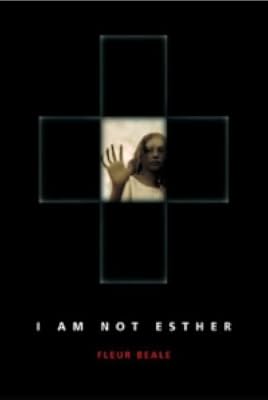
Fleur Beale was born in 1945 in New Zealand. She is a teenage fiction writer. She attended Victoria University and Christchurch Teacher's Training College. She taught at Melville High School from the mid 80s to late 90s in Hamilton, Waikato and in Wellington. Beale's first stories were written for the children's radio programme Grandpa's Place. show more Her first book was a small reader and picture book for young children and she started to write for teenagers in 1993. Her stories often involve troubled adolescents engaged in outdoor activities. Beale was a finalist in the AIM Children's Book Awards and her 1998 novel I Am Not Esther was shortlisted for the senior fiction section of the 1999 New Zealand Post Children's Book Awards. In 1999 she was awarded the Children's Writing Fellowship at Dunedin College of Education and quit teaching to write full-time. Her 2001 novel Ambushed was a finalist for the Junior Fiction section of the 2002 New Zealand Post Children's Book Awards. Her 2004 account of how an indigenous girl discovers how her education can save her tribal lands (My Story A New Song in the Land. The Writings of Atapo, Pahia, received a Notable Book award in 2005 as did Walking Lightly. In 2012, Beale became the last recipient of the Margaret Mahy Award during Margaret Mahy's lifetime In 2015 she won the LIANZA Librarians' Choice Award 2015 with her title I Am Rebecca. Her book's I Am Not Esther and Being Magdalene made the New Zealand Best Seller List in 2015. (Bowker Author Biography) show less
Awards and Honors
Series

Common Knowledge
- Original publication date
- 2008
- First words
- On Taris, we shave our heads.
- Last words
- (Click to show. Warning: May contain spoilers.)I tell it to remember and to understand.
Classifications
Statistics
- Members
- 100
- Popularity
- 322,715
- Reviews
- 4
- Rating
- (4.16)
- Languages
- English
- Media
- Paper, Ebook
- ISBNs
- 5
- ASINs
- 2