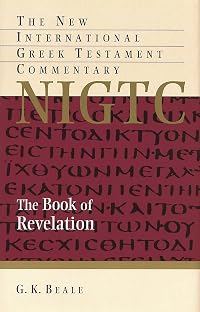
The Book of Revelation (New International Greek Testament Commentary)
by G. K. Beale
New International Greek Testament Commentary (24)
On This Page
Description
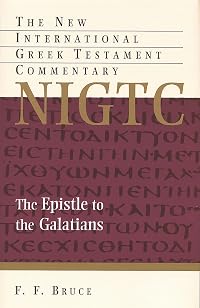
This commentary series is established on the presupposition that the theological character of the New Testament documents calls for exegesis that is sensitive to theological themes as well as to the details of the historical, linguistic, and textual context. Such thorough exegetical work lies at the heart of these volumes, which contain detailed verse-by-verse commentary preceded by general comments on each section and subsection of the text. An important aim of the NIGTC authors is to show more interact with the wealth of significant New Testament research published in recent articles and monographs. In this connection the authors make their own scholarly contributions to the ongoing study of the biblical text. The text on which these commentaries are based is the UBS Greek New Testament, edited by Kurt Aland and others. While engaging the major questions of text and interpretation at a scholarly level, the authors keep in mind the needs of the beginning student of Greek as well as the pastor or layperson who may have studied the language at some time but does not now use it on a regular basis. show lessTags
Recommendations









Member Recommendations

Member Reviews
This monumental commentary on the book of Revelation, originally published in 1999, has been highly acclaimed by scholars, pastors, students, and others seriously interested in interpreting the Apocalypse for the benefit of the church. Too often Revelation is viewed as a book only about the future. As G. K. Beale shows, however, Revelation is not merely a futurology but a book about how the church should live for the glory of God throughout the ages -- including our own.Engaging important questions concerning the interpretation of Revelation in scholarship today, as well as interacting with the various viewpoints scholars hold on these issues, Beale's work makes a major contribution in the much-debated area of how the Old Testament is show more used in the Apocalypse. Approaching Revelation in terms of its own historical background and literary character, Beale argues convincingly that John's use of Old Testament allusions -- and the way the Jewish exegetical tradition interpreted these same allusions -- provides the key for unlocking the meaning of Revelation's many obscure metaphors. In the course of Beale's careful verse-by-verse exegesis, which also untangles the logical flow of John's thought as it develops from chapter to chapter, it becomes clear that Revelation's challenging pictures are best understood not by apparent technological and contemporary parallels in the twentieth century but by Old Testament and Jewish parallels from the distant past. show less
Logos Library
Members
- Recently Added By
Lists

Blake’s Recommended Commentaries
69 works; 1 member

bestcommentaries.com - Top 2 NT Commentaries by Book
39 works; 1 member
Author Information

47+ Works 9,806 Members
G. K. Beale (PhD, University of Cambridge) is professor of New Testament and biblical theology at Westminster Theological Seminary and the author of numerous books.
Series

Common Knowledge
- Original publication date
- 1999
- Dedication
- To
Hannah, Stephen, Nancy,
and, especially, Dorinda - First words
- When I began writing this commentary back int he fall of 1987, I noticed that some past authors who had written prefaces to their commentaries on Revelation tended to express amazement that they had been able to complete such... (show all) a task.
- Last words
- (Click to show. Warning: May contain spoilers.)Copyists added "Amen" because it appears at the end of some other NT epistles and is often found as a secondary scribal emendation at the close of all NT letters (see further on 22:20).
Classifications
Statistics
- Members
- 1,001
- Popularity
- 26,143
- Reviews
- 2
- Rating
- (4.49)
- Languages
- English
- Media
- Paper, Ebook
- ISBNs
- 4
- ASINs
- 2