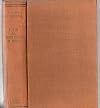
The rise of the Spanish American empire
by Salvador de Madariaga
On This Page
Tags
Recommendations


















Member Reviews
Rather dated; published 1947, and the paperback I have is a second printing – not a revised edition – from 1968. The book isn’t really about the rise of the Spanish American empire; it’s not a history (although there is quite a bit of history in it). Instead it’s more or less an apology/justification to the English speaking world for the Spanish colonization of Latin America.
Author Salvador de Madariaga takes two courses in his argument: it wasn’t as bad as all that, and tu quoque. In the “not as bad as all that” line of argument, de Madariaga points out that many of the complaints made about the Spanish empire were based on the assumption that the laws were actually enforced; de Madariaga claims the supposedly show more oppressive laws were actually more of guidelines. For example, the law against importing books that were on the Index was routinely ignored, with ships unloading crates of books while the Customs officials looked the other way. In a more dramatic example, it was supposedly illegal for Native Americans to attend university or take Holy Orders (to the extent that there was a Royal Proclamation against it, in addition to ordinary laws); de Madriaga cites numerous examples of native university students, and notes that a Bishop of Oaxaca was a native. One would think that a student here and there might be overlooked, and maybe a rural priest, but when a bishop was involved I’d have to concede de Madriaga’s point.
As for the tu quoque argument, yes, I’d have to concede the point there too. The Inquisition did operate in the New World, and there were a couple of people burned and somewhat more subjected to lesser punishments. But at the same time, Protestants in Europe were burning witches by the cartload. (As has been pointed out elsewhere, the Inquisition didn’t usually burn witches; it burned apostates – in Spain, that was cryptoJews and cryptoMuslims. Witches were heretics, not apostates, and didn’t get the death penalty as long as they renounced their heresy.) Similarly, natives in the Latin New World were often forced into what was essentially slavery, especially in rural areas; but natives in the English colonies were simply wiped out. De Madriaga claims, with considerable evidence, that Native Americans were better treated in the Spanish colonies than anywhere else in the Western Hemisphere.
And de Madriaga does some apologizing too. In a section complaining of the predations of Morgan and other English pirates, he acknowledges that the English merely did to the Spanish colonists what the conquistadores had already done to the Aztecs and Incas. He also acknowledges something that would be extremely politically incorrect today – the temperament of the Spanish tended toward laziness and lack of technique. The riches of the Indies caused tremendous inflation in Spain, and suppressed native industries (ironworking and ship building, for example) as it became easier to buy iron and ships or hire foreign ironworkers and shipwrights.
This is scholarly work, with extensive footnotes and references; almost all in Spanish. It was relatively tough reading. To be sure, there are little delights here and there; in a discussion of the status of women de Madriaga recounts the tale of a noble lady of Lima whose honor was trifled with by a gentleman. She confronted the villain, and with a good Toledo sword inherited from an ancestor who’d fought in the Reconquista, killed him with a single stroke. Convicted of murder, she was awaiting the garrote when her friends swarmed the scaffold and carried her off to sanctuary in the cathedral. Ought to be a movie there. show less
Author Salvador de Madariaga takes two courses in his argument: it wasn’t as bad as all that, and tu quoque. In the “not as bad as all that” line of argument, de Madariaga points out that many of the complaints made about the Spanish empire were based on the assumption that the laws were actually enforced; de Madariaga claims the supposedly show more oppressive laws were actually more of guidelines. For example, the law against importing books that were on the Index was routinely ignored, with ships unloading crates of books while the Customs officials looked the other way. In a more dramatic example, it was supposedly illegal for Native Americans to attend university or take Holy Orders (to the extent that there was a Royal Proclamation against it, in addition to ordinary laws); de Madriaga cites numerous examples of native university students, and notes that a Bishop of Oaxaca was a native. One would think that a student here and there might be overlooked, and maybe a rural priest, but when a bishop was involved I’d have to concede de Madriaga’s point.
As for the tu quoque argument, yes, I’d have to concede the point there too. The Inquisition did operate in the New World, and there were a couple of people burned and somewhat more subjected to lesser punishments. But at the same time, Protestants in Europe were burning witches by the cartload. (As has been pointed out elsewhere, the Inquisition didn’t usually burn witches; it burned apostates – in Spain, that was cryptoJews and cryptoMuslims. Witches were heretics, not apostates, and didn’t get the death penalty as long as they renounced their heresy.) Similarly, natives in the Latin New World were often forced into what was essentially slavery, especially in rural areas; but natives in the English colonies were simply wiped out. De Madriaga claims, with considerable evidence, that Native Americans were better treated in the Spanish colonies than anywhere else in the Western Hemisphere.
And de Madriaga does some apologizing too. In a section complaining of the predations of Morgan and other English pirates, he acknowledges that the English merely did to the Spanish colonists what the conquistadores had already done to the Aztecs and Incas. He also acknowledges something that would be extremely politically incorrect today – the temperament of the Spanish tended toward laziness and lack of technique. The riches of the Indies caused tremendous inflation in Spain, and suppressed native industries (ironworking and ship building, for example) as it became easier to buy iron and ships or hire foreign ironworkers and shipwrights.
This is scholarly work, with extensive footnotes and references; almost all in Spanish. It was relatively tough reading. To be sure, there are little delights here and there; in a discussion of the status of women de Madriaga recounts the tale of a noble lady of Lima whose honor was trifled with by a gentleman. She confronted the villain, and with a good Toledo sword inherited from an ancestor who’d fought in the Reconquista, killed him with a single stroke. Convicted of murder, she was awaiting the garrote when her friends swarmed the scaffold and carried her off to sanctuary in the cathedral. Ought to be a movie there. show less
Madariaga escribió este libro con la intención evidente de reivindicar el gobierno español sobre Hispanoamérica, y la verdad es que no lo hace nada mal. Como no es ningún sectario, no oculta las sombras del asunto; llama la atención, por ejemplo, la descripción de las condiciones de los mineros indios del Potosí. Pero pone las cosas en su sitio, literalmente, a base de contextualizar. Por un lado, comparando lo que ocurría en las Indias españolas con lo que ocurría en el resto del mundo por la misma época. Por otro lado, matizando las diferencias según tiempo y lugar, algo que se suele olvidar para una dominación de tres siglos sobre un continente entero. Así, queda claro que las condiciones de vida en general, y de los show more indios, negros y mestizos en particular, eran mucho mejores en Nueva España que en el Perú; que progresivamente, y sobre todo a partir de la llegada de los Borbones, el bienestar económico indiano contrastaba con las penurias peninsulares; que eso llevó a una progresiva autonomía práctica de gobierno y costumbres, sobre la base de un margen de actuación ya muy grande en época de los Austrias; y, sobre todo, que teniendo en cuenta lo que se hacía en otras zonas (o en la misma, pero por otros gobernantes), la actuación española, incluyendo la denostada Inquisición, resulta muy poco tiránica. Ya digo que Madariaga no oculta los casos de corrupción, crueldad o arbitrariedad, que los hubo, pero destaca el buen tono general de estos siglos americanos.
Hay que tener en cuenta que Madariaga utiliza casi exclusivamente fuentes literarias o similares, como relatos de viajes (Ulloa y Jorge Juan, Humboldt) o memoriales de funcionarios, como los de Solórzano Pereira, oidor en Lima y consejero de Indias. Sin embargo, se echan en falta análisis sociales y económicos más precisos, pero hay que reconocer que, en la época en que se escribió este libro, estos temas estaban todavía en mantillas; no obstante, utiliza a Hamilton y Carande cuando procede.
Parece que este libro se editó por primera vez en 1945. En 1947 se publicó una segunda parte: "El ocaso del imperio español en América". En 1959 se reeditaron ambos, y en 1977 se publicaron juntos. Este tomo es, pues, tanto el primer tomo de una única obra como una obra independiente. Difícil para los bibliotecarios, supongo. En todo caso, es la obra clara de un hombre honesto, que se distancia, por supuesto, del patrioterismo (y mucho más del mito de "la raza"), pero que ama a su pàís y no quiere ver cómo es injustamente tratado por los intelectuales extranjeros. No sé si ha conseguido su propósito. show less
Hay que tener en cuenta que Madariaga utiliza casi exclusivamente fuentes literarias o similares, como relatos de viajes (Ulloa y Jorge Juan, Humboldt) o memoriales de funcionarios, como los de Solórzano Pereira, oidor en Lima y consejero de Indias. Sin embargo, se echan en falta análisis sociales y económicos más precisos, pero hay que reconocer que, en la época en que se escribió este libro, estos temas estaban todavía en mantillas; no obstante, utiliza a Hamilton y Carande cuando procede.
Parece que este libro se editó por primera vez en 1945. En 1947 se publicó una segunda parte: "El ocaso del imperio español en América". En 1959 se reeditaron ambos, y en 1977 se publicaron juntos. Este tomo es, pues, tanto el primer tomo de una única obra como una obra independiente. Difícil para los bibliotecarios, supongo. En todo caso, es la obra clara de un hombre honesto, que se distancia, por supuesto, del patrioterismo (y mucho más del mito de "la raza"), pero que ama a su pàís y no quiere ver cómo es injustamente tratado por los intelectuales extranjeros. No sé si ha conseguido su propósito. show less
Jul 13, 2011 (Edited)Spanish
KG-6
Oct 15, 2020Catalan
Members
- Recently Added By
Author Information

122+ Works 972 Members
Series
Belongs to Publisher Series
Work Relationships
Is contained in
Common Knowledge
- Canonical title
- The rise of the Spanish American empire
- Original title
- El auge del imperio español en América
Classifications
Statistics
- Members
- 33
- Popularity
- 861,551
- Reviews
- 3
- Rating
- (4.00)
- Languages
- English, Spanish
- Media
- Paper
- ISBNs
- 2
- ASINs
- 5