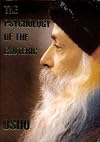
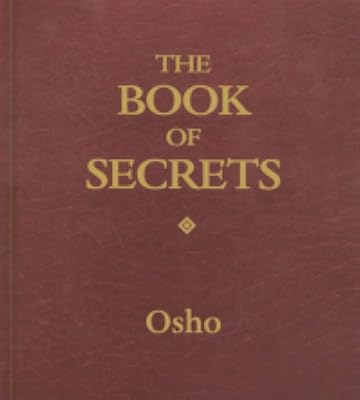
The Psychology of the Esoteric
by Osho
50 Members (3.50)
On This Page
Description
All that is valuable is esoteric. Ecstasy cannot be pragmatic. Love cannot be pragmatic. Trust cannot be pragmatic. The word esoteric simply means it is not objective, not scientific. It is something inner, something subjective, something so mysterious, so miraculous that you can experience it but you cannot explain it. You can have it, but still you cannot explain it. It remains beyond explanation. It is good that there is something in life which we cannot bring down to language,which we show more cannot bring down to the objective world, something which remains always beyond. We can become one with it - and that Osho describes as the work of his school.This early work by Osho is a University course in psychology and esoteric - two words which seem not to fit together at all, but Osho integrates everything in a way the human mind cannot. The subjects and areas addressed by Osho in this book cannot be described on the back cover of a book, it is only possible to indicate, to give a glimpse. This book is about becoming and being, an introduction to an understanding which allows a new view of ourselves and the existence around us. Why do we suffers from anxiety? We seem to be anxious to our very roots. What torments us, to begin with, is: To be or not to be? To do or not to do? To do this or to do that? "No choice" is not possible. If we do not choose, then we are choosing not to choose; it is a choice. So we are forced to choose; we are not free not tochoose. The dignity, the beauty and the glory of humans is this consciousness. But it is a burden also. The glory and the burdencome simultaneously the minute you become conscious.Osho speaks in this elaborate work about human revolution and as he uses the word here, it means a conscious, an effort toward an individual evolution. It is bringing individual responsibility to a peak. Only we are responsible for our own evolution. Ordinarily, humans try to escape from responsibility for theirown evolution, from the responsibility of freedom of choice. While we long for freedom, there is a great fear of freedom. When we are slaves the responsibility for our life is never ours; someone else is responsible. So in a way, slavery is a very comfortable thing, there is no burden. In this respect, slavery is a freedom: freedom from conscious choice. show lessTags
Recommendations
























Member Reviews
Members
- Recently Added By
Author Information

2,096 Works 12,096 Members
OSHO, known for his revolutionary contribution to the science of inner transformation, continues to inspire millions of people worldwide in their search to define a new approach to individual spirituality that is self-directed and responsive to the everyday challenges of contemporary life. Osho was described by the UK's Sunday Times as one of the show more 1,000 Makers of the 20th Century. His internationally bestselling works are available in sixty languages around the world. show less
Classifications
- Genres
- Nonfiction, Religion & Spirituality, Philosophy, General Nonfiction
- DDC/MDS
- 294.5 — Religion Other religions Buddhism/Hinduism Hinduism
- LCC
- BL1228 .R28 — Philosophy, Psychology and Religion Religions. Mythology. Rationalism Religions. Mythology. Rationalism History and principles of religions Asian. Oriental By religion Religious life
- BISAC
Statistics
- Members
- 50
- Popularity
- 602,282
- Rating
- (3.50)
- Languages
- Dutch, English
- Media
- Paper, Ebook
- ISBNs
- 9
- ASINs
- 1