Masters and Commanders : The Military Geniuses Who Led the West to Victory in World War II
by Andrew Roberts
On This Page
Description
A joint profile of Winston Churchill, Franklin D. Roosevelt, and their armed forces commanders Alan Brooke and George C. Marshall evaluates the pivotal ways in which they determined the strategies of allied forces during World War II, in an account that reveals their divergent agendas and tense efforts to collaborate or outmaneuver each other.Tags
Recommendations











Member Recommendations


Member Reviews
This is a detailed history of the wartime relationship between Roosevelt and Churchill, and their respective military chiefs, Marshall and Brooke. Andrew Roberts draws heavily on private diaries and correspondence, using those voices to reconstruct the ongoing exchanges between the political and military leadership of Britain and the United States.
I experienced this as an audiobook, which made the material surprisingly vivid. Hearing the arguments unfold almost in dialogue gives a real sense of the push and pull between the four men across the war years. Early on the discussions feel grounded in strategic necessity, but as the war progresses the tone often shifts, becoming more political, more personal, and occasionally more protective show more of national pride.
The narration helps with this. The performances of the different voices are handled well, which gives the conversations a sense of personality rather than leaving them as distant archival quotations. Roberts also allows room for skepticism, both in the way the men challenge each other and in the moments where he steps back to place their arguments in a broader historical perspective. That distance gives the book a reassuring sense of academic care.
At the same time, it is a dense listen. The structure sits somewhere between a traditional academic account and something closer to an audio docu-drama built from historical sources. At points that combination works beautifully, but at others it becomes quite dry, and it was easy to lose focus as the long sequence of meetings, decisions, and disagreements accumulated.
It was only toward the latter part of the book that I felt I had fully grasped the scale of the cast and the flow of events. Because of that, it may land best for readers who already have a strong familiarity with the chronology of the Second World War and the campaigns being discussed.
I am glad I spent the time with it, but it is a very long and demanding work, and not the most accessible entry point into the subject. show less
I experienced this as an audiobook, which made the material surprisingly vivid. Hearing the arguments unfold almost in dialogue gives a real sense of the push and pull between the four men across the war years. Early on the discussions feel grounded in strategic necessity, but as the war progresses the tone often shifts, becoming more political, more personal, and occasionally more protective show more of national pride.
The narration helps with this. The performances of the different voices are handled well, which gives the conversations a sense of personality rather than leaving them as distant archival quotations. Roberts also allows room for skepticism, both in the way the men challenge each other and in the moments where he steps back to place their arguments in a broader historical perspective. That distance gives the book a reassuring sense of academic care.
At the same time, it is a dense listen. The structure sits somewhere between a traditional academic account and something closer to an audio docu-drama built from historical sources. At points that combination works beautifully, but at others it becomes quite dry, and it was easy to lose focus as the long sequence of meetings, decisions, and disagreements accumulated.
It was only toward the latter part of the book that I felt I had fully grasped the scale of the cast and the flow of events. Because of that, it may land best for readers who already have a strong familiarity with the chronology of the Second World War and the campaigns being discussed.
I am glad I spent the time with it, but it is a very long and demanding work, and not the most accessible entry point into the subject. show less
The focus of Roberts' work is the complex interrelationship of four key leaders: Roosevelt and Churchill (the "Masters," i.e., the political players) and Brooke and Marshall (the "Commanders," i.e., the military leaders). He presents these four figures (along with a distinguished supporting cast of notable figures) as ultimately responsible for what he calls WW2's "grand strategy." The story that Roberts tells is one of a rather sobering struggle for power between Britain and the US. On Britain's side, the struggle largely comprised attempts to maintain a relatively equal position as American contributions of personnel and materiel began to far outstrip Britain's own contributions. On America's side, the struggle took shape as a fight show more against an at least perceived (if not actually real) British "craftiness" in pursuing its own political ends.
I suppose, at one level, Roberts' book could be considered a jaundiced reading of United States-Great Britain relations during WW2; however, it avoids a cynical tone, maintaining a sense of sympathetic realism. One thing Roberts finely elucidated is the subtle but significant differences in the relations of political and military power in the US and Great Britain which, in many ways, accounted for the differences of each nations' final objectives and methods. My impression is that there was a decidedly greater separation of political and military power within the American system than within the British system, though that may simply be what we could call the "Churchill effect." If anything, Roberts does a terrific job of painting Churchill as the "madcap genius" he was--equal parts brilliant, annoying, suave, and, at the end of day, absolutely inimitable as a national and international figure.
For me, however, the best part of Roberts' telling is how he showcases the key sacrifices that George Marshall, the chairman of the US Joint Chiefs of Staff, and Sir Alan Brooke, the British Chief of the Imperial General Staff, made for their countries. Every general dreams of leading an army into a field of battle and yet, both Marshall and Brooke were forced to surrender their dream of leading the D-Day invasion because they were more valuable in their administrative roles. The history that Roberts relates, though, convincingly demonstrates that, without them, final victory would never have come to the Allies.
Much of what makes Roberts' work so compelling is his access to the "unofficial" (and technically illegal on the British side) diaries of the military and political advisors who orbited around these four. He uses these sources to read "against" the official stories that have been published, most vigorously it seems against Churchill's own later accounting. Fortunately, he does this in a way that doesn't turn the work into a salacious and sensational kind of "World War 2: The Unauthorized Biography"; rather, he remains grounded in the established facts of actual events, which allows the unofficial sources to enrich and enliven the official history rather than simply to overturn it. Where the "official" story is wrong, Roberts' use of diaries and letters often led him to offer very plausible reasons why later retellings diverged from what we now know of the actual course of events. These, as often as not, were rooted in a touching and deeply human concern for the feelings and reputations of other significant leaders.
I suppose the only real disappointment I had was the fact that, though Roberts referred several times to a great "falling out" after the conclusion of the war between Churchill and Brooke, he never really took the time to tell that story. The reason is simple: once Roosevelt died, the "Big Four" that were the focus of his narrative were no longer, so the story had to end. I would like to hope that Roberts will one day write about that.
It never seems to fail that, no matter how "distant" a book may seem from my own expressed interests or current circumstances, I find within it something that seems to miraculously speak to my current "Sitz im Leben." The story of Marshall's and Brooke's sacrifices of personal glory for the greater good of the war effort was, for reasons that would be too convoluted to explain here, a very important story for me to hear at this particular life juncture. Perhaps it's a stretch to say that God "led" me to read this particular book, but it is no stretch at all for me to say that I'm grateful to God that I DID read it.
For those fascinated with the astounding history of World War II or those who find themselves in unexpected and, to be honest, sometimes unwanted positions of leadership and responsibility, this book has many important lessons to teach. Roberts is a fine storyteller and a master of the complex characterization, which serves him well in this story of four of the most significant leaders of the 20th century. show less
I suppose, at one level, Roberts' book could be considered a jaundiced reading of United States-Great Britain relations during WW2; however, it avoids a cynical tone, maintaining a sense of sympathetic realism. One thing Roberts finely elucidated is the subtle but significant differences in the relations of political and military power in the US and Great Britain which, in many ways, accounted for the differences of each nations' final objectives and methods. My impression is that there was a decidedly greater separation of political and military power within the American system than within the British system, though that may simply be what we could call the "Churchill effect." If anything, Roberts does a terrific job of painting Churchill as the "madcap genius" he was--equal parts brilliant, annoying, suave, and, at the end of day, absolutely inimitable as a national and international figure.
For me, however, the best part of Roberts' telling is how he showcases the key sacrifices that George Marshall, the chairman of the US Joint Chiefs of Staff, and Sir Alan Brooke, the British Chief of the Imperial General Staff, made for their countries. Every general dreams of leading an army into a field of battle and yet, both Marshall and Brooke were forced to surrender their dream of leading the D-Day invasion because they were more valuable in their administrative roles. The history that Roberts relates, though, convincingly demonstrates that, without them, final victory would never have come to the Allies.
Much of what makes Roberts' work so compelling is his access to the "unofficial" (and technically illegal on the British side) diaries of the military and political advisors who orbited around these four. He uses these sources to read "against" the official stories that have been published, most vigorously it seems against Churchill's own later accounting. Fortunately, he does this in a way that doesn't turn the work into a salacious and sensational kind of "World War 2: The Unauthorized Biography"; rather, he remains grounded in the established facts of actual events, which allows the unofficial sources to enrich and enliven the official history rather than simply to overturn it. Where the "official" story is wrong, Roberts' use of diaries and letters often led him to offer very plausible reasons why later retellings diverged from what we now know of the actual course of events. These, as often as not, were rooted in a touching and deeply human concern for the feelings and reputations of other significant leaders.
I suppose the only real disappointment I had was the fact that, though Roberts referred several times to a great "falling out" after the conclusion of the war between Churchill and Brooke, he never really took the time to tell that story. The reason is simple: once Roosevelt died, the "Big Four" that were the focus of his narrative were no longer, so the story had to end. I would like to hope that Roberts will one day write about that.
It never seems to fail that, no matter how "distant" a book may seem from my own expressed interests or current circumstances, I find within it something that seems to miraculously speak to my current "Sitz im Leben." The story of Marshall's and Brooke's sacrifices of personal glory for the greater good of the war effort was, for reasons that would be too convoluted to explain here, a very important story for me to hear at this particular life juncture. Perhaps it's a stretch to say that God "led" me to read this particular book, but it is no stretch at all for me to say that I'm grateful to God that I DID read it.
For those fascinated with the astounding history of World War II or those who find themselves in unexpected and, to be honest, sometimes unwanted positions of leadership and responsibility, this book has many important lessons to teach. Roberts is a fine storyteller and a master of the complex characterization, which serves him well in this story of four of the most significant leaders of the 20th century. show less
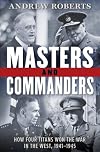
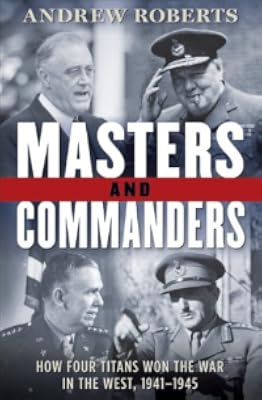
I strongly recommend this book for anyone interested in strategic planning by the Western Allies in World War II, in particular the personalities and details of the wartime conferences of the top American and British leaders: Roosevelt, Churchill and their top generals and admirals (The "Masters and Commanders" of the title). The author has thoroughly researched the subject matter, quoting extensively from contemporaneous diaries, letters and memoranda. Among the illuminating items in this regard are excerpts from first-drafts of Churchill's six-volume History of World War II, showing sentences that were dropped from the final published version. The subtitle of Masters and Commanders is "How Four Titans Won the War in the West, show more 1941-1945" and the book's cover displays their four photos: FDR, Churchill, Marshall and the less well known British General Alan Brooke. The book's title is a bit of a case of mis-labeling because the book has Brooke as very much the protagonist. He is a more fully developed flesh and blood character while the other three are more like card-board cut-outs. It's closer to being "The Alan Brooke Story." The book is not only centered on him but it is largely sympathetic to his point of view. Although not quite a hagiography, it still seems to seek to portray him as a strategic genius. In my view the supporting evidence for that verdict is mixed. Churchill seems to come off as a boob in much of the book and the author, seemingly realizing this, unconvincingly declares Churchill "a genius" in his epilogue. The book might be annoying to some of my fellow Americans because it is a pretty Anglocentric. A number of American officers (King, Stillwell, Wedemeyer) are dismissed as "anglophobes" as if that explains everything you need to know about them. He also argues that Brooke and the British were correct to delay the Normandy Invasion until 1944 since earlier than that would have risked disaster. He does acknowledge that, while the Brits were correct to want to invade southern Italy, they were misguided in their desires to fight their way up the peninsula instead of just stopping after the southern sector including the Foggia airfields had been secured. Overall, very good. show less
4781. Masters and Commanders How Four Titans Won the War in the West, 1941-1945, by Andrew Roberts (read 3 Dec 2010) This is an excellent book, studying in good detail the meetings between American and British leaders during World War Ii. There are in effect biographies of the four "titans" FDR, Churchill, George Marshall, and Alan Brooke. Th author is English but I thought he was pretty objective, and often pointed out where the British were wrong. I thought Brooke came off as insolent and wrongly judgmental, and I did not think he was a titan, myself.
Great view of how strategy was made by the Western Allies.
Op 21 Juni 1942 vond de eerste ontmoeting plaats tussen het viertal mannen dat het onderwerp vormt van dit boek. Churchill was samen met zijn hoogste militair Alan Brooke naar Amerika gereisd voor dringende besprekingen met Theodore Roosevelt en George Marshall, de belangrijkste man in het Amerikaanse leger. De oorlogskansen stonden niet goed. Japan had de hand gelegd op Indonesië, Singapore en de Filipijnen, Duitsland maakte zich op voor een nieuw en mogelijk beslissend zomeroffensief richting de oliebronnen in de Kaukasus en maandelijks werden meer transportschepen door onderzeeboten gekelderd dan Britse en Amerikaanse werven konden bijbouwen. Op de dag van de ontmoeting zelf tenslotte sijpelde het bericht door van de val van de show more Noord-Afrikaanse havenstad Tobroek en de overgave van 35.000 Britse soldaten die dit fort hadden moeten verdedigen. Rommel leek klaar te staan om op te rukken naar het Midden-Oosten.
Tussen de vier mannen ontspon zich op die dag in New York een dialoog over hoe de oorlog te winnen, die zich de drie daaropvolgende jaren zou voorzetten. Soms door middel van directe ontmoetingen tussen de protagonisten, soms door brieven, vaak door middel van indirecte communicatie via tussenpersonen. Roberts doet hiervan nauwgezet verslag, waarbij hij gebruik maakt van nog niet eerder ingeziene primaire bronnen als dagboeken en notulen gemaakt tijdens de vergaderingen van het Britse Oorlogskabinet.
Aanvankelijk konden de Britten hun visie doordrukken. De westelijke geallieerden zagen af van een vroege landing in West-Euopa in 1942 of 1943, waarop de Amerikaanse legerleiding sterk aandrong om het Russische front te ontlasten. De Britten daarentegen, die na de ervaringen van de veldtocht in Frankrijk in 1940 een heilig ontzag hadden voor de Wehrmacht, vreesden een bloedige mislukking. De indirecte benadering die zij voorstonden, kreeg –soms heimelijk- steun van Roosevelt, die daarmee inging tegen Marshall en zijn eigen militaire staf en leidde tot de landingen in Noord-Afrika en later op Sicilië en in Italië. In de loop van 1943 verschoof langzaam het machtsevenwicht tussen de twee bondgenoten, vooral door het steeds grotere aandeel –zowel materieel als in manschapen- dat de VS voor zich opnam in het voeren van de oorlog. Marshall, nu wel gesteund door Roosevelt, kreeg daardoor meer en meer grip op de zaak. Hij zorgde ervoor dat een invasie van Normandië in het voorjaar van 1944 de absolute topprioriteit werd, ook al had dat tot gevolg dat er minder middelen overbleven voor andere zaken, zoals het offensief in Italië of een eventuele invasie van de Balkan (een dada van Churchill).
Roberts is van mening dat deze gang van zaken –het primeren eerst van de Britse en daarna van de Amerikaanse visie- in hoge mate fortuinlijk was voor de geallieerden. De Britten hadden volgens hem gelijk dat de kans van slagen van een landing voor 1944 gering was; de Amerikanen hadden het bij het rechte eind dat een grote invasie in West-Europa uiteindelijk noodzakelijk was en dat knibbelen aan de randen van het Nazi-rijk alleen niet genoeg zou zijn om Hitler ten val te brengen.
Naast een studie in strategie is Masters and Commanders ook een fascinerende kennismaking met vier persoonlijkheden. Verreweg de meeste aandacht gaat daarbij naar Winston Churchill en Alan Brooke en hun interactie. De omgang tussen de twee mannen was vaak moeizaam, conflicten frequent. Brooke bewonderde Churchill maar twijfelde sterk aan diens strategisch inzicht en verzette zich met hand en tand tegen wilde plannen als een invasie van het noorden van Noorwegen of Sumatra. ‘Without him England was lost for a certainty’, verzuchtte Brooke na de zoveelste nachtelijke bijeenkomst, ‘with him England has been on the verge of disaster time and again.’
Wat Churchill over Brooke te zeggen heeft, is al even tweeslachtig: ‘“When I thump the table and push my face towards him what does he do? Thumps the table harder and glares back at me. I know these Brookes – stiff-necked Ulstermen and there's no one worse to deal with than that!”
Desondanks plaatste Churchill hem aan het hoofd van het Britse leger op een moment dat hij ook een ja-knikker of in ieder geval een volgzamer iemand had kunnen kiezen. In de contacten tussen Hitler en zijn generaals was er nooit ruzie, schrijft Roberts, omdat niemand de moed had hem de waarheid te zeggen. Churchills keuze voor iemand die dat wel durfde, toont zijn grootheid. show less
Tussen de vier mannen ontspon zich op die dag in New York een dialoog over hoe de oorlog te winnen, die zich de drie daaropvolgende jaren zou voorzetten. Soms door middel van directe ontmoetingen tussen de protagonisten, soms door brieven, vaak door middel van indirecte communicatie via tussenpersonen. Roberts doet hiervan nauwgezet verslag, waarbij hij gebruik maakt van nog niet eerder ingeziene primaire bronnen als dagboeken en notulen gemaakt tijdens de vergaderingen van het Britse Oorlogskabinet.
Aanvankelijk konden de Britten hun visie doordrukken. De westelijke geallieerden zagen af van een vroege landing in West-Euopa in 1942 of 1943, waarop de Amerikaanse legerleiding sterk aandrong om het Russische front te ontlasten. De Britten daarentegen, die na de ervaringen van de veldtocht in Frankrijk in 1940 een heilig ontzag hadden voor de Wehrmacht, vreesden een bloedige mislukking. De indirecte benadering die zij voorstonden, kreeg –soms heimelijk- steun van Roosevelt, die daarmee inging tegen Marshall en zijn eigen militaire staf en leidde tot de landingen in Noord-Afrika en later op Sicilië en in Italië. In de loop van 1943 verschoof langzaam het machtsevenwicht tussen de twee bondgenoten, vooral door het steeds grotere aandeel –zowel materieel als in manschapen- dat de VS voor zich opnam in het voeren van de oorlog. Marshall, nu wel gesteund door Roosevelt, kreeg daardoor meer en meer grip op de zaak. Hij zorgde ervoor dat een invasie van Normandië in het voorjaar van 1944 de absolute topprioriteit werd, ook al had dat tot gevolg dat er minder middelen overbleven voor andere zaken, zoals het offensief in Italië of een eventuele invasie van de Balkan (een dada van Churchill).
Roberts is van mening dat deze gang van zaken –het primeren eerst van de Britse en daarna van de Amerikaanse visie- in hoge mate fortuinlijk was voor de geallieerden. De Britten hadden volgens hem gelijk dat de kans van slagen van een landing voor 1944 gering was; de Amerikanen hadden het bij het rechte eind dat een grote invasie in West-Europa uiteindelijk noodzakelijk was en dat knibbelen aan de randen van het Nazi-rijk alleen niet genoeg zou zijn om Hitler ten val te brengen.
Naast een studie in strategie is Masters and Commanders ook een fascinerende kennismaking met vier persoonlijkheden. Verreweg de meeste aandacht gaat daarbij naar Winston Churchill en Alan Brooke en hun interactie. De omgang tussen de twee mannen was vaak moeizaam, conflicten frequent. Brooke bewonderde Churchill maar twijfelde sterk aan diens strategisch inzicht en verzette zich met hand en tand tegen wilde plannen als een invasie van het noorden van Noorwegen of Sumatra. ‘Without him England was lost for a certainty’, verzuchtte Brooke na de zoveelste nachtelijke bijeenkomst, ‘with him England has been on the verge of disaster time and again.’
Wat Churchill over Brooke te zeggen heeft, is al even tweeslachtig: ‘“When I thump the table and push my face towards him what does he do? Thumps the table harder and glares back at me. I know these Brookes – stiff-necked Ulstermen and there's no one worse to deal with than that!”
Desondanks plaatste Churchill hem aan het hoofd van het Britse leger op een moment dat hij ook een ja-knikker of in ieder geval een volgzamer iemand had kunnen kiezen. In de contacten tussen Hitler en zijn generaals was er nooit ruzie, schrijft Roberts, omdat niemand de moed had hem de waarheid te zeggen. Churchills keuze voor iemand die dat wel durfde, toont zijn grootheid. show less
Jun 8, 2010Dutch
1
De onderlinge verhouding tussen de Geallieerden, militairen en politici, is één van mijn favoriete thema’s van de Tweede Wereldoorlog.
Naarmate dit conflict meer in het verleden verdwijnt, komen dagboeken, persoonlijke documenten en ooit streng geheime rapporten in de openbaarheid.
Naast de vier hoofdpersonages (Roosevelt, Churchill, Marshall en Brooke) schetst Andrew Roberts ook nog de rol van vele “mindere goden” in de geschiedenis van WO II.
(Toevallig uitgelezen op de 75e verjaardag van het overlijden van FDR.)
Naarmate dit conflict meer in het verleden verdwijnt, komen dagboeken, persoonlijke documenten en ooit streng geheime rapporten in de openbaarheid.
Naast de vier hoofdpersonages (Roosevelt, Churchill, Marshall en Brooke) schetst Andrew Roberts ook nog de rol van vele “mindere goden” in de geschiedenis van WO II.
(Toevallig uitgelezen op de 75e verjaardag van het overlijden van FDR.)
Apr 12, 2020Dutch
Members
- Recently Added By
Lists

Best Military History Books
125 works; 21 members

THE WAR ROOM
813 works; 24 members

PSU Books
223 works; 1 member
Author Information

46+ Works 7,936 Members
Andrew Roberts was born on January 13, 1963 in Hammersmith, England. He studied at Gonville and Caius College and earned his B.A. degree in Modern History in 1985. He began his post-graduate career in corporate finance as an investment banker and private company director with the London merchant bank Robert Fleming & Co. He published his first show more historical book in 1991. He went on to become a public commentator appearing in several periodicals such as The Daily Telegraph and The Spectator. Roberts himself is best known for his 2009 non-fiction work The Storm of War A look at the Second World War covering historical factors such as Hitler's rise to power and the organisation of Nazi Germany, the book received the British Army Military Book of the Year Award for 2010. In 2018 his work, Churchill: Walking with Destiny, made the Bestseller List. (Bowker Author Biography) show less
Awards and Honors
Distinctions
Series
Belongs to Publisher Series
Common Knowledge
- Canonical title
- Masters and Commanders : The Military Geniuses Who Led the West to Victory in World War II
- Original title
- Masters and Commanders : The Military Geniuses Who Led the West to Victory in World War II
- Original publication date
- 2008
- People/Characters
- Winston Churchill; Franklin Delano Roosevelt; Alan Brooke, 1st Viscount Alanbrooke; George C. Marshall
- Important places
- Yalta, Crimea, Ukraine; Teheran, Iran; Washington, D.C., USA; London, England, UK; Casablanca, Morocco; Québec, Canada
- Important events
- World War II (1939 | 1945)
Classifications
Statistics
- Members
- 506
- Popularity
- 59,740
- Reviews
- 7
- Rating
- (4.03)
- Languages
- English, Portuguese
- Media
- Paper, Audiobook, Ebook
- ISBNs
- 11
- ASINs
- 8