On This Page
Description
The power of the Realms depends on its dragons. With their terrifying natures, they are ridden by the aristocracy and bred for hunting and war. But as dangerous political maneuverings threaten the complacency of the empire, a single dragon has gone missing. And even that one dragon-returned to its full intelligence and fury-could spell disaster for the Realms.Tags
Recommendations





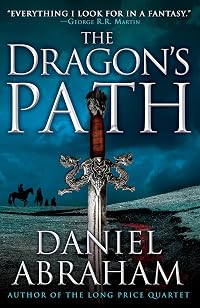
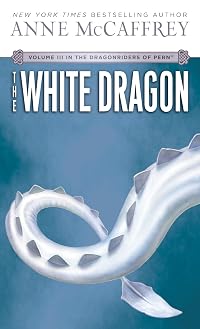

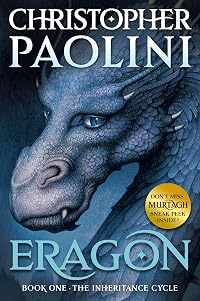
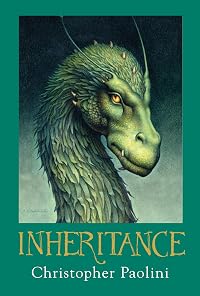




Member Reviews
Dragons.
Dinosaurs, nightmarishly re-imagined. Fantasy’s Six Million Dollar Dino—built bigger, stronger, faster, meaner. Better. A Jurassic Park bogeyman; a spook story mommy dinosaurs tell to scare their babies, of big flying reptiles, covered in scales like lizardskin china, maws glistening with killer enamel, eyes twinkling with attitude, menace. Possibly fire-breathing. A predator. The top of the food chain.
Then people hit the scene. With their enormous egos, their misguided conceptions, and their fervent belief that they wear the ruler pants, proclaiming themselves top of the food chain. Ruler of the Universe. It’s our world; everything else is just a peasant groveling before our throne, basking in our glory. Dragons are show more fearsome, yes. But they’re beasts. Mounts. Like a pony. Only a hell of a lot scarier.
So we tame them, raise them, nurture them. So we can ride them. Like nobility. Like Dragon Lords. The biggest, scariest predator in the kingdom, and we put it between our legs. Like straddling fantasy’s ultimate weapon of mass destruction, a one hundred megaton nuclear reptile. Only a bad man could ride such a bad beast. As far as substitute penises go, dragons can’t be beat.
And dragons allow this. Allow being dominated, ridden. Like an obedient and compliant pony, happy and content, domesticated and mostly harmless, a gift you’d give your eight-year old daughter because she’s screaming: I want a dragon. Most dragons happily submit, yearning for a pat on the head, or an encouraging word, even though they’re often intelligent, self-aware, and rational. Some speak, others communicate telepathically. Some demonstrate immense brainpower, enough to humiliate a Harvard law student. Others speak like they’re channeling Jane Austen.
So why allow themselves to serve as a mount for some vainglorious yahoo, some Dragon Rider? Why allow themselves to be treated as inferiors? Are they good-hearted, or moved by a strong moral fiber? Or maybe it’s because of their deep friendship with the rider? Really. It’s friendship? When’s the last time you let your best friend ride on your back, while you carted them around? It’s fantasy’s magnificent mystery, a conundrum wrapped in an enigma. Unanswered.
Until now.
Stephen Deas shatters this mystery, sledgehammering the dragon mythos into fragments, in his awesome new novel The Adamantine Palace. Vicious, predatory dragons. Equally unpleasant humans, driven by personal agendas. Court intrigue, thick as tar, and just as black. A novel less about good and evil, and more about bad and worse. About who’s the greater monster. Dragons. Or people.
Naomi Novik’s Temeraire series has been the recent standard bearer for dragon-themed fantasy. Part Napoleonic war story, part travelogue, Temeraire is all buddy picture, the touching story between a boy—or a former naval officer, in this case—and his friendly, talking dragon. It’s generally happy, and leaves you with a warm, fuzzy feeling. Unlike The Adamantine Palace which crushes the necks (and hopes) of good dragons everywhere under its monstrous talon, stomping them repeatedly until their black swollen tongues loll from their crushed skulls, before finally urinating on the aftermath. It’s the anti-Temeraire, a novel where the dragons finally get pissed off, and do something violent about it. And it’s a revolution, an uprising in which Deas seizes the dragon mantle from Novik, becoming the new standard bearer. There’s a new sheriff in town. And his name is Stephen Deas.
The characters are fantastic, multi-faceted and morally complex. It’s not good versus evil; there is no good. There are no angelic choirboys here, no innocent doe-eyed farm boys. There’s only the most powerful, the rulers of the land, the ones with Machiavellian agendas, the ones looking out for number one, the self-serving. The kings and queens; the princes and princesses. All of them cutthroats and backstabbers. Not since George R.R. Martin’s series A Song of Ice and Fire has court intrigue been so deliciously wicked, so deliciously fun. The Adamantine Palace is about power. And those who struggle for it. Who lie for it. Who kill for it.
Prince Jehal shines as one of the book’s prime movers. He’s fratboy arrogance smothered in malice, a Teflon bully, smugness to a nauseating extreme. The character you’ll love to hate, the one who’ll have you begging for karmic justice, praying for it. Hoping, desperately, for fate to depants the twit. To expose his vulnerability. Just so you can savor its sweet taste.
Last Word:
Stephen Deas shakes up the dragon mythos wonderfully in his seismic, Richter-scale-popping novel, The Adamantine Palace. These aren’t your father’s dragons. These are the dragons your mom warned you about, the ones lurking in the shadows, doing bad things. Horrible things. These are the predators; the ones that floss with velociraptors. Unapologetic. Vicious. Intelligent. Unstoppable. And they might not even be the biggest monsters on the block. That distinction may be reserved for the people that ride them.
One of the best fantasy books of the year. show less
Dinosaurs, nightmarishly re-imagined. Fantasy’s Six Million Dollar Dino—built bigger, stronger, faster, meaner. Better. A Jurassic Park bogeyman; a spook story mommy dinosaurs tell to scare their babies, of big flying reptiles, covered in scales like lizardskin china, maws glistening with killer enamel, eyes twinkling with attitude, menace. Possibly fire-breathing. A predator. The top of the food chain.
Then people hit the scene. With their enormous egos, their misguided conceptions, and their fervent belief that they wear the ruler pants, proclaiming themselves top of the food chain. Ruler of the Universe. It’s our world; everything else is just a peasant groveling before our throne, basking in our glory. Dragons are show more fearsome, yes. But they’re beasts. Mounts. Like a pony. Only a hell of a lot scarier.
So we tame them, raise them, nurture them. So we can ride them. Like nobility. Like Dragon Lords. The biggest, scariest predator in the kingdom, and we put it between our legs. Like straddling fantasy’s ultimate weapon of mass destruction, a one hundred megaton nuclear reptile. Only a bad man could ride such a bad beast. As far as substitute penises go, dragons can’t be beat.
And dragons allow this. Allow being dominated, ridden. Like an obedient and compliant pony, happy and content, domesticated and mostly harmless, a gift you’d give your eight-year old daughter because she’s screaming: I want a dragon. Most dragons happily submit, yearning for a pat on the head, or an encouraging word, even though they’re often intelligent, self-aware, and rational. Some speak, others communicate telepathically. Some demonstrate immense brainpower, enough to humiliate a Harvard law student. Others speak like they’re channeling Jane Austen.
So why allow themselves to serve as a mount for some vainglorious yahoo, some Dragon Rider? Why allow themselves to be treated as inferiors? Are they good-hearted, or moved by a strong moral fiber? Or maybe it’s because of their deep friendship with the rider? Really. It’s friendship? When’s the last time you let your best friend ride on your back, while you carted them around? It’s fantasy’s magnificent mystery, a conundrum wrapped in an enigma. Unanswered.
Until now.
Stephen Deas shatters this mystery, sledgehammering the dragon mythos into fragments, in his awesome new novel The Adamantine Palace. Vicious, predatory dragons. Equally unpleasant humans, driven by personal agendas. Court intrigue, thick as tar, and just as black. A novel less about good and evil, and more about bad and worse. About who’s the greater monster. Dragons. Or people.
Naomi Novik’s Temeraire series has been the recent standard bearer for dragon-themed fantasy. Part Napoleonic war story, part travelogue, Temeraire is all buddy picture, the touching story between a boy—or a former naval officer, in this case—and his friendly, talking dragon. It’s generally happy, and leaves you with a warm, fuzzy feeling. Unlike The Adamantine Palace which crushes the necks (and hopes) of good dragons everywhere under its monstrous talon, stomping them repeatedly until their black swollen tongues loll from their crushed skulls, before finally urinating on the aftermath. It’s the anti-Temeraire, a novel where the dragons finally get pissed off, and do something violent about it. And it’s a revolution, an uprising in which Deas seizes the dragon mantle from Novik, becoming the new standard bearer. There’s a new sheriff in town. And his name is Stephen Deas.
The characters are fantastic, multi-faceted and morally complex. It’s not good versus evil; there is no good. There are no angelic choirboys here, no innocent doe-eyed farm boys. There’s only the most powerful, the rulers of the land, the ones with Machiavellian agendas, the ones looking out for number one, the self-serving. The kings and queens; the princes and princesses. All of them cutthroats and backstabbers. Not since George R.R. Martin’s series A Song of Ice and Fire has court intrigue been so deliciously wicked, so deliciously fun. The Adamantine Palace is about power. And those who struggle for it. Who lie for it. Who kill for it.
Prince Jehal shines as one of the book’s prime movers. He’s fratboy arrogance smothered in malice, a Teflon bully, smugness to a nauseating extreme. The character you’ll love to hate, the one who’ll have you begging for karmic justice, praying for it. Hoping, desperately, for fate to depants the twit. To expose his vulnerability. Just so you can savor its sweet taste.
Last Word:
Stephen Deas shakes up the dragon mythos wonderfully in his seismic, Richter-scale-popping novel, The Adamantine Palace. These aren’t your father’s dragons. These are the dragons your mom warned you about, the ones lurking in the shadows, doing bad things. Horrible things. These are the predators; the ones that floss with velociraptors. Unapologetic. Vicious. Intelligent. Unstoppable. And they might not even be the biggest monsters on the block. That distinction may be reserved for the people that ride them.
One of the best fantasy books of the year. show less
I could see where he was going with the story. What if Dragons had been the top of the chain, then humans discovered a way of pacifing them and one got free and managed to get their mind back. What if these dragons were like phoenixes, reincarnating over and over and remember the years of servitude and humiliation. What if she decided to get revenge? This is that book, with a side order of human politics and politicking. The rulers of this world are a bunch of very backstabbing, nasty folk, interested in themselves and their power and not very concerned with much else.
It's not really my kind of book, I didn't really care what happened to the characters and really at the end was still a bit ambivalent about actually continuing the series show more (when I discovered that the Library didn't have book 2 I wasn't very concerned, if I happen on it later I might read it)
Overall, interesting concept, could have been a bit better. Has potential. show less
It's not really my kind of book, I didn't really care what happened to the characters and really at the end was still a bit ambivalent about actually continuing the series show more (when I discovered that the Library didn't have book 2 I wasn't very concerned, if I happen on it later I might read it)
Overall, interesting concept, could have been a bit better. Has potential. show less
After watching the Lord of the Rings movies in a massive movie marathon, I was inspired to introduce some fantasy books to my repertoire. 'The Adamantine Palace' is a story of dragons and humans living together in a different world consisting of many Queens and Kings of the different 'realms'.
After a somewhat slow start, the book took an exciting turn when one of the dragons starts communicating with the humans. The story really picks up here, and I thoroughly enjoyed the drama, conflict and the secondary plot featuring court plotting, lust and deception. I also enjoyed the description of the diamond palace, and found myself imagining how this could be depicted on the big screen.
I couldn't help but side with the plight of the dragons, show more led by the pure white dragon 'Snow' and would be interested in reading a sequel. show less
After a somewhat slow start, the book took an exciting turn when one of the dragons starts communicating with the humans. The story really picks up here, and I thoroughly enjoyed the drama, conflict and the secondary plot featuring court plotting, lust and deception. I also enjoyed the description of the diamond palace, and found myself imagining how this could be depicted on the big screen.
I couldn't help but side with the plight of the dragons, show more led by the pure white dragon 'Snow' and would be interested in reading a sequel. show less
This is a novel full of plots, poison and dragons. Part of the fun of the novel is trying to figure out who is betraying whom and why - and with some characters double crossing their partners, it's not clear until the very end what everyone's goals are.
Though all of the characters had logical reasons for their actions, I found it hard to like any of them and cheer them towards their goals. There was no 'good' character. Just a bunch of people trying to achieve something. Normally that would kill a book for me (I like at least one person I can empathize with). But Mr. Deas has created such an intriguing set of plot twists that I couldn't stop reading. Is Jehal really poisoning his father? Is Hyram going to honour his clan's agreement to show more make Queen Shezira the next speaker (and thereby ruler of the Nine Realms)? Who attacked the white dragon's entourage and what happened to it? Who are the mysterious Taiytakei people and what do they want? And what's in the bottle the sellswords Kemir and Sollos stop a group of dragon knights from selling in the prologue of the book?
It reads like a Joe Abercrombie novel, only with less swearing and fighting and more political scheming. The book does end in a way that suggests there will be a lot more warfare in the sequel.
Well written, often surprising, and definitely worth picking up. show less
Though all of the characters had logical reasons for their actions, I found it hard to like any of them and cheer them towards their goals. There was no 'good' character. Just a bunch of people trying to achieve something. Normally that would kill a book for me (I like at least one person I can empathize with). But Mr. Deas has created such an intriguing set of plot twists that I couldn't stop reading. Is Jehal really poisoning his father? Is Hyram going to honour his clan's agreement to show more make Queen Shezira the next speaker (and thereby ruler of the Nine Realms)? Who attacked the white dragon's entourage and what happened to it? Who are the mysterious Taiytakei people and what do they want? And what's in the bottle the sellswords Kemir and Sollos stop a group of dragon knights from selling in the prologue of the book?
It reads like a Joe Abercrombie novel, only with less swearing and fighting and more political scheming. The book does end in a way that suggests there will be a lot more warfare in the sequel.
Well written, often surprising, and definitely worth picking up. show less
I didn't realize this was the first in a series, I thought it was a stand-alone novel, and so ... the ending pissed me off at first. If that was the ending for a stand-alone novel, it would have been terrible. For a series, it totally works. Thank the gods, or I would have had to give it a lower rating and that would have been sad.
Because it was good! Okay I rolled my eyes when I opened it and saw four fucking family trees, were girls were marked with flowers and boys with swords, because oh em gee even Tolkien put the family trees in the back and flowers for girls and swords for boys? COME ON.
Luckily it became better from the very next page, and did not disappoint med (hard though, given my very low expectations). I've been trying to show more find really great dragon fantasy since I finished Temeraire, and in this one I really found it. A blurb said it's like a mix of Pern and Westeros, and now I'm not familiar with Pern (but I know dragon riders are involved), but yeah, there is some truth to this. Not as bloody as GoT, which is nice, and the dragons aren't as nice as, say, Novik's dragons, but it still is a great mix between the two.
There are of course some things that aren't awesome. Like, IDK, what is even the point in having some casual sexism there? The female characters are great, and there were like three mentions about how rare a female knight-marschall-whatever was, so why even bother with it? Why not make it sort of equal? This critique is true for most fantasy though, and this was hardly one of the worst offenders.
The bad guy was creepy and well-written, but I didn't really understand why he did what he did. Why did he have to kill the queen? Why couldn't he marry his lover? He seemed to have a reason, and I bought that he knew what he was doing, but I didn't really understand it. Suppose politics or something is to blame. Mostly a good villain though, although having your girlfriend seduce a dude that repulses her so much she has to THROW UP after they have sex was ... not okay dude, not okay at all.
Snow the dragon is the best character though. Sometimes she makes me a little sad when she eats people, but she is still the best.
Gonna have to get the sequel from the library ASAP. And here I wasn't even gonna enjoy this book, I just got it because I wanted something with dragons..... show less
Because it was good! Okay I rolled my eyes when I opened it and saw four fucking family trees, were girls were marked with flowers and boys with swords, because oh em gee even Tolkien put the family trees in the back and flowers for girls and swords for boys? COME ON.
Luckily it became better from the very next page, and did not disappoint med (hard though, given my very low expectations). I've been trying to show more find really great dragon fantasy since I finished Temeraire, and in this one I really found it. A blurb said it's like a mix of Pern and Westeros, and now I'm not familiar with Pern (but I know dragon riders are involved), but yeah, there is some truth to this. Not as bloody as GoT, which is nice, and the dragons aren't as nice as, say, Novik's dragons, but it still is a great mix between the two.
There are of course some things that aren't awesome. Like, IDK, what is even the point in having some casual sexism there? The female characters are great, and there were like three mentions about how rare a female knight-marschall-whatever was, so why even bother with it? Why not make it sort of equal? This critique is true for most fantasy though, and this was hardly one of the worst offenders.
The bad guy was creepy and well-written, but I didn't really understand why he did what he did. Why did he have to kill the queen? Why couldn't he marry his lover? He seemed to have a reason, and I bought that he knew what he was doing, but I didn't really understand it. Suppose politics or something is to blame. Mostly a good villain though, although having your girlfriend seduce a dude that repulses her so much she has to THROW UP after they have sex was ... not okay dude, not okay at all.
Snow the dragon is the best character though. Sometimes she makes me a little sad when she eats people, but she is still the best.
Gonna have to get the sequel from the library ASAP. And here I wasn't even gonna enjoy this book, I just got it because I wanted something with dragons..... show less
For a novel that seemed to be very straightforward, run-of-the-mill fantasy, this had some interesting stand-out points. It's peopled with magnificently unlikable characters - selfish, arrogant schemers all - who nevertheless are dynamic and driven enough to really grab and keep your attention. Still, I stand by my check-in musings: that this is a sort of fantasy version of Dangerous Liaisons, where you're supposed to be so bothered by the unchecked privilege and self-centredness of the royalty that you're amenable to the notion of revolution. The fact that in this case the revolution is dragons just adds to the fun, really.
But I couldn't really say I enjoyed it a lot. The writing skips along easily, but isn't beautiful. And none of the show more characters, because of their myriad and wallowed-in flaws, really demands I follow them onwards. I'm mildly interested in seeing Jehal get his come-uppance, but not enough to spend more time with his smug twerpery. And the big question of "Can mankind survive the uprising of the dragons?" isn't really compelling: I sort of don't care if they do. show less
But I couldn't really say I enjoyed it a lot. The writing skips along easily, but isn't beautiful. And none of the show more characters, because of their myriad and wallowed-in flaws, really demands I follow them onwards. I'm mildly interested in seeing Jehal get his come-uppance, but not enough to spend more time with his smug twerpery. And the big question of "Can mankind survive the uprising of the dragons?" isn't really compelling: I sort of don't care if they do. show less
I was a bit hesitant to read this just because of some of the reviews I had read.
However I decided to read it on the insistence of my partner.
Over all I enjoyed the story. It was easy to follow and gripping, while still being well paced.
The writing style was simplistic, not as wordy as a lot of fantasy work, so I was happy about that, felt like I needed something simple.
The characters were interesting enough to move the story along, although I feel that the only characters that really developed were the dragons.
The dragons are obviously a big part of this story, but I feel like I did not get to read enough about them. There were a lot of hints about something bigger than just this story's time line going on. I wanted to know about the show more history of this world, and the conflict between the dragons and the Alchemists. I think this was not delved into enough, but maybe the author was planning on doing something with that at a later date.
I also feel that the ending is very wide open. It feels like a second beginning, and I want to know where it is going, and what is going to happen next (if there is a next installment).
Enjoyed this very much and was a nice break from some of the high fantasy I have been reading. show less
However I decided to read it on the insistence of my partner.
Over all I enjoyed the story. It was easy to follow and gripping, while still being well paced.
The writing style was simplistic, not as wordy as a lot of fantasy work, so I was happy about that, felt like I needed something simple.
The characters were interesting enough to move the story along, although I feel that the only characters that really developed were the dragons.
The dragons are obviously a big part of this story, but I feel like I did not get to read enough about them. There were a lot of hints about something bigger than just this story's time line going on. I wanted to know about the show more history of this world, and the conflict between the dragons and the Alchemists. I think this was not delved into enough, but maybe the author was planning on doing something with that at a later date.
I also feel that the ending is very wide open. It feels like a second beginning, and I want to know where it is going, and what is going to happen next (if there is a next installment).
Enjoyed this very much and was a nice break from some of the high fantasy I have been reading. show less
Members
- Recently Added By
Lists

Dragonriders
15 works; 4 members

Jean's Sci Fi/Fantasy Reading list
189 works; 12 members

al.vick-series
381 works; 2 members
Author Information

34+ Works 1,454 Members
Some Editions
Awards and Honors
Distinctions
Series

Work Relationships
Is contained in
Common Knowledge
- Canonical title
- The Adamantine Palace
- Original publication date
- 2009
Classifications
Statistics
- Members
- 462
- Popularity
- 65,949
- Reviews
- 15
- Rating
- (3.30)
- Languages
- English, French, German, Polish
- Media
- Paper, Ebook
- ISBNs
- 13
- ASINs
- 8