Palast der blauen Delphine
by Brigitte Riebe
On This Page
Description
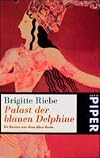
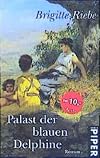
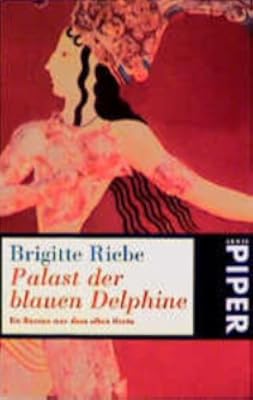
Kreta im Jahr 1500 v. Chr.: Der Hirtenjunge Asterios begegnet der schönen Königstochter Ariadne. Beide verlieben sich ineinander, doch dunkle Schatten liegen über ihrer Beziehung: Asterios ist der Auserwählte, und bald schon muss er der großen Göttin dienen und gefahrvolle Aufgaben bewältigen. Düstere Visionen, die Asterios nachts überkommen, künden außerdem von einer Naturkatastrophe ... Die aufregende Neudeutung einer antiken Sage!Tags
Recommendations



































Member Reviews
Author's retelling of both the Ariadne/Theseus/Labyrinth/Minotaur myth together with Daedalus/Icarus myth set against the background of ca. 1500 BC Crete. Very enthralling narrative and fascinating how the author interwove the two myths. The Minotaur here is a young man named Asterios who has the gift of Second Sight. The religion on the island is that of the Great Mother, the female principle of fertility. She has priestesses, but Asterios is made the first male priest, first undergoing an initiation into consecration involving bull leaping, something called the Crane Dance, then navigating the Labyrinth, the last symbolizing one's passing from death to life. He becomes involved with the royal family at the "Palace of the Blue show more Dolphins", so-named after a fresco there, which has since been found by archaeologists. Asterios and a princess, Ariadne, fall in love. Then arrives from Athens hostages along with the son of that king, Theseus, who I found to be most unpleasant: impulsive, selfish, stubborn. Then Theseus seduces Ariadne; he doesn't return her tender feeling toward him. Asterios has predicted a volcanic eruption, which will destroy the island if people don't escape but he is not believed. Asterios will live in the Labyrinth, wearing a bull mask, as protector of the goddess. Theseus, with Ariadne's help--the thread, which Daedalus creates for her--enters and wounds Asterios nearly to death, stealing the bull mask. Daedalus and son attempt to fly in a contraption they have built--a balloon? Daedalus leaves the island, although his son is killed. Ariadne and another princess, along with the hostages flee towards Athens but Ariadne is abandoned on Naxos. The volcano does erupt, and the Palace of the Blue Dolphins with all inhabitants is destroyed.
This novel kept me riveted all through. I did know the basic myths but I was struck by the originality of the author and how she connected them, along with their outcomes. It took awhile for the story to build and sometimes was slow but the last few chapters astounded me. With the volcanic eruption, I kept thinking that the island the author meant was the present-day Santorini and she confirmed this in her Epilogue. I thought also the story was a fictional depiction of matriarchy being replaced by patriarchy.
Highly recommended. show less
This novel kept me riveted all through. I did know the basic myths but I was struck by the originality of the author and how she connected them, along with their outcomes. It took awhile for the story to build and sometimes was slow but the last few chapters astounded me. With the volcanic eruption, I kept thinking that the island the author meant was the present-day Santorini and she confirmed this in her Epilogue. I thought also the story was a fictional depiction of matriarchy being replaced by patriarchy.
Highly recommended. show less
Ratings
Members
- Recently Added By
Lists

Best historical fiction set in the ancient world
126 works; 40 members

Myth (Reuse and Retelling)
188 works; 24 members

Ancient Crete
39 works; 1 member
Author Information

50+ Works 382 Members
Common Knowledge
- Canonical title*
- Palast der blauen Delphine
- Original title
- Palast der blauen Delphine
- Original publication date
- 1996
- Important places*
- Kreta, Griechenland
- Epigraph*
- Wenn Ihr nicht Augen habt, um zu sehen, werdet Ihr Augen haben, um zu weinen.
Jean Paul - Dedication*
- Für Conny und Pollo, ohne die dieses Buch nie zum Leben erwacht wäre
- First words*
- Der schwarze Vulkan hatte lange geschlafen.
- Last words*
- (Click to show. Warning: May contain spoilers.)"Ich spreche von einer Suche nach der Erfahrung des Lebendigseins.
- Original language*
- Deutsch
*Some information comes from Common Knowledge in other languages. Click "Edit" for more information.
Classifications
Statistics
- Members
- 22
- Popularity
- 1,190,205
- Reviews
- 1
- Rating
- (3.00)
- Languages
- German
- Media
- Paper, Ebook
- ISBNs
- 6
- ASINs
- 1