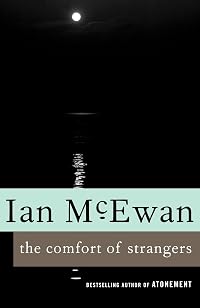
The Comfort of Strangers
by Ian McEwan
On This Page
Description
As their holiday unfolds, Colin and Maria are locked into their own intimacy. They groom themselves meticulously, as though there waits someone who cares deeply about how they appear. Then they meet a man with a disturbing story to tell and become drawn into a fantasy of violence and obsession.Tags
Recommendations










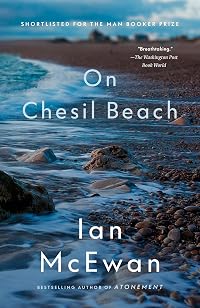

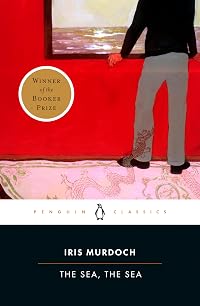
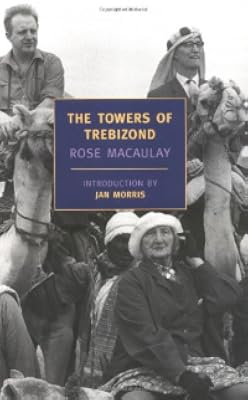



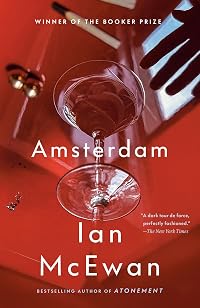





Member Recommendations

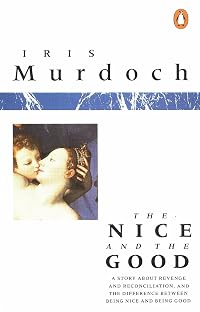
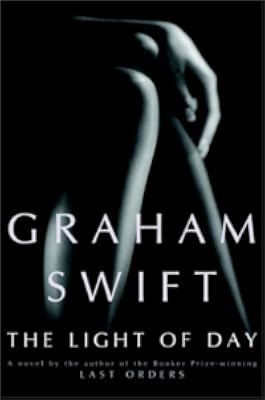
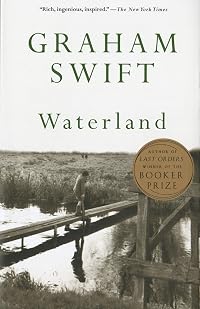
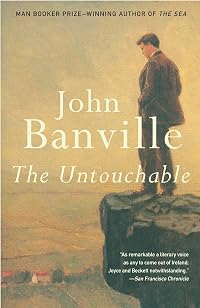
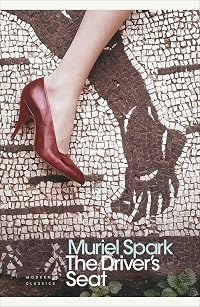
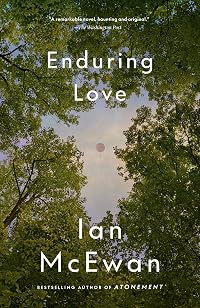
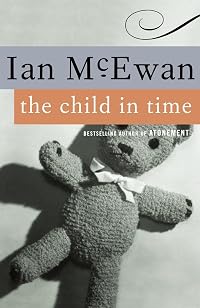
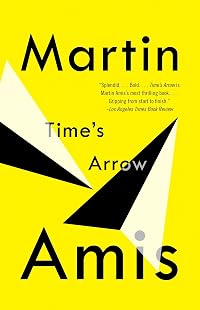
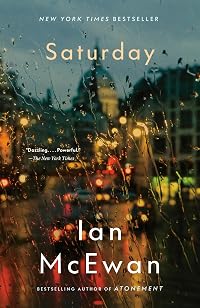
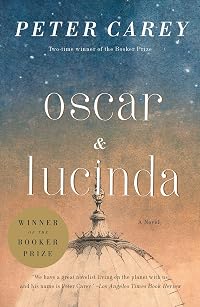
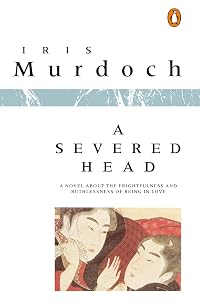
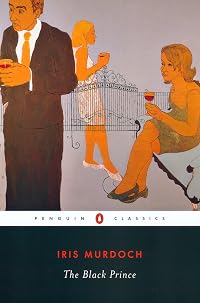
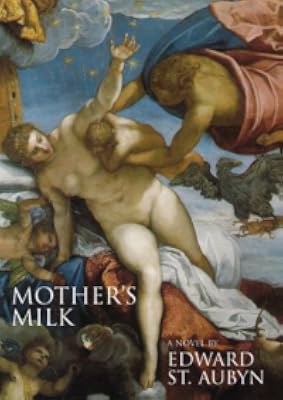
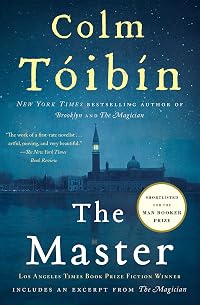
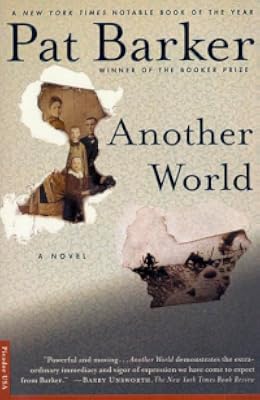
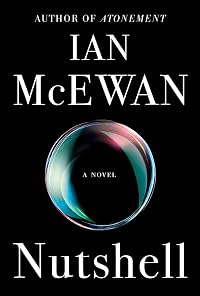
bluepiano Richly atmospheric and absorbing books--the Bowles, especially--depicting couples travelling abroad who fall in with slightly mysterious couples living abroad. The outcomes are not happiness all 'round.

pbirch01 Both are atmospheric novels set along the Mediterranean that involve psychological manipulation of foreign travelers by locals.
Member Reviews
Reason read: botm Dec 2024. What a horrid book. This reminded me of Crash and Crash May actually have more literary value. The story of a couple (not married) on vacation in Venice. Their relationship is meh, the setting is a set up for mysterious and unsettling themes of danger. So despite it being a location that should have been charming it is, instead, one of unsettling dangers. The title alludes to their meeting up with a man, Robert and his wife Caroline. This couple are simply awful and why anyone would even want a second run in with them is totally beyond comprehension. The themes of this book being the dark side of sexuality, seductive stranger danger, false intimacy through manipulation and dominance, and anxieties and show more repressed desires. There is nothing in this book that is comforting at all. I am going to rate it one star. It is my least favorite book by Ian McEwan. It was short listeed for the Booker and I am glad the judges did not think this one was a winner. show less
In this brief novel (published in 1981 when the author was 33), a British couple, Colin and Mary, are on holiday in an unnamed seaside town that bears more than a passing resemblance to Venice. Their relationship is mutually caring, but also one of powerful erotic allure and private intimacy. Both are physically attractive and know it, and Colin in particular spends an inordinate amount of time grooming. McEwan’s omniscient narrator paints a picture of two people so profoundly intertwined in almost every aspect of their waking lives that a cloistered exclusivity has evolved between them, as if they are trying to hold themselves aloof from the rest of humanity. They are preternaturally sensitive to one another’s needs and desires, show more and—once made aware—are more than willing to cater to those needs and desires. And yet when they are together an odd tension seems to exist between them. Mary is distracted: she has left her two children from a previous marriage in England and keeps in touch with them sporadically by phone. And both Colin and Mary at times seem bored and frustrated, with each other and their holiday, and occasionally assert their independent will by acting contrary to the other’s wishes. One day they get lost while following the town’s canals and traversing the narrow, winding pathways. Thirsty and tired, they allow an insistent stranger named Robert to lead them to a bar, where he regales them with stories of his personal history. Later, their resistance weakened, they go with Robert to his villa, where they meet his wife, Caroline, who has mobility issues and appears to suffer from some physical injury or deformity. At this point the story veers from the mesmerizing and dreamlike pseudo-reality that McEwan has so carefully constructed into a world of obsession and depravity. Robert and Caroline are not what they seem, and once their intentions become clear, it’s too late for Colin and Mary to save themselves or each other. The story ends in the bewildering aftermath of violence, with blood staining the floor and a stunned Mary facing a series of painful, practical realities. The story is briskly told and gripping, if not entirely convincing. McEwan’s prose throughout is richly atmospheric. The narrative is psychologically probing and repeatedly demonstrates McEwan’s skill at evoking states of mind through setting and a character’s observation of physical detail. A haunting and memorable work that reflects McEwan’s preoccupation with deviant behaviours at this early stage of his career. show less
Colin and Mary are on an extended holiday in Venice. They spend long, lazy days idling in their hotel or wandering the streets, often getting lost. Late one evening, out in search of a restaurant, they meet a man named Robert who takes them to a nearby bar and, later, to his home. Robert is overly friendly and forward, but Colin and Mary are drawn to him in spite of their better judgement. Their time with Robert is inexplicably arousing, so much so that they spend the next few days sequestered in their hotel room. When they emerge they find themselves unconsciously drawn to Robert again. And things get really creepy and evil ... as if they weren't already.
Ian McEwan has written an expertly crafted thriller; I was riveted from the first show more few pages. As McEwan drove relentlessly toward the story's almost inevitable conclusion, I was actually relieved that the book was only 125 pages -- the suspense and intensity would have been difficult for me had it been longer. I had picked this book up quite by accident, in need of a short read while waiting for library books. I was very pleasantly surprised by its quality & punch. show less
Ian McEwan has written an expertly crafted thriller; I was riveted from the first show more few pages. As McEwan drove relentlessly toward the story's almost inevitable conclusion, I was actually relieved that the book was only 125 pages -- the suspense and intensity would have been difficult for me had it been longer. I had picked this book up quite by accident, in need of a short read while waiting for library books. I was very pleasantly surprised by its quality & punch. show less
A sucker-punch of a book, truly and fiercely. I don't want to say much more than that - but it is a scintillating read, with some of the best descriptions of both place and people that I have come across this year.
Þetta er önnur bókin sem ég les eftir McEwan og sannarlega ekki sú síðasta. Báðar sögurnar eru sterkar og eftirminnilegar, sláandi og heillandi.
Þessi lýsir samkomulagi pars sem statt er í fríi saman í Feneyjum. Komin er þreyta og leiði í sambandið. Andrúmsloftið er allt þrúgandi og kæfandi. Lesandi finnur fyrir óhugnaði sem nálgast hjónakornin. Ítali gefur sig að þeim, að því er virðist fyrir tilviljun. Þau heillast af honum og konu hans þótt óhug setji að þeim um leið. Áhrif kynna þeirra virka þó sem ferskur andblær á samband parsins og þau dragast að þeim ítalska og konu hans líkt og fiðrildi að kertaloga.
Þessi lýsir samkomulagi pars sem statt er í fríi saman í Feneyjum. Komin er þreyta og leiði í sambandið. Andrúmsloftið er allt þrúgandi og kæfandi. Lesandi finnur fyrir óhugnaði sem nálgast hjónakornin. Ítali gefur sig að þeim, að því er virðist fyrir tilviljun. Þau heillast af honum og konu hans þótt óhug setji að þeim um leið. Áhrif kynna þeirra virka þó sem ferskur andblær á samband parsins og þau dragast að þeim ítalska og konu hans líkt og fiðrildi að kertaloga.
Colin and Mary are unmarried, unhappy lovers on vacation. Bored with each other and frustrated with their foreign holiday destination (probably Venice or Rome), they are constantly having to remind each other and themselves they are on holiday and are supposed to be relaxing and enjoying themselves. Their disdain for each other annoyed me at times. For the couple getting lost in the ancient, winding, narrow streets wasn't supposed to be a problem because they have nowhere specific to be. Colin and Mary go on like this until suddenly, the story changes gears after a native enters their bored bubble. That chance meeting changes the course of their lives forever. It is a psychological, violent, erotic second half to the book, full of sex show more and selfishness. From the moment, Robert, the charismatic stranger, comes into the picture nothing seems normal again. show less
Every time I approach an Ian McEwan review—all but the first time, I guess—I feel some dread. McEwan is an author who garners such strong opinions, good and bad. Some think he is a hack writer, overly elaborate with his prose and plots, offensive to say the least. Others think he has incredible talent, that his stories brim with the kind of details that bring them to life. There's probably truth in both arguments, though in the end they're just opinions. Whatever the general views of McEwan and his stories, reviews of McEwan's work can lead to excessive raising of the eyebrows, eye rolling, and unfriending (though I could be exaggerating).
I throw myself in with those enamored with McEwan. That's not to say I love everything he's show more written, but I do find myself always thoroughly entertained. Having read some of McEwan's most popular and highly acclaimed works, I've made it a point to read the author's earliest books and work my way through his career. If you've read my reviews of McEwan's first two books, First Love, Last Rites or The Cement Garden, you probably know that old McEwan had a distinctly macabre style once upon a time. In fact, his earliest works remind me considerably of the kinds of stories Stephen King might have written.
The Comfort of Strangers, McEwan's second novel, continues this King comparison, but also shows a break from it. It's not as dark as his earlier efforts, but depravity is still present. The primary difference is that The Comfort of Strangers shows more of McEwan's elaborate style. There was a hint of the literary in McEwan's first books, but here it's strong. The descriptions in The Comfort of Strangers really evoke the setting, pulling the reader in. Even when the story began to disappoint, which it did for me, I wanted to keep reading. Even when I myself began to roll my eyes and recognize the signature overwrought plot, I was so engaged that I couldn't pull away. McEwan is guilty in this one of forcing the characters into the story. It is evident that they have no other path than the one the author makes for them. There's not even an illusion that they have free will. So, in the end, I was disappointed with this story, but there was never a moment I wasn't entertained. And that's something. show less
I throw myself in with those enamored with McEwan. That's not to say I love everything he's show more written, but I do find myself always thoroughly entertained. Having read some of McEwan's most popular and highly acclaimed works, I've made it a point to read the author's earliest books and work my way through his career. If you've read my reviews of McEwan's first two books, First Love, Last Rites or The Cement Garden, you probably know that old McEwan had a distinctly macabre style once upon a time. In fact, his earliest works remind me considerably of the kinds of stories Stephen King might have written.
The Comfort of Strangers, McEwan's second novel, continues this King comparison, but also shows a break from it. It's not as dark as his earlier efforts, but depravity is still present. The primary difference is that The Comfort of Strangers shows more of McEwan's elaborate style. There was a hint of the literary in McEwan's first books, but here it's strong. The descriptions in The Comfort of Strangers really evoke the setting, pulling the reader in. Even when the story began to disappoint, which it did for me, I wanted to keep reading. Even when I myself began to roll my eyes and recognize the signature overwrought plot, I was so engaged that I couldn't pull away. McEwan is guilty in this one of forcing the characters into the story. It is evident that they have no other path than the one the author makes for them. There's not even an illusion that they have free will. So, in the end, I was disappointed with this story, but there was never a moment I wasn't entertained. And that's something. show less
Members
- Recently Added By
Lists

1001 Books You Must Read Before You Die
1,448 works; 1,136 members

Read the book and saw the movie
1,170 works; 195 members

Booker Prize
491 works; 62 members

Books Set in Italy
167 works; 19 members

Dishonourable Mentions of 2013
189 works; 63 members
Booker Prize Shortlist: Titles Read
103 works; 10 members

Man Booker Prize Longlist 1981
7 works; 2 members

Venice
9 works; 2 members

Books Purchased July-December 2016
81 works; 1 member

The Guardian’s 20 brilliant books you can read in a day
20 works; 2 members
Author Information

80+ Works 100,149 Members
Ian McEwan was born in Aldershot, England on June 21, 1948. He received a B.A. in English Literature from the University of Sussex and an M.A. in English Literature from the University of East Anglia. He writes novels, plays, and collections of short stories including In Between the Sheets, The Cement Garden, The Comfort of Strangers, The show more Innocent, Black Dogs, The Daydreamer, Enduring Love, Sweet Tooth, The Children Act and Nutshell. He has won numerous awards including the 1976 Somerset Maugham Award for First Love, Last Rites; the 1987 Whitbread Novel Award and the 1993 Prix Fémina Etranger for The Child in Time; the 1998 Booker Prize for Fiction for Amserdam; the 2002 W. H. Smith Literary Award, the 2003 National Book Critics' Circle Fiction Award, the 2003 Los Angeles Times Prize for Fiction, and the 2004 Santiago Prize for the European Novel for Atonement; and the 2006 James Tait Black Memorial Prize for Saturday. (Bowker Author Biography) show less
Some Editions
Awards and Honors
Series
Belongs to Publisher Series
Work Relationships
Common Knowledge
- Canonical title*
- Vieraan turva
- Original title
- The Comfort of Strangers
- Original publication date
- 1981
- People/Characters
- Colin; Mary; Robert; Caroline
- Important places
- Venetsia, Italia; Venice, Veneto, Italy
- Related movies
- The Comfort of Strangers (1990 | IMDb)
- Epigraph*
- kuinka me asuimme kahdessa maailmassa
tyttäret ja äidit
poikien kuningaskunnassa
Adrienne Rich
Matkustaminen on brutaalia. Se pakottaa ihmisen luottamaan vieraisiin ja kadottamaan näköpiiristään tuon kaiken kodin ja ystävien tutun turvan. Ihminen on lakkaamatta poissa tasapainosta. Mikään ei ole hänen paitsi ol... (show all)ennaisuudet — ilma, uni, unet, meri, taivas — kaikki mikä viittaa ikuiseen tai siihen mitä me siitä kuvittelemme.
Cesare Pavese - First words*
- Joka iltapäivä, koko kaupungin alkaessa hotellihuoneen tummanvihreiden ikkunaluukkujen tuolla puolen liikehtiä, terästyökalujen järjestelmällinen kilkatus vasten hotellin kahvilaponttoniin kiinnittyneitä rautaproomuja... (show all) herätti Colinin ja Maryn.
- Last words*
- (Click to show. Warning: May contain spoilers.)Hän laski salkkunsa maahan, kohenteli valkoisia kovitettuja kalvosimiaan ja tarjoutui huomaavaisesti, tuskin havaittavaan kumarruksen taipuen, saattamaan Maryn takaisin hotelliin.
*Some information comes from Common Knowledge in other languages. Click "Edit" for more information.
Classifications
Statistics
- Members
- 2,500
- Popularity
- 7,738
- Reviews
- 59
- Rating
- (3.42)
- Languages
- 19 — Czech, Danish, Dutch, English, Finnish, French, German, Hebrew, Icelandic, Italian, Latvian, Norwegian (Bokmål), Polish, Portuguese, Romanian, Russian, Spanish, Swedish, Turkish
- Media
- Paper, Audiobook, Ebook
- ISBNs
- 69
- ASINs
- 13