Street Gang: The Complete History of Sesame Street
by Michael Davis
On This Page
Description
In advance of the 40th anniversary of Sesame Street, comes Street Gang, Michael Davis's compelling--and often comical--story of the creation and history of the media masterpiece and pop culture landmark, told with the cooperation of one of the show's cofounders, Joan Ganz Cooney. Sesame Street was born as a result of a discussion at Cooney's home about the poor quality of children's programming, and hit the air as a big bang of creative fusion from Jim Henson and company, quickly rocketing show more to success. Street Gang, traces the evolution of the show from its inspiration in the civil rights movement through its many ups and downs--from Nixon trying to cut off its funding to the rise of Elmo--via the remarkable personalities who have contributed to it, and reveals how it has taught millions of children not only their letters and numbers, but cooperation and fair play, tolerance and self-respect, conflict resolution, and the importance of listening. This is the unforgettable story of five decades of social and cultural change, and the miraculous creative efforts, passion and commitment of writers, producers, directors, animators and puppeteers who have created one of the most influential shows in the history of television. show lessTags
Recommendations

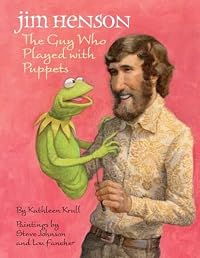

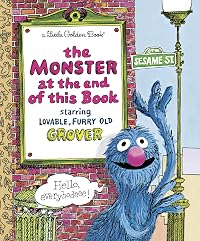
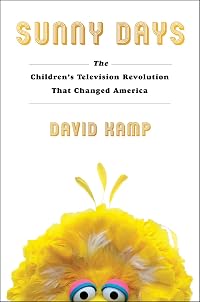

















Member Recommendations
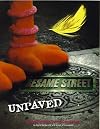
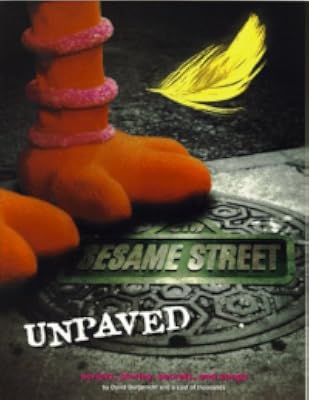
lorax "Unpaved" is an extensively illustrated coffee-table history of Sesame Street, with pictures and tidbits rather than the extensive biographies of every participant that made "Street Gang" such a slow read for many. A much better nostalgia fix.
83
geophile People interested in children's television programming may enjoy both of these books.
Member Reviews
"If Sesame Street is the most successful show on television, it is also the most analyzed, criticized, evaluated, debated, debunked, championed, viewed with alarm, pointed to with pride, interpreted, misinterpreted, and overinterpreted media event since William Randolph Hearst declared war on Spain:---Ron Powers, television critic for the Chicago Sun-Times, 1970 (one year into the life of "Sesame Street").
Conceived in 1965 by television producer Joan Cooney and experimental psychologist Lloyd Morrisett, and born in 1969, "Sesame Street" became an overnight success after four years of gestation.
In Street Gang, Michael Davis takes us through the entire history of "Sesame Street". From research into how children watch television and learn show more (short segments, "jingles", colors, animation) to the decision to have Sesame Street, itself, an inner city street, to funding, to hiring everybody both in front of and behind the cameras.
Davis includes small biographies on each of the players as they arrive on the scene. The reader gets to know "Gordon and Susan" (Matt Robinson/Roscoe Orman and Loretta Long), Jim Henson and Frank Oz, Joe Raposo and Jon Stone, and countless other professionals and entertainers who strove to make "Sesame Street" the most innovative children's program on television yet.
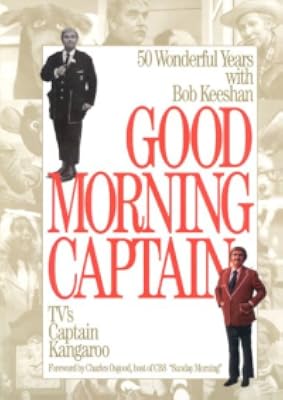
Street Gang also gives a bit of background on earlier children's programming..."The Howdy Doody Show", "Kukla, Fran and Ollie" and, possibly most importantly, "Captain Kangaroo".
Writers and producers (including Jon Stone) from "Captain Kangaroo" were involved in the development and production of "Sesame Street". The character of Mr. Hooper (portrayed by Will Lee) was created as homage to Bob Keeshan (Captain Kangaroo). Although, reading through Street Gang, one would think it was actually Oscar the Grouch (brought to life by Caroll Spinney) who was meant to mirror Keeshan.
This is probably the most comprehensive book you will ever read about any television show. Yet, far from being a dry tome, author Michael Davis keeps Street Gang flowing (much like "Sesame Street", itself) with quick moving scenes, so the reader is never bogged down in the details that could easily become tiresome, such as the financial and political wranglings in creating and keeping this show on the air. Davis gives us just enough at just the right time to keep the story flowing.
If you have any doubt about whether you should read Street Gang, pick it up, read the prologue...and then enjoy the rest of the book. show less
Conceived in 1965 by television producer Joan Cooney and experimental psychologist Lloyd Morrisett, and born in 1969, "Sesame Street" became an overnight success after four years of gestation.
In Street Gang, Michael Davis takes us through the entire history of "Sesame Street". From research into how children watch television and learn show more (short segments, "jingles", colors, animation) to the decision to have Sesame Street, itself, an inner city street, to funding, to hiring everybody both in front of and behind the cameras.
Davis includes small biographies on each of the players as they arrive on the scene. The reader gets to know "Gordon and Susan" (Matt Robinson/Roscoe Orman and Loretta Long), Jim Henson and Frank Oz, Joe Raposo and Jon Stone, and countless other professionals and entertainers who strove to make "Sesame Street" the most innovative children's program on television yet.
Street Gang also gives a bit of background on earlier children's programming..."The Howdy Doody Show", "Kukla, Fran and Ollie" and, possibly most importantly, "Captain Kangaroo".
Writers and producers (including Jon Stone) from "Captain Kangaroo" were involved in the development and production of "Sesame Street". The character of Mr. Hooper (portrayed by Will Lee) was created as homage to Bob Keeshan (Captain Kangaroo). Although, reading through Street Gang, one would think it was actually Oscar the Grouch (brought to life by Caroll Spinney) who was meant to mirror Keeshan.
This is probably the most comprehensive book you will ever read about any television show. Yet, far from being a dry tome, author Michael Davis keeps Street Gang flowing (much like "Sesame Street", itself) with quick moving scenes, so the reader is never bogged down in the details that could easily become tiresome, such as the financial and political wranglings in creating and keeping this show on the air. Davis gives us just enough at just the right time to keep the story flowing.
If you have any doubt about whether you should read Street Gang, pick it up, read the prologue...and then enjoy the rest of the book. show less
Like many in my generation, I grew up with Sesame Street. It was an integral part of my childhood, so as an adult I was thrilled to find a book about the show's conception and history. I found this book absolutely fascinating. The sheer vision behind the show was astounding, as was the dedication of all involved. I actually teared up when Davis was writing about Jim Henson's funeral. Davis did a fantastic job detailing Sesame Street's predecessors, its creation, and it's evolution over the years.
To say that I went into this wanting -- and expecting -- to like this book would be an understatement. I love Sesame Street. It is entirely possible that Sesame Street taught me to read. And I met the author at a panel and book signing, and he appeared to be an extremely nice guy.
I just wish he'd written a better book.
This is a book that spends lots of time obsessing over some aspects of Sesame Street's creation, while glossing over details and leaving out other important bits entirely. Chapters are spent on Captain Kangaroo, both in its own right as a predecessor, and as a training ground for several people who would later work on Sesame Street, including Tom Whedon, Jon Stone, and Dave Connell. Much is made of bad blood between Stone show more and Connell from that program, culminating on page 137 with "They would never be bowling partners, but they did agree to work together. Over time and true to form, Connell was more successful at burying past differences than Stone."
That, boys and girls, is what we call "foreshadowing." It is the sort of thing one takes as a setup, holding in the back of one's mind, waiting for the bit where Stone snaps and trouble breaks out. But in this book, that bit never comes. The tension between the two is never mentioned again.
Chekhov advised playwrights never to bring a gun onto the stage if they didn't intend to fire it. The author of this book heaps guns onto the mantel and judges that good enough.
Perhaps more to the point, this is a "complete history of Sesame Street" that spends about two chapters on Captain Kangaroo and one sentence on Roscoe Orman, who's played Gordon since 1974.
(Matt Robinson, the first Gordon, gets a few pages, but there is no mention of him leaving, let alone any explanation given for why he did, or any mention of how children -- or anyone else -- reacted to the switch. For that matter, Hal Miller, who played the role between the two, isn't mentioned at all.)
It's a nice try, I suppose, and there's some good material here. But the complete history of Sesame Street has yet to be written. show less
I just wish he'd written a better book.
This is a book that spends lots of time obsessing over some aspects of Sesame Street's creation, while glossing over details and leaving out other important bits entirely. Chapters are spent on Captain Kangaroo, both in its own right as a predecessor, and as a training ground for several people who would later work on Sesame Street, including Tom Whedon, Jon Stone, and Dave Connell. Much is made of bad blood between Stone show more and Connell from that program, culminating on page 137 with "They would never be bowling partners, but they did agree to work together. Over time and true to form, Connell was more successful at burying past differences than Stone."
That, boys and girls, is what we call "foreshadowing." It is the sort of thing one takes as a setup, holding in the back of one's mind, waiting for the bit where Stone snaps and trouble breaks out. But in this book, that bit never comes. The tension between the two is never mentioned again.
Chekhov advised playwrights never to bring a gun onto the stage if they didn't intend to fire it. The author of this book heaps guns onto the mantel and judges that good enough.
Perhaps more to the point, this is a "complete history of Sesame Street" that spends about two chapters on Captain Kangaroo and one sentence on Roscoe Orman, who's played Gordon since 1974.
(Matt Robinson, the first Gordon, gets a few pages, but there is no mention of him leaving, let alone any explanation given for why he did, or any mention of how children -- or anyone else -- reacted to the switch. For that matter, Hal Miller, who played the role between the two, isn't mentioned at all.)
It's a nice try, I suppose, and there's some good material here. But the complete history of Sesame Street has yet to be written. show less
Like many in my generation, I grew up watching Sesame Street, but I didn't know anything about it behind the scenes. I didn't know, for example, that Sesame Street was in some ways the beginning of modern public television. It was groundbreaking in so many ways, from its format to the vast body of child development research on which it relied. I had this vague idea that Jim Henson was behind most of it, but while the importance of his amazing Muppet characters cannot be overstated, he neither created nor wrote the show, and many of the actors and puppeteers on Sesame Street weren't even involved in Henson's other projects.
I probably stopped paying any attention to Sesame Street sometime in the late 1980s, so I would have appreciated a show more little bit more recent history, but the description of the show's genesis and how everyone found their way onto it was simply fascinating. Definitely recommended to any fan of children's television. A warning, though: the book starts with Jim Henson's memorial service, so be prepared to get a bit choked up right off the bat. It gets happier after that, though.
A note on the audio: this book is read by Caroll Spinney, AKA Big Bird and Oscar the Grouch. There's even a bonus interview with him at the end. Truly charming. show less
I probably stopped paying any attention to Sesame Street sometime in the late 1980s, so I would have appreciated a show more little bit more recent history, but the description of the show's genesis and how everyone found their way onto it was simply fascinating. Definitely recommended to any fan of children's television. A warning, though: the book starts with Jim Henson's memorial service, so be prepared to get a bit choked up right off the bat. It gets happier after that, though.
A note on the audio: this book is read by Caroll Spinney, AKA Big Bird and Oscar the Grouch. There's even a bonus interview with him at the end. Truly charming. show less
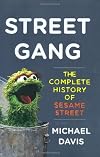
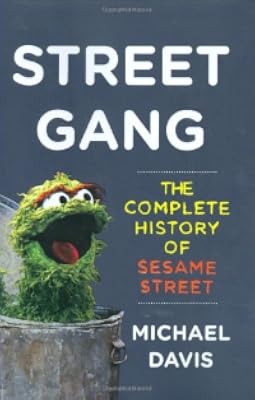
How can you resist a book with Oscar the Grouch on the cover? My children loved Sesame Street and on occasion, in a pinch – don’t cringe at the thought – it was indeed an electronic babysitter. Having been fortunate enough to be a stay at home mom while my children were preschoolers I like to think I had a big impact on their early education, however, I must give Sesame Street its due in helping them start kindergarten knowing more than the basics.
Mr. Davis does a superb job of giving us the history not only behind the creation of Sesame Street but also of the iconic shows (Howdy Doody, Captain Kangaroo) that were to precursors to this longest running children’s show on television. The little pieces of history and trivia about show more the actors were priceless tidbits.
Starting out as dinner table conversation the concept of educational children’s programming fell firmly into the hands of Joan Ganz Cooney. She did the research and initiated the funding. The first two thirds of the book deals with these topics, so for die-hard Sesame Street fans it may seem a little tedious, but keep reading, the importance becomes apparent.
Mr. Davis clearly explains how this show was ground breaking on so many levels – it incorporated multiculturalism, dealt with age and gender issues, it did not shy aware from real life issues such as birth, death, marriage, love and loss, pain and pleasure.
Of course the chapters dealing directly with the creative side of the program were not only interesting but fun. The history of puppetteering and the meeting of minds between Jim Henson and Frank Oz are fascinating.
Interestingly enough Mr. Davis does not gloss over the less attractive aspects of the show and its production including, the progression of the show to its current form, the behind the scenes tensions, actors coming and going and being human, and the sale to Disney Corporation.
The book draws to a close with a beautiful recollection and tribute to Mr. Henson’s memorial service.
Having read some other reviews of the book, readers are saying there were many things left out. I say how can you possibly include everything? In my opinion this a wonderful tribute to a piece of programming history and all the people involved in making it happen. I listened to the audio version narrated brilliantly by Caroll Spinney (the long time voices of Big Bird and Oscar the Grouch). show less
Mr. Davis does a superb job of giving us the history not only behind the creation of Sesame Street but also of the iconic shows (Howdy Doody, Captain Kangaroo) that were to precursors to this longest running children’s show on television. The little pieces of history and trivia about show more the actors were priceless tidbits.
Starting out as dinner table conversation the concept of educational children’s programming fell firmly into the hands of Joan Ganz Cooney. She did the research and initiated the funding. The first two thirds of the book deals with these topics, so for die-hard Sesame Street fans it may seem a little tedious, but keep reading, the importance becomes apparent.
Mr. Davis clearly explains how this show was ground breaking on so many levels – it incorporated multiculturalism, dealt with age and gender issues, it did not shy aware from real life issues such as birth, death, marriage, love and loss, pain and pleasure.
Of course the chapters dealing directly with the creative side of the program were not only interesting but fun. The history of puppetteering and the meeting of minds between Jim Henson and Frank Oz are fascinating.
Interestingly enough Mr. Davis does not gloss over the less attractive aspects of the show and its production including, the progression of the show to its current form, the behind the scenes tensions, actors coming and going and being human, and the sale to Disney Corporation.
The book draws to a close with a beautiful recollection and tribute to Mr. Henson’s memorial service.
Having read some other reviews of the book, readers are saying there were many things left out. I say how can you possibly include everything? In my opinion this a wonderful tribute to a piece of programming history and all the people involved in making it happen. I listened to the audio version narrated brilliantly by Caroll Spinney (the long time voices of Big Bird and Oscar the Grouch). show less
There were many parts that were really interesting but too much of the book (it doesn't even reach the air until halfway through) is devoted to the behind-the-scenes efforts that went into developing the show--pages and pages about dry educational studies, the history of public broadcasting, etc--that I wound up skimming over. Still, there are a lot of interesting anecdotes and insights into the creative people who put the show together. It was also fun to learn that Captain Kangaroo was a bit of an asshole.
First things first, I will echo a sentiment from another person's review and say that before embarking on this book, decide what kind of Sesame Street fan you are. If you want to go back for a look at favorite characters, scenes, performers, puppeteers, and even a little bit into the psychology behind the show, turn to Sesame Street Unpaved. Seriously. This one will bore you to death. And there's nothing wrong with that--I totally get the neutral to negative reviews I've read so far concerning this book. But if you need to know more, more, more, and are interested in every possible thing that might surround Sesame Street and its origins, and are OK with the fact that it takes half the book for the show to even air, then this book is show more pretty cool.
Like most of my peers, I grew up on Sesame Street. And like many things in my young life, I had completely taken it and all other things educational for granted...I mean, c'mon. People have to PLAN this stuff? Don't teachers just tell you stuff and you just learn it? I think my first true revelation about education came late in high school when I came across Sesame Street Unpaved, which actually discussed the theory behind the show. This concept inspired a new sense of awe in me--the realization that I was part of the target audience for deeply considered formulas designed specifically to make me a more well-rounded human being, academically and psychologically. Sure learning prepositions and how to count in Spanish and that crayons don't grow on trees was one thing, but wasn't it just entertainment? My appreciation for the show on this level has continued to grow since.
I loved this book for the history of television, of which I had no perspective (I was born in the 80s...the world WAS television), and for the history of children's television (I was born in the 80s...children's television WAS Sesame Street). I loved learning about the years of research involved leading up to the first season. I loved its discussion of Sesame Street's development out of all things cultural, political, and commercial of the 1950s and 60s. I even loved the somewhat overkill of giving a biography on every person who so much as sneezed on the show. I loved learning about government funding and business. I loved learning how the focus of the show has swayed over the decades and the motives behind such decisions. I love that I have another reason to dislike Barney, have a growing distrust of Disney, and that I grew up on a Sesame Street that designed its curriculum around education and not how-can-we-make-this-as-PC-as-possible and will-this-character-make-us-lots-of-money (not that I entirely blame them...the money's gotta come from somewhere) (also, make your own conclusions about how this might reflect our current education situation) (also--holy cow--almost all the founding fathers of the show died in about a 10-year period between the late 80s and the late 90s...talk about upheaval). And finally, I love Jim Henson (still).
This book has been meticulously researched. You could just skim to the parts that matter to you, but good luck. The chapters don't have titles, and there's so much information, it's hard to separate what's crucial and what isn't. Davis' delivery is enthusiastic, but seems somewhat fair most of the time in talking about the strengths and weaknesses of the show as well as of those involved (the only time I really strayed was on Cooney's somewhat hypocritical attitude towards the feminist complaints early on concerning the lack and limited range of female characters on the show). Also note that Davis is over-the-top at times...in fact, some phrases sound straight out of TV Land they're so corny. There are lots of "little did he know" moments. If you are truly interested in the content and can get over some of the stylistic setbacks, I wholeheartedly recommend this book to you. show less
Like most of my peers, I grew up on Sesame Street. And like many things in my young life, I had completely taken it and all other things educational for granted...I mean, c'mon. People have to PLAN this stuff? Don't teachers just tell you stuff and you just learn it? I think my first true revelation about education came late in high school when I came across Sesame Street Unpaved, which actually discussed the theory behind the show. This concept inspired a new sense of awe in me--the realization that I was part of the target audience for deeply considered formulas designed specifically to make me a more well-rounded human being, academically and psychologically. Sure learning prepositions and how to count in Spanish and that crayons don't grow on trees was one thing, but wasn't it just entertainment? My appreciation for the show on this level has continued to grow since.
I loved this book for the history of television, of which I had no perspective (I was born in the 80s...the world WAS television), and for the history of children's television (I was born in the 80s...children's television WAS Sesame Street). I loved learning about the years of research involved leading up to the first season. I loved its discussion of Sesame Street's development out of all things cultural, political, and commercial of the 1950s and 60s. I even loved the somewhat overkill of giving a biography on every person who so much as sneezed on the show. I loved learning about government funding and business. I loved learning how the focus of the show has swayed over the decades and the motives behind such decisions. I love that I have another reason to dislike Barney, have a growing distrust of Disney, and that I grew up on a Sesame Street that designed its curriculum around education and not how-can-we-make-this-as-PC-as-possible and will-this-character-make-us-lots-of-money (not that I entirely blame them...the money's gotta come from somewhere) (also, make your own conclusions about how this might reflect our current education situation) (also--holy cow--almost all the founding fathers of the show died in about a 10-year period between the late 80s and the late 90s...talk about upheaval). And finally, I love Jim Henson (still).
This book has been meticulously researched. You could just skim to the parts that matter to you, but good luck. The chapters don't have titles, and there's so much information, it's hard to separate what's crucial and what isn't. Davis' delivery is enthusiastic, but seems somewhat fair most of the time in talking about the strengths and weaknesses of the show as well as of those involved (the only time I really strayed was on Cooney's somewhat hypocritical attitude towards the feminist complaints early on concerning the lack and limited range of female characters on the show). Also note that Davis is over-the-top at times...in fact, some phrases sound straight out of TV Land they're so corny. There are lots of "little did he know" moments. If you are truly interested in the content and can get over some of the stylistic setbacks, I wholeheartedly recommend this book to you. show less
Members
- Recently Added By
Lists

Unshelved Book Clubs
579 works; 5 members
Author Information

1 Work 789 Members
Michael Davis has worked for the Baltimore Sun and Chicago Sun-Times. From 1998 - 2007, he was the senior editor and family TV columnist for TV Guide. Street Gang: The Complete History of Sesame Street is his first book. (Bowker Author Biography)
Work Relationships
Has the adaptation
Common Knowledge
- Original title
- Street Gang: The Complete History of Sesame Street
- Original publication date
- 2008
- People/Characters
- Jim Henson; Frank Oz; Grover; Bert [Sesame Street]; Ernie [Sesame Street]; Oscar the Grouch (show all 104); Zoe [Sesame Street]; Edith Zornow; Victoria F. Zonna; Benny Yoshida; Norton Wright; Larry Wolters; Sheldon Wolfchild; Dakota Starblanket "Cody" Wolfchild; Janet Wolf; Elsie Wolf; Mo Willems; Max Wilk; Steve Whitmire; Sheldon White; John F. White; Tom Whedon; Josh Whedon; Avram "Av" Westin; Anne Grant West; Reinald Werrenrath Jr; Frank Wells; Caspar Weinberger; Wee Willie Winter Singers; Sylvester "Pat" Weaver; Fred Waring; F. Champion "Champ" Ward; Russell Wall; Judy Valentine; Dean Valentine; Leslie Uggams; Terry Turner; Burr Tillstrom; Elmo; Pat Thurman; Jean-Baptiste Frederic Isidor "Toots" Thielemans; James Taylor; Tom Tausig; David Tatum; John Tartaglia; Jennifer Barnhart Tartaglia; Emily Swenson; Big Bird; Susan; Sully; Ed Sullivan; Dan Sullivan; Jule Sugarman; Stuart Sucherman; Polly Stone; Martin Stone; Lou Stone; Beverley Stone; Norman Stiles; Mike Stewart; Statler and Waldorf; Ed Stasheff; Mary Stagaman; Benjamin Spock; Jon Stone; Caroll Edwin Spinney; Anne Sperry; Susan Sontag; Weathermen; Snuffleupagus; Cecil Smith; Bob Smith; Dulcy Singer; Monica Sims; Lisa Simon; Fred Silverman; Richard K. Shull; Scott Shukat; Cathy Short; Sherry Netherland; Arlene Sherman; Sherlock Hemlock; Craig Shemin; John P. Shanley; Maurice Sendak; Kermit Scott; Virginia Schone; John A. "Jack" Schneider; David Sarnoff; Sam; Buffy Sainte-Marie; Don Sahlin; Inga Rundvold; David Rudman; Rowlf the Dog; Charles Rosen; Rufus Rose; Roosevelt Franklin; Annemarie Roeper; Matt Robinson; Marty Robinson; Holly Robinson; Dolores Robinson; Bob Keeshan
- Important places
- Sesame Street; Sesame Place theme park
- Important events
- Martin Luther King Assassination (1968)
- Related movies
- Captain Kangaroo; CBS Children's Film Festival (1967 | IMDb); The Electric Company (1971 | IMDb); Hey, Cinderella; Money; We're All the Same, We're All Different (show all 17); United States Steel Hour; Tinker's Workshop (1954 | IMDb); Christmas Eve on Sesame Street (1978 | IMDb); A Special Sesame Street Christmas (1978 | IMDb); Sing Along with Mitch (1961 | IMDb); Sing: Sesame Street Remembers Joe Raposo; See It Now (1951 | IMDb); Saturday Night Live (1975 | IMDb); Sam and Friends (1955 | IMDb); Rowan & Martin's Laugh-In (1967 | IMDb); Romper Room (1970 | IMDb)
- Dedication
- To Dave, Jeff, Jim, Joe, Jon, and Richard
- First words
- Prologue: Joan Ganz Cooney walked toward the corner of Amsterdam Avenue and 112th Street, lost in a fog of grief.
- Last words
- (Click to show. Warning: May contain spoilers.)Put a finger to your lips and say it as Jim Henson might: "Hmmmmm."
- Blurbers
- Oz, Frank; Toal, Drew
Classifications
- Genres
- Nonfiction, General Nonfiction, History, Biography & Memoir
- DDC/MDS
- 791.4372 — Arts & recreation Recreation, sports, and performing arts Public performances Motion pictures, radio, television, podcasting Motion pictures Films; screenplays Single films
- LCC
- PN1992.77 .S43 .D38 — Language and Literature Literature (General) Literature (General) Drama Broadcasting Television broadcasts
- BISAC
Statistics
- Members
- 796
- Popularity
- 34,914
- Reviews
- 46
- Rating
- (3.47)
- Languages
- English, French
- Media
- Paper, Audiobook, Ebook
- ISBNs
- 11
- ASINs
- 7