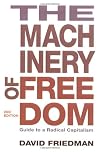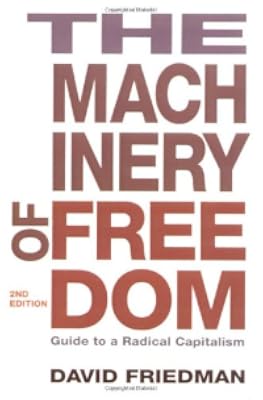
The Machinery of Freedom: Guide to a Radical Capitalism
by David D. Friedman
On This Page
Description
David Friedman's The Machinery of Freedom argues for the extension of free market solutions into every area of life, from streets and roads to law enforcement. Friedman applies mainstream economic theory to everyday problems, brushes aside fallacious economic reasoning, and answers the most likely objections to make a formidable case for replacing state coercion with free and voluntary transactions. Friedman examines the ethics of economic life and shows how property is essential to the show more maintenance of any society. He refutes misconceptions about the ethical consequences of property and contracts, especially those concerned with interest on capital and the distributive repercussions of recognizing people's property rights. He gives a clear analysis of the problem of monopoly, showing how attempts to create a monopoly without government help result in failure, and how government imposed monopoly helps a privileged group while hurting the general public. Earlier editions of this work gave rise to a long-running debate among economists about the feasibility or desirability of turning police, courts, and law over to the voluntary arrangements of individuals. This new edition explores the latest wrinkles in these debates, and makes the case that law creation and enforcement can efficiently emerge from voluntary interactions. show lessTags
Recommendations




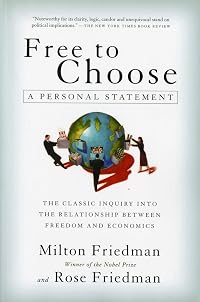

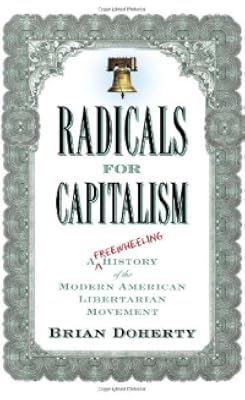

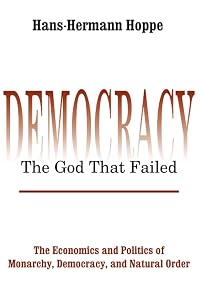

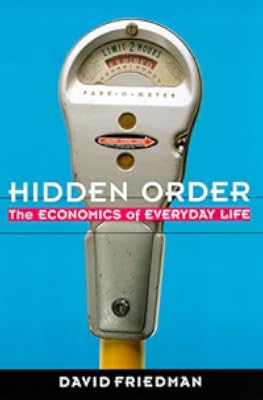






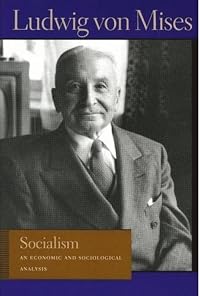
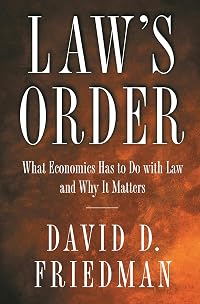
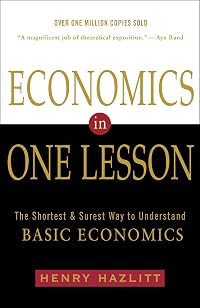

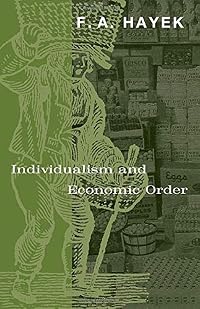









Member Recommendations
Member Reviews
I expected another worthy introduction to Libertarianism, but that's not what this is. Friedman does lay out the usual arguments about use of force and individual freedom. He extends from there into two less typical lines of thought. First, he introduced me to the ideas underlying anarchism, and how it means self-organized, mutual decision-making rather than complete chaos. He also provides a very thoughtful grounding in political philosophy, exploring the connections between libertarianism, utilitarianism, and pragmatism. He cuts apart any chance at purist libertarianism, using examples that would lead to initiating force against someone as the moral choice. He also introduces some extreme ideas beyond anarchy, the primary example show more being self-liberation for any child age 9 or older. show less
If David Friedman wanted to convert me into anarcho-capitalism with this book he failed at his task.
I'm not only not convinced that it is a viable idea for a functioning society, but I believe in it less as a result of reading this book.
It's not all bad though. The author touches upon some interesting aspects of the an-cap society I haven't read about before.
The book is organized very poorly. The chapter order is very incoherent, different portions of the book feel like separate entities not connected to one another, like a random stack of excerpts from different books.
Overall, not impressed. In case you are an anarcho-capitalist and want to share your philosophy with someone, this is not the book to recommend to them.
I'm not only not convinced that it is a viable idea for a functioning society, but I believe in it less as a result of reading this book.
It's not all bad though. The author touches upon some interesting aspects of the an-cap society I haven't read about before.
The book is organized very poorly. The chapter order is very incoherent, different portions of the book feel like separate entities not connected to one another, like a random stack of excerpts from different books.
Overall, not impressed. In case you are an anarcho-capitalist and want to share your philosophy with someone, this is not the book to recommend to them.
To me, this is very stimulating but rarely credible. The author is a personal friend, and I have debated many of these issues with him withoput either of us convincing the other.
Ratings
Members
- Recently Added By
Lists

Libertarian Books
102 works; 19 members

Top Five Books of 2015
811 works; 241 members

Ancap Part 2 - Beginner
12 works; 1 member
Author Information

16+ Works 1,174 Members
David D. Friedman is Professor of Law at Santa Clara University, California. His first book, The Machinery of Freedom: Guide to a Radical Capitalism, was published in 1973, remains in print, and is considered a libertarian classic. His scientific interest in the future is also long-standing. Professor Friedman's Web page, www.davidfriedman.com, show more averages more than 3,000 visitors a day, and his blog, Ideas, at http://daviddfriedman.blogspot.com, receives about 400 daily visits. show less
Classifications
- Genres
- Economics, Nonfiction, General Nonfiction, Politics and Government, Philosophy
- DDC/MDS
- 323.44 — Society, government, & culture Political science Civil Rights & Liberties/ Human Rights The state and the individual Liberty
- LCC
- JC585 .F76 — Political Science Political theory Political theory. The state. Theories of the state Purpose, functions, and relations of the state
- BISAC
Statistics
- Members
- 302
- Popularity
- 106,387
- Reviews
- 4
- Rating
- (3.63)
- Languages
- English, French, German
- Media
- Paper, Ebook
- ISBNs
- 9
- ASINs
- 2