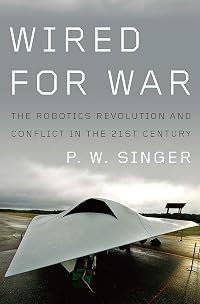
Wired for War: The Robotics Revolution and Conflict in the 21st Century
by P. W. Singer
On This Page
Description
A military expert reveals how science fiction is fast becoming reality on the battlefield, changing not just how wars are fought, but also the politics, economics, laws, and ethics that surround war itself.Tags
Recommendations













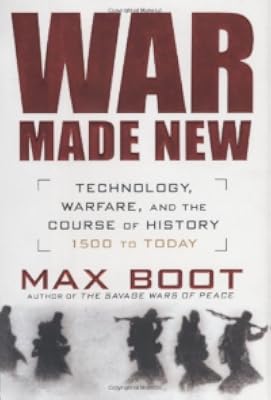


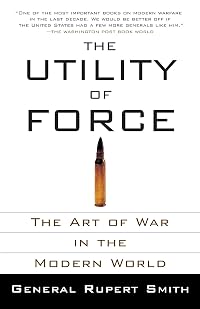










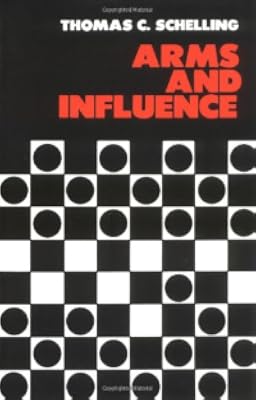
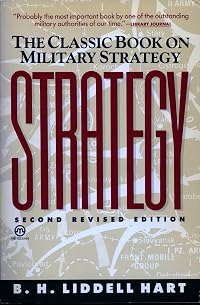












Member Recommendations

Member Reviews
Very informative on where robotics comes from, what trajectories might the innovation take, and the problems involved in that. A connoisseur at its best, with all the sort of argument-and-its-opposite that is typical in a topic in flux.
Wired for War 2009 by Peter Singer is an uneven book about the rapid introduction of robots into the military. It’s interesting that the book is called Wired for War, it could be called Wired on War as the book is like a long Wired article. Wired magazine, which is like Vogue for nerds, is an occasionally amusing read that is also uneven in quality. Singer has hit on a topic of considerable importance and this is the first mass audience book on the subject. Singer makes a lot of references to popular culture and other successful mass market non-fiction books. There is a tipping point to how many outliers you can have on the flat world before you blink.
The book is divided into two sections, the first is the change we are creating and show more the second is what change is creating for us. The books chapters jump all over the place. The past, the present and the future are all considered. The book starts with a look at the Packbot and TALON UGVs. The next chapter is a short history of robotics which rapidly flips into how the user interfaces on robots are built. This is typical of the way the book jumps around. The book rapidly gets to how science fiction has influenced robotics and Singer starts furiously dropping references to science fiction. The three laws of robotics are repeatedly mentioned, Star Trek, Star Wars, The Terminator get regular mentions. In a book on robots in war there is even a comparison of Star Trek and Doctor Who and how they reflect US and British culture.
The book does not look at the way in which control systems developed that has led to UAVs. There is a brief mention of the V1 and cruise missiles, but absent is discussion of the missiles used in jet aircraft which are really the first robotic vehicles, albeit kamikaze ones. The book has more mentions of Star Trek than the AMRAAM or Sidewinder. The book doesn’t look at in enough detail when near term UAVs are likely to replace other aircraft and which other aircraft are to be replaced. The Predator is discussed a lot, but no comparisons of the Predators record and cost against the A10 or Apache are made.
The book starts about being about robots and then becomes a mishmash of grand strategy and speculation. It doesn’t do this well. Singer does not question whether the US must fight potentially bankrupting wars across the globe against guerrillas. The book also does not discuss the fact that despite have superior weapons and robots the US won the 1990 Gulf War but has found the Afghan and Iraq Wars far more difficult propositions. There is no mention of the fact that the Predators are alleged by some to have killed many more civilians that guerrillas. According to Brian Cloughley writing in Informed Comment the Predator between Jan 14 2006 and April 8 2009 14 al-Queda leaders were killed but so were 537 civilians.
The book is still amusing and interesting in large parts. But it is too long and the scope too wide and too haphazardly put together to be a really good book. Robotic vehicles are probably the future of much of war and the subject is an interesting one, but Singer doesn’t do a good job of investigating the issue carefully and thoughtfully, instead choosing to throw in references to sci-fi and come up with chapter headings referencing Coen Brother’s films. show less
The book is divided into two sections, the first is the change we are creating and show more the second is what change is creating for us. The books chapters jump all over the place. The past, the present and the future are all considered. The book starts with a look at the Packbot and TALON UGVs. The next chapter is a short history of robotics which rapidly flips into how the user interfaces on robots are built. This is typical of the way the book jumps around. The book rapidly gets to how science fiction has influenced robotics and Singer starts furiously dropping references to science fiction. The three laws of robotics are repeatedly mentioned, Star Trek, Star Wars, The Terminator get regular mentions. In a book on robots in war there is even a comparison of Star Trek and Doctor Who and how they reflect US and British culture.
The book does not look at the way in which control systems developed that has led to UAVs. There is a brief mention of the V1 and cruise missiles, but absent is discussion of the missiles used in jet aircraft which are really the first robotic vehicles, albeit kamikaze ones. The book has more mentions of Star Trek than the AMRAAM or Sidewinder. The book doesn’t look at in enough detail when near term UAVs are likely to replace other aircraft and which other aircraft are to be replaced. The Predator is discussed a lot, but no comparisons of the Predators record and cost against the A10 or Apache are made.
The book starts about being about robots and then becomes a mishmash of grand strategy and speculation. It doesn’t do this well. Singer does not question whether the US must fight potentially bankrupting wars across the globe against guerrillas. The book also does not discuss the fact that despite have superior weapons and robots the US won the 1990 Gulf War but has found the Afghan and Iraq Wars far more difficult propositions. There is no mention of the fact that the Predators are alleged by some to have killed many more civilians that guerrillas. According to Brian Cloughley writing in Informed Comment the Predator between Jan 14 2006 and April 8 2009 14 al-Queda leaders were killed but so were 537 civilians.
The book is still amusing and interesting in large parts. But it is too long and the scope too wide and too haphazardly put together to be a really good book. Robotic vehicles are probably the future of much of war and the subject is an interesting one, but Singer doesn’t do a good job of investigating the issue carefully and thoughtfully, instead choosing to throw in references to sci-fi and come up with chapter headings referencing Coen Brother’s films. show less
Any book on existing technologies is going to date with alacrity, and this is no different. Having been published in 2009, it seems overly opportunistic that this was turned into a book. This should be a quarter its existing length, and even with that it would have required some very free-handed wielding of the editor's red pen. Essentially an over-extension of a magazine article, it is heavy on the cheer-leading descriptions and quotations, and all-too-scant on actual incisive analysis. The most enjoyable passages are when the lessons and ideas of other tacticians, strategists, and other miscellaneous thinkers of war are brought to bear.
The only way this could have been justified at its present length, and in the book form would be if show more Singer brought something new to the discussion, or if he had acted as some sort of referee in the debate whipping back and forth between the military and technology/research communities. Unfortunately, the need to gain and safe-guard access to military sources which a project such as this thrives on forbade the latter, which in turn prevented this transcending its decidedly ho-hum-brow nature to present some sort of intelligent and original argument.
If you are interested in technology and its military applications, I would advise you to steer clear of this. Far better to track down some magazine articles online, and subscribe to some sites such as http://singularitarian.tumblr.com/ show less
The only way this could have been justified at its present length, and in the book form would be if show more Singer brought something new to the discussion, or if he had acted as some sort of referee in the debate whipping back and forth between the military and technology/research communities. Unfortunately, the need to gain and safe-guard access to military sources which a project such as this thrives on forbade the latter, which in turn prevented this transcending its decidedly ho-hum-brow nature to present some sort of intelligent and original argument.
If you are interested in technology and its military applications, I would advise you to steer clear of this. Far better to track down some magazine articles online, and subscribe to some sites such as http://singularitarian.tumblr.com/ show less
It's like reading wikipedia. In fact the book is paraphrasing wikipedia articles. If a wikipedia page contains some trivia, be sure it will be included in the book when discussing the topic. This is not bad in itself but it does mean it's a very high level view, without going into detail on many of the subjects. There's probably a market for computer generated books based on wikipedia. Maybe this is the first? Would explain the really dire attempts at humour.
What convinced me of human authorship in the end was the outrageous statement that for something to be secure it needs to be closed source as if security through obscurity hasn't been debunked repeatedly over the past half century, again and again... you need braincells to say show more something like that. show less
What convinced me of human authorship in the end was the outrageous statement that for something to be secure it needs to be closed source as if security through obscurity hasn't been debunked repeatedly over the past half century, again and again... you need braincells to say show more something like that. show less
This is a good book, but not that well written. However, it's message about the use of unmanned weapons of war is fascinating and sobering. Unmanned bomber drones are just the beginning. Those sci-fi video games are closer to reality than we think.
Singer has spent a lot of time with the manufacturers and operators of military robots and shows that the armed forces have undergone a radical shift of attitude towards robotics over the last 5 years.
They have moved from rejection, to wholesale acceptance of devices such as the Predator (an ariel robot using remote control and GPS). It's cheaper than a jet fighter, can stay in the air longer, is more accurate, can operate at lower altitude and doesn't risk a pilot's life. It's now official policy, wherever possible, to switch to robotic fighting machines on land, sea and air.
He explores this fast changing situation and considers the issue of robot autonomy (robots collecting information and making their own decisions) concluding that show more humans are being increasingly "pushed out of the loop" for simple operational reasons. Basically they aren't fast enough and get in the way.
He reflects on the Singularity, and the widespread expectation of this event in the robotics community, and at the way that no one seems to care. They are very much focused on building better and more capable machines.
Overall a very interesting book. show less
They have moved from rejection, to wholesale acceptance of devices such as the Predator (an ariel robot using remote control and GPS). It's cheaper than a jet fighter, can stay in the air longer, is more accurate, can operate at lower altitude and doesn't risk a pilot's life. It's now official policy, wherever possible, to switch to robotic fighting machines on land, sea and air.
He explores this fast changing situation and considers the issue of robot autonomy (robots collecting information and making their own decisions) concluding that show more humans are being increasingly "pushed out of the loop" for simple operational reasons. Basically they aren't fast enough and get in the way.
He reflects on the Singularity, and the widespread expectation of this event in the robotics community, and at the way that no one seems to care. They are very much focused on building better and more capable machines.
Overall a very interesting book. show less
Interesting book. Author brings up some good points. I really makes one wonder about how war is going to change (it should go away). I found the ethical and legal discussions in the second half more fascinating than the robots descriptions.
Members
- Recently Added By
Published Reviews
ThingScore 75
Not only is the concept of robotic warfare covered, but Singer also goes beyond the battlefields and world of today and leaps forward into the next twenty five years. While at times very alarmist, Singer paints a frightening view of the future.
added by PhoenixTerran
Author Information

10+ Works 2,409 Members
Peter Warren Singer graduated with a BA from Princeton University's Woodrow Wilson School of Public and International Affairs and earned his Ph.D. in Government at Harvard University. Previous career experiences include working for the Belfer Center for Science and International Affairs at Harvard University, the Balkans Task Force in the U.S. show more Department of Defense, and the International Peace Academy. He also served as the Defense Policy Task Force coordinator for Barack Obama's 2008 presidential campaign. Singer is the Director of the 21st Century Defense Initiative at the Brookings Institution and was the youngest scholar named a Senior Fellow by the Institution. He has written the following books about contemporary warfare: Corporate Warriors, Children at War, and Wired for War. Corporate Warriors, about private companies providing services to the military, was named best book of the year by the American Political Science Association. Children at War, which examines the role of child soldiers, was recognized as the 2006 Robert F. Kennedy Memorial Book of the Year Award. Wired for War became a New York Times bestseller in the first week of its release and focuses on current technologies being used in warfare, including robotics. Singer is a frequent consultant and commentator and has written numerous articles for major publications including the Washington Post, Foreign Affairs, and World Policy Journal, as well as spoken on the radio and appeared on television. (Bowker Author Biography) show less
Awards and Honors
Common Knowledge
- Original publication date
- 2009
- Epigraph
- This is your last chance. After this, there is no turning back. You take the blue pill -- the story ends, you wake up in your bed and believe whatever you want to believe. You take the red pill -- you stay in Wonderland and I... (show all) show you how deep the rabbit-hole goes. Remember that all I am offering is the truth. Nothing more.
--Larry and Andy Wachowski, The Matrix, 1999 - First words
- Because robots are frakin' cool.
- Last words
- (Click to show. Warning: May contain spoilers.)Sadly, our machines may not be the only thing wired for war.
- Blurbers
- Kaplan, Robert D.; Lake, Anthony; Gordon, Howard; Danzig, Richard; Boot, Max; Yago, Gideon
Classifications
- Genres
- Technology, Nonfiction, General Nonfiction, Science & Nature, History
- DDC/MDS
- 355.020112 — Society, government, & culture Public administration & military science The Military - Land, Air & Sea / Warfare War
- LCC
- UG450 .S45 — Military Science Military engineering. Air forces Military engineering
- BISAC
Statistics
- Members
- 612
- Popularity
- 47,711
- Reviews
- 13
- Rating
- (3.75)
- Languages
- English, German
- Media
- Paper, Audiobook, Ebook
- ISBNs
- 14
- ASINs
- 4