On This Page
Description
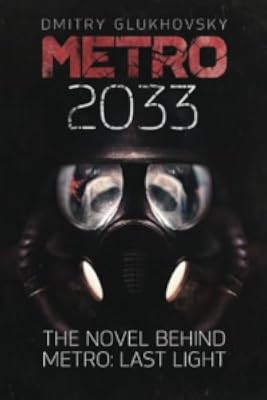
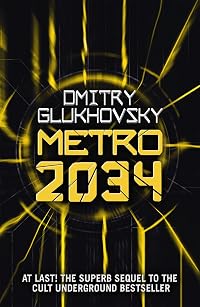
The novel that gave birth to the video games 'Metro 2033' and 'Metro: Last Light' The breathtaking original story that inspired both the METRO 2033 and METRO: LAST LIGHT video games! An international bestseller, translated into 35 languages. Set in the shattered subway of a post apocalyptic Moscow, Metro 2033 is a story of intensive underground survival where the fate of mankind rests in your hands. In 2013 the world was devastated by an apocalyptic event, annihilating almost all mankind and show more turning the earth's surface into a poisonous wasteland. A handful of survivors took refuge in the depths of the Moscow underground, and human civilization entered a new Dark Age. The year is 2033. An entire generation has been born and raised underground, and their besieged Metro Station-Cities struggle for survival, with each other, and the mutant horrors that await outside. Artyom was born in the last days before the fire. Having never ventured beyond his Metro Station-City limits, one fateful event sparks a desperate mission to the heart of the Metro system, to warn the remnants of mankind of a terrible impending threat. His journey takes him from the forgotten catacombs beneath the subway to the desolate wastelands above, where his actions will determine the fate of mankind. BURIED. ALIVE. It is now two decades since the planet was convulsed by the Final War, which flashed across the continents, engulfing all of them in an instant, to close the final chapter in our history. Deployed in this war, the most advanced inventions and greatest discoveries of the human genius drove the human race back into caves, submerging civilization forever in the impenetrable gloom of a final Dark Age. Nowadays, in the year 2033, no one can recall any longer what triggered the hostilities. Absurd. But if you think for a moment, what does it matter who started it? Those who unleashed the war were the first to And the inheritance they left to us was a smoldering ember that used to be called the Earth. The entire world lies in ruins. The human race has been almost completely exterminated. Even cities that were not totally demolished were rendered unfit to live in by the radiation. And the rumors say that beyond the city limits lie boundless expanses of scorched desert and dense thickets of mutated forest. But what really is there, no one knows. The airwaves are empty, and when the few radio operators who are left tune in for the millionth time to the frequencies on which New York, Paris, Tokyo and Buenos Aires once used to broadcast, all they hear is a dismal howl. More than twenty years have passed since the day when the final plane took off. Railroad tracks, corroded and pitted with rust, now lead nowhere. The great construction projects of the age were transformed into ruins without ever being completed and the skyscrapers of Chicago and Frankfurt were reduced to rubble. The historic districts of Rome lie smothered in moss and fungus, the Eiffel Tower, gnawed through by reddish-brown leprosy, has snapped in half. And the weeds of fiction and fantasy are flourishing on the memory of humankind's former glory. It is only twenty years since the war ended before it had even begun. But in those twenty years the world has changed beyond all recognition. The planet has new masters now, and the human race is condemned to huddle in burrows, consoling itself with memories. The radiation and viruses with which some human beings attempted to eradicate others have brought new creatures into the world. And now they rule by right over the desolate Earth. The mutants are far better adapted to this new world than human beings. The human era is almost over. There are not many of us left, only a few tens of thousands, out of seven billion human beings. We don't know if there were others who survived in some other place, on the other side of the world, or if we are the last humans on the planet. We live in the Moscow Metro. show lessTags
Recommendations





Member Recommendations
Member Reviews
I won't lie, this book hovered at around 3 stars until halfway through, then to 3.5 stars three quarters of the way through. The ending though...the ending completely hammered me in the gut and this into 5 star range.
The beginning is a bit slow, the dialogue is some thick writing most of the time, it's not light or airy. It's substantial and dare I say real. The way people would actually talk.
About halfway through the book it dawned on me what I, at least, realized it was. For me it is a futuristic dystopian horror Pilgrim's Progress. Not so much on the Christian overtones but still with substantial moralistic punch. I personally loved Pilgrim's Progress growing up and suddenly seeing this book in that light helped me see and grasp it show more more easily.
The creatures, the world, the Metro, the people, are very well thought out and built. By the end you truly feel like you were there through the whole thing, walking just off of Artyom's right, struggling when he struggled, elating in his victories, confused when he was confused, hopeless and helpful as he was. And I think this is 100% what author was going for, it's why it's a slog at times, it's confusing at times, it's exciting, and a breeze at times. We are Artyom and he is we.
The ending hit me out of no where, completely unexpected on my part. Just. What a twist. I am very excited to read the following books. At this point I have purchased all 3 of the video games and plan to finish the first video game now that I have finished the first book. Then read the 2nd book and then the 2nd video game and so on.
This is not a book for a break, this is not a book for an escape. This is a book for those wanting a journey, not a ride, a step by step walk into the depths of all that is humanity, the good, the bad, the blessed, and the diseased.
Until we meet again Artyom. show less
The beginning is a bit slow, the dialogue is some thick writing most of the time, it's not light or airy. It's substantial and dare I say real. The way people would actually talk.
About halfway through the book it dawned on me what I, at least, realized it was. For me it is a futuristic dystopian horror Pilgrim's Progress. Not so much on the Christian overtones but still with substantial moralistic punch. I personally loved Pilgrim's Progress growing up and suddenly seeing this book in that light helped me see and grasp it show more more easily.
The creatures, the world, the Metro, the people, are very well thought out and built. By the end you truly feel like you were there through the whole thing, walking just off of Artyom's right, struggling when he struggled, elating in his victories, confused when he was confused, hopeless and helpful as he was. And I think this is 100% what author was going for, it's why it's a slog at times, it's confusing at times, it's exciting, and a breeze at times. We are Artyom and he is we.
The ending hit me out of no where, completely unexpected on my part. Just. What a twist. I am very excited to read the following books. At this point I have purchased all 3 of the video games and plan to finish the first video game now that I have finished the first book. Then read the 2nd book and then the 2nd video game and so on.
This is not a book for a break, this is not a book for an escape. This is a book for those wanting a journey, not a ride, a step by step walk into the depths of all that is humanity, the good, the bad, the blessed, and the diseased.
Until we meet again Artyom. show less
Lived Up to the Hype
I've been a fan of the games for a long time and had always meant to get around to reading the books, which can be a little unnerving in case they weren't as good. But this was phenomenal!
The worldbuilding, characters, interactions, and blending of myth and supernatural are all wonderful and I am extremely excited to check out the other books and the extended Metro universe.
It has the feel of a modern Odyssey mixed with the better parts of Stephen King's Dark Tower series, especially with many chapters being their own segment of the journey or experience. In this way it also feels less like a novel and more like many shirt stories and novellas seamlessly sewn together. This is not a criticism or downside from my show more point of view.
It leaves a lot of questions unanswered and has a lot you just have to go with, but that's genre fiction baybee and this is up there with some of the best.
I have a mighty need to replay the games and checkout the rest of the series.
Performance was brilliant.
Great stuff! show less
I've been a fan of the games for a long time and had always meant to get around to reading the books, which can be a little unnerving in case they weren't as good. But this was phenomenal!
The worldbuilding, characters, interactions, and blending of myth and supernatural are all wonderful and I am extremely excited to check out the other books and the extended Metro universe.
It has the feel of a modern Odyssey mixed with the better parts of Stephen King's Dark Tower series, especially with many chapters being their own segment of the journey or experience. In this way it also feels less like a novel and more like many shirt stories and novellas seamlessly sewn together. This is not a criticism or downside from my show more point of view.
It leaves a lot of questions unanswered and has a lot you just have to go with, but that's genre fiction baybee and this is up there with some of the best.
I have a mighty need to replay the games and checkout the rest of the series.
Performance was brilliant.
Great stuff! show less
Ядреният апокалипсис, както обикновено в любимия ми тип романи, е унищожил по-голямата част от човечеството, а земята е превърнал в опечени от радиация развалини, населени с кръвожадни мутанти. Дотук добре…
Московското метро е голямо, надълбоко под земята е и с тая си конструкция практически представлява огромно бомбоубежище – и точно за такова са го ползвали известно количество жители на града, преди show more да паднат бомбите – поради което са оцелели и сега живеят там, под земята, поддържайки някакви технологии и отбранявайки се с променлив успех от прииждащите от повърхността мутирали чудовища. Дотук още по-добре.
Нататък обаче никак не е добре. Метро 2033 е безцелен и скучен, малкото действие е разказано бегло и кратко и се губи в безкрайните спомени, сънища, халюцинации и мисли на главния герой, които съставляват по-голямата част от 500-те страници. Дмитрий Глуховски описва някакви обособени общества, създали се в различните станции на метрото – комунисти, фашисти, сталкери, религиозни маниаци и даже почитатели на Адам Смит и свободната търговия, което би могло да е интересно, но някак го прави повърхностно, самоцелно, без връзка с каквото и да е.
Понеже напоследък прочетох няколко руски книги, ми направи впечатление, което се затвърди от Метро 2033 - в действието на целия роман няма нито една жена. Нито една. Жените не говорят, не са герои, не са описани по никакъв начин. Всички герои са мъже, само мъжете говорят, правят нещо, пътуват и т.н. Не че жени не живеят в метрото – просто в действието няма жени – доста странно е. Така е и в по-голямата част от другите руски книги, които съм чел – главните герои винаги са мъже, основните действащи лица са мъже, разговорите се водят от мъже… женските образи, доколкото ги има, са винаги второстепенни и съвсем бегли – и най-важното – лишени от всякаква сексуалност, дори загатната или намекната.
Темата за секса и привличането определено липсва от руската литература като цяло – сякаш е изрязана. В най-добрия случай някаква романтична, идеализирана любов има в някакви произведения, но на нея е отделено малко място. Секс няма. Не, не говоря за порно сцени, а просто… не знам даже как да го обясня – мисленето и поведението на хората е донякъде обусловено от секса. Дори героите да са само мъже, те забелязват хубавите жени, говорят за тях, споделят за приятелката си, мислят за жена си. В руските книги няма такова нещо – сякаш героите са безполови. Особено в роман като Метро 2033 където цивилизацията се е разпаднала и съответно хората са принизени до основните си инстинкти, липсата на най-основния инстинкт прави много странно впечатление и ме оставя да се чеша по главата в недоумение. show less
Московското метро е голямо, надълбоко под земята е и с тая си конструкция практически представлява огромно бомбоубежище – и точно за такова са го ползвали известно количество жители на града, преди show more да паднат бомбите – поради което са оцелели и сега живеят там, под земята, поддържайки някакви технологии и отбранявайки се с променлив успех от прииждащите от повърхността мутирали чудовища. Дотук още по-добре.
Нататък обаче никак не е добре. Метро 2033 е безцелен и скучен, малкото действие е разказано бегло и кратко и се губи в безкрайните спомени, сънища, халюцинации и мисли на главния герой, които съставляват по-голямата част от 500-те страници. Дмитрий Глуховски описва някакви обособени общества, създали се в различните станции на метрото – комунисти, фашисти, сталкери, религиозни маниаци и даже почитатели на Адам Смит и свободната търговия, което би могло да е интересно, но някак го прави повърхностно, самоцелно, без връзка с каквото и да е.
Понеже напоследък прочетох няколко руски книги, ми направи впечатление, което се затвърди от Метро 2033 - в действието на целия роман няма нито една жена. Нито една. Жените не говорят, не са герои, не са описани по никакъв начин. Всички герои са мъже, само мъжете говорят, правят нещо, пътуват и т.н. Не че жени не живеят в метрото – просто в действието няма жени – доста странно е. Така е и в по-голямата част от другите руски книги, които съм чел – главните герои винаги са мъже, основните действащи лица са мъже, разговорите се водят от мъже… женските образи, доколкото ги има, са винаги второстепенни и съвсем бегли – и най-важното – лишени от всякаква сексуалност, дори загатната или намекната.
Темата за секса и привличането определено липсва от руската литература като цяло – сякаш е изрязана. В най-добрия случай някаква романтична, идеализирана любов има в някакви произведения, но на нея е отделено малко място. Секс няма. Не, не говоря за порно сцени, а просто… не знам даже как да го обясня – мисленето и поведението на хората е донякъде обусловено от секса. Дори героите да са само мъже, те забелязват хубавите жени, говорят за тях, споделят за приятелката си, мислят за жена си. В руските книги няма такова нещо – сякаш героите са безполови. Особено в роман като Метро 2033 където цивилизацията се е разпаднала и съответно хората са принизени до основните си инстинкти, липсата на най-основния инстинкт прави много странно впечатление и ме оставя да се чеша по главата в недоумение. show less
This post-apocalyptic horror novel takes place in the Moscow Metro, where the remnants of the city inhabitants have taken refuge. The story follows Artyom as he moves through this weird and terrifying underground metro world. The horror isn’t just about jump scares or gore - it’s more about the creeping dread in people’s minds, both when they’re awake and when they’re dreaming. Sure, there’s violence, but what’s really unsettling is the stuff that does not appear - the things that might be lurking in the dark, made worse by the characters’ fear and the reader's imagination.
The different groups in the Metro - fascists, communists, industrialists, religious fanatics - keep clinging to parts of the old ideologies even after show more the world’s ended, which feels like a quiet jab at how absurd some of those are. Artyom, the main character, ocasionally spends time thinking about what’s happening, searching for some meaning in all the misery.
Though he ultimately succeeds in his mission to destroy the perceived threat, the irony lies in the revelation that it may have been a misunderstood entity seeking connection all along, and the humans are the violent ones that just kill stuff. show less
The different groups in the Metro - fascists, communists, industrialists, religious fanatics - keep clinging to parts of the old ideologies even after show more the world’s ended, which feels like a quiet jab at how absurd some of those are. Artyom, the main character, ocasionally spends time thinking about what’s happening, searching for some meaning in all the misery.
В 2033 году Земля является непригодной для жизни. Какая-то ядреная война пару десятилетий назад опустошила поверхность и редкие выжившие переехали под землю, чтобы поберечься от излучения. Под землю - как, например, в московское метро.
Станции метро стали настоящими подземными городами, некоторые, как например вся кольцевая линия, даже объединились в союз и оформили настоящую страну, похожую на show more средневековый торговый союз “Ганзу”. У каждой станции есть собственная идеология, религия или принцип жизни - фашизм, коммунизм и попытка воскресить Советский союз, Свидетели Иеговы, военные, монополистические торговцы, красные бригады - всё это нашло место на какой-то станции. Конечно, это не значит, что станции живут в мире друг с другими - войны между разными альянсами из-за ресурсов и жизненного пространства возникают очень часто.
В таком окружении растёт наш герой - девятнадцатилетний Артём, который с отчимом живёт на станции “ВДНХ”. Когда-то процветающая станция, известная производством хорошего грибного чая (грибы - единственное растение, которое может выжить под землей), на данный момент находится в очень серьёзных проблемах. Рейды так называемых чёрных - людей (или что-то подобное), которые остались на поверхности и прошли мутации из-за излучения - становятся все более частыми. Может-ли Артём сделать что-нибудь, чтобы поберечь свой дом? Он получает задание, которое отвезёт его по всему метро за решением, поэтому, надежда продолжается …
Я считаю, что писатель очень хорошо разобрался с тем, как такой мир, и такое общество, выглядело бы, в случае катастрофы такого масштаба. Все ужасы человеческой природы, которые автор очень внимательно описывает, мне показались правдоподобными, как и маленькие триумфы и добросердечности, которые, хотя редко, всё-таки остались даже в настолько разрушенном мире.
Конечно, там было кое-что, что мне понравилось. В мире, где происходит очень много интересных, хотя ужасных событий, мы много, слишком много времени проводим в голове Артёма, из-за чего иногда трудно прорваться через некоторые отрывки. Кроме того, мне не понравилось, что в романе нет никаких женских персонажей. Одна - давно пропавшая мать Артёма, которая появляется только в его воспоминаниях. Как будто женщин больше не существует.
К счастью, автор компенсировал это с отличным завершением, когда возникнет неожиданный, почти философский поворот (кто действительно монструм в этом мире?). Одна из самых лучших историй о мрачном будущем, которые я прочитал в последних несколько лет. show less
Станции метро стали настоящими подземными городами, некоторые, как например вся кольцевая линия, даже объединились в союз и оформили настоящую страну, похожую на show more средневековый торговый союз “Ганзу”. У каждой станции есть собственная идеология, религия или принцип жизни - фашизм, коммунизм и попытка воскресить Советский союз, Свидетели Иеговы, военные, монополистические торговцы, красные бригады - всё это нашло место на какой-то станции. Конечно, это не значит, что станции живут в мире друг с другими - войны между разными альянсами из-за ресурсов и жизненного пространства возникают очень часто.
В таком окружении растёт наш герой - девятнадцатилетний Артём, который с отчимом живёт на станции “ВДНХ”. Когда-то процветающая станция, известная производством хорошего грибного чая (грибы - единственное растение, которое может выжить под землей), на данный момент находится в очень серьёзных проблемах. Рейды так называемых чёрных - людей (или что-то подобное), которые остались на поверхности и прошли мутации из-за излучения - становятся все более частыми. Может-ли Артём сделать что-нибудь, чтобы поберечь свой дом? Он получает задание, которое отвезёт его по всему метро за решением, поэтому, надежда продолжается …
Я считаю, что писатель очень хорошо разобрался с тем, как такой мир, и такое общество, выглядело бы, в случае катастрофы такого масштаба. Все ужасы человеческой природы, которые автор очень внимательно описывает, мне показались правдоподобными, как и маленькие триумфы и добросердечности, которые, хотя редко, всё-таки остались даже в настолько разрушенном мире.
Конечно, там было кое-что, что мне понравилось. В мире, где происходит очень много интересных, хотя ужасных событий, мы много, слишком много времени проводим в голове Артёма, из-за чего иногда трудно прорваться через некоторые отрывки. Кроме того, мне не понравилось, что в романе нет никаких женских персонажей. Одна - давно пропавшая мать Артёма, которая появляется только в его воспоминаниях. Как будто женщин больше не существует.
К счастью, автор компенсировал это с отличным завершением, когда возникнет неожиданный, почти философский поворот (кто действительно монструм в этом мире?). Одна из самых лучших историй о мрачном будущем, которые я прочитал в последних несколько лет. show less
My boyfriend lent me this book and I finally finished it! It started off really slow for me because there is a lot of exposition about how the Russian metro is setup politically and the book often delves into philosophical exploration pockets as the story progresses. It picks up briefly, then slows down, and this pattern repeats continuously. At first I thought the translation might just be bad, but it seems like the pacing is genuinely really off based on everything I've read online about the book. The pacing is very irregular. The characters are interesting, but most of them aren't present for very long, they are left with incomplete arcs individually, and the main character isn't really revealed to the reader very well because of the show more style he is written in. Artyom doesn't really have conversations with people using dialogue text format. A sentence will say the general idea of what he replied and we are told what he thinks in the same way, but we rarely hear it directly, straight from his mouth or brain. I loved many of the concepts that were presented over the course of the book and I loved the detail the author put into building the world, but in the end, it just wasn't a wonderful execution in my opinion. I had major issues with the ending. It was rushed, which just felt wrong because much of the book is VERY drawn out with wordy passages that make each chapter around 20 pages, but then the last section is all of 5-10 pages and it goes by in a hurry. To me it felt like the author ran out of time for a deadline and had a very particular end in mind that he HAD to put in, but he took no time to reveal the surprise ending or allow it to be an epiphany moment to the reader. He spits it out rapidly and its over, which left me feeling very unsatisfied after slogging through the book for so long. I am giving it 3 stars because I loved a lot of the concepts and some aspects of the execution, but the overall work is kind of sloppy and inconsistent in terms of writing style. I LOVED the concepts, but wish it would have been looked over again or had some style elements rethought, such as how the main characters' thoughts and progress is revealed to the reader, and how the story comes to an overall close. I really wanted this book to be better. Its a decent time, but it isn't a MUST read or one of the best books I've read. I won't read this one again, but I would read the sequels to see if the author did better on the next try, or just to see if I can find satisfaction in the next direction the story may take in them. I haven't played the game, so I can't say much regarding how it was translated from novel to game. However, unless you're a big fan of the game, I can't really recommend the book. Its an okay time, but it can be passed over since you wouldn't be missing much except wasted potential by not reading it. There were so many possibilities and good opportunities that just WEREN'T capitalized on. I wish it was only due to bad translation, however that doesn't seem to be the case here. show less
The setting of Metro 2033 is very compelling - post apocalypse, the Moscow Metro system has become a microcosmic refuge for survivors. The political and economic interactions of the different groups, as well as the fates of those who are social misfits for one reason or another, form a depressingly apt metaphor for our present society.
I found the protagonist's journey to be slightly excessively capricious and Homeric, and I can't decide whether it's clever or pretentious that the author contrived to embed his argument in a mysterious conversation halfway through the book. However, the only thing that really detracted from my enjoyment of and immersion in the story was the poor (English) translation - it left the narrative feeling clunky show more and the characters feeling simplistic and wooden. show less
I found the protagonist's journey to be slightly excessively capricious and Homeric, and I can't decide whether it's clever or pretentious that the author contrived to embed his argument in a mysterious conversation halfway through the book. However, the only thing that really detracted from my enjoyment of and immersion in the story was the poor (English) translation - it left the narrative feeling clunky show more and the characters feeling simplistic and wooden. show less
Members
- Recently Added By
Lists

Best Post-Apocalyptic Stories
143 works; 88 members

SF & Fantasy in Translation
95 works; 18 members
Best Science Fiction Originally Published in a Language Other Than English
449 works; 32 members

Speculative Fiction from around the World
610 works; 18 members

Ranking
66 works; 1 member

Books Read in 2023
5,547 works; 145 members

Book club books
22 works; 1 member

science fiction
17 works; 1 member
Author Information

55+ Works 4,424 Members
Some Editions
Awards and Honors
Awards
Distinctions
Notable Lists
Series

Belongs to Publisher Series
Heyne Allgemeine Reihe (53298)
Work Relationships
Is contained in
Has the (non-series) sequel
Common Knowledge
- Canonical title
- Metro 2033
- Original title
- Метро 2033
- Alternate titles*
- Metro 2033
- Original publication date
- 2002
- People/Characters
- Artyom; Hunter; Miller; Khan
- Important places
- Moscow Metro, Moscow, Russia; Moscow, Russia
- Epigraph
- Dear Muscovites and guests to our capital!
The Moscow metro is a form of transportation which involves a heightened level of danger.
- A notice in the metro - First words
- 'Who's there? Artyom - go have a look!'
- Last words
- (Click to show. Warning: May contain spoilers.)He was going home.
- Original language
- Russian
- Canonical DDC/MDS
- 891.735
- Canonical LCC
- PG3491.94.L85
*Some information comes from Common Knowledge in other languages. Click "Edit" for more information.
Classifications
- Genres
- Science Fiction, Fiction and Literature, Horror
- DDC/MDS
- 891.735 — Literature & rhetoric Literatures of other languages East Indo-European and Celtic literatures Russian and East Slavic languages Russian fiction 1991–
- LCC
- PG3491.94 .L85 — Language and Literature Slavic languages and literatures. Baltic languages. Albanian language Slavic. Baltic. Albanian Russian literature Individual authors and works 2001-
- BISAC
Statistics
- Members
- 2,633
- Popularity
- 7,132
- Reviews
- 67
- Rating
- (3.69)
- Languages
- 21 — Bulgarian, Czech, Danish, Dutch, English, Estonian, Finnish, French, German, Greek, Hungarian, Italian, Lithuanian, Norwegian (Bokmål), Polish, Portuguese, Romanian, Russian, Spanish, Swedish, Turkish
- Media
- Paper, Audiobook, Ebook
- ISBNs
- 92
- ASINs
- 17