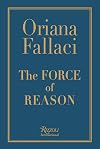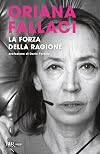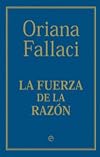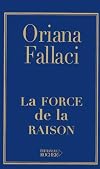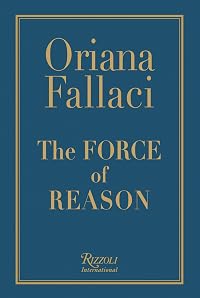
The Force of Reason
by Oriana Fallaci
On This Page
Description
This book began as a postscript entitled Due anni dopo (Two years later), intended as a brief appendix to the 30th printing of The rage and the pride (2002). But Fallaci chose to expand it into a book, a continuation of her ideas set in motion in her post-9/11 book. Here, she takes aim at the many attacks and death threats she received after the publication of The rage and the pride. Fallaci begins by identifying with one Master Cecco, the author of a heretical book who was burned at the show more stake during the Inquisition seven centuries ago, and proceeds with an analysis of the burning of Troy and the creation of a Europe that, to her judgment, is no longer her familiar homeland but rather a place best called Eurabia, a soon-to-be colony of Islam. Fallaci explores her ideas in historical, philosophical, moral, and political terms, addressing taboo topics with sharp logic--Cf. publisher's description. show lessTags
Recommendations


















Member Reviews
Stavolta non mi appello alla rabbia, all’orgoglio, alla passione. Mi appello alla ragione. ...” non mi sembra proprio! Il libro mi pare una raccolta di piccoli fatti isolati, espressi con una violenza ed un odio esagerati, che possono anche essere orribili e deprecabili (in pochi credo che potrebbero considerarli altrimenti) ma che non possono essere attribuiti a milioni di musulmani, integralisti e moderati. Detesto ogni forma di assolutismo fanatico, che riguardi superstizioni, religioni e fra queste le intransigenze dell’Islam integralista (ormai il cristianesimo in occidente si è ridotto “soltanto” a ingerenze politiche), ma la Fallaci mi sembra entrare “con tutti e due i piedi” in una delle tante forme di assolutismo show more aggressivo, violento ed impositivo. Preferisco lei ai mostri che descrive nel libro, ma spero di non dover mai essere costretto a dover scegliere tra queste facce della stessa medaglia. Propongo come antidoto la lettura di “Contro il fanatismo” di Amos Oz. show less
How symbolic is it that Oriana Fallaci, Italian journalist and author, passed away on the same week that Pope Benedict made his remarks about Islam, sparking the fury of Muslims worldwide and forcing him to make several public apologies to soothe the "hurt feelings" of the world's second-biggest religion.
Fallaci made her reputation in the 70s and 80s as a no-nonsense journalist who interviewed the world's leaders and put them on the spot time and again. In recent years she made headlines mostly as a result of her tireless tirades against the Islamisation of Europe (or "Eurabia" in her words). I recently read her last book "La Forza della Ragione" ("The Force of Reason"), which is a follow-up to her post-9/11 book "The Rage and the show more Pride". In "Reason", Fallaci tells the readers about the numerous death threats she received as a result of her comments in the first book. She identifies herself with Master Cecco, who was put to the stake by the Inquisition on account of his beliefs and heretical writings. Fallaci writes with passion but does not allow this passion to shadow the "force of reason" when examining the trends in her homeland. She writes in the first person, often addressing the reader directly, and I found her Italian to be fascinating and rich.
By now Pope Benedict and the Vatican msut have apologised perhaps seven times for daring to quote some obscure Byzantine emperor's views about the violent nature of Islam. I wonder how many of the offended Muslims, who attacked Christians and burnt down churches, paused to think how by their actions they are proving the accuracy of the Byzantine emperor's observations...
An appropriate epilogue to this post is this link to an article by Sam Harris in the LA Times this week. As Harris puts it, "a cult of death is forming in the Muslim world". Five years after 9/11, the Al Qaeda attack on the US is sadly proving to be only a prelude to the real war still ahead of us all. show less
Fallaci made her reputation in the 70s and 80s as a no-nonsense journalist who interviewed the world's leaders and put them on the spot time and again. In recent years she made headlines mostly as a result of her tireless tirades against the Islamisation of Europe (or "Eurabia" in her words). I recently read her last book "La Forza della Ragione" ("The Force of Reason"), which is a follow-up to her post-9/11 book "The Rage and the show more Pride". In "Reason", Fallaci tells the readers about the numerous death threats she received as a result of her comments in the first book. She identifies herself with Master Cecco, who was put to the stake by the Inquisition on account of his beliefs and heretical writings. Fallaci writes with passion but does not allow this passion to shadow the "force of reason" when examining the trends in her homeland. She writes in the first person, often addressing the reader directly, and I found her Italian to be fascinating and rich.
By now Pope Benedict and the Vatican msut have apologised perhaps seven times for daring to quote some obscure Byzantine emperor's views about the violent nature of Islam. I wonder how many of the offended Muslims, who attacked Christians and burnt down churches, paused to think how by their actions they are proving the accuracy of the Byzantine emperor's observations...
An appropriate epilogue to this post is this link to an article by Sam Harris in the LA Times this week. As Harris puts it, "a cult of death is forming in the Muslim world". Five years after 9/11, the Al Qaeda attack on the US is sadly proving to be only a prelude to the real war still ahead of us all. show less
Spectacularly written. This book is a must read for all those confused by why western civilization is the target of Islam. This book exposes not radical islam but true islam.
La génesis de La fuerza de la Razón es sorprendente tanto cuanto a su contenido. Oriana Fallaci quería entregarnos sólo un post-scriptum titulado «Dos años después», es decir un breve apéndice a la trigésima edición de La rabia y el orgullo -más de un millón de ejemplares vendidos en Italia y bestseller en los numerosos países en los que ha sido traducido-. Pero cuando terminó su trabajo se dio cuenta de que había escrito otro libro.
Esta vez, Oriana Fallaci parte de los inciviles ataques y de las amenazas de muerte que recibió por La rabia y el orgullo e, identificándose con un tal Mastro Cecco que, por culpa de un libro en 1328 fue quemado vivo por la Inquisición, se presenta como una Mastra Cecca que siete siglos show more después siguen sus pasos, cual herética irreductible y reincidente.
Entre la primera y la segunda hoguera, un rigurosísimo análisis de lo que llama el Incendio de Troya es decir de una Europa que, a su juicio, ya no es Europa, sino que se ha convertido en Eurabia, colonia del islam. Un análisis en clave histórica filosófica moral y política, afrontando como en ella es habitual temas que nadie se atreve a abordar y sometiéndolos a su impecable lógica. La fuerza de la Razón es un himno a la razón y a la verdad. En ella, el lector encontrará un pozo de ideas y noticias expresadas incluso por medio de vivencias personales. Un libro en el que el lector encontrará también una extraordinaria madurez de pensamiento y páginas de un humorismo irresistible.
Pero sobre todo encontrará el lector el valor y la nobleza que tanto necesitamos hoy. La Esfera de los Libros se siente orgullosa de publicar este gran libro del que Oriana Fallaci dice simplemente: «Era mi deber escribirlo».
«La lección de Fallaci es este desafío a repensar las verdades oficiales, por duro que sea el precio a pagar. Ojalá las civilizaciones sólo se enfrentaran con panfletos tan bien escritos como éste». Manuel Castaño, El Periódico show less
Esta vez, Oriana Fallaci parte de los inciviles ataques y de las amenazas de muerte que recibió por La rabia y el orgullo e, identificándose con un tal Mastro Cecco que, por culpa de un libro en 1328 fue quemado vivo por la Inquisición, se presenta como una Mastra Cecca que siete siglos show more después siguen sus pasos, cual herética irreductible y reincidente.
Entre la primera y la segunda hoguera, un rigurosísimo análisis de lo que llama el Incendio de Troya es decir de una Europa que, a su juicio, ya no es Europa, sino que se ha convertido en Eurabia, colonia del islam. Un análisis en clave histórica filosófica moral y política, afrontando como en ella es habitual temas que nadie se atreve a abordar y sometiéndolos a su impecable lógica. La fuerza de la Razón es un himno a la razón y a la verdad. En ella, el lector encontrará un pozo de ideas y noticias expresadas incluso por medio de vivencias personales. Un libro en el que el lector encontrará también una extraordinaria madurez de pensamiento y páginas de un humorismo irresistible.
Pero sobre todo encontrará el lector el valor y la nobleza que tanto necesitamos hoy. La Esfera de los Libros se siente orgullosa de publicar este gran libro del que Oriana Fallaci dice simplemente: «Era mi deber escribirlo».
«La lección de Fallaci es este desafío a repensar las verdades oficiales, por duro que sea el precio a pagar. Ojalá las civilizaciones sólo se enfrentaran con panfletos tan bien escritos como éste». Manuel Castaño, El Periódico show less
Feb 19, 2023Spanish
La génesis de «La Fuerza de la Razón» es sorprendente tanto cuanto a su contenido. Oriana Fallaci quería entregarnos sólo un post-scriptum titulado «Dos años después», es decir un breve apéndice a la trigésima edición de «La Rabia y el Orgullo» . (Más de un millón de ejemplares vendidos en Italia y best-seller en los numerosos países en los que ha sido traducido). Pero cuando terminó su trabajo se dio cuenta de que había escrito otro libro. Esta vez, Oriana Fallaci parte de los inciviles ataques y de las amenazas de muerte que recibió por «La Rabia y el Orgullo» e, identificándose con un tal Mastro Cecco que, por culpa de un libro en 1328 fue quemado vivo por la Inquisición, se presenta como una Mastra Cecca que show more siete siglos después sigue sus pasos, cual herética irreductible y reincidente. Entre la primera y la segunda hoguera, un rigurosísimo análisis de lo que llama el Incendio de Troya es decir de una Europa que, a su juicio, ya no es Europa, sino que se ha convertido en Eurabia, colonia del Islam. (E Italia en la avanzadilla de dicha colonia). Un análisis en clave histórica filosófica moral y política, afrontando como en ella es habitual temas que nadie se atreve a abordar y sometiéndolos a su impecable lógica. «La Fuerza de la Razón» es un himno a la razón y a la verdad. En ella, el lector encontrará un pozo de ideas y noticias expresadas incluso por medio de vivencias personales. (Inolvidable el capítulo en el que Fallaci se declara ateo-cristiana). Un libro en el que el lector encontrará también una extraordinaria m show less
Aug 20, 2020Spanish
Oriana Fallaci è Oriana Fallaci , si ama si odia ma rimane indissolubile la sua presenza letteraria in questo momento storico che vede coinvolti tutti e nessuno escluso. Ha avuto il coraggio di dire cose sconvenienti in un momento poco favorevole al politically uncorrect , a volte ha sbagliato creando attorno a se l'odio , perchè in molti non hanno capito il suo pensiero. Avanti anni e anni rispetto a tutti noi. Speriamo che questo ritardo non sia la nostra fine.
Dec 13, 2007Italian
1
Members
- Recently Added By
Author Information

81 Works 4,881 Members
A prize-winning novelist and journalist, Oriana Fallaci is known primarily for her controversial interviews. She has spoken unabashedly, if not abrasively, with such world figures as Henry Kissinger, Willy Brandt, the Ayatollah Khomeini, Yasir Arafat, the Shah of Iran, Indira Ghandi, and Golda Meir. Her bold, often brilliant, interviewing show more technique is characterized by brutal frankness, as when she challenged Henry Kissinger to "talk about war." (Bowker Author Biography) show less
Work Relationships
Common Knowledge
- Canonical title
- The Force of Reason
- Original title
- La forza della ragione
- Original publication date
- 2004
- People/Characters
- Oriana Fallaci
- First words
- I don't like to say that Troy is burning.
- Last words
- (Click to show. Warning: May contain spoilers.)And together with Mastro Cecco, once more condemned to death by irrationality, suicidal insanity, I say: we need to rediscover the Force of Reason.
Classifications
Statistics
- Members
- 457
- Popularity
- 66,817
- Reviews
- 10
- Rating
- (4.00)
- Languages
- 11 — Dutch, English, French, German, Hungarian, Italian, Norwegian (Bokmål), Polish, Portuguese, Slovenian, Spanish
- Media
- Paper, Ebook
- ISBNs
- 14
- ASINs
- 3