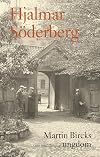
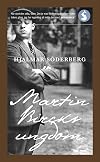
Martin Birck's Youth
by Hjalmar Söderberg
On This Page
Description
Originally published in 1901, this partly autobiographical second novel established Sderberg's reputation for shocking boldness yet great elegance. It traces the development of the hero from a seemingly idyllic Stockholm childhood to maturity as a tTags
Recommendations



















Member Reviews
My experience of ‘Martin Birck’s Youth’ was dominated not by the actual words in the book, but by my appreciation of the edition I was reading. I found it in the stacks of the University Library and was astounded to discover it is a first edition from 1930. I must say, it is looking very good for an 86 year old. It has one of those lovely resilient hardback bindings (which looks hand-sewn) and thick, uneven-edged paper. The endpapers are orange, with an abstract deco pattern in white. The typeface is much heavier than is typical today, Bondoni apparently. A scattering of woodcut illustrations are included, printed in contrasting vivid red. The book is thus a sensual delight; it also has that wonderful scent of Old Book Stored show more Carefully. I feel very lucky to have access to such volumes. Here's a photo: https://drive.google.com/open?id=0B2e2eWGihXL1d25pXzlsTlhSQ0E
In keeping with its age, the translation is accompanied by an amusingly patronising preface that begins, ‘It is a sad thought that everyone cannot enjoy Söderberg, that this master of delicate and incisive realism, this price of humorists, is - for Anglo-Saxons at least - an acquired taste.’ This is a very similar tone to the introduction in the 1963 edition of [b:Doctor Glas|789497|Doctor Glas|Hjalmar Söderberg|https://images.gr-assets.com/books/1320478015s/789497.jpg|1473531] I read. The preface then mentions [b:Niels Lyhne|456977|Niels Lyhne|Jens Peter Jacobsen|https://images.gr-assets.com/books/1347998800s/456977.jpg|445510], which is also name-checked in the narrative as a favourite book of Birck’s. All three novels seem to fall within the school of plot-light realism that discusses atheism and sexual morality. ‘Martin Birck’s Youth’ has no central mystery or dilemma. It is a biographical narrative in three parts: childhood, late teens, and twenties-edging-into-thirties. Martin Birck is not distinguished by any great talent, wealth, or ambition. He has a good sense of irony and a poetic sensibility, however. These sometimes combine pleasantly, for instance when he envisages his future as a poet:
The narrative is for the most part mundane and speckled with description, with periodic interludes in which religion or sexual mores are critiqued. Such criticisms were doubtless shocking when the novel was first published in 1901, and even when this translated edition was released, but don’t merit a raised eyebrow today. I did like that Birck’s mistress was given a voice with which to lament the unfairness of having to conduct an illicit affair because marriage is too expensive. Via this unnamed mistress, Söderberg laments the ways that women are condemned and punished for daring to feel sexual desire. Although I appreciated the candid treatment of these issues, the writing style left me largely unmoved. I would also argue that the translator did not need to start so many sentences with ‘But’, a habit that got on my nerves.
The preface likens Söderberg’s writing to that of Anatole France. Comparing [b:The Gods Will Have Blood|346023|The Gods Will Have Blood|Anatole France|https://images.gr-assets.com/books/1173925617s/346023.jpg|2069122], which I adored, to [b:Doctor Glas|789497|Doctor Glas|Hjalmar Söderberg|https://images.gr-assets.com/books/1320478015s/789497.jpg|1473531] and ‘Martin Birck’s Youth’ suggests that the French style of realism is more to my taste. Admittedly, that’s a small sample size. Nevertheless, I undoubtedly enjoyed this book more as an object than as literature. show less
In keeping with its age, the translation is accompanied by an amusingly patronising preface that begins, ‘It is a sad thought that everyone cannot enjoy Söderberg, that this master of delicate and incisive realism, this price of humorists, is - for Anglo-Saxons at least - an acquired taste.’ This is a very similar tone to the introduction in the 1963 edition of [b:Doctor Glas|789497|Doctor Glas|Hjalmar Söderberg|https://images.gr-assets.com/books/1320478015s/789497.jpg|1473531] I read. The preface then mentions [b:Niels Lyhne|456977|Niels Lyhne|Jens Peter Jacobsen|https://images.gr-assets.com/books/1347998800s/456977.jpg|445510], which is also name-checked in the narrative as a favourite book of Birck’s. All three novels seem to fall within the school of plot-light realism that discusses atheism and sexual morality. ‘Martin Birck’s Youth’ has no central mystery or dilemma. It is a biographical narrative in three parts: childhood, late teens, and twenties-edging-into-thirties. Martin Birck is not distinguished by any great talent, wealth, or ambition. He has a good sense of irony and a poetic sensibility, however. These sometimes combine pleasantly, for instance when he envisages his future as a poet:
Or perhaps it was unnecessary that his life should end so tragically. When he thought it over more carefully, this seemed to him a trifle banal. He might just as well move to a small town, to Strengness or Grenna. There he could live alone with a parrot and a black cat. He might also have an aquarium with goldfish. Behind closed shutters he would dream away the day, but when night came he would light candles in all the rooms and pace back and forth, meditating on the vanity of life. And when the townfolk passed his house on the way home from their evening toddy at the rathskeller, they would stop to point at his window and say: “There lives Martin Birck. He has taught like a sage and lived like a fool, and he is very unhappy.”
The narrative is for the most part mundane and speckled with description, with periodic interludes in which religion or sexual mores are critiqued. Such criticisms were doubtless shocking when the novel was first published in 1901, and even when this translated edition was released, but don’t merit a raised eyebrow today. I did like that Birck’s mistress was given a voice with which to lament the unfairness of having to conduct an illicit affair because marriage is too expensive. Via this unnamed mistress, Söderberg laments the ways that women are condemned and punished for daring to feel sexual desire. Although I appreciated the candid treatment of these issues, the writing style left me largely unmoved. I would also argue that the translator did not need to start so many sentences with ‘But’, a habit that got on my nerves.
The preface likens Söderberg’s writing to that of Anatole France. Comparing [b:The Gods Will Have Blood|346023|The Gods Will Have Blood|Anatole France|https://images.gr-assets.com/books/1173925617s/346023.jpg|2069122], which I adored, to [b:Doctor Glas|789497|Doctor Glas|Hjalmar Söderberg|https://images.gr-assets.com/books/1320478015s/789497.jpg|1473531] and ‘Martin Birck’s Youth’ suggests that the French style of realism is more to my taste. Admittedly, that’s a small sample size. Nevertheless, I undoubtedly enjoyed this book more as an object than as literature. show less
Läste några kapitel i Martin Bircks ungdom, igår. Kände mig allmänt håglös och energifattig. Att läsa i den här gamla romanen, liksom att senare ta en promenad i stan och titta på några vårblommor: snödroppe och några späda krokus, var god medicin.
Boken utspelar sig i Stockholm - mest Östermalm och Ladugårdslandet. Den är självbiografisk, eller har självbiografiska inslag skall man kanske säga (författare ljuger ju så bra). Den lille Martin är en känslig ung pojke som växer upp tillsammans med sin syster Maria, sin fromma moder och tidningsläsande fader. Boken är publicerad 1901 och ger en god skildring av Stockholmsliv på 1880 och 1890 talet, lite drygt hundra år sen, alltså.
Några teman i boken: show more Religionen - Vad ska man tro? Martin tror inte på Gud, till han mors stora sorg; Kvinnan och därmed kärleken i olika former; Livet i stort: Vad går det ut på egentligen? Tankar som i alla tider tänkts mest intensivt av den uppväxande generationen. Den här boken var verkligen värd att läsa om. Dels kom jag inte ihåg så mycket av den. Dels därför att Söderbergs språk är så stilistiskt vackert och säkert. Ibland kan det påminna om HC Andersens sagor nästan. show less
Boken utspelar sig i Stockholm - mest Östermalm och Ladugårdslandet. Den är självbiografisk, eller har självbiografiska inslag skall man kanske säga (författare ljuger ju så bra). Den lille Martin är en känslig ung pojke som växer upp tillsammans med sin syster Maria, sin fromma moder och tidningsläsande fader. Boken är publicerad 1901 och ger en god skildring av Stockholmsliv på 1880 och 1890 talet, lite drygt hundra år sen, alltså.
Några teman i boken: show more Religionen - Vad ska man tro? Martin tror inte på Gud, till han mors stora sorg; Kvinnan och därmed kärleken i olika former; Livet i stort: Vad går det ut på egentligen? Tankar som i alla tider tänkts mest intensivt av den uppväxande generationen. Den här boken var verkligen värd att läsa om. Dels kom jag inte ihåg så mycket av den. Dels därför att Söderbergs språk är så stilistiskt vackert och säkert. Ibland kan det påminna om HC Andersens sagor nästan. show less
"The widening of the rents experience had torn in the cobweb bushes of fairytale and dream", 10 Sept. 2015
This review is from: Martin Birck's Youth (Paperback)
Martin Birck crops up as very much a background character in Soderberg's better known 1904 work 'Doctor Glas' - the eponymous narrator considers him "a bit of a bore."
This earlier work (1901) takes us through Birck's life: his happy, innocent childhood, gradual awareness of "a world where he could no longer rely on the simple formula for getting by that his father and mother had taught him: be kindly and polite to everyone".
The loss of religion; finding himself in a monotonous job that doesn't pay enough to live the life he wants...
This isn't a novel with a plotline as such but show more is well written with many quotable paragraphs. I couldn't help thinking that if Dr Glas had got to know Martin Birck better he would have found him quite an interesting and sympathetic character! show less
This review is from: Martin Birck's Youth (Paperback)
Martin Birck crops up as very much a background character in Soderberg's better known 1904 work 'Doctor Glas' - the eponymous narrator considers him "a bit of a bore."
This earlier work (1901) takes us through Birck's life: his happy, innocent childhood, gradual awareness of "a world where he could no longer rely on the simple formula for getting by that his father and mother had taught him: be kindly and polite to everyone".
The loss of religion; finding himself in a monotonous job that doesn't pay enough to live the life he wants...
This isn't a novel with a plotline as such but show more is well written with many quotable paragraphs. I couldn't help thinking that if Dr Glas had got to know Martin Birck better he would have found him quite an interesting and sympathetic character! show less
Söderberg states at the end of this short work that it will probably prove more interesting to him than to others. It is certainly an unsatisfactory book from the reader's perspective and this dissatisfaction derives at least in part from the very thing that makes it interesting to the author: as a young writer he started the story and put it away. Much later he came upon it and decided it was worth carrying on with. Consequently it is rather disjointed in tone and subject, rather confusing to this reader until I came upon Söderberg's explanation.
The point of reading this might be as much sociological as literary, it serves to detail much about social life around the late nineteenth century in Sweden. It might also be used as a show more warning -
rest here:
https://alittleteaalittlechat.wordpress.com/2015/03/08/martin-bircks-youth-by-hj... show less
The point of reading this might be as much sociological as literary, it serves to detail much about social life around the late nineteenth century in Sweden. It might also be used as a show more warning -
rest here:
https://alittleteaalittlechat.wordpress.com/2015/03/08/martin-bircks-youth-by-hj... show less
Söderberg states at the end of this short work that it will probably prove more interesting to him than to others. It is certainly an unsatisfactory book from the reader's perspective and this dissatisfaction derives at least in part from the very thing that makes it interesting to the author: as a young writer he started the story and put it away. Much later he came upon it and decided it was worth carrying on with. Consequently it is rather disjointed in tone and subject, rather confusing to this reader until I came upon Söderberg's explanation.
The point of reading this might be as much sociological as literary, it serves to detail much about social life around the late nineteenth century in Sweden. It might also be used as a show more warning -
rest here:
https://alittleteaalittlechat.wordpress.com/2015/03/08/martin-bircks-youth-by-hj... show less
The point of reading this might be as much sociological as literary, it serves to detail much about social life around the late nineteenth century in Sweden. It might also be used as a show more warning -
rest here:
https://alittleteaalittlechat.wordpress.com/2015/03/08/martin-bircks-youth-by-hj... show less
Söderberg states at the end of this short work that it will probably prove more interesting to him than to others. It is certainly an unsatisfactory book from the reader's perspective and this dissatisfaction derives at least in part from the very thing that makes it interesting to the author: as a young writer he started the story and put it away. Much later he came upon it and decided it was worth carrying on with. Consequently it is rather disjointed in tone and subject, rather confusing to this reader until I came upon Söderberg's explanation.
The point of reading this might be as much sociological as literary, it serves to detail much about social life around the late nineteenth century in Sweden. It might also be used as a show more warning -
rest here:
https://alittleteaalittlechat.wordpress.com/2015/03/08/martin-bircks-youth-by-hj... show less
The point of reading this might be as much sociological as literary, it serves to detail much about social life around the late nineteenth century in Sweden. It might also be used as a show more warning -
rest here:
https://alittleteaalittlechat.wordpress.com/2015/03/08/martin-bircks-youth-by-hj... show less
Det är inte alla förunnat att kunna skriva en roman där det egentligen inte händer någonting – eller i alla fall ingenting som egentligen borde vara intressant för andra än de närmast berörda. Hjalmar Söderberg kan dock konsten, och i Martin Bircks ungdom får man följa huvudpersonens tankar under tre livsskeenden: som lätt bortskämt medelklassbarn, som nybakad student som långsamt, långsamt är på väg att förlora alla illusioner och som en etablerad, om än inte riktigt medelålders, man som har förlikat sig med livet och rentav kan destillera fram en smula njutning ur det.
Däremellan får man ta del av välformulerade och säkra attacker på det tidiga 1900-talssamhället, på den ljumma tron, på sexualmoralen, show more på bohempoeters poserande. Martin Birck är en tvivlare, som inte kan tro på kyrkan, och enär han till en början tror sig ämnad till poet försöker han attackera den i diktens form bara för att finna att ingen tar honom på allvar. Långsamt, långsamt holkas hans liv ut på all mening, och diktandet bereder honom allt mindre nöje. Precis när man tror att romanen skall mynna ut i en slags resignerad nattsvart pessimism, där alla antingen är att betrakta som hycklare, intresserade enbart av oväsentligheter eller tomma personer som genomskådat allt och bara har kvar sin längtan till mer oskyldiga dar, just då kommer man till den tredje delen, när man kan se att det kanske finns lite glädje att få i alla fall, att kärlek kan vara något annat än ett ouppnåeligt, fördärvande ideal eller en tarvlig affärstransaktion (vare sig den fått kyrklig sanktion eller ej), samtidigt som denna äkta kärlek är minst lika problemfylld den för en inte alltför rik man ur medelklassen: om världen får reda på sanningen om Birck och hans älskade skulle det innebära katastrof, inte minst för henne, och även om han skulle vilja gifta sig med henne om så bara för att skydda henne från sådant fördärv så är hans inkomst långt från nog.
Bokens idéer är påfallande moderna och till skillnad från Doktor Glas är det väldigt lite som skulle uppröra dagens publik – snarare sitter man och nickar med, lätt förnöjd över att mänskligheten kanske trots allt gjort några framsteg det senaste århundradet. Språket skulle kanske, om det kom från en idag verksam författares penna, stundom kunna anses pretentiöst, men är på det hela taget utmärkt vackert. Stundom bryter berättelsen över i komik, när Birck ser igenom någon annans ihåliga dekadens. I romanen kallas han, måhända rättvist, hjärtlös, men det är i så fall en mycket mänsklig hjärtlöshet. show less
Däremellan får man ta del av välformulerade och säkra attacker på det tidiga 1900-talssamhället, på den ljumma tron, på sexualmoralen, show more på bohempoeters poserande. Martin Birck är en tvivlare, som inte kan tro på kyrkan, och enär han till en början tror sig ämnad till poet försöker han attackera den i diktens form bara för att finna att ingen tar honom på allvar. Långsamt, långsamt holkas hans liv ut på all mening, och diktandet bereder honom allt mindre nöje. Precis när man tror att romanen skall mynna ut i en slags resignerad nattsvart pessimism, där alla antingen är att betrakta som hycklare, intresserade enbart av oväsentligheter eller tomma personer som genomskådat allt och bara har kvar sin längtan till mer oskyldiga dar, just då kommer man till den tredje delen, när man kan se att det kanske finns lite glädje att få i alla fall, att kärlek kan vara något annat än ett ouppnåeligt, fördärvande ideal eller en tarvlig affärstransaktion (vare sig den fått kyrklig sanktion eller ej), samtidigt som denna äkta kärlek är minst lika problemfylld den för en inte alltför rik man ur medelklassen: om världen får reda på sanningen om Birck och hans älskade skulle det innebära katastrof, inte minst för henne, och även om han skulle vilja gifta sig med henne om så bara för att skydda henne från sådant fördärv så är hans inkomst långt från nog.
Bokens idéer är påfallande moderna och till skillnad från Doktor Glas är det väldigt lite som skulle uppröra dagens publik – snarare sitter man och nickar med, lätt förnöjd över att mänskligheten kanske trots allt gjort några framsteg det senaste århundradet. Språket skulle kanske, om det kom från en idag verksam författares penna, stundom kunna anses pretentiöst, men är på det hela taget utmärkt vackert. Stundom bryter berättelsen över i komik, när Birck ser igenom någon annans ihåliga dekadens. I romanen kallas han, måhända rättvist, hjärtlös, men det är i så fall en mycket mänsklig hjärtlöshet. show less
Feb 26, 2009Swedish
Members
- Recently Added By
Lists

For Further Reading: A List of 160 Novels from 15 Literatures
160 works; 4 members
Author Information

96+ Works 2,435 Members
Some Editions
Awards and Honors
Notable Lists
Series
Belongs to Publisher Series
Work Relationships
Is contained in
Has as a reference guide/companion
Common Knowledge
- Canonical title
- Martin Birck's Youth
- Original title
- Martin Bircks ungdom
- Original publication date
- 1901
- People/Characters
- Martin Birck
- Important places
- Stockholm, Sweden
- First words
- Martin Birck was a little child who lay dreaming in his bed.
- Last words
- (Click to show. Warning: May contain spoilers.)And he felt himself burning without pain, the flames slaked his tongue like a tart wine; and everything, satiety and hunger, thirst and slaking, the vigour of the sun and the anguish of darkness, the cool thoughts of the day and the moon-haunted brooding of night, all the world's joy and all its misery he seemed to drink from this fount.
- Original language
- Swedish
Classifications
- Genres
- Fiction and Literature, General Fiction
- DDC/MDS
- 839.73 — Literature & rhetoric German & related literatures Other Germanic literatures Swedish literature Swedish fiction
- LCC
- PT9875 .S6 .M313 — Language and Literature German, Dutch and Scandinavian literatures Swedish literature Individual authors or works 1900-1960
- BISAC
Statistics
- Members
- 198
- Popularity
- 165,231
- Reviews
- 10
- Rating
- (3.77)
- Languages
- 8 — Danish, Dutch, English, Finnish, French, German, Spanish, Swedish
- Media
- Paper, Audiobook, Ebook
- ISBNs
- 25
- ASINs
- 4