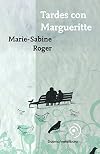
Soft in the Head
by Marie-Sabine Roger
On This Page
Description
His mother calls him a worthless halfwit while his fellow drunks at the local bar ensure he's the butt of all their jokes. He spends his days whittling wood, counting pigeons and adding his own name to the list on the town war memorial. So how could Germain possibly anticipate what a casual encounter on a park bench with eighty-five-year old Margueritte might mean? In this touchingly comic tale of an unusual friendship, that first conversation opens a door into a world Germain has never show more imagined—the world of books and ideas—and gives both him and Margueritte the chance of a happiness they thought had passed them by. show lessTags
Recommendations

















































Member Reviews
an awkward 45yo lunkhead (who's not really a lunkhead but has just been convinced of this over his lifetime) finds acceptance, friendship, and love with and 86yo woman. they meet and bond over their shared fascination with pigeons and go on to create their own grandmother-grandson relationship of choice.
this was a charming read, rough at moments - when learning about germain and his background - but this is smoothed out by the grace and kindness margueritte brings to his life. ('rough' in context with germain's personality and experiences.) family can often be a fraught landscape. it's nice to read about people who manage to carve their own spaces and find their people.
this was a charming read, rough at moments - when learning about germain and his background - but this is smoothed out by the grace and kindness margueritte brings to his life. ('rough' in context with germain's personality and experiences.) family can often be a fraught landscape. it's nice to read about people who manage to carve their own spaces and find their people.
La storia dell’affetto che nasce tra Margueritte e Germain è narrata con una freschezza che mi ha piacevolmente sorpresa. Germain mi ha fatto morire dal ridere quasi ad ogni pagina con la sua schietta genuinità.
Per raccontare i sentimenti non è sempre necessario un registro lirico, e qui la disarmante forza della realtà degli affetti irrompe con tutti i suoi colori nel linguaggio, da principio limitato ma poi sempre più ricco, pur con quel suo simpatico non so che di grezzo, di Germain.
Presentata con garbo e senza melensaggini è davvero una storia ben scritta e i personaggi sono tutti riuscitissimi.
Ci sono molti passaggi commuoventi, ma anche se gli occhi si fanno un po’ umidi il sorriso non si spegne sulle labbra mentre li si show more legge, è il bello di questo libro.
Lettura consigliatissima!
“Prima, non guardavo Margueritte a fondo. La vedevo arrivare da lontano nel viale, a passettini. Oppure si era già seduta sulla panchina, ed era lei ad aspettarmi. Ci salutavamo, contavamo i piccioni, facevamo le nostre letture, senza squadrarci come degli scostumati. Oggi la osservo.
Osservare è un guardare utile, pensando che ci si vuol ricordare. E, di colpo, si vede meglio. Per forza. Si vede anche ciò che si sarebbe preferito non sapere, e tanto peggio per noi.
Per esempio, quando scrive - anche quando legge -, torce un po’ la testa, adesso. Al principio la trovavo buffa, questa nuova abitudine. Pensavo: To’! fa come gli uccelli, guarda tutto di lato, con un’espressione un po’ sofferta. Solo che lei non lo fa per atteggiarsi. No davvero. Lei gira la testa per cercare di leggere, perché sennò non distingue già più bene quello che ha davanti. Vede la vita con la coda dell’occhio, Margueritte.
E, quando cammina, si capisce benissimo che tentenna.
Insomma, se uno la osserva, lo capisce benissimo.
Perché al contrario, se uno è soltanto un grande egoista com’ero io prima, non nota niente.
Adesso, quando ci separiamo l’accompagno fino al grande cancello di boulevard de la Libération. Mi vergognerei a lasciarla andar via sola soletta.
Le dico: Vengo con lei, Margueritte, la lascerò al cancello. Lei mi risponde: Oh, no, Germain, lei è gentilissimo, ma no, mi mette in imbarazzo, sarà costretto a fare una lunga deviazione!
Le rispondo che non è un problema. E poi, sai la grande deviazione... saranno duecento metri! Ma i metri dei vecchi devono essere più lunghi.
«Non importa, le faccio perdere tempo, me ne rendo conto!...»
Di tempo... ne ho da buttare! Cosa ci guadagnerei, se smettessi di perderne?
Cammino accanto a lei. Si potrebbe quasi dire sopra di lei, per com’è piccina, dal momento che la supero di cinquanta centimetri buoni.
A volte ho una voglia matta di prenderla sottobraccio, quando vedo che esce di carreggiata, anziché procedere dritta in mezzo al viale. Ma la lascio fare, finché si regge sulle gambe. Non voglio mica umiliarla. Solo, quando parte un po’ troppo di traverso, cambio lato - così la frego - e la rimetto in riga senza che lei se ne accorga.
E quando usciamo dal parco non oso seguirla fino alla casa di riposo. Rimango lì contro il cancello a guardarla allontanarsi, tutta dondolante come un vecchio anatroccolo.
Tengo gli occhi aperti, non si sa mai.
Penso a lei, in mezzo a tutto il casino del traffico, i passaggi pedonali, la gente che la evita, e... merda! Avrei voglia di andarle dietro, di fermare le macchine, di far paura alla gente perché lasci tutto il marciapiede a lei.
E dico a me stesso che affezionarsi a una nonna non è più riposante che innamorarsi.
Proprio il contrario.” show less
Per raccontare i sentimenti non è sempre necessario un registro lirico, e qui la disarmante forza della realtà degli affetti irrompe con tutti i suoi colori nel linguaggio, da principio limitato ma poi sempre più ricco, pur con quel suo simpatico non so che di grezzo, di Germain.
Presentata con garbo e senza melensaggini è davvero una storia ben scritta e i personaggi sono tutti riuscitissimi.
Ci sono molti passaggi commuoventi, ma anche se gli occhi si fanno un po’ umidi il sorriso non si spegne sulle labbra mentre li si show more legge, è il bello di questo libro.
Lettura consigliatissima!
“Prima, non guardavo Margueritte a fondo. La vedevo arrivare da lontano nel viale, a passettini. Oppure si era già seduta sulla panchina, ed era lei ad aspettarmi. Ci salutavamo, contavamo i piccioni, facevamo le nostre letture, senza squadrarci come degli scostumati. Oggi la osservo.
Osservare è un guardare utile, pensando che ci si vuol ricordare. E, di colpo, si vede meglio. Per forza. Si vede anche ciò che si sarebbe preferito non sapere, e tanto peggio per noi.
Per esempio, quando scrive - anche quando legge -, torce un po’ la testa, adesso. Al principio la trovavo buffa, questa nuova abitudine. Pensavo: To’! fa come gli uccelli, guarda tutto di lato, con un’espressione un po’ sofferta. Solo che lei non lo fa per atteggiarsi. No davvero. Lei gira la testa per cercare di leggere, perché sennò non distingue già più bene quello che ha davanti. Vede la vita con la coda dell’occhio, Margueritte.
E, quando cammina, si capisce benissimo che tentenna.
Insomma, se uno la osserva, lo capisce benissimo.
Perché al contrario, se uno è soltanto un grande egoista com’ero io prima, non nota niente.
Adesso, quando ci separiamo l’accompagno fino al grande cancello di boulevard de la Libération. Mi vergognerei a lasciarla andar via sola soletta.
Le dico: Vengo con lei, Margueritte, la lascerò al cancello. Lei mi risponde: Oh, no, Germain, lei è gentilissimo, ma no, mi mette in imbarazzo, sarà costretto a fare una lunga deviazione!
Le rispondo che non è un problema. E poi, sai la grande deviazione... saranno duecento metri! Ma i metri dei vecchi devono essere più lunghi.
«Non importa, le faccio perdere tempo, me ne rendo conto!...»
Di tempo... ne ho da buttare! Cosa ci guadagnerei, se smettessi di perderne?
Cammino accanto a lei. Si potrebbe quasi dire sopra di lei, per com’è piccina, dal momento che la supero di cinquanta centimetri buoni.
A volte ho una voglia matta di prenderla sottobraccio, quando vedo che esce di carreggiata, anziché procedere dritta in mezzo al viale. Ma la lascio fare, finché si regge sulle gambe. Non voglio mica umiliarla. Solo, quando parte un po’ troppo di traverso, cambio lato - così la frego - e la rimetto in riga senza che lei se ne accorga.
E quando usciamo dal parco non oso seguirla fino alla casa di riposo. Rimango lì contro il cancello a guardarla allontanarsi, tutta dondolante come un vecchio anatroccolo.
Tengo gli occhi aperti, non si sa mai.
Penso a lei, in mezzo a tutto il casino del traffico, i passaggi pedonali, la gente che la evita, e... merda! Avrei voglia di andarle dietro, di fermare le macchine, di far paura alla gente perché lasci tutto il marciapiede a lei.
E dico a me stesso che affezionarsi a una nonna non è più riposante che innamorarsi.
Proprio il contrario.” show less
“When I was a kid, my mother used to call me the happy halfwit. But it wasn't true. I wasn't happy. Halfwit, maybe. But happy, no way.”
Germain has always been told he is slow, soft in the head, and he has always believed that. He is crude and unloved and poorly educated, and pretty much accepts that is how it will always be. And then he meets an old lady, Margueritte, on a park bench.
Initially, I wasn't sure I'd like this book. Germain's first person telling of his story seemed a bit clunky, and as I said before, he was pretty crude.
It didn't take long for me to love him, and for me to love Margueritte, who gently taught him without making him feel soft in the head. I love that Germain shared his learning, his dictionary show more definitions, with the readers.
Germain's friends were not quite sure how to take the new Germain. If a person changes, is he still the friend you had before? Has he betrayed you by not sticking to the stereotype you gave him?
This is a charming book that I ended up loving.
I was given an advance e-book for review. The quote may have changed in the published edition. show less
Germain has always been told he is slow, soft in the head, and he has always believed that. He is crude and unloved and poorly educated, and pretty much accepts that is how it will always be. And then he meets an old lady, Margueritte, on a park bench.
Initially, I wasn't sure I'd like this book. Germain's first person telling of his story seemed a bit clunky, and as I said before, he was pretty crude.
It didn't take long for me to love him, and for me to love Margueritte, who gently taught him without making him feel soft in the head. I love that Germain shared his learning, his dictionary show more definitions, with the readers.
Germain's friends were not quite sure how to take the new Germain. If a person changes, is he still the friend you had before? Has he betrayed you by not sticking to the stereotype you gave him?
This is a charming book that I ended up loving.
I was given an advance e-book for review. The quote may have changed in the published edition. show less
Plot:
Germain is in his mid-forties and barely literate. He lives in a trailer in his mother’s garden, gets by on irregular jobs, has a group of friends, some less kind than others and a kind-of girlfriend. He enjoys counting pigeons in the park which is where he meets Margueritte, a rather lonely woman in her mid-80s. Against all odds, Margueritte and Germain become friends – mostly because Margueritte is practically the only person who doesn’t think that Germain is an idiot and takes it on herself to further his education a bit.
La tête en friche was a nice book. Intelligent, though not overly intellectual, touching and pretty funny.
Read more on my blog: show more target="_top">http://kalafudra.wordpress.com/2013/02/12/la-tete-en-friche-my-afternoons-with-m... show less
Germain is in his mid-forties and barely literate. He lives in a trailer in his mother’s garden, gets by on irregular jobs, has a group of friends, some less kind than others and a kind-of girlfriend. He enjoys counting pigeons in the park which is where he meets Margueritte, a rather lonely woman in her mid-80s. Against all odds, Margueritte and Germain become friends – mostly because Margueritte is practically the only person who doesn’t think that Germain is an idiot and takes it on herself to further his education a bit.
La tête en friche was a nice book. Intelligent, though not overly intellectual, touching and pretty funny.
Read more on my blog: show more target="_top">http://kalafudra.wordpress.com/2013/02/12/la-tete-en-friche-my-afternoons-with-m... show less
Germain, a 45-year old man living in a small French town, was abused mentally and physically by his angry single-mother, taunted by teachers, and bullied most of his life. He considers himself a self-made man, perhaps not too bright but with friends, a girlfriend, and jobs enough to keep him in beer and necessities. His vocabulary is limited, but he thinks deep thoughts, using curse words to fill in when he doesn't know the words to use. A rather sad case, although, as he says, he's made a satisfactory life for himself.
Then he meets Margueritte, a little old lady who sits on the town park benches, just as he often does. They get talking about the pigeons they both regularly count, and she's genuinely interested in what he has to say, show more unlike anyone he's ever met. They begin meeting regularly, and eventually she interests him in listening to her read and even, to his shock, giving him a dictionary, with which he becomes fascinated. One thing leads to another: an interest in reading, a wider vocabulary, a thirst for learning, and finally, a dawning love for this attentive grandmother he never had.
Well, how this plays out is just delightful, and even the reader sees the changes is Germain. In return for her attention, he reveals to Margueritte some of himself, parts he's never offered anyone else out of fear of rejection. It is, in the end, a story of two lonely people giving of themselves to a new friend they've come to love, and the ways it changes the future for both of them. Charming. show less
Then he meets Margueritte, a little old lady who sits on the town park benches, just as he often does. They get talking about the pigeons they both regularly count, and she's genuinely interested in what he has to say, show more unlike anyone he's ever met. They begin meeting regularly, and eventually she interests him in listening to her read and even, to his shock, giving him a dictionary, with which he becomes fascinated. One thing leads to another: an interest in reading, a wider vocabulary, a thirst for learning, and finally, a dawning love for this attentive grandmother he never had.
Well, how this plays out is just delightful, and even the reader sees the changes is Germain. In return for her attention, he reveals to Margueritte some of himself, parts he's never offered anyone else out of fear of rejection. It is, in the end, a story of two lonely people giving of themselves to a new friend they've come to love, and the ways it changes the future for both of them. Charming. show less
For whatever reason it took me like 8,000 years of being a book blogger before finally getting on the NetGalley bandwagon, but here I am, ridin’ that wagon!
My first book was Soft in the Head by Marie-Sabine Rogers, which has been translated from its original French and will be published in June of 2016.
Man, I need a friend to read this and tell me what I think about it. It’s a first-person narrative told from the perspective of Germaine, a man whose mother describes him as a “halfwit.” Certainly there is some non-neurotypical stuff going on with this guy but it’s hard to gauge how much of it is his low opinion of himself and how much of it is actual obstacles.
One thing we do know is that he’s a drunk and the drunks he hangs show more out with make fun of him constantly. He doesn’t realize that and it’s painful to watch. But then it’s not. Like, do I want the guy to be hurt by the comments of these assholes? Certainly not. But I do want him to just magically stop hanging out with jerks.
And he sort of does. The story is mostly about him meeting an older woman who, like Germaine, is obsessed with counting pigeons. Fun times!
Their friendship develops and they teach each other things and blah blah. Heartwarming and all that, sure. But most of this was painful to read and I was never really clear if the author was trying to show us how mean everyone was to Germaine or if she was being mean to him herself. Overall this book left me feeling uncomfortable and irritated at pretty much everyone in the book. show less
My first book was Soft in the Head by Marie-Sabine Rogers, which has been translated from its original French and will be published in June of 2016.
Man, I need a friend to read this and tell me what I think about it. It’s a first-person narrative told from the perspective of Germaine, a man whose mother describes him as a “halfwit.” Certainly there is some non-neurotypical stuff going on with this guy but it’s hard to gauge how much of it is his low opinion of himself and how much of it is actual obstacles.
One thing we do know is that he’s a drunk and the drunks he hangs show more out with make fun of him constantly. He doesn’t realize that and it’s painful to watch. But then it’s not. Like, do I want the guy to be hurt by the comments of these assholes? Certainly not. But I do want him to just magically stop hanging out with jerks.
And he sort of does. The story is mostly about him meeting an older woman who, like Germaine, is obsessed with counting pigeons. Fun times!
Their friendship develops and they teach each other things and blah blah. Heartwarming and all that, sure. But most of this was painful to read and I was never really clear if the author was trying to show us how mean everyone was to Germaine or if she was being mean to him herself. Overall this book left me feeling uncomfortable and irritated at pretty much everyone in the book. show less
I initially liked the concept of a halfwit man in his 40's befriending an intellectual lady in her 80's, as it's not a dynamic that is overused in today's books, but I just found that this novel lacked substance. It had the shallow depth of a children's book, while being an adult book. Strange.
Members
- Recently Added By
Lists

Read the book and saw the movie
1,170 works; 195 members
Author Information

80+ Works 624 Members
Some Editions
Awards and Honors
Awards
Series
Belongs to Publisher Series
dtv (21284)
Common Knowledge
- Canonical title
- Soft in the Head
- Original title
- La tête en friche
- Alternate titles*
- Nachmittage mit Margueritte
- Original publication date
- 2008; 2016 (English) (English)
- People/Characters*
- Germain Chazes; Margueritte Escoffier
- Related movies
- La tête en friche (2010 | IMDb)
- Dedication*
- À Émile et Germaine, Alice et Henri,
Louis et Simone/Voir : racines.
À Samuel, Antoine et Cécile/Voir : fruits. - First words*
- Ich habe beschlossen Margueritte zu adoptieren. sie feiert bald ihren sechsundachtzigsten Geburtstag, da sollte man nicht zulange warten. Alte Leute sterben gern.
- Quotations*
- La lecture, c'est de l'acquis. Pas besoin d'aller la chercher : quand tu es petit, on t'envoie à l'école pour te gaver de force, comme on fait pour les oies.
Il y en a qui le font proprement, ils ont le doigté, la patie... (show all)nce, tout ça. Ils t'emplissent en douceur la mémoire, jusqu'à ce que tu sois bondé comme un œuf. Mais avec d'autres, gobe ou crève ! Ils te fourrent ça dans la tête sans aller vérifier où ça va se loger. Résultat, le moindre petit grain de savoir qui te reste en travers, ça t'étouffe.T'as plus qu'une envie : le recracher et puis rester à jeun, plutôt que d'être mal. - Last words*
- (Click to show. Warning: May contain spoilers.)"Stimmt, da ist so was wie eine Familienähnlichkeit."
- Original language
- French
*Some information comes from Common Knowledge in other languages. Click "Edit" for more information.
Classifications
- Genres
- General Fiction, Fiction and Literature
- DDC/MDS
- 840 — Literature & rhetoric French Literature French literature and literatures of related Romance languages
- LCC
- PQ2678 .O3335 .T473 — Language and Literature French, Italian, Spanish and Portuguese literatures French literature Modern literature 1961-2000
- BISAC
Statistics
- Members
- 312
- Popularity
- 101,653
- Reviews
- 19
- Rating
- (3.84)
- Languages
- 6 — English, French, German, Italian, Norwegian (Bokmål), Spanish
- Media
- Paper, Audiobook, Ebook
- ISBNs
- 26
- ASINs
- 7