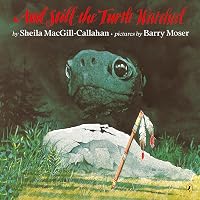
And Still the Turtle Watched
by Sheila MacGill-Callahan
On This Page
Description
A turtle carved in rock on a bluff over the Hudson River by Indians long ago watches with sadness the changes man brings over the years.Tags
Recommendations
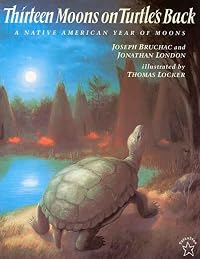
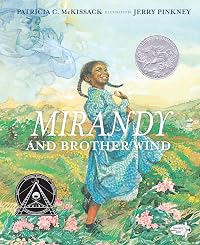
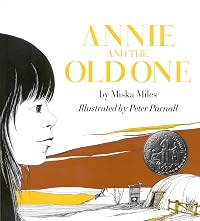
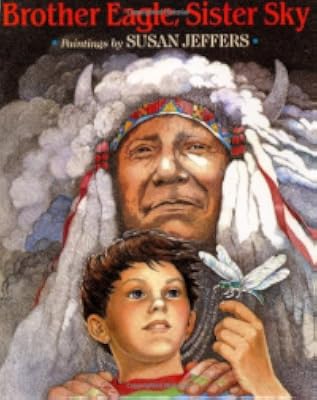
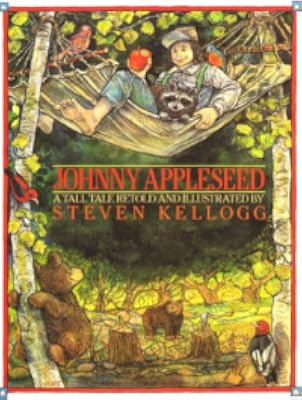

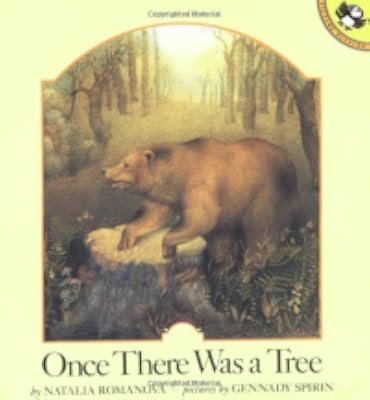
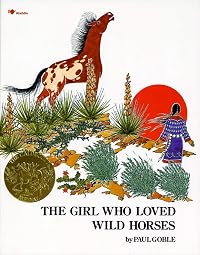

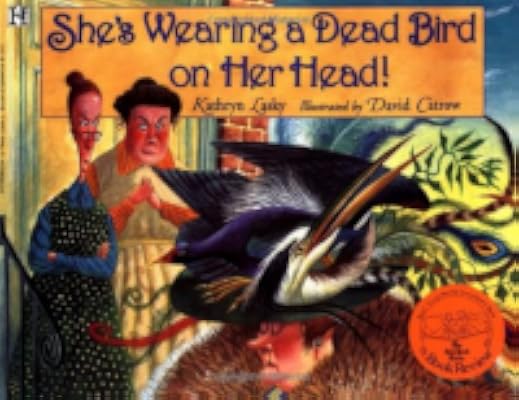

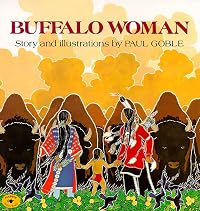
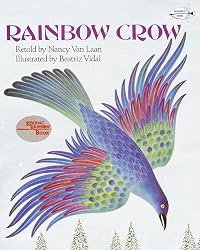
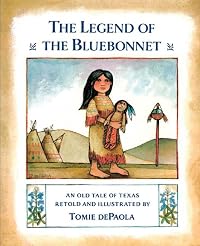
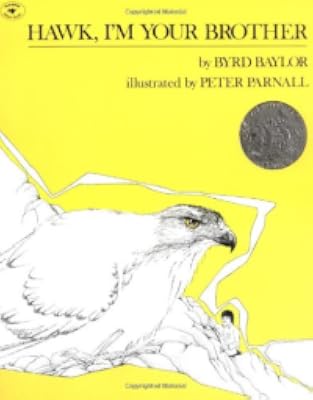

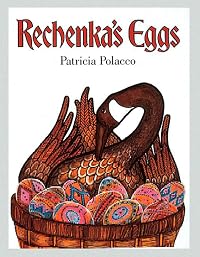
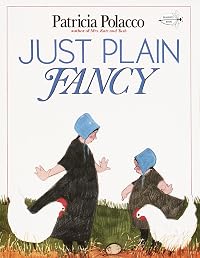
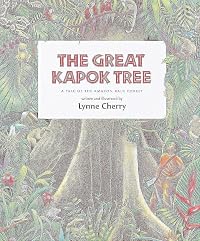
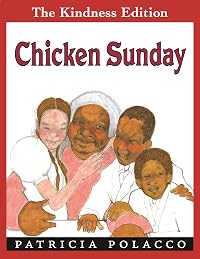





Member Recommendations
AbigailAdams26 If you enjoyed this tale about the changes wrought by the march of history, as seen in one specific locale, you might enjoy another book with a similar theme.
Member Reviews
Carved many hundred of years ago by a Lenape man, and visited down through the generations by Lenape children, a stone turtle watches the land and world around him transformed over time in this picture book from author Sheila MacGill-Callahan and illustrator Barry Moser. He sees newcomers arrive, the land cleared, and the people around him change. Eventually vandalized by some punks, the turtle draws into itself, blind and deaf, and betrayed by the world. Here he sits in darkness, until found by a researcher who understands who and what he is, and who has him cleaned up and moved to the New York Botanical Society, where he is once again surrounded by children playing...
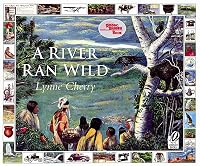
Published in 1991, And Still the Turtle Watched was author Sheila show more MacGill-Callahan's debut, and the first of the six picture books she would eventually go on to see published. It pairs a somewhat melancholy, bittersweet narrative about the passage of time and the many changes it brings, with lovely watercolor artwork from illustrator Barry Moser. The theme here—the changes wrought by the march of history, as seen in one specific locale—reminded me strongly of subsequent picture books like Lynne Cherry's A River Ran Wild: An Environmental History (1992) and Debby Atwell's River (1999), which I happened to read before this one. While the focus in those books is on a river, and the world around it, here we have a turtle observer, one endowed with emotional awareness in the story. Of the three books, I think the one by Atwell is best, but I still found this one moving, and couldn't help sympathizing with the anthropomorphized turtle. I think all three of these books would work as an exploration of the theme of change, not just in the past, but potentially in the future as well. Rivers become polluted, and stone carvings are vandalized, but we can always do better, and try to set things right. Just as things worsen, so can they improve. show less
Published in 1991, And Still the Turtle Watched was author Sheila show more MacGill-Callahan's debut, and the first of the six picture books she would eventually go on to see published. It pairs a somewhat melancholy, bittersweet narrative about the passage of time and the many changes it brings, with lovely watercolor artwork from illustrator Barry Moser. The theme here—the changes wrought by the march of history, as seen in one specific locale—reminded me strongly of subsequent picture books like Lynne Cherry's A River Ran Wild: An Environmental History (1992) and Debby Atwell's River (1999), which I happened to read before this one. While the focus in those books is on a river, and the world around it, here we have a turtle observer, one endowed with emotional awareness in the story. Of the three books, I think the one by Atwell is best, but I still found this one moving, and couldn't help sympathizing with the anthropomorphized turtle. I think all three of these books would work as an exploration of the theme of change, not just in the past, but potentially in the future as well. Rivers become polluted, and stone carvings are vandalized, but we can always do better, and try to set things right. Just as things worsen, so can they improve. show less
One of the things I really liked about this book was the illustrations. I think that the illustrated did a very good job with the pictures and made them very detailed and enjoyable. This would be a good book to read to first or second grade students to talk about how the history of something can change over time like how the turtle use to be very important to people and then slowly lost its importance as times changed. You can talk with the class about how it used to be a tradition for children to come see and talk to the turtle. You can follow up with asking students to think of traditions from their families. You can explain what a tradition is and have students share what traditions they still follow or what traditions they used to show more have but have slowly gone away. You can also talk to the students about sculptures and how it is very difficult to make a sculpture out of rock because you have to chisel it away. You can show students pictures of some sculptures and talk about how artists use different types of rock to make the sculptures. You can also use this book to talk about the environment and how the turtle had to watch as people came and destroyed the land and the forests. You can discuss how this is happening a lot in today;s society as well. Many students may not know what a botanical garden is so this is a good book to introduce them to that as well. This book can be used to make a lot of connections to other topics or areas of discussion. Second grade standards: 2,3 (This is one of your books) show less
I would use this book for a fifth grade class. It would probably be appropriate for younger ages, but the central message is dense and would be best suited for fifth grade. I would use it as a read aloud to introduce the Manitou tribe. I would embed social studies and science instruction in this story. During reading, the students would see how there was a shift in power between Native American settlers and colonists. After reading the story, we would discuss how the area was taken over by colonists. We would discuss how the turtle describes the change. Afterwards, we would discuss the environmental affect it had on the existing society. We would talk about why it's important to preserve ancient artifacts, such as the turtle.
This would be a great read aloud for Kindergarten and a good book for the classroom library for grades 1-3. This book could be used in a religion class as an allegory to God and us, his children.
It's a beautiful tale about faith, endurance, and culture. As a book recommended through Reading Rainbow, I had anticipated that it would be more basic and suitable for a toddler.
To read our full review, go to The Reading Tub®.
To read our full review, go to The Reading Tub®.
Ratings
Members
- Recently Added By
Published Reviews
ThingScore 100
This story... is told from the point of view of a stone turtle carved by Lenape in pre-Contact times. Centuries pass, and the turtle sees his people's world give way to non-Indian "civilization." Finally, after years of neglect and abuse, the turtle is recognized and taken to the New York Botanical Garden. This moving tale effectively contrasts some American Indian and Euroamerican attitudes show more toward nature. ... show less
added by CourtyardSchool
An old man carves a turtle in a rock as a symbol of the All-Father who watches over the Delawares. The turtle observes the years go by... and finally the hoods who spray-paint his eyes so that he can no longer see. Then a man recognizes the Native American artifact beneath the graffiti and arranges for the rock to be displayed indoors, in New York's Botanical Garden.... Moser's beautifully show more balanced book design and powerful paintings ably contribute to the story's dignity and purpose. show less
added by CourtyardSchool
Long ago an old Indian carved a turtle in a rock and explained to his grandson that it would be the eye of Manitou the All-Father and would watch over the Delaware people. In thoughtful prose frequently imbued with a poetic tone, MacGill-Callahan chronicles the devastating environmental changes that befall this stone guardian with the passage of time... until one day a group of teenagers show more blinds and deafens him with spray paint. The text's quiet wisdom is reflected in Moser's exquisite watercolors. ... This striking, moving picture book carefully avoids didacticism as it treats the serious theme of pollution. ... Ages 6-10. show less
added by CourtyardSchool
Lists

Fiction to Read for Earth Day
50 works; 8 members
Author Information
8 Works 661 Members
All Editions
Awards and Honors
Awards
Distinctions
Series
Belongs to Publisher Series
Common Knowledge
- Canonical title
- And Still the Turtle Watched
Classifications
Statistics
- Members
- 281
- Popularity
- 115,029
- Reviews
- 5
- Rating
- (3.73)
- Languages
- English
- Media
- Paper
- ISBNs
- 9