The Reformed Vampire Support Group
by Catherine Jinks
On This Page
Description
Fifteen-year-old vampire Nina has been stuck for fifty-one years in a boring support group for vampires, and nothing exciting has ever happened to them--until one of them is murdered and the others must try to solve the crime.Tags
Recommendations
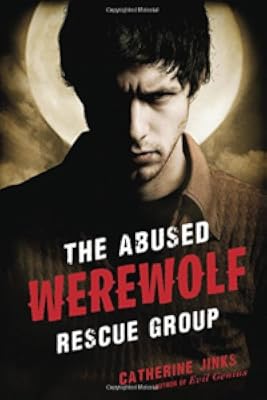
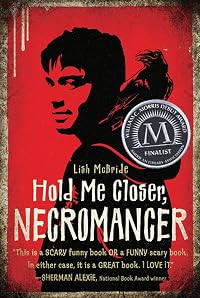
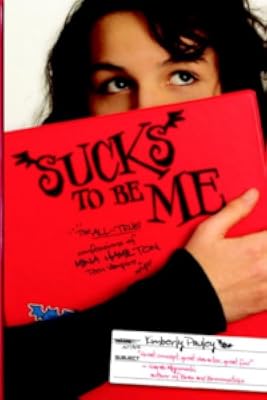
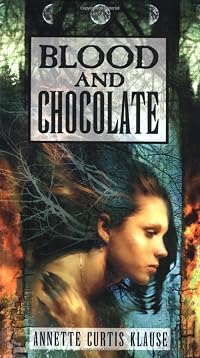


Member Recommendations
FFortuna Breathers is adult, Reformed Vampire Support Group is YA.
Member Reviews
This book is not your typical vampire book.
I know, I know, there have been a ton of books claiming that since the zenith of the Twilight Saga, and hardly any of those books delivered. In the end, ‘Not your typical vampires’ mostly comes down to Vampires who have slightly different powers, but unless they are portrayed as animalistic monsters, they are still elegant, powerful beings who put the super into supernatural.
IMMORTALITY WITHOUT THE PERKS
But Catherine Jinks’ vampires turn a ton of our pre-conceived notions on its head. Yes, they are still immortal; yes, exposure to the sun still kills them; and yes, they still need blood to survive; but they are not powerful, and they are not elegant. The best word to describe Jinks’ show more vampires is weak. And I am not talking about Twilight ‘We are vegetarians, so we are slightly less strong than other vampires’ weak. I mean newborn kitten weak. Old sick woman weak. The kind of weak you get after going through chemo therapy. They are so lethargic that they have to spend most nights lying on couches and watching TV because they have no energy for more, they can’t carry anything that’s too heavy, any kind of bright like makes them sick, and they suffer from constant headaches and nausea. If they are injured, they don’t heal, and while it won’t kill them, it will significantly lower their quality of life.
I have taken a look at the goodreads comments, which I don’t usually do before I write my own review, and I’ve seen that a lot of people didn’t like what Catherine Jinks did with her vampires, because they’re not ‘real’ vampires anymore, or because it’s something they weren’t expecting and couldn’t find a way to enjoy it. To be honest, I was incredibly happy that this book was not about ‘normal’ vampires. Don’t get me wrong, I’ve been a huge Anne Rice geek in my teens, and I still enjoy the one or other paranormal romance with swoon-worthy, all-powerful vampire heroes, but this version of vampires, of immortality, was so absolutely compelling that I did not miss Lestat’s elegance or Marius’ strength one second. In “The Reformed Vampire Support Group”, immortality is deeply unpleasant, but the vampires in this are still our heroes, and having a group of heroes with so many physical impairments makes the stakes so much higher.
For starters, you don’t need super-powered villains if your heroes don’t have superpowers themselves, and since the villains of this book are basically p-o-s hillbillies with A TON of guns, our heroes were pretty goddamn outmatched. Remember, if they get injured, they stay injured. Imagine living an eternity with a fractured lung or a shot liver. Their inability to heal makes the stakes even higher than if they’d be able to die, to be honest, because a normal human could take a bullet to the arm or the belly and heal and have a normal life after that. But one of the support group vampires? No chance.
Also, I just kinda like reading about people with physical limitations. Not just because it makes every conflict more interesting, but because there are a lot of people in the real world who are physically limited in some way, whether because of an injury, a chronical illness or a disability, and those people very rarely get to be heroes who save the day through pure daring. Even one of the most iconic physically limited characters in literature, Tyrion Lannister, doesn’t really survive because of usual heroic means, but because of his wits.
Don’t get me wrong, Nina, our protagonist, is pretty clever, and the second most important vampire, Dave, even more so. But Nina is, above all, rash and courageous in the kind of way you only get to be when you know you are outnumbered on all sides, but you still want to do the right thing, and Dave’s loyalty makes him follow Nina into the most dangerous situations, which also can’t quite be called ‘witty’, if we’re honest. But they still survive, they still beat the villains. They get to be heroes like any other young heroes in books, even though they are weaker, slower, and extremely handicapped by the fact that they are basically dead throughout the day. I really liked that, and I’d really like to read more books like this, if I can find them.
HELLO, MY NAME IS NINA AND I’M A VAMPIRE
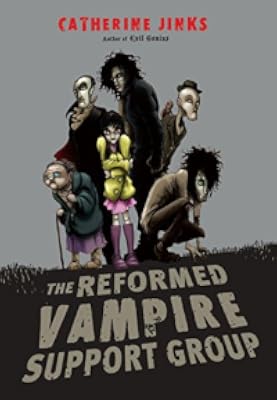
Another thing that just really made this book extremely fun to read was the characters. Since the whole thing revolves around a vampire support group, of course this group had to have members, right? So we have a pretty big cast, which can be a bit tricky for some authors because the temptation to just ignore some of them completely is very big, and readers can get confused about who is who quite easily. The members of the reformed vampires support group, though, are all distinct and honestly interesting enough to stay visible behind the more illustrious characters of Nina, bitten at 15 in the ‘70s and still living with her mother, Dave, a local ex-musician, and the unofficial leader of the group, Sanford, a doctor and the guy who created the means by which they can survive without human blood. There is Bridgette, who used to be a nun and got bitten as an old woman and spends most of her time knitting, Gladys, who used to be a streetwalker in 1920s Sidney before she was bidden and who whines all the time about everything, Horatio, who was the first vampire created in Australia and who is reeaaally into the whole powerful-gothic-vampire thing, even though he’s as weak as any of them and George, who doesn’t do a lot except breed the guinea pigs they live off (instead of drinking human blood), but who is also described as generally not being the most clever bloke, so I guess that’s okay.
(Can I just say how much I love the concept of a nun vampire? I love the concept a lot.)
The whole cast is just so goddamn interesting and the scenes were all of them are together are so absolutely funny that I feel like I actually really know all of these characters (except George. Poor George. But a guy who likes guinea pigs can’t be so bad). There are just so many interesting details about vampire life that really feel fresh and new, and I also love that they actually need a ton of human help, which they get in the form of Father Ramon, a local priest, and Nina’s 60-year-old mother. God, I loved Nina’s mother so much. Not just her absolute no-bullshit attitude, but also her huge commitment to her daughter made her an incredibly compelling character. Father Ramon was also just such a lovely person, and an honest to god saint for not once complaining about all the bullshit the vampires keep putting him through.
The plot was also really interesting. The basic premise is that one vampire was killed, and now they know that a vampire killer is looking for them. When they turn the tables and start looking for him (to explain to him that they are no danger to anybody but guinea pigs), they stumble into a plot that is far too big for any of them. There are a ton of really interesting twists, and Nina’s PoV voice is just a lot of fun to read. I kept catching myself walking to the kitchen without actually putting the book down (and walking into doors because of it) because I just didn’t want to stop reading.
GIVE ME JUSTICE OR GIVE ME DEATH – OH, WAIT
Now, you might wonder why I have decided to not give this book 5 points even though I liked it so much. The reason for that is pretty simple: I want bad people to be punished in books, and this book did not do that. I mean, even A Song of Ice and Fire killed off a whole ton of their most despicable characters, but in this book, two extremely horrible, abusive people do not get punished, and when the victim of their abuse complains about it, it is shut down because ‘they have changed’.
I think I have already hinted on this in my review about “The Door That Led to Where” but I do not like ‘but they changed’ as a reason to redeem characters who did horrible things to people who were powerless to fight them. I am not going to spoiler the book, but something absolutely horrible happens to a person in it, something that would even make some of the more assholey ASOIAF characters pause, and this person doesn’t even get to openly advocate for punishment for their abusers because they ‘changed’??? That is goddamn bullshit, and I was very, very disappointed by this. Disappointed enough that I’ve subtracted a whole point, not just half a point like I’d usually do. I know you don’t always get your revenge in real life, bad people aren’t always punished in real life, but that’s why I read books – because they aren’t real life.
But even despite its very disappointing ending, I did still just enjoy this book too much to give it less than 4 stars. I’m going to read the second book in the series soon (which you REALLY shouldn’t look up, guys, because MAJOR spoilers), and I really hope that there might be a bit of justice for the poor character who didn’t get his revenge in this book. But if not, I just hope I’ll get more of what made this book great, because I just really loved the characters in this book and I loved the humor and I loved the plot. So, let’s hope for the best.
Want to read more of my reviews? Visit me on The Bookabelles Blog or follow me here on Goodreads :) show less
I know, I know, there have been a ton of books claiming that since the zenith of the Twilight Saga, and hardly any of those books delivered. In the end, ‘Not your typical vampires’ mostly comes down to Vampires who have slightly different powers, but unless they are portrayed as animalistic monsters, they are still elegant, powerful beings who put the super into supernatural.
IMMORTALITY WITHOUT THE PERKS
But Catherine Jinks’ vampires turn a ton of our pre-conceived notions on its head. Yes, they are still immortal; yes, exposure to the sun still kills them; and yes, they still need blood to survive; but they are not powerful, and they are not elegant. The best word to describe Jinks’ show more vampires is weak. And I am not talking about Twilight ‘We are vegetarians, so we are slightly less strong than other vampires’ weak. I mean newborn kitten weak. Old sick woman weak. The kind of weak you get after going through chemo therapy. They are so lethargic that they have to spend most nights lying on couches and watching TV because they have no energy for more, they can’t carry anything that’s too heavy, any kind of bright like makes them sick, and they suffer from constant headaches and nausea. If they are injured, they don’t heal, and while it won’t kill them, it will significantly lower their quality of life.
I have taken a look at the goodreads comments, which I don’t usually do before I write my own review, and I’ve seen that a lot of people didn’t like what Catherine Jinks did with her vampires, because they’re not ‘real’ vampires anymore, or because it’s something they weren’t expecting and couldn’t find a way to enjoy it. To be honest, I was incredibly happy that this book was not about ‘normal’ vampires. Don’t get me wrong, I’ve been a huge Anne Rice geek in my teens, and I still enjoy the one or other paranormal romance with swoon-worthy, all-powerful vampire heroes, but this version of vampires, of immortality, was so absolutely compelling that I did not miss Lestat’s elegance or Marius’ strength one second. In “The Reformed Vampire Support Group”, immortality is deeply unpleasant, but the vampires in this are still our heroes, and having a group of heroes with so many physical impairments makes the stakes so much higher.
For starters, you don’t need super-powered villains if your heroes don’t have superpowers themselves, and since the villains of this book are basically p-o-s hillbillies with A TON of guns, our heroes were pretty goddamn outmatched. Remember, if they get injured, they stay injured. Imagine living an eternity with a fractured lung or a shot liver. Their inability to heal makes the stakes even higher than if they’d be able to die, to be honest, because a normal human could take a bullet to the arm or the belly and heal and have a normal life after that. But one of the support group vampires? No chance.
Also, I just kinda like reading about people with physical limitations. Not just because it makes every conflict more interesting, but because there are a lot of people in the real world who are physically limited in some way, whether because of an injury, a chronical illness or a disability, and those people very rarely get to be heroes who save the day through pure daring. Even one of the most iconic physically limited characters in literature, Tyrion Lannister, doesn’t really survive because of usual heroic means, but because of his wits.
Don’t get me wrong, Nina, our protagonist, is pretty clever, and the second most important vampire, Dave, even more so. But Nina is, above all, rash and courageous in the kind of way you only get to be when you know you are outnumbered on all sides, but you still want to do the right thing, and Dave’s loyalty makes him follow Nina into the most dangerous situations, which also can’t quite be called ‘witty’, if we’re honest. But they still survive, they still beat the villains. They get to be heroes like any other young heroes in books, even though they are weaker, slower, and extremely handicapped by the fact that they are basically dead throughout the day. I really liked that, and I’d really like to read more books like this, if I can find them.
HELLO, MY NAME IS NINA AND I’M A VAMPIRE
Another thing that just really made this book extremely fun to read was the characters. Since the whole thing revolves around a vampire support group, of course this group had to have members, right? So we have a pretty big cast, which can be a bit tricky for some authors because the temptation to just ignore some of them completely is very big, and readers can get confused about who is who quite easily. The members of the reformed vampires support group, though, are all distinct and honestly interesting enough to stay visible behind the more illustrious characters of Nina, bitten at 15 in the ‘70s and still living with her mother, Dave, a local ex-musician, and the unofficial leader of the group, Sanford, a doctor and the guy who created the means by which they can survive without human blood. There is Bridgette, who used to be a nun and got bitten as an old woman and spends most of her time knitting, Gladys, who used to be a streetwalker in 1920s Sidney before she was bidden and who whines all the time about everything, Horatio, who was the first vampire created in Australia and who is reeaaally into the whole powerful-gothic-vampire thing, even though he’s as weak as any of them and George, who doesn’t do a lot except breed the guinea pigs they live off (instead of drinking human blood), but who is also described as generally not being the most clever bloke, so I guess that’s okay.
(Can I just say how much I love the concept of a nun vampire? I love the concept a lot.)
The whole cast is just so goddamn interesting and the scenes were all of them are together are so absolutely funny that I feel like I actually really know all of these characters (except George. Poor George. But a guy who likes guinea pigs can’t be so bad). There are just so many interesting details about vampire life that really feel fresh and new, and I also love that they actually need a ton of human help, which they get in the form of Father Ramon, a local priest, and Nina’s 60-year-old mother. God, I loved Nina’s mother so much. Not just her absolute no-bullshit attitude, but also her huge commitment to her daughter made her an incredibly compelling character. Father Ramon was also just such a lovely person, and an honest to god saint for not once complaining about all the bullshit the vampires keep putting him through.
The plot was also really interesting. The basic premise is that one vampire was killed, and now they know that a vampire killer is looking for them. When they turn the tables and start looking for him (to explain to him that they are no danger to anybody but guinea pigs), they stumble into a plot that is far too big for any of them. There are a ton of really interesting twists, and Nina’s PoV voice is just a lot of fun to read. I kept catching myself walking to the kitchen without actually putting the book down (and walking into doors because of it) because I just didn’t want to stop reading.
GIVE ME JUSTICE OR GIVE ME DEATH – OH, WAIT
Now, you might wonder why I have decided to not give this book 5 points even though I liked it so much. The reason for that is pretty simple: I want bad people to be punished in books, and this book did not do that. I mean, even A Song of Ice and Fire killed off a whole ton of their most despicable characters, but in this book, two extremely horrible, abusive people do not get punished, and when the victim of their abuse complains about it, it is shut down because ‘they have changed’.
I think I have already hinted on this in my review about “The Door That Led to Where” but I do not like ‘but they changed’ as a reason to redeem characters who did horrible things to people who were powerless to fight them. I am not going to spoiler the book, but something absolutely horrible happens to a person in it, something that would even make some of the more assholey ASOIAF characters pause, and this person doesn’t even get to openly advocate for punishment for their abusers because they ‘changed’??? That is goddamn bullshit, and I was very, very disappointed by this. Disappointed enough that I’ve subtracted a whole point, not just half a point like I’d usually do. I know you don’t always get your revenge in real life, bad people aren’t always punished in real life, but that’s why I read books – because they aren’t real life.
But even despite its very disappointing ending, I did still just enjoy this book too much to give it less than 4 stars. I’m going to read the second book in the series soon (which you REALLY shouldn’t look up, guys, because MAJOR spoilers), and I really hope that there might be a bit of justice for the poor character who didn’t get his revenge in this book. But if not, I just hope I’ll get more of what made this book great, because I just really loved the characters in this book and I loved the humor and I loved the plot. So, let’s hope for the best.
Want to read more of my reviews? Visit me on The Bookabelles Blog or follow me here on Goodreads :) show less
I’ve had a copy of Catherine Jinks’ THE REFORMED VAMPIRE SUPPORT GROUP on my bookshelf for a few years now and finally got around to reading it. I’m a sucker (pun intended) for a good vampire story, and this one caught my interest, but for some reason or another, I kept passing on it. Maybe because of its length—my paperback copy clocks in at 362 pages—and because it is categorized as Young Adult, my expectations were not particularly high for this novel.
I’m happy to say that THE REFORMED VAMPIRE SUPPORT GROUP more than delivered with an interesting premise, and for the most part, a decent execution. The book’s title is very much an apt one, as the story is centered around a group of vampires in Australia who are not show more anything like the mythic and powerful creations of Bram Stoker or Anne Rice. In Jinks’ telling, vampirism is really nothing more than a chronic illness, leaving the victim weak, dependent, and with a craving for blood. These vampires don’t age, but that’s about the only benefit of the disease, and if they don’t burst into flames in the sunlight, they still completely lose consciousness during the hours of daylight. The Undead characters in this book have come up with a way to get around their craving for human blood, but otherwise spend most of their time inside, hiding away from the world, watching TV and complaining. Hardly a glamorous existence. The main character, and the one through whose viewpoint we see most of the action, is Nina, who was only fifteen when she was “fanged” in 1973, and who still lives with her aging mother. Once a week she gets together with her fellow blood drinkers in a support group presided over by a sympathetic Catholic priest. They are a sundry group of creatures of the night, including an elderly former nun, a streetwalker, a pompous doctor, and Dave, the former member of a punk band, who might have feelings for Nina, if only he and the others could get past their plight and try to make the most of what life they have. The author makes it clear that they see themselves as a bunch of losers, a ragtag group of misfits, fit only for their own miserable company, that is until a member of the group turns up staked, forcing the survivors to band together and find the killer before he tracks them all down. This requires Nina and the rest of them to venture out into the wider world, where they soon become involved with a werewolf fighting club and some lowlifes who traffic in such supernatural creatures. After rescuing a teenage werewolf, these former losers have to become heroes if they want to prevail.
One of the things this book has going for it is that Jinks is able to give her many characters a distinct voice which separates them from the rest, and the Australian setting also gives the book a vibe that sets it apart from other vampire tales—I like how Jinks retells how vampirism came to the Land Down Under. And I like a story where characters have to rise above their failures and flaws to do the right thing, where underdogs are pitted against powerful antagonists and have to use their wits to survive. There’s not a lot of real horror elements to the book beyond the supernatural nature of the characters, and the plot sometimes feels like a lot of to and fro with various vampires and bad guys on each other’s trail. I thought the ending fell a little short, but that’s a minor complaint. The only reason it seems to have gotten placed in the YA section is because the MC is a teenager, who is really over 50 years old, and there is very little actual romance. Still, the book has a lot of humor that works and plot elements that come together well. It was published back in the midst of the YA teen vampire fad when Stephanie Meyer’s TWILIGHT saga dominated the best seller lists. THE REFORMED VAMPIRE SUPPORT GROUP are definitely a bunch of anti-Edward Cullens, and this is just fine, as Catherine Jinks’ book hits exactly what it was aiming for in and then some. show less
I’m happy to say that THE REFORMED VAMPIRE SUPPORT GROUP more than delivered with an interesting premise, and for the most part, a decent execution. The book’s title is very much an apt one, as the story is centered around a group of vampires in Australia who are not show more anything like the mythic and powerful creations of Bram Stoker or Anne Rice. In Jinks’ telling, vampirism is really nothing more than a chronic illness, leaving the victim weak, dependent, and with a craving for blood. These vampires don’t age, but that’s about the only benefit of the disease, and if they don’t burst into flames in the sunlight, they still completely lose consciousness during the hours of daylight. The Undead characters in this book have come up with a way to get around their craving for human blood, but otherwise spend most of their time inside, hiding away from the world, watching TV and complaining. Hardly a glamorous existence. The main character, and the one through whose viewpoint we see most of the action, is Nina, who was only fifteen when she was “fanged” in 1973, and who still lives with her aging mother. Once a week she gets together with her fellow blood drinkers in a support group presided over by a sympathetic Catholic priest. They are a sundry group of creatures of the night, including an elderly former nun, a streetwalker, a pompous doctor, and Dave, the former member of a punk band, who might have feelings for Nina, if only he and the others could get past their plight and try to make the most of what life they have. The author makes it clear that they see themselves as a bunch of losers, a ragtag group of misfits, fit only for their own miserable company, that is until a member of the group turns up staked, forcing the survivors to band together and find the killer before he tracks them all down. This requires Nina and the rest of them to venture out into the wider world, where they soon become involved with a werewolf fighting club and some lowlifes who traffic in such supernatural creatures. After rescuing a teenage werewolf, these former losers have to become heroes if they want to prevail.
One of the things this book has going for it is that Jinks is able to give her many characters a distinct voice which separates them from the rest, and the Australian setting also gives the book a vibe that sets it apart from other vampire tales—I like how Jinks retells how vampirism came to the Land Down Under. And I like a story where characters have to rise above their failures and flaws to do the right thing, where underdogs are pitted against powerful antagonists and have to use their wits to survive. There’s not a lot of real horror elements to the book beyond the supernatural nature of the characters, and the plot sometimes feels like a lot of to and fro with various vampires and bad guys on each other’s trail. I thought the ending fell a little short, but that’s a minor complaint. The only reason it seems to have gotten placed in the YA section is because the MC is a teenager, who is really over 50 years old, and there is very little actual romance. Still, the book has a lot of humor that works and plot elements that come together well. It was published back in the midst of the YA teen vampire fad when Stephanie Meyer’s TWILIGHT saga dominated the best seller lists. THE REFORMED VAMPIRE SUPPORT GROUP are definitely a bunch of anti-Edward Cullens, and this is just fine, as Catherine Jinks’ book hits exactly what it was aiming for in and then some. show less
Nina's life sucks. She was fanged at fifteen and condemned to a life of being a vampire with the lousy side effects of permanently feeling lousy and weak. To make it worse, every Tuesday night she has to attend her Reformed Vampire Support Group meetings where all the other vampires of her acquaintance whine about how much their lives suck. However, when one of the support group members is staked, life gets a whole lot more interesting.
This novel is a fun and different take on vampires. In contrast to most popular vampire novels, Jinks' vampires are sickly, weak, and not all that attractive. The different approach to vampires is also enhanced by the Australian locale, which is a refreshing change. The characters are well-defined and show more witty. The plot is well-paced and filled with several surprises that I didn't see coming. While full of references to popular vampire series, Jinks' world is unique and well-formed and I thoroughly enjoyed my time in it. show less
This novel is a fun and different take on vampires. In contrast to most popular vampire novels, Jinks' vampires are sickly, weak, and not all that attractive. The different approach to vampires is also enhanced by the Australian locale, which is a refreshing change. The characters are well-defined and show more witty. The plot is well-paced and filled with several surprises that I didn't see coming. While full of references to popular vampire series, Jinks' world is unique and well-formed and I thoroughly enjoyed my time in it. show less
This book plays with the conventions of the vampire story, creating a group of whiny, barely surviving vampires with no particular strengths or powers. The vampires of Sydney, Australia meet weekly at a local church for support sessions, although nothing much of significance seems to happen from week to week. That is, until one day, Casimir, the oldest of the vampire group, doesn’t show up for the weekly meeting. When the others go to his house to investigate, they discover that he’s been staked. With one of their own murdered, the vampires have no choice but to stick together until the mystery is solved. The quest for Casimir’s murderer turns up other adventures, including the discovery of illegal pit fights between captured show more werewolves. The story is told from the perspective of 15-year-old Nina (who has been a vampire for 30 plus years), who is annoyed with the whiny, do-nothing attitude of the vampires she knows, despite being like that herself. The cast of characters are quirky and interesting, and the book itself is darkly humorous. I would therefore recommend this book to anyone interested in quirky, dark comedies. show less
The Reformed Vampire Support Group takes vampire mythology and popular culture and dumps it unceremoniously on its head. Its unlikely heroine (and deliciously deadpan narrator), Nina, is a 51 year-old vampire who was infected when she was 15 and is sick of being treated like a kid as a result. She is a writer of vampire fiction (though she’s ‘no Stephenie Meyer’) starring the beautiful and powerful Zelda Bloodstone. Sadly, life for a real vamp isn’t quite so exciting. Nina and the other vampires in her therapy group are dead by day and ill most of the rest of the time. They feed on a guinea pig a day, ‘fanged’ in the bathroom (easier to clean) and placed in a ziplock bag in the freezer so the RSPCA don’t get suspicious. show more They suffer terrible stomach problems and blinding headaches, take numerous supplements to ease their pain, and wear sunglasses all night so their eyes don’t haemorrhage. Sounds fun, huh?
But things are about to get interesting for the Reformed Vampire Support Group and their human friend Father Ramon. When a member of their group is killed by an unknown slayer, they must take urgent steps to ensure that their own lives aren’t in danger. Alas, their investigations lead them slap bang into a shady underworld of guns and silver bullets, underground cells and werewolf fights. Rescuing dangerously sexy young werewolf Reuben is only the start of their problems. The slayer is still out there, and now they have a pair of thugs on their tail to boot…
This really is a very clever novel, referencing all kinds of vampire stories from Dracula to Underworld, and shooting them all down in flames. Jinks’ unique take on vampire fiction is witty and satirical, with a keen eye for the ridiculous. The characters are wonderfully diverse, from frail but feisty little Nina and her chain-smoking elderly human mother Estelle, to sweet old knitting-obsessed vampire Bridget and flamboyant cape-wearing menace Horace. The idea of a ‘reformed vampire’ therapy group, led by a priest and devoted to talking out fragile feelings and vampiric dilemmas, is pure genius. All in all, a solid little read, and well worth a look for a bit of refreshment from conventional vampire novels! show less
But things are about to get interesting for the Reformed Vampire Support Group and their human friend Father Ramon. When a member of their group is killed by an unknown slayer, they must take urgent steps to ensure that their own lives aren’t in danger. Alas, their investigations lead them slap bang into a shady underworld of guns and silver bullets, underground cells and werewolf fights. Rescuing dangerously sexy young werewolf Reuben is only the start of their problems. The slayer is still out there, and now they have a pair of thugs on their tail to boot…
This really is a very clever novel, referencing all kinds of vampire stories from Dracula to Underworld, and shooting them all down in flames. Jinks’ unique take on vampire fiction is witty and satirical, with a keen eye for the ridiculous. The characters are wonderfully diverse, from frail but feisty little Nina and her chain-smoking elderly human mother Estelle, to sweet old knitting-obsessed vampire Bridget and flamboyant cape-wearing menace Horace. The idea of a ‘reformed vampire’ therapy group, led by a priest and devoted to talking out fragile feelings and vampiric dilemmas, is pure genius. All in all, a solid little read, and well worth a look for a bit of refreshment from conventional vampire novels! show less
This is a really unique, delightful YA book that takes the usual tropes about vampires and turns them on their head. Nina, the narrator, was turned into a vampire at the tender age of 15. She writes novels about Zadia Bloodstone, a fearless vampire heroine imbued with superpowers who uses her unnatural state to fight evil. In real life, Nina is part of the titular Reformed Vampire Support Group, which meets at a church, where people who have been infected with the disease of vampirism meet to discuss their problems, which are many. They are all on the wagon and survive by feeding off of guinea pigs. Nina still lives at home with her elderly mother. Her body, an animated corpse, after all, is falling apart; she has extreme headaches, show more bleeding eyes, and constant nausea. When one of the other members of her group is staked by a vampire slayer, Nina must embrace her inner Xenia Bloodstone and recognize that even though she is a vampire, she still can achieve good in the world. Highly recommended; five stars. show less
This is not your typical group of literary vampires. Instead of casting a glamour on you and slinking around and being generally sexy and evil, they're more likely to throw up on your shoes due to the nausea from being undead. And, instead of being found in any glamourous setting; they're far more likely to be found kvetching at each other on a Tuesday night at their support group, where they try to support each other in their decision to not bite humans.
I liked the "reality" of this bunch of vampires - without glamour, it's hard to get by in this human world, identification is difficult to get, and they're generally scraping a living in all-night call centres, trying to not bleed everywhere. Plus, our heroine is a perpetual 15 year show more old, while one of the other vampires was a saintly 90 year old nun when she was bitten. This is not your usual glamourous bunch.
The plot is kicked off when one of the group - the rather repulsive Casimir, who is responsible for biting most of the people in the group - is staked through the heart. Who tracked them down? How much do they know? Did they get Casimir's address book and are they coming to get the rest of them...?
Unfortunately, any decision these vampires make has to be discussed and bitched about as a group, and they keep on falling into the same old alliances and fights each time. After a couple of decades together, this is only to be expected, but it does make it a bit of a dialogue-y sort of book, rather than an action-orientated book.
It also reminded me of the classic Monty Python scene from "Monty Python and the Holy Grail": We're an anarcho-syndicalist commune. We take it in turns to act as a sort of executive officer for the week. But all the decision of that officer have to be ratified at a special biweekly meeting. By a simple majority in the case of purely internal affairs, but by a two-thirds majority... Only less funny.
Overall, it was a nice antidote to the current crop of paranormal romances, and the characters were fun, and I didn't see where the plot was going. It's not a great book, but it was a fun quick read. show less
I liked the "reality" of this bunch of vampires - without glamour, it's hard to get by in this human world, identification is difficult to get, and they're generally scraping a living in all-night call centres, trying to not bleed everywhere. Plus, our heroine is a perpetual 15 year show more old, while one of the other vampires was a saintly 90 year old nun when she was bitten. This is not your usual glamourous bunch.
The plot is kicked off when one of the group - the rather repulsive Casimir, who is responsible for biting most of the people in the group - is staked through the heart. Who tracked them down? How much do they know? Did they get Casimir's address book and are they coming to get the rest of them...?
Unfortunately, any decision these vampires make has to be discussed and bitched about as a group, and they keep on falling into the same old alliances and fights each time. After a couple of decades together, this is only to be expected, but it does make it a bit of a dialogue-y sort of book, rather than an action-orientated book.
It also reminded me of the classic Monty Python scene from "Monty Python and the Holy Grail": We're an anarcho-syndicalist commune. We take it in turns to act as a sort of executive officer for the week. But all the decision of that officer have to be ratified at a special biweekly meeting. By a simple majority in the case of purely internal affairs, but by a two-thirds majority... Only less funny.
Overall, it was a nice antidote to the current crop of paranormal romances, and the characters were fun, and I didn't see where the plot was going. It's not a great book, but it was a fun quick read. show less
Members
- Recently Added By
Lists

Bloody Good Vampire Books
394 works; 28 members
Author Information

58 Works 6,277 Members
Catherine Jinks was born November 17, 1963 in Brisbane, Queensland. She received a degree in medieval history from the University of Sydney in 1986. After college, she worked as a journalist and editor before becoming a full-time writer. She has written more than 30 books for both children and adults including Pagan's Vows, Eye to Eye, Piggy in show more the Middle, The Reformed Vampire Support Group, and The Abused Werewolf Rescue Group. She is also the author of the Pagan Chronicles and Allie's Ghost Hunters series. She has won numerous awards including the Children's Book Council of Australia Book of the Year Award three times, the Victorian Premier's Literary Award, the Aurealis Award for Science Fiction, the Australian Ibby Award, and the Davitt Award for Crime Fiction. (Bowker Author Biography) show less
Awards and Honors
Awards
Distinctions
Common Knowledge
- Canonical title
- The Reformed Vampire Support Group
- Original publication date
- 2009-03-25
- People/Characters
- Nina Harrison
- Important places
- St. Agatha's Church; Australia; New South Wales, Australia; Sydney, New South Wales, Australia
- Dedication
- To Claire Haywood- your training really put me on the right track.
- First words
- Nina was stuck.
- Last words
- (Click to show. Warning: May contain spoilers.)What more can you expect from any normal human being?
Classifications
- Genres
- Fiction and Literature, Teen, Tween, Fantasy, Young Adult
- DDC/MDS
- 823.914 — Literature & rhetoric English & Old English literatures English fiction 1900- 1901-1999 1945-1999
- LCC
- PZ7 .J5754 .R — Language and Literature Fiction and juvenile belles lettres Fiction and juvenile belles lettres Juvenile belles lettres
- BISAC
Statistics
- Members
- 938
- Popularity
- 28,552
- Reviews
- 68
- Rating
- (3.45)
- Languages
- English, German, Hungarian
- Media
- Paper, Audiobook, Ebook
- ISBNs
- 24
- ASINs
- 12