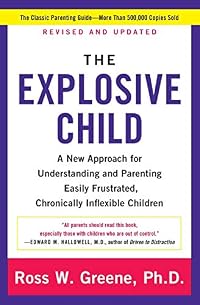
The Explosive Child: A New Approach for Understanding and Parenting Easily Frustrated, Chronically Inflexible Children
by Ross W. Greene
On This Page
Description
Now in a revised and updated 6th edition, the groundbreaking, research-based approach to understanding and parenting children who frequently exhibit severe fits of temper and other challenging behaviors, from a distinguished clinician and pioneer in the field. What's an explosive child? A child who responds to routine problems with extreme frustration--crying, screaming, swearing, kicking, hitting, biting, spitting, destroying property, and worse. A child whose frequent, severe outbursts show more leave his or her parents feeling frustrated, scared, worried, and desperate for help. Most of these parents have tried everything-reasoning, explaining, punishing, sticker charts, therapy, medication--but to no avail. They can't figure out why their child acts the way he or she does; they wonder why the strategies that work for other kids don't work for theirs; and they don't know what to do instead. Dr. Ross Greene, a distinguished clinician and pioneer in the treatment of kids with social, emotional, and behavioral challenges, has worked with thousands of explosive children, and he has good news: these kids aren't attention-seeking, manipulative, or unmotivated, and their parents aren't passive, permissive pushovers. Rather, explosive kids are lacking some crucial skills in the domains of flexibility/adaptability, frustration tolerance, and problem solving, and they require a different approach to parenting. Throughout this compassionate, insightful, and practical book, Dr. Greene provides a new conceptual framework for understanding their difficulties, based on research in the neurosciences. He explains why traditional parenting and treatment often don't work with these children, and he describes what to do instead. Instead of relying on rewarding and punishing, Dr. Greene's Collaborative Problem Solving model promotes working with explosive children to solve the problems that precipitate explosive episodes, and teaching these kids the skills they lack. show lessTags
Recommendations













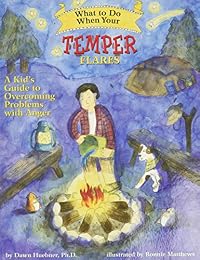


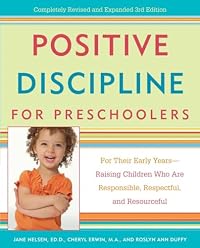

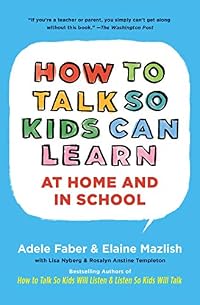
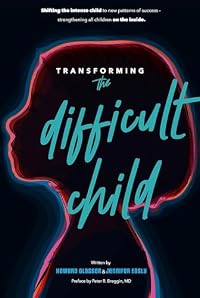






Member Reviews
This book was loaned to me in an effort to better understand my soon-to-be stepson and to understand myself. I was extremely cynical about the methods proposed in this book, but the author raised the same issues, and addressed them with respect and without sarcasm or dismissal. Definitely worth the read. I might suggest an addition to the already long title: "and Parents"
Finally a book on *teaching* children to manage frustration and upset rather than trying to *motivate* them to do it. Some kids just need to be motivated, but some honestly don't know how. My autistic son is one of them.
Now, most of these strategies I know how to do (let some things go, de-escalate, negotiate) but the reminder was nice. Plus, I can give this book to other caregivers who don't know how to stop triggering meltdowns- it doesn't just explain how, but also WHY to react this way instead of just punishing a child after the fact.
Now, most of these strategies I know how to do (let some things go, de-escalate, negotiate) but the reminder was nice. Plus, I can give this book to other caregivers who don't know how to stop triggering meltdowns- it doesn't just explain how, but also WHY to react this way instead of just punishing a child after the fact.
I had seen this book around, but I knew I had to read it when it was quite literally thrown at me from across the room by a child throwing a violent temper tantrum. I’m glad I did.
Liked the conceptual framework a lot. The emphasis on collaborative, empathetic problem solving is great.
Thought the anecdotes are a bit too tidy and a bit too long - probably not realistic to find resolution so simply.
Thought the anecdotes are a bit too tidy and a bit too long - probably not realistic to find resolution so simply.
This has been a helpful book to me, in dealing with an explosive eight-year-old boy.
Empathizing, detailing concerns, and inviting him to help me meet both of our needs helps to minimize the outbursts, and has taught me, perhaps most importantly, to understand why I am giving the rules and limitations I am. A parent who says no, just for the sake of establishing dominance is doing nothing worthwhile for the child. I regret that I am sometimes that parent.
Empathizing, detailing concerns, and inviting him to help me meet both of our needs helps to minimize the outbursts, and has taught me, perhaps most importantly, to understand why I am giving the rules and limitations I am. A parent who says no, just for the sake of establishing dominance is doing nothing worthwhile for the child. I regret that I am sometimes that parent.
This book was a necessity and was rather helpful. Imagine a normal, intelligent child who is able to focus for the most part, but in certain instances explodes suddenly into a rage over trivial things. The Explosive Child tells the story of such children and gives explanations of how to deal with such children, why they may act in such a way, and how to recognize and prevent such occurrences before they get out of control.
While you may think, "Oh no, another disorder to labe...moreThis book was a necessity and was rather helpful. Imagine a normal, intelligent child who is able to focus for the most part, but in certain instances explodes suddenly into a rage over trivial things. The Explosive Child tells the story of such children and show more gives explanations of how to deal with such children, why they may act in such a way, and how to recognize and prevent such occurrences before they get out of control.
While you may think, "Oh no, another disorder to label children with," Dr. Greene clearly separates the inflexible/explosive child from the pack of dysfunctional children with such disorders as ADHD, tourettes, or autism. His methods for dealing with an inflexible/explosive child require more discipline for the adult than for the child, but are logical and effective. Consequences for misbehavior to a child who already knows they are acting in an unacceptable way, could be counter-productive to developing the skills required for dealing with their inflexibility to change. Greene shows you how to recognize the signs of a meltdown before the child loses all control and tells you how to counter it with empathy and understanding.
This is a good book for all caregivers and teachers; especially those who work with preschool and grade school students. It is also important for any parent with a child that they have lost hope and patience for. show less
While you may think, "Oh no, another disorder to labe...moreThis book was a necessity and was rather helpful. Imagine a normal, intelligent child who is able to focus for the most part, but in certain instances explodes suddenly into a rage over trivial things. The Explosive Child tells the story of such children and show more gives explanations of how to deal with such children, why they may act in such a way, and how to recognize and prevent such occurrences before they get out of control.
While you may think, "Oh no, another disorder to label children with," Dr. Greene clearly separates the inflexible/explosive child from the pack of dysfunctional children with such disorders as ADHD, tourettes, or autism. His methods for dealing with an inflexible/explosive child require more discipline for the adult than for the child, but are logical and effective. Consequences for misbehavior to a child who already knows they are acting in an unacceptable way, could be counter-productive to developing the skills required for dealing with their inflexibility to change. Greene shows you how to recognize the signs of a meltdown before the child loses all control and tells you how to counter it with empathy and understanding.
This is a good book for all caregivers and teachers; especially those who work with preschool and grade school students. It is also important for any parent with a child that they have lost hope and patience for. show less
This ended up not being a book that was applicable to my family, but I did recommend it to some of my friends whom it would be more applicable.
With that being said, it was well written and I felt like the basket idea could still be used on upset children. However I will probably have mostly basket B and basket A, and not many basket Cs.
With that being said, it was well written and I felt like the basket idea could still be used on upset children. However I will probably have mostly basket B and basket A, and not many basket Cs.
Members
- Recently Added By
Published Reviews
added by Jannekemulder
Lists

Neuro Pride Ireland Recommendations
101 works; 1 member
Author Information

20 Works 2,060 Members
Ross W. Greene, Ph. D., is a clinical psychologist and originator of the Collaborative Proactive Solutions (CPS) approach. Dr. Greene is the founding director of the nonprofit Lives in the Balance, which provides vast free resources on the CPS model and advocates on behalf of kids with concerning behaviors and their caregivers. He was on the show more faculty at Harvard Medical School for more than twenty years and is on the faculties at Virginia Tech and the University of Technology Sydney in Australia. He also developed and was the executive producer of the award-winning documentary The Kids We Lose. Dr. Greene works extensively with families schools, inpatient psychiatry units, residential and juvenile detention facilities, and lectures widely throughout the world. He lives in Freeport, Maine. show less
Common Knowledge
- Canonical title*
- L'enfant explosif
- Alternate titles*
- comprendre ses frustrations, canaliser ses émotions, prévenir les crises, favoriser son épanouissement
- Epigraph
- "Anyone can become angry, that is easy... but to be angry with the right person, to the right degree, at the right time, for the right purpose, and in the right way... that is not easy." - Aristotle
"Do the best you can un... (show all)til you know better. Then when you know better, do better." - Maya Angelou - Dedication
- In memory of my father, Irving A. Greene
*Some information comes from Common Knowledge in other languages. Click "Edit" for more information.
Classifications
- Genres
- Nonfiction, General Nonfiction
- DDC/MDS
- 649.153 — Applied science & technology Home economics & family management Child rearing; home care of people with illnesses and disabilities by family and friends Parenting
- LCC
- HQ773 .G73 — Social sciences The family. Marriage, Women and Sexuality The Family. Marriage. Women The family. Marriage. Home Children. Child development
- BISAC
Statistics
- Members
- 1,330
- Popularity
- 17,997
- Reviews
- 18
- Rating
- (3.96)
- Languages
- 8 — Danish, Dutch, English, Finnish, French, German, Russian, Swedish
- Media
- Paper, Audiobook, Ebook
- ISBNs
- 25
- UPCs
- 1
- ASINs
- 9